
Main Courses
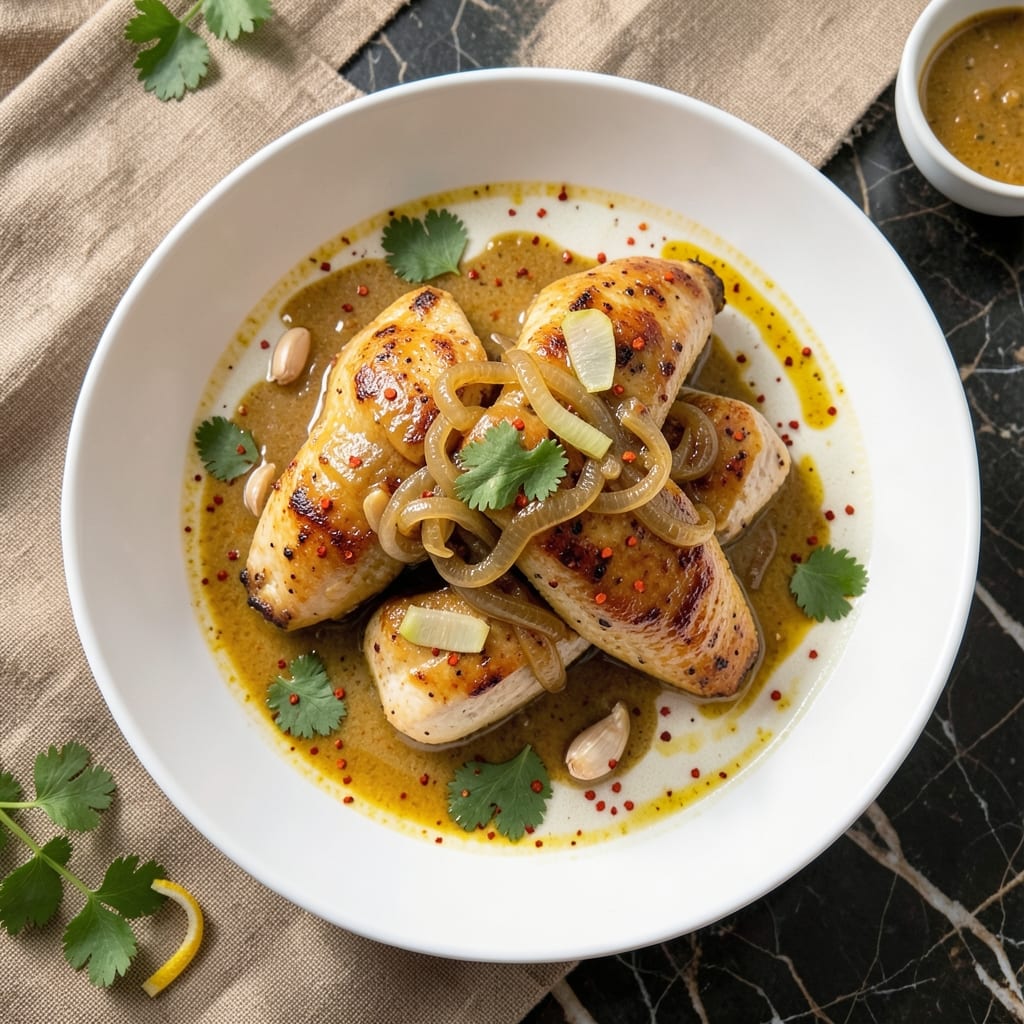
This aromatic chicken curry recipe transforms simple ingredients into a fragrant coconut-spice symphony that brings restaurant-quality flavor to your kitchen. The secret lies in blooming whole spices in hot oil—a technique that unlocks their full potential—while balancing sweet, tangy, and savory notes for depth. I've refined this recipe over countless batches to ensure it's both authentic and approachable, whether you're using fresh spices or convenient pastes.
What sets this curry apart is the layered complexity achieved through careful spice toasting and gradual simmering. The chicken becomes fork-tender while absorbing the aromatic flavors, and the coconut milk creates a velvety sauce that coats every bite. This method delivers restaurant-quality results without requiring specialized equipment or hours of prep time.
By the time you serve this dish, your kitchen will be filled with warm, spiced aromas that transport you to an Indian street corner. The curry's rich, fragrant sauce pairs beautifully with basmati rice or warm naan, creating a complete meal that's both comforting and impressive. The balance of spices ensures each bite is harmonious—never overpowering, always satisfying.
Perfect for weeknight dinners or special occasions, this recipe scales easily to feed a crowd while maintaining its depth of flavor. The technique is straightforward, but the results are undeniably restaurant-worthy. Let's create this aromatic masterpiece together.
Ingredients for aromatic chicken curry
Simple yet transformative ingredients create this fragrant coconut-spice symphony for your kitchen table.
| Ingredient | Amount | Notes |
|---|---|---|
| Boneless, Skinless Chicken Thighs 🍗 | 1 ½ lb | Cut into 1.5-inch pieces |
| Full-Fat Coconut Milk 🥥 | 1 can | 13.5 oz can, unsweetened |
| Yellow Onion 🧅 | 1 whole | Medium size, finely chopped |
| Garlic Cloves 🧄 | 6 cloves | Fresh, peeled and minced |
| Fresh Ginger 🌿 | 1 ½ tbsp | Grated, organic preferred |
| Cayenne Pepper 🌶️ | ½ tsp | Adjust for heat preference |
| Ground Cumin 🌿 | 1 tbsp | Toasted for deeper flavor |
| Ground Coriander 🌶️ | 1 tbsp | Freshly ground preferred |
| Turmeric Powder 🧂 | 1 tsp | Bright yellow color preferred |
| Garam Masala 🌶️ | 1 tsp | Store-bought or homemade blend |
| Tomato Paste 🍅 | 2 tbsp | Squeeze tube preferred |
| Extra-Virgin Olive Oil 🫒 | ¼ cup | For spice blooming |
| Lemon Juice 🍋 | 2 tbsp | Freshly squeezed |
| Salt 🧂 | 1 ½ tsp | Diamond Crystal preferred |
| Fresh Cilantro 🌿 | ¼ cup | Chopped, for garnish |
The foundation starts with authentic spices—look for whole spices at specialty markets like Spicewalla or bulk bins at Whole Foods for maximum flavor. Fresh ginger and garlic are non-negotiable here; frozen won't cut it. The coconut milk must be full-fat—light versions dilute the sauce's richness. For the chicken, thighs stay juicier than breasts during the long simmer. If using chicken breasts, marinate them first to prevent dryness. The garam masala blend should include cardamom, cinnamon, and cloves for that authentic depth—store-bought works if labeled 'authentic' or 'Madras-style'.
No fresh ginger? Powdered ginger at half the amount works in a pinch, but it lacks the bright punch. Substituting coconut milk? Heavy cream plus a splash of coconut extract mimics the texture, though the flavor won't be identical. Running low on garam masala? Mix 1/4 tsp each of cinnamon, cardamom, and cloves as a quick alternative. The tomato paste can be omitted entirely if you prefer a more traditional curry, but it adds a subtle sweetness that balances the spices. For extra authenticity, toast your whole spices in the oil before adding other ingredients—this unlocks their aromatic compounds for that restaurant-quality depth.
Spices lose potency quickly, so store them in airtight containers away from light and heat. The curry sauce actually improves overnight—reheat gently on the stove with a splash of water or coconut milk to restore its velvety texture. Fresh cilantro wilts fast; store it wrapped in damp paper towels in a sealed container for up to 5 days. For meal prep, portion the curry into containers with a layer of plastic wrap pressed directly on the sauce to prevent skin formation. This dish freezes beautifully for up to 3 months, though the texture may slightly separate upon thawing—just stir vigorously before reheating.
Why You'll Love This Recipe
- No Chopping Chaos: I swear by this recipe because the onion, garlic, and ginger get a quick pulse in the food processor—no tears, no fuss. The chicken thighs stay juicy while the spices bloom in the coconut milk, and honestly? That’s my kind of magic.
- Creamy Without Guilt: Full-fat coconut milk makes this rich but never heavy, balancing the spice perfectly. The ginger’s sharp bite cuts through the richness while the garlic lingers like a warm hug—every spoonful feels like a reward, not a splurge.
- Leftovers That Beg: This curry tastes even better the next day, which is crucial because I always make too much. (My kids pretend they don’t love it reheated, but they’re liars.) The flavors meld overnight, turning it into my lazy Sunday lunch—no stress, all satisfaction.
- Weeknight Workhorse: Throw in chicken thighs, splash on coconut milk, and let the spices do the work. It’s the kind of dish that smells amazing while it simmers, filling the house with warmth. Perfect for when you’re exhausted but still want to feel like you’ve cooked something special.
Step-by-step instructions for aromatic chicken curry
Aromatic layers build flavor gradually—this method ensures deep spice infusion without bitterness.
Bloom the Spices in Olive Oil
Heat the 0.25 cup extra-virgin olive oil in a heavy-bottomed pot over medium-low heat. Add the 1 whole yellow onion and cook for 5 minutes until softened but not browned. This prevents harsh flavors from developing.
Add the 6 cloves garlic cloves and 1.5 tbsp fresh ginger immediately after the onion softens. Cook for 1 minute until fragrant—you'll smell the garlic release its sweetness. This is your aromatic base, so don't rush this step. The spices should sizzle gently without burning.
Next, add the 1 tbsp ground cumin, 1 tbsp ground coriander, 1 tsp turmeric powder, and 0.5 tsp cayenne pepper. Stir constantly for 30 seconds until the spices bloom and fill the kitchen with their warm, earthy aroma. This process unlocks their full flavor potential.
Develop the Sauce Foundation
Push the onions to one side of the pot and add the 2 tbsp tomato paste to the empty space. Cook for 2 minutes until it darkens slightly—this deepens the umami base. Stir well to distribute the paste evenly throughout the oil and spices.
Pour in 1 cup of the full-fat coconut milk (reserve the remaining ½ cup for later) and bring to a gentle simmer. Add the 1.5 lb boneless, skinless chicken thighs (cut into 1.5-inch pieces) and 1.5 tsp salt. The chicken should be mostly submerged but not drowning—the sauce will thicken as it cooks.
Simmer uncovered for 10 minutes, stirring occasionally. You want the chicken to begin tenderizing while the spices meld into the coconut milk. The sauce should reduce slightly, coating the chicken pieces with a fragrant, golden layer.
Finish with Coconut Milk and Acid
Add the remaining ½ cup coconut milk and 2 tbsp lemon juice. The acidity brightens the dish and balances the richness of the coconut. Stir gently to combine, then add the 1 tsp garam masala. This final spice blend adds complexity—its warm, floral notes elevate the entire curry.
Simmer uncovered for 15-20 minutes until the chicken is fork-tender and the sauce has thickened to a velvety consistency. The sauce should coat the back of a spoon and cling to the chicken pieces. If it thickens too quickly, add 1-2 tablespoons water to maintain balance.
Rest and Garnish
Remove the pot from heat and let the curry rest for 5 minutes. This allows the flavors to settle and the sauce to fully meld. The chicken will continue cooking slightly from residual heat, ensuring perfect doneness.
Garnish with the 0.25 cup fresh cilantro, chopped finely. The bright herb cuts through the richness and adds a fresh finish. Serve immediately with basmati rice or warm naan to soak up every last drop of that aromatic coconut sauce.
Pro Tips For Making Aromatic Chicken Curry
- Bloom the Spices First: Toss your whole spices (cumin, coriander, turmeric, etc.) into a dry, hot pan for 30 seconds before adding oil—this wakes up their flavors. I used to skip this and wondered why my curry tasted flat; those spices need a quick burst of heat to release their oils.
- Cut Ginger Like a Pro: Use a mandoline or sharp knife to slice ginger into paper-thin pieces (about 1/16-inch thick) instead of grating. Thin slices infuse faster and stay intact, giving your curry that bright, aromatic punch without turning it into mush.
- Don’t Rush the Coconut Milk: After adding coconut milk, simmer the curry uncovered for 5–7 minutes to let the surface skim form—this traps impurities and keeps the sauce silky. I learned this after serving a curry with a weird film on top; patience here makes all the difference.
- Brown the Chicken First: Sear the chicken thighs in batches over medium-high heat until deeply browned (4–5 minutes per side) before adding onions. The Maillard reaction here builds depth; I used to add them straight to the pot and ended up with bland, pale chicken every time.
Health benefits of this recipe
Protein Powerhouse
This curry delivers a high-quality protein punch with 1.5 lbs of chicken thighs providing about 50 grams of complete protein per serving. Chicken thighs are particularly rich in iron and zinc, essential for immune function and energy levels. The skinless cut keeps saturated fat in check while maintaining juiciness during the long simmer. 💪
Anti-Inflammatory Spice Blend
The spice combination—cumin, coriander, turmeric, and cayenne—creates a powerful anti-inflammatory profile. Turmeric contains curcumin, a compound shown to reduce inflammation, while ginger adds gingerol, which aids digestion. Together, they create a comforting yet health-boosting flavor profile that supports joint health and metabolism.
Healthy Fats for Satiety
The full-fat coconut milk provides medium-chain triglycerides (MCTs), which are metabolized quickly for energy and help keep you feeling full. Unlike heavy cream, coconut milk offers healthy fats without the cholesterol. Using extra-virgin olive oil for blooming spices adds monounsaturated fats, which support heart health when used in moderation.
Digestive Aid Components
Fresh ginger and garlic are natural digestive aids that stimulate stomach acid production and reduce bloating. The lemon juice not only brightens flavors but also aids in nutrient absorption, particularly for iron from the chicken. This makes the curry gentle on digestion while enhancing nutrient uptake—perfect for post-meal comfort.
Vitamin Boost
This dish is packed with vitamin C from the lemon juice and vitamin K from fresh cilantro, both essential for collagen production and skin health. The garlic contributes vitamin B6, which supports brain function, while the turmeric provides vitamin E, an antioxidant that protects cells. Every bite is a nutrient-dense experience! 🌿
Balanced Macros
The combination of protein, healthy fats, and complex carbs (when served with rice) creates a balanced meal that stabilizes blood sugar. The garam masala adds a touch of sweetness from cinnamon, helping to moderate the glycemic impact of the coconut milk. This makes the curry a satisfying yet blood-sugar-friendly option for most diets.
Nutrition facts
Frequently asked questions
Why do I need to bloom the spices in oil?
Blooming spices in oil unlocks their full aromatic potential by releasing essential oils and warm, earthy flavors. When you toast whole spices like cumin and coriander, they develop a deeper, more complex taste than just adding them raw. This step creates that restaurant-quality depth that makes this curry so special!
Can I use chicken breasts instead of thighs?
Yes, but for best results, marinate the breasts for 30-60 minutes in yogurt or lemon juice first to prevent dryness. Chicken thighs stay juicier during the long simmer because they have more fat and connective tissue. If using breasts, reduce simmering time by 5 minutes to avoid toughness.
How do I adjust the heat level?
For milder heat, reduce the cayenne to ¼ tsp or omit it entirely. For extra spice, add ½ tsp red pepper flakes or a pinch of chili powder with the garam masala. Always taste as you go—you can add more heat, but you can't remove it!
Can I make this curry ahead of time?
This curry actually tastes better the next day as flavors meld. Store in an airtight container in the fridge for 3-4 days or freeze for 3 months. Reheat gently on the stove with a splash of water or coconut milk to restore its velvety texture.
What's the best way to serve this curry?
Pair it with steamed basmati rice or warm naan bread to soak up the fragrant sauce. For extra authenticity, serve with a side of raita (yogurt with cucumber and mint) or a simple mango salad to balance the richness.