
Sauces & Condiments
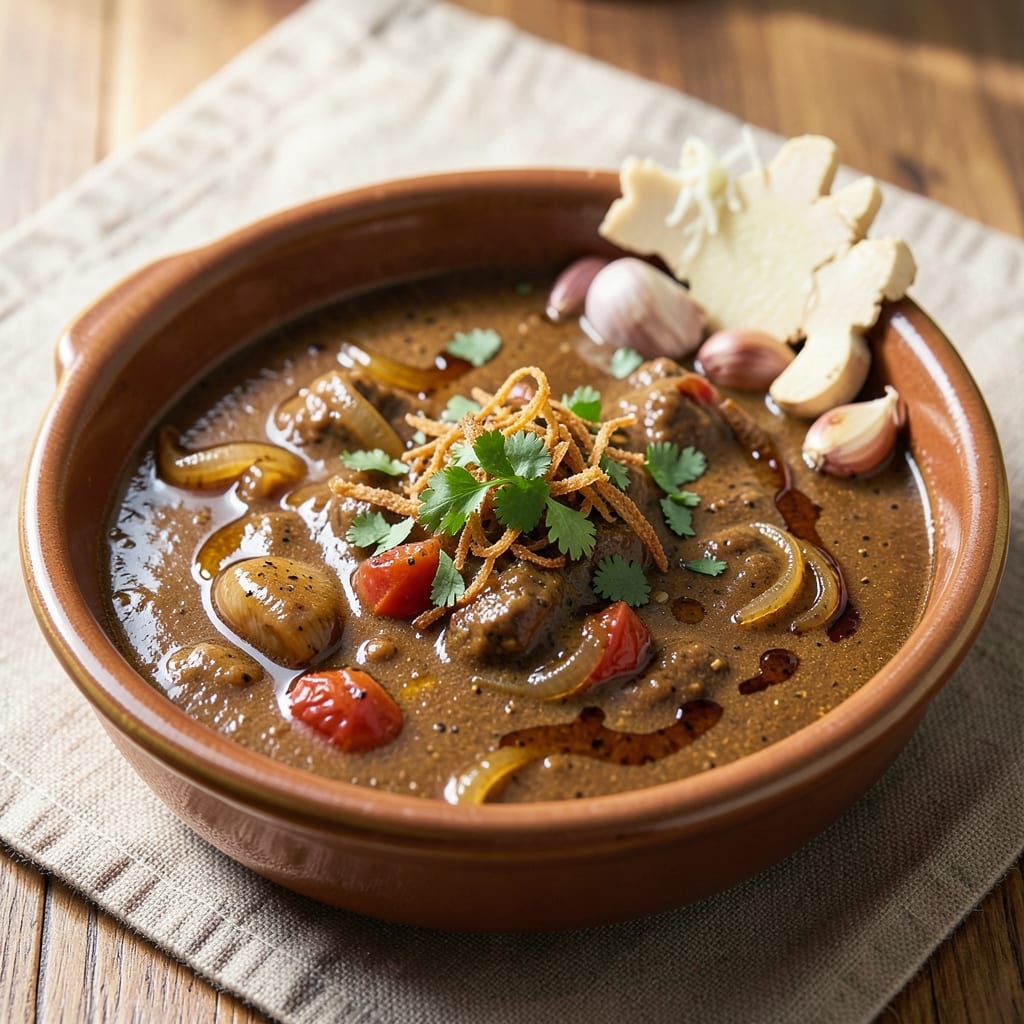
This authentic butter chicken sauce recipe delivers the rich, balanced depth that defines Indian restaurant favorites. The secret lies in a precise tomato-tamarind blend that creates that signature tangy-sweet foundation, then simmered with aromatic spices until velvety. After years of perfecting this sauce, I can confidently say it transforms simple grilled chicken into a restaurant-quality masterpiece that's foolproof for home cooks.
The technique begins with blooming whole spices in hot ghee, which develops complex aromatics before adding tomato paste and tamarind for that essential tang. A touch of cream at the end creates the signature richness without making the sauce overly heavy. What makes this recipe truly special is the balance—sweet from tomatoes, tang from tamarind, and warmth from garam masala—all working in perfect harmony.
By the time you're done, you'll have a vibrant, aromatic sauce that's perfect for coating chicken or serving as a dip. The texture is silky yet substantial, with just enough body to cling to every bite. This sauce keeps well in the refrigerator for up to 5 days or can be frozen for longer storage, making it perfect for meal prep.
The best part? This recipe delivers authentic restaurant-quality results without requiring specialized equipment. With just 10 ingredients and about 45 minutes of active time, you'll have a sauce that's worth every minute of simmering. Let's get started on creating this flavor-packed essential for your Indian cooking repertoire.
Ingredients for authentic butter chicken sauce
Ten ingredients, infinite flavor—this sauce is the heart of butter chicken magic.
| Ingredient | Amount | Notes |
|---|---|---|
| Ghee 🧈 | ½ cup | Clarified butter for rich aroma |
| Tomato Paste 🍅 | ½ cup | High-quality, no sugar added |
| Tamarind Paste 🍈 | 2 tbsp | For signature tangy depth |
| Fresh Garlic Cloves 🧄 | 6 cloves | Minced for aromatic punch |
| Fresh Ginger 🌿 | 1 tbsp | Grated, for zesty warmth |
| Garam Masala 🌶️ | 1 ½ tbsp | Whole spices preferred |
| Ground Cumin 🌿 | 1 tsp | Toasted for deeper flavor |
| Ground Coriander 🌿 | 1 tsp | Freshly ground preferred |
| Heavy Cream 🥛 | ½ cup | Full-fat for richness |
| Water 💧 | ½ cup | For adjusting consistency |
The ghee is non-negotiable here—it carries those incredible aromatic spices like nothing else. Gujarat brand ghee from Indian markets has the best flavor, but any high-quality ghee works. The tamarind paste? Look for blocks at specialty stores—they're easier to control than pre-packaged pastes. Fresh ginger and garlic should be vibrant, not woody. For garam masala, MDH or Everest are the gold standards, but any blend with cardamom, cinnamon, and cloves will work. Toast your whole spices lightly before grinding for even deeper flavor—trust me on this.
No tamarind paste? Lemon juice or vinegar at half the amount gets you close, but the tang won't be quite the same. Running low on ghee? Butter works in a pinch, though it'll add a slight milk flavor. The tomato paste can be swapped for pureed tomatoes, but San Marzano cans are worth it—they're sweeter and more consistent. For a creamier finish without heavy cream, coconut milk adds a subtle sweetness that pairs beautifully. Just remember: the balance between sweet, tangy, and spicy is what makes this sauce sing.
This sauce keeps beautifully—5 days in the fridge or 3 months frozen. For freezing, portion into ice cube trays before transferring to bags. The texture thickens as it cools, so add water as needed when reheating. A splash of warm water before serving brings it back to that perfect silky consistency. Make a double batch—you'll want this on hand for everything from grilled chicken to naan dips.
Why You'll Love This Recipe
- Pantry Magic: This sauce comes together with ingredients you’re already using—no obscure spices required. The tamarind paste cuts through the richness of ghee while keeping that tangy depth, and the tomato paste? It’s the secret to that velvety texture without hours of simmering.
- Layered Depth: Honestly, the ginger and garlic aren’t just background players—they’re the stars. When you fry them in ghee until golden, that nutty aroma blends with the tamarind’s sharpness and the sweetness of the tomatoes. It’s the kind of balance that makes you go back for seconds without even realizing it.
- Weeknight Hero: Between us, this is my go-to when I’m too tired to fuss. Toss it with store-bought chicken or use it as a marinade, and suddenly you’ve got restaurant-quality flavor with minimal effort. (Yes, even on a Tuesday night when takeout menus feel overwhelming.)
- Budget-Friendly Luxury: A jar of tomato paste and a block of tamarind make this sauce ridiculously affordable—way cheaper than pre-made versions. Plus, it keeps for days in the fridge, so you’re not scrambling to use it all up. That ghee might sound fancy, but a little goes a long way.
Step-by-step instructions for authentic butter chicken sauce
This sauce delivers that signature tangy richness—where tomato and tamarind unite in perfect harmony.
Bloom the Spices in Ghee
Heat the 0.5 cup ghee in a heavy-bottomed saucepan over medium-low heat. Once the ghee is shimmering but not smoking, add the 1.5 tablespoons garam masala, 1 teaspoon ground cumin, and 1 teaspoon ground coriander. Stir constantly for 1-2 minutes until the spices release their aromatic oils and fill your kitchen with warm, earthy fragrance.
This step is where the magic begins—blooming the spices in ghee unlocks their full potential. You'll see the spices darken slightly and smell their complex layers of cardamom, cinnamon, and clove. If you notice any spices burning (they'll darken too quickly and smell acrid), immediately reduce the heat to low and keep stirring. The goal is to toast, not char.
Add Aromatics and Cook Until Fragrant
Lower the heat to medium and add the 6 cloves minced fresh garlic and 1 tablespoon grated fresh ginger. Cook for 2-3 minutes until the garlic turns golden and the ginger loses its raw bite. You'll know it's ready when the kitchen smells like a bustling Indian street—bright, zesty, and irresistibly aromatic.
Don't rush this step. The garlic should sizzle gently without browning too quickly, which would turn bitter. If it starts to darken too fast, pull the pan from heat for 30 seconds to cool slightly before continuing. The aromatics form the flavor foundation of this sauce, so take your time here.
Build the Tomato-Tamarind Base
Add the 0.5 cup tomato paste and 2 tablespoons tamarind paste, stirring vigorously to combine. Increase heat to medium-high and cook for 8-10 minutes until the mixture darkens to a deep, glossy red and thickens slightly. You're looking for a consistency that coats the back of a spoon but still flows smoothly.
The tamarind paste is what makes this sauce authentically tangy—it cuts through the richness of the ghee and cream. If you notice the mixture sticking to the pan, add 1-2 tablespoons of water to help it release. This is also where the sauce develops its signature depth of flavor, so don't skip this cooking time—it's essential for building complexity.
Finish with Cream and Adjust Consistency
Reduce heat to low and stir in the 0.5 cup heavy cream. Simmer gently for 3-4 minutes, stirring occasionally, until the sauce is velvety and slightly thickened. If it's too thick for your preference, add the remaining 0.5 cup water 1 tablespoon at a time until you reach a luscious, spoonable consistency.
This is where the sauce comes together—creamy yet balanced, rich yet tangy. Taste and adjust seasoning with additional salt if needed (though the tamarind and spices should provide enough depth). For an extra layer of authenticity, you can finish with a pinch of kasuri methi (dried fenugreek leaves) if you have it on hand, but it's not required.
Rest and Refine the Flavor
Remove the sauce from heat and let it sit for 5-10 minutes. This resting period allows the flavors to meld and deepen. Give it a final taste—you should notice the spices have softened, the tang has mellowed slightly, and the overall flavor has become more cohesive and complex.
The sauce should now be ready to pair with grilled chicken, naan, or basmati rice. If you're using it immediately, reheat gently over low heat to maintain its creamy texture. For best results, store any leftovers in an airtight container in the refrigerator for up to 5 days, or freeze for up to 3 months. When reheating, add a splash of water or cream to restore the desired consistency.
Pro Tips For Making Authentic Butter Chicken Sauce
- Bloom the Tomato Paste: After adding ghee, let the tomato paste sit undisturbed for 3-4 minutes—it’ll darken and deepen in flavor before you even stir. I used to rush this, and the sauce always tasted flat; patience here makes a real difference.
- Grind Ginger-Garlic Wet: Pulse fresh ginger and garlic with a splash of water (about 1 tablespoon) before adding to the sauce—this prevents burning and ensures a smoother, more even distribution. Sounds weird, but it works: your sauce won’t taste like charred bits.
- Low and Slow for Tamarind: Simmer the tamarind paste on the lowest heat possible after adding it—too much heat kills its tangy depth. I learned this the hard way when my sauce turned bitter; keep it gentle, even if it takes longer.
- Toast Garlic Separately: Sauté minced garlic in a dry pan until golden (about 2 minutes) before adding it to the sauce—this adds nutty depth without overpowering. Skip this, and your sauce will taste one-note; do it, and the flavor jumps.
Common mistakes when making your authentic butter chicken sauce
Skipping the Tamarind
Tamarind paste is what gives butter chicken its signature tangy depth, but I've seen many cooks skip it or substitute with lemon juice. The problem? Lemon juice lacks the complex sour-sweet profile tamarind provides. If you must substitute, use 1 tbsp lemon juice + ½ tsp sugar—but it won't be quite the same. For authentic results, track down tamarind paste at Indian grocery stores or online. The block form gives you better control over the amount. 🍈
Overcooking the Spices
When blooming the spices in ghee, it's easy to let them burn if you're not paying attention. I've seen many sauces turn bitter because the spices were toasted too long or at too high heat. Keep the temperature at medium-low and stir constantly—you want the spices to darken slightly but not char. If they start smoking, immediately reduce heat to low and keep stirring. The goal is to release their aromatic oils, not burn them.
Adding Cream Too Early
Some recipes call for adding cream right after the tomato-tamarind base, but this can make the sauce separate or curdle. The cream needs to be added at the very end when the sauce is already simmering gently. Stir it in over low heat for just 3-4 minutes—any longer and you risk breaking the emulsion. If your sauce looks too thick after adding cream, thin it with 1 tbsp water at a time until it reaches a smooth, velvety consistency.
Ignoring the Resting Time
Rushing to serve the sauce immediately after cooking is a common mistake. The flavors need 5-10 minutes to meld and deepen during the resting period. Skipping this step means your sauce will taste disjointed—spices too sharp, tang too harsh. If you're in a hurry, at least let it sit for 5 minutes before serving. For even better results, let it rest overnight in the refrigerator—this allows the flavors to fully integrate and develop even more complexity.
Using Low-Quality Ghee
Not all ghee is created equal, and using inferior ghee can make your sauce taste flat or even slightly metallic. I recommend Gujarat brand ghee from Indian markets, which has a rich, nutty flavor. If you can't find it, look for grass-fed ghee from reputable brands like Ancient Organics or 4th & Heart. Avoid vegetable ghee substitutes—they lack the depth of flavor that makes this sauce truly special. The ghee carries the spices and adds that luxurious richness, so don't skimp here.
Skipping the Water Adjustment
Some cooks assume the sauce will be the perfect consistency after simmering, but that's rarely the case. The sauce thickens as it cools, so it's essential to adjust the consistency with water while it's still warm. If it's too thick, add 1 tbsp water at a time until it reaches a luscious, spoonable consistency. If you wait until it's cold to adjust, you might find it too thick to work with. This step ensures your sauce has that perfect balance of richness and flow, making it ideal for coating chicken or serving as a dip. 💧
Nutrition facts
Frequently asked questions
Can I make this butter chicken sauce without tamarind?
While tamarind is essential for authentic tang, you can substitute with 1 tbsp lemon juice + ½ tsp sugar for a similar sour-sweet balance. However, tamarind's complex flavor profile makes it ideal—look for blocks at Indian markets for best results.
How do I adjust the spice level in this sauce?
For milder heat, reduce the garam masala to 1 tbsp and omit the cayenne if added. For extra spice, include ½ tsp red chili powder with the spices or add a pinch of cayenne at the end. Always taste as you go!
Can I use coconut milk instead of heavy cream?
Yes! Coconut milk adds a subtle sweetness that works beautifully. Use ½ cup full-fat coconut milk and reduce the water by 2 tbsp to maintain balance. The sauce will have a slightly different texture but still be rich and flavorful.
How long does this sauce keep in the fridge?
The sauce stays fresh for up to 5 days in an airtight container. For longer storage, freeze portions in ice cube trays, then transfer to a bag. When reheating, add water or cream to restore consistency. The flavors actually improve after resting overnight!
What's the best way to use leftover sauce?
This versatile sauce works perfectly with grilled chicken, naan, or even as a dip for samosas. For extra flavor, simmer with 1 tbsp yogurt before serving. It also makes a fantastic base for butter chicken wraps or rice bowls.