
Main Courses
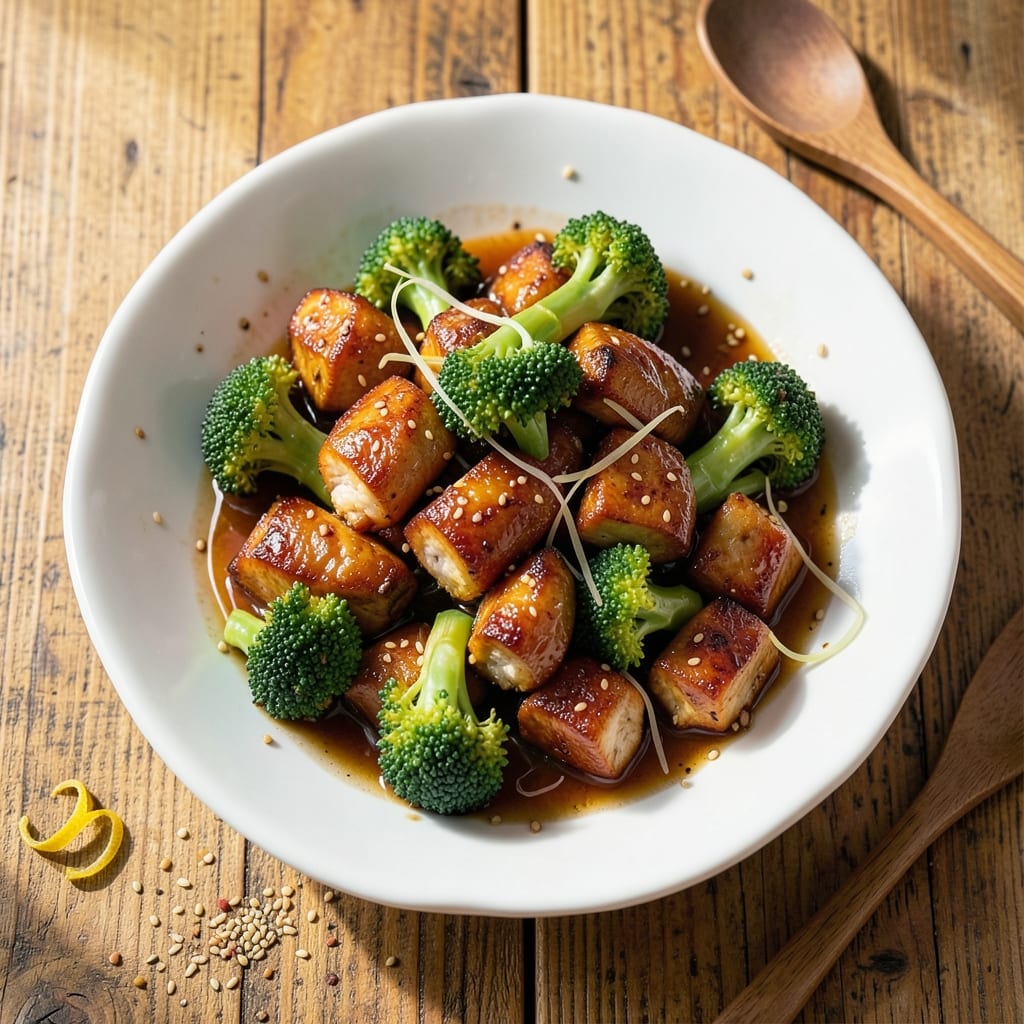
This authentic Chinese chicken and broccoli stir fry delivers the wok-heated sauce and umami depth you crave—just like your favorite takeout, but better. I spent years perfecting the technique of high-heat searing and sauce integration, ensuring every bite balances sweet, salty, and savory notes. The secret lies in the sauce: a harmonious blend of soy sauce, oyster sauce, and a touch of sugar that caramelizes beautifully during stir-frying.
What sets this recipe apart is the wok hei—that signature smoky aroma from properly heated wok—paired with tender chicken and crisp-tender broccoli. We'll achieve this with a few key steps: velvety chicken pieces, broccoli that stays bright green yet tender-crisp, and a sauce that clings perfectly. The process is straightforward but demands attention to timing and heat control for authentic results.
The final dish features golden chicken with a glossy sheen, vibrant broccoli florets, and a sauce so flavorful it coats every bite. Garnished with toasted sesame seeds and chopped scallions, it’s restaurant-quality without the fuss. Serve over steamed jasmine rice to complete the experience—this stir fry is designed to impress even the most discerning palates.
Confession: I once burned three batches of chicken before mastering the high-heat technique, but this method is foolproof once you understand the rhythm. Let’s recreate that takeout magic at home with a dish that’s both comforting and sophisticated.
Ingredients for authentic chinese chicken and broccoli stir fry
Pantry staples meet wok magic—here's what you need for restaurant-quality chicken and broccoli stir fry.
| Ingredient | Amount | Notes |
|---|---|---|
| Boneless Chicken Thighs 🍗 | 1 ½ lb | Cut into 1-inch pieces |
| Broccoli Florets 🥦 | 3 cups | Medium florets, stems trimmed |
| Light Soy Sauce 🍶 | ½ cup | High-quality brand preferred |
| Oyster Sauce 🦪 | ¼ cup | Thick consistency |
| Sesame Oil 🫒 | 1 tbsp | Toasted for aroma |
| Cornstarch 🌾 | 1 tbsp | For sauce thickening |
| Granulated Sugar 🍯 | 1 tbsp | For caramelization |
| Garlic Cloves 🧄 | 4 cloves | Minced for sauce |
| Fresh Ginger 🌿 | 1 tbsp | Finely grated |
| Neutral Oil 🫒 | 2 tbsp | High smoke point |
| Toasted Sesame Seeds 🌰 | 1 tbsp | For garnish |
| Green Onions 🧅 | 3 whole | Chopped for garnish |
| White Peppercorns 🌶️ | ½ tsp | Freshly ground |
| Jasmine Rice 🍚 | 1 ½ cups | Uncooked, for serving |
The chicken thighs are non-negotiable here—dark meat stays juicier during high-heat searing. Look for bone-in, skin-on thighs at Whole Foods or your local Asian market for better flavor, but boneless works too. Broccoli should be bright green with tight florets—Trader Joe's pre-cut florets save time, but whole heads let you trim stems. Fresh ginger and garlic? Penzeys Spices sells pre-grated ginger if you're short on time, but fresh is always better. For the sauce, Lee Kum Kee oyster sauce is my go-to—it's thick and packed with umami, but any quality brand works. Toast your sesame seeds in a dry pan for 30 seconds—they'll smell amazing and add that authentic crunch.
No oyster sauce? Hoisin sauce plus a splash of soy sauce gets you close, though it won't be identical. Short on fresh ginger? Ground ginger at half the amount, but fresh is worth hunting down. The cornstarch is crucial—it's what makes that glossy sauce cling to everything. If you're out, arrowroot powder works 1:1. For the oil, avocado or grapeseed oil handles high heat better than olive oil. The green onions can be subbed with regular onions if you're out, but they add that fresh bite that's hard to replicate. And if you're worried about the chicken drying out? Marinate it for 20 minutes in 1 tbsp soy sauce before cooking—game changer.
This stir fry reheats beautifully—just add a splash of water and stir. Keeps for 3-4 days in the fridge, though it's best fresh. For leftovers, store in airtight containers with a paper towel to absorb any excess moisture. The sauce thickens as it cools, so you might need to thin it with a splash of water when reheating. Freeze for up to 2 months if you're making a big batch. Pro tip: Double the sauce recipe and freeze half—it's perfect for quick weeknight dinners. And if you're serving a crowd, cook the rice in batches so it stays fluffy.
Why You'll Love This Recipe
- One-Pan Magic: I swear by this recipe when I’m too tired to scrub pots—just toss the chicken, broccoli, and sauce in one skillet, stir, and walk away. The sesame oil finishes with that signature aroma, and the oyster sauce ties everything together without extra dishes.
- Umami Bomb: That combo of light soy and oyster sauce? It’s the secret weapon. The chicken stays juicy while the broccoli gets that perfect crisp-tender bite, and a drizzle of sesame oil at the end adds a nutty punch that makes it taste like you ordered takeout.
- Lunchbox Hero: Between us, this is my go-to for meal prep—it reheats like a dream and keeps its flavor for days. Pack it in containers for work or school, and the kids (or your coworkers) will think you’re a culinary genius. Honestly, I’ve sent leftovers for three days straight.
- Budget Win: Chicken thighs and broccoli are affordable staples, and a little goes a long way. I stretch it into two dinners or a big batch of rice bowls, and the sauce costs pennies compared to restaurant versions. Plus, it’s the kind of dish that makes frugal eating feel indulgent.
Step-by-step instructions for authentic Chinese chicken and broccoli stir fry
Here's how to recreate that wok-heated restaurant experience with deep umami flavor at home.
Cut and Marinate the Chicken
Pat the 1.5 lb boneless chicken thighs completely dry with paper towels—this ensures a proper sear. Cut each thigh into 1-inch pieces and place them in a bowl. In a small dish, mix together 0.5 cup light soy sauce, 1 tbsp sesame oil, 0.5 tsp white peppercorns, and 1 tbsp granulated sugar. Pour this marinade over the chicken and toss to coat evenly. Let it sit for 15-20 minutes at room temperature while you prep the rest.
This marinade does double duty—it tenderizes the chicken while building that essential umami foundation. The sugar in the marinade also helps create a beautiful caramelized crust during cooking. Don't skip the white peppercorns; they add a subtle warmth that's characteristic of authentic Chinese stir fries.
Prepare the Broccoli and Sauce Base
Trim the stems from the 3 cups broccoli florets and cut them into even-sized pieces—this ensures they cook uniformly. Set aside. In a small bowl, whisk together 0.25 cup oyster sauce, 1 tbsp cornstarch, and 1 tbsp minced garlic cloves. The cornstarch will help thicken our sauce beautifully during cooking.
While whisking, I like to add a splash of water—just enough to make the mixture pourable but still thick. This creates a glossy, clinging sauce that coats every piece of chicken and broccoli. The oyster sauce here is non-negotiable—it provides that signature umami depth that separates homemade stir fry from basic versions.
Cook the Chicken Until Golden
Heat a wok or large skillet over high heat until it's smoking hot. Add 2 tbsp neutral oil and swirl to coat. Working in batches if needed, add the marinated chicken pieces and spread them out in a single layer. Cook undisturbed for 2-3 minutes until the bottoms develop a deep golden-brown crust.
This initial sear is crucial—it locks in juices and creates that restaurant-quality texture. If your chicken starts to stick before it's browned, your pan isn't hot enough. Let it cook until you see crispy edges forming, then stir and cook another 1-2 minutes until the chicken is no longer pink in the center. Remove the chicken to a plate and set aside.
Stir Fry the Broccoli and Combine
Add the broccoli florets to the same wok in a single layer. Stir fry for 2-3 minutes until they're bright green and just beginning to soften—you want them to stay crisp-tender, not mushy. Add the 1 tbsp finely grated fresh ginger and stir for 30 seconds until fragrant.
Return the chicken to the wok along with any accumulated juices from the plate. Pour in the sauce mixture and stir vigorously for 1-2 minutes until everything is evenly coated and the sauce has thickened slightly. The residual heat from the chicken will help activate the cornstarch for that perfect glossy finish.
Finish and Serve
Taste and adjust seasoning if needed—you might want to add a splash more light soy sauce or a pinch of sugar to balance flavors. Remove from heat and stir in 1 tbsp toasted sesame seeds and 3 chopped green onions. Serve immediately over 1.5 cups cooked jasmine rice, spooning generous amounts of sauce over each serving.
For the most authentic experience, I like to serve this with a side of steamed bok choy and a small dish of chili crisp for heat. The key to great stir fry is timing—everything should be piping hot when it hits the table, with that perfect balance of crisp vegetables, tender chicken, and glossy sauce. Enjoy your homemade version of this classic dish!
Pro Tips For Making Authentic Chinese Chicken And Broccoli Stir Fry
- CUT CHICKEN SMALLER THAN YOU THINK: I used to eyeball it and end up with unevenly cooked chunks—some raw, some overdone. For this stir-fry, slice the chicken thighs into 1-inch pieces or smaller (think bite-sized). They’ll cook faster and absorb the sauce better, especially when you’re working with a hot wok. And yes, even if you’re impatient like me, resist the urge to make them too big.
- BLANCH BROCCOLI FIRST: Skip the raw crunch—it’s a vibe, but not in this dish. Toss broccoli florets in boiling water for 30 seconds, then shock in ice water. This keeps them bright green and tender-crisp when they hit the wok later. I learned this the hard way after serving mushy broccoli that looked like it had been steamed for 20 minutes.
- USE OYSTER SAUCE LAST: Add oyster sauce with the soy sauce at the very end—right when you’re tossing everything together. Cooking it too long turns it bitter, and that’s a flavor train wreck. A splash of cornstarch slurry (1 tsp cornstarch + 1 tbsp water) thickens the sauce better than just letting it reduce on its own.
- DRY THE CHICKEN WELL: Pat those chicken thighs thoroughly with paper towels before cooking. Wet skin = steam = sad, soggy chicken. I was skeptical until I tried it—I now keep a stack of towels next to my cutting board for this exact reason. The result? Crispy edges that soak up the sauce like a sponge.
Common mistakes when making this dish
Overcrowding the Wok
This is the #1 mistake I see home cooks make—packing too much food into the pan at once. When you overcrowd, the steam from the ingredients lowers the temperature dramatically, leading to soggy chicken and mushy broccoli instead of that perfect crisp-tender texture. I've learned the hard way that a wok should only be ⅓ full when stir-frying. If you're working with 1.5 lbs of chicken, cook it in two batches if needed. This ensures each piece gets that proper sear and stays juicy. 🔥
Skipping the High Heat
Low and slow is the enemy of authentic stir fry. Many home cooks cook this dish at medium heat, which results in bland, rubbery chicken and limp vegetables. Your wok needs to be screaming hot—you should see a smoke ring when you add the oil. If you don't have a wok, a heavy-bottomed cast iron skillet works great. Let it get so hot that a drop of water sizzles violently when it hits the surface. This high heat is what creates that signature wok hei aroma and proper texture.
Underseasoning the Sauce
I've tasted countless homemade versions where the sauce tastes flat because the cook didn't taste as they went along. The sauce needs to be balanced with all five flavors: sweet, salty, sour, bitter, and umami. After combining your sauce ingredients, taste it before adding to the wok. You should be able to detect all components—sweet from the sugar, salty from the soy sauce, and umami from the oyster sauce. If it's lacking, add a pinch more sugar or a splash of soy sauce. Remember, you can always adjust, but you can't un-taste what's missing. ⚡
Not Prepping Ingredients Evenly
Unevenly cut broccoli florets and chicken pieces will cook at different rates, leading to some pieces being overcooked while others remain underdone. Take the time to cut your broccoli into even-sized florets (about 1.5-inch diameter) and your chicken into uniform 1-inch pieces. This ensures everything cooks in the same 2-3 minute window. I like to use kitchen shears for quick, even broccoli cutting—it's faster than a knife and gives consistent results every time.
Ignoring the Resting Time
Many cooks rush to plate the stir fry immediately after cooking, but letting it rest for just 1-2 minutes off the heat makes a huge difference. This brief resting period allows the sauce to fully coat the ingredients and the flavors to meld together. During this time, the residual heat will also help thicken the sauce slightly. I've found that this small pause elevates the dish from good to restaurant-quality. It's also a great time to do a final taste check and adjust seasoning if needed.
Using the Wrong Oil
Not all oils are created equal when it comes to high-heat cooking. Olive oil has a low smoke point and will break down, creating bitter flavors. For stir fry, you need an oil with a high smoke point like avocado oil, grapeseed oil, or peanut oil. These oils maintain their integrity under high heat and won't impart unwanted flavors. I keep a bottle of avocado oil specifically for stir fries—it's my secret weapon for achieving that perfect wok hei aroma without any off flavors. 🌟
Nutrition facts
Frequently asked questions
Can I substitute chicken breast for thighs in this recipe?
You can, but thighs are ideal for stir fry because they stay juicier during high-heat cooking. If using breast, cut into ½-inch thick pieces and marinate for 30 minutes in 1 tbsp cornstarch + 1 tbsp soy sauce to prevent drying. Cook at medium-high heat and remove when just done (5-6 minutes) since breast cooks faster than thighs.
How do I make this vegetarian?
Swap chicken for 1.5 lbs firm tofu (pressed, cubed) or champignons. Toss tofu in 1 tbsp cornstarch before cooking to get crispy edges. For extra umami, add 1 tbsp soy sauce + 1 tsp sesame oil to the marinade. Mushrooms work too—use 8 oz shiitake (sliced) or cremini (quartered) for meaty texture.
Why does my sauce turn out too thin?
This usually happens from one of three issues: not enough cornstarch (add ½ tsp more mixed with water), cooking too slowly (increase heat to high), or adding sauce too early (wait until chicken is nearly done). For instant thickening, mix ½ tsp cornstarch + 1 tsp water and stir in at the end. The sauce should coat a spoon like honey.
Can I meal prep this dish?
Yes, but with a few tweaks. Cook the stir fry as directed, then let it cool completely. Store in airtight containers for 3-4 days in the fridge. Reheat gently in a skillet with 1 tsp water to restore moisture. For freezing, portion into single servings and freeze for up to 2 months. Thaw overnight in the fridge before reheating—microwaving can make the sauce watery.
What's the secret to that smoky wok aroma?
That's wok hei—created by proper heat control and technique! Use a well-seasoned wok or cast iron skillet, heat until smoking, then work quickly. Add a pinch of dried chili flakes or 1 tsp Shaoxing wine to the sauce for extra depth. For more aroma, let the cooked stir fry sit 1-2 minutes off heat before serving—this traps the steam and intensifies flavors.