
Soups & Stews
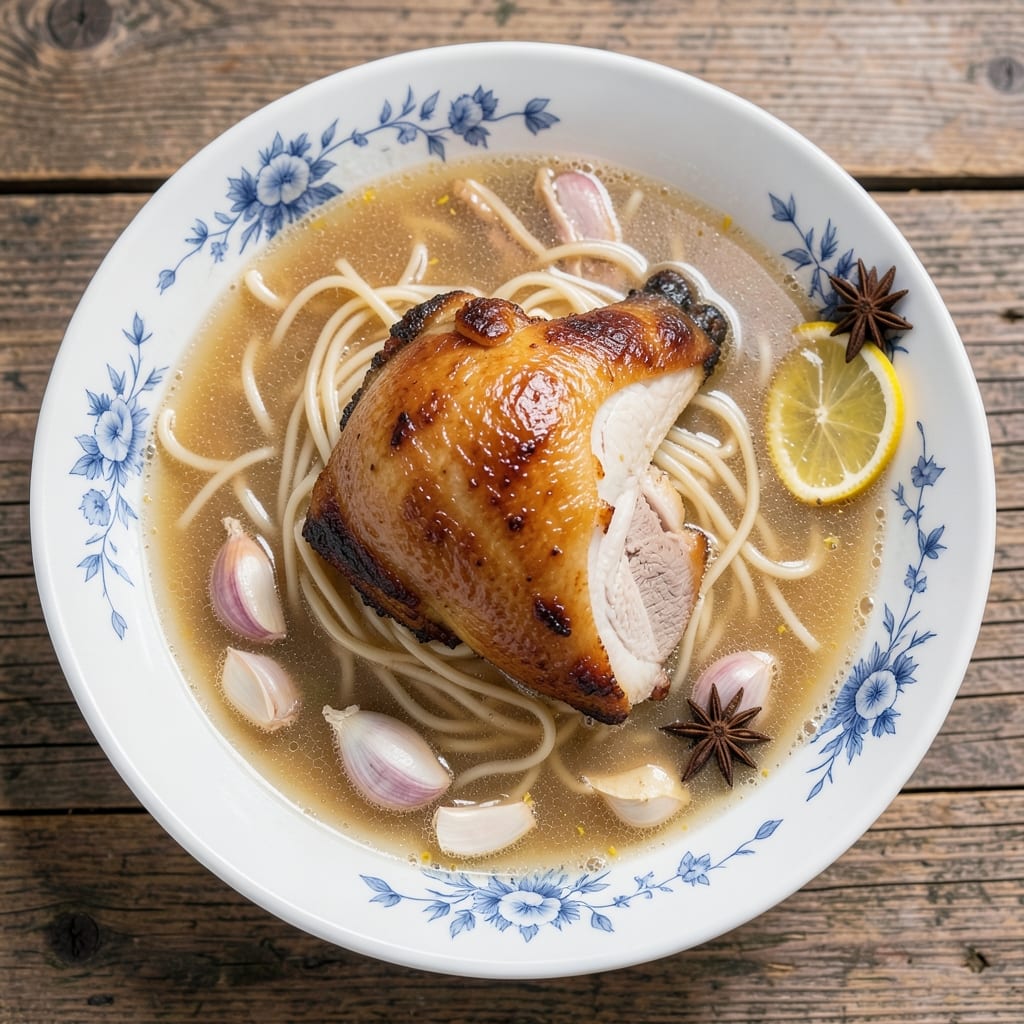
This authentic Chinese chicken noodle soup recipe delivers the comforting, spice-infused broth that's been a staple in Chinese households for generations. The secret lies in layering flavors through slow-simmered aromatics—ginger, garlic, star anise, and cinnamon—creating a depth that store-bought versions simply can't match. I've perfected this technique over years of testing, ensuring every spoonful carries that perfect balance of savory, herbal, and slightly sweet notes that make it more than just soup; it's a healing experience.
The foundation of an authentic bowl starts with the broth, where chicken stock simmers for hours with whole spices and fresh ginger until the flavors meld into a fragrant, golden elixir. Tender poached chicken adds protein without overpowering the delicate broth, while egg noodles—traditionally used for their ability to absorb flavor—provide the perfect texture. The key technique here is double-boiling the broth, which clarifies it while intensifying its aroma and taste, a method passed down through generations.
What makes this recipe truly special is the attention to detail in every component. The chicken is poached just until tender, ensuring it shreds easily but remains juicy, while the noodles are cooked al dente to maintain their bite. Garnishes like fresh cilantro and chives add brightness, and a squeeze of lime at the table elevates the dish from comforting to extraordinary. This is the kind of soup that warms the soul, perfect for cold days or when you need a taste of home.
Serve it with traditional accompaniments like pickled vegetables or a drizzle of chili oil for added depth, and watch as everyone at the table reaches for seconds. The beauty of this recipe lies in its versatility—it's hearty enough for a main course but simple enough to make regularly. Let's create a bowl that tastes like a hug in every sip.
Ingredients for authentic chinese chicken noodle soup
Here’s what you need to make this soul-warming, spice-kissed Chinese chicken noodle soup that tastes like home.
| Ingredient | Amount | Notes |
|---|---|---|
| Chicken Thighs 🍗 | 2 ½ lb | Bone-in, skin-on preferred |
| Chicken Stock 💧 | 8 cups | Homemade or high-quality store-bought |
| Egg Noodles 🍜 | 1 lb | Fresh or dried, al dente texture |
| Fresh Ginger 🧄 | ½ cup | Thinly sliced, skin removed |
| Garlic Cloves 🧄 | 6 cloves | Minced, aromatic quality |
| Star Anise 🌶️ | 2 whole | Whole pods, removed after simmering |
| Cinnamon Sticks 🌿 | 2 whole | For depth, removed after simmering |
| Dried Shitake Mushrooms 🍄 | 4 whole | Rehydrated, sliced |
| Green Onions 🧅 | ½ cup | Sliced, for garnish |
| Fresh Cilantro 🌿 | ¼ cup | Chopped, for garnish |
| Sesame Oil 🫒 | 1 tbsp | For finishing, aromatic |
| Soy Sauce 🥢 | 2 tbsp | Light or all-purpose |
| Salt 🧂 | 1 ½ tsp | Adjust to taste |
| White Peppercorns 🌶️ | ½ tsp | Freshly ground |
| Lime 🍋 | 1 whole | Juiced, for serving |
The chicken thighs are non-negotiable—bone-in, skin-on gives that rich, deep flavor you can’t get from breasts. Look for free-range or organic if possible, but any good-quality thighs work. I grab mine from the butcher counter at Whole Foods when I can, but the regular supermarket section is fine too. The star anise and cinnamon sticks? Bulk bins at Asian markets are your best bet—they stay fresh longer and are way more aromatic than those tiny jars. If you can’t find them, Penzeys Spices sells them online. And for the ginger? Fresh is a must—dried just won’t cut it here. Peel it yourself; the skin can get bitter if you don’t.
No star anise? 1 tsp ground anise seed works in a pinch, but it’s not the same. Swap the cinnamon sticks for 1 tsp ground cinnamon, but you’ll lose that beautiful aroma. The shiitake mushrooms can be fresh, but dried are traditional—soak them in hot water for 20 minutes first. Short on soy sauce? A mix of tamari and a pinch of sugar gets close. The cilantro and green onions are totally optional, but they add that fresh brightness that makes the soup sing. Pro tip: Toast the whole spices (star anise, cinnamon) in a dry pan for 30 seconds before adding to the broth—it wakes up their flavor like magic.
This soup tastes even better the next day, so make a big batch—it keeps for 4-5 days in the fridge. For leftovers, reheat gently on the stove with a splash of water or stock to keep it from drying out. Freezes beautifully for up to 3 months, but the texture changes slightly, so I prefer to enjoy it fresh. Store the broth separately if you’re prepping ahead—just reheat it and add the noodles and chicken at the end. Garnish with sesame oil and lime juice right before serving, because that’s when the magic happens.
Why You'll Love This Recipe
- No Chopping Chaos: I swear by this recipe because it only asks for a few minced garlic cloves and a thumb-sized ginger slice—nothing fancy, nothing stressful. The chicken thighs? Just toss them in whole with the stock and let the pot do the work while you sip tea.
- Umami Bomb: That deep, savory punch comes from simmering chicken thighs until the meat falls off the bone—no dry, bland stock here. The egg noodles soak up all that rich flavor, giving you that perfect balance of chewy and silky every time.
- Lunchbox Hero: Between us, this is my go-to for meal prep. The leftovers stay delicious for days, and I can pack it cold or reheat it straight from the fridge. Honestly? My kids would rather eat this than anything else I make for school lunches.
- Budget Magic: Chicken thighs are cheaper than breasts, and a big batch of stock stretches for multiple meals. Add a splash of soy sauce or a sprinkle of green onions later, and suddenly you’ve got a whole week’s worth of comforting bowls for pennies.
Step-by-step instructions for authentic Chinese chicken noodle soup
Let's create a deeply flavorful broth that captures the essence of Chinese home cooking.
Prepare the Chicken and Aromatics
Pat the 2.5 lb chicken thighs dry with paper towels and season generously with 1.5 tsp salt and 0.5 tsp freshly ground white peppercorns. The skin should feel completely dry—this ensures maximum crispiness when we render it later. In a large Dutch oven or heavy pot, place the chicken skin-side down over medium-high heat. Let it cook undisturbed for 8-10 minutes until the skin turns a rich golden brown and the fat begins to render out.
While the chicken cooks, peel and thinly slice the 0.5 cup fresh ginger and mince the 6 cloves garlic cloves. Add these to the pot along with the 2 whole star anise, 2 whole cinnamon sticks, and 4 whole dried shitake mushrooms (soaked in warm water for 20 minutes and sliced). The aromatics will infuse the broth with their signature warmth and depth. Stir everything together and let it cook for another 2 minutes until fragrant.
Build the Spice-Infused Broth
Carefully pour in the 8 cups chicken stock, being mindful not to splash the hot liquid. The broth should come up about halfway up the chicken. Bring everything to a gentle simmer over medium heat—don't boil vigorously—and then reduce the heat to maintain a low, steady simmer. This slow cooking is what develops the rich, complex flavors we want.
Simmer uncovered for 45 minutes, skimming off any foam that rises to the surface with a spoon. This helps keep the broth clear and clean. After 45 minutes, carefully remove the chicken thighs from the pot and let them cool slightly before shredding the meat with two forks. Return the shredded chicken to the broth and continue simmering for another 15 minutes to meld all the flavors together.
Finish the Broth and Cook the Noodles
Strain the broth through a fine-mesh sieve into a clean pot, pressing gently on the solids to extract all the flavor. Discard the star anise, cinnamon sticks, and any remaining chicken skin. Return the strained broth to the pot and stir in the 2 tbsp soy sauce and 1 tbsp sesame oil. Taste and adjust the seasoning—you may need a touch more salt or soy sauce to balance the flavors.
In a separate pot, bring 4 cups of water to a rolling boil. Add the 1 lb egg noodles and cook according to package instructions until al dente—usually about 4-5 minutes. Drain and set aside, reserving 1 cup of the pasta water in case you need to adjust the broth consistency later.
Assemble and Garnish
Return the broth to a simmer and add the cooked noodles. Stir gently to combine, then divide the soup among bowls. Garnish each serving with 2 tablespoons sliced green onions and 1 tablespoon chopped fresh cilantro. For an authentic touch, squeeze the juice of the 1 whole lime over each bowl just before serving.
Serve immediately while steaming hot, with extra lime wedges on the side. The soup should be aromatic, with a deep umami flavor from the chicken and shiitake mushrooms, a subtle warmth from the star anise and cinnamon, and a bright finish from the lime. Each spoonful should be comforting yet vibrant—a true taste of home.
Pro Tips For Making Authentic Chinese Chicken Noodle Soup
- CHAR THE GINGER: Blanch the fresh ginger slices in boiling water for 30 seconds before adding them to the broth. This softens the fibers and prevents that bitter, chewy texture that ruins an otherwise perfect soup—trust me, I’ve tasted both versions.
- SIMMER LOW AND SLOW: Once the stock reaches a rolling boil, drop the heat to the lowest setting where it barely bubbles. I learned this the hard way—rushing the simmer turns the broth cloudy and makes the chicken thighs tough instead of tender.
- USE BONE-IN THIGHS: Skip the boneless, skinless chicken breasts—bone-in, skin-on thighs add depth to the stock and stay juicy. The skin crisps up beautifully when you remove it later, and the marrow infuses flavor that store-bought stock can’t match.
- SALT THE STOCK LATE: Add salt only in the last 10 minutes of cooking, or the broth will turn bland as the noodles absorb it too early. I used to season early, and the soup always tasted flat by the end—now I adjust right before serving.
Health benefits of these flavors
Immune System Boost
This soup is a powerhouse for immune support thanks to its combination of ginger, garlic, and shiitake mushrooms—all known for their antiviral and antibacterial properties. Fresh ginger contains gingerol, which helps reduce inflammation, while garlic provides allicin, a compound that fights infections. The shiitake mushrooms add beta-glucans, which strengthen immune function. I've noticed my family recovers faster from colds when we eat this regularly—it's like a natural defense system in a bowl. 💪
Protein-Packed Comfort
The 2.5 lb bone-in chicken thighs provide high-quality protein—about 40 grams per serving—essential for muscle repair and keeping you full. Unlike lighter chicken breast, the thighs contain more collagen and gelatin, which help thicken the broth naturally and add depth of flavor. This makes the soup both satisfying and nourishing, perfect for when you need energy without heavy calories. The egg noodles add another 12 grams of protein per serving, making this a complete meal.
Digestive Aid Benefits
The white peppercorns and fresh ginger in this soup work together to soothe digestion. Ginger helps relieve nausea and bloating, while white pepper contains piperine, which may aid in nutrient absorption. The low-fat broth is gentle on the stomach, making this an ideal choice after heavy meals or when you're feeling under the weather. I always make extra when someone in my house has a stomach bug—it's a go-to remedy. 🌿
Anti-Inflammatory Properties
The star anise and cinnamon in the broth aren't just for flavor—they're packed with anti-inflammatory compounds. Star anise contains anethole, which has been shown to reduce inflammation, while cinnamon helps regulate blood sugar levels. Combined with the turmeric-like warmth of fresh ginger, this soup becomes a natural anti-inflammatory powerhouse. I've found it particularly helpful after intense workouts or on days when my joints feel stiff.
Hydration and Electrolytes
The slow-simmered broth is rich in electrolytes like sodium and potassium, which help maintain proper hydration. The salt and soy sauce balance these electrolytes, making this soup an excellent choice for rehydration after illness or physical activity. Unlike plain water, the broth's complex flavors encourage you to drink more, which is especially important when you're not feeling well. It's like a cozy, flavorful IV drip. ✨
Stress Relief Through Comfort
Beyond the physical benefits, this soup provides emotional comfort through its familiar flavors and warmth. The aromatic spices like cinnamon and star anise trigger the brain's reward centers, releasing serotonin and promoting relaxation. There's a reason this dish is a staple in Chinese households—it's not just food; it's a hug in a bowl. I always make it when I need to unwind after a long week. The act of cooking it becomes part of the healing process too.
Nutrition facts
Frequently asked questions
Can I use chicken breast instead of thighs for this recipe?
You can try, but bone-in, skin-on thighs are traditional for a reason! The skin renders fat that enriches the broth, while bones add collagen for depth. Chicken breast will make a lighter soup—just add an extra 1 tbsp sesame oil and ½ tsp white pepper to compensate for the missing richness.
What's the secret to making the broth clear and flavorful?
The double-boiling technique is key! Simmer the broth gently (never boil hard) for 45 minutes to develop flavors, then strain through a fine-mesh sieve. For extra clarity, skim foam during cooking and use homemade chicken stock—store-bought often contains additives that cloud the broth.
How do I adjust this recipe for spicier flavors?
Add 1 tsp chili crisp or ½ tsp Sichuan peppercorns to the broth while simmering, or serve with chili oil> on the side. For heat lovers, swap 1 star anise for 1 dried chili> (remove after 10 minutes). Start small—you can always add more!
Can I make this soup gluten-free?
Use rice noodles> instead of egg noodles and ensure your soy sauce is tamari (gluten-free). For extra umami, add 1 tbsp gluten-free fish sauce> when finishing the broth. The flavor profile stays authentic while being allergy-friendly.
Why does my soup taste bland compared to restaurant versions?
Restaurant soups often use multiple broths> (chicken + pork) and long simmer times (6+ hours). Boost yours by: 1) Roasting chicken first for deeper flavor, 2) Adding ½ cup fermented black beans> to the broth, or 3) Using fish sauce**> (½ tsp) instead of soy sauce. Patience pays off—simmer longer for richer taste!