
Main Courses
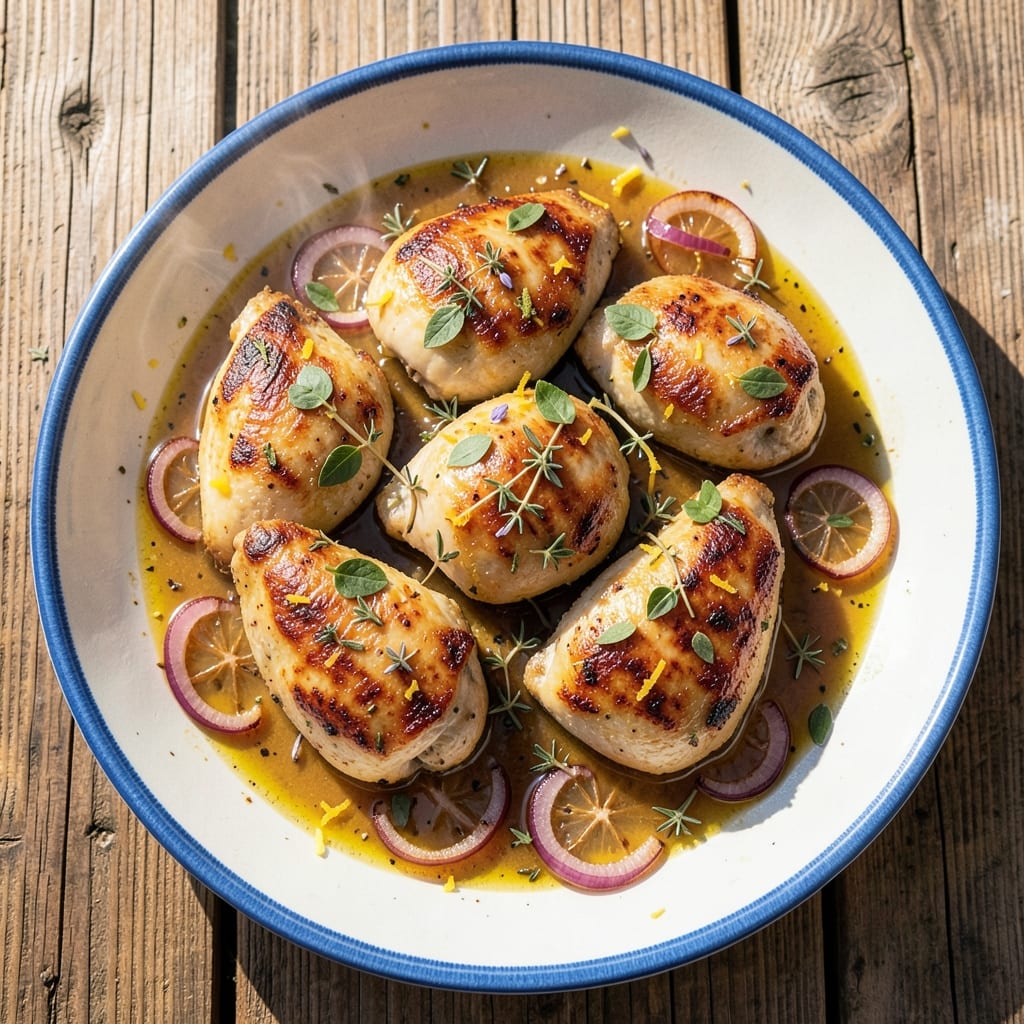
This authentic Greek lemon chicken recipe brings sun-drenched Mediterranean flavors to your kitchen with a bright citrus marinade and fragrant herbs. After perfecting this dish during a trip to Santorini, I learned that the secret lies in balancing lemon's acidity with olive oil and fresh oregano—creating a tender, herb-kissed chicken that practically melts in your mouth. The technique transforms simple ingredients into restaurant-quality results without complicated steps.
What makes this recipe truly special is the marinade, where fresh lemon juice and zest infuse the chicken with vibrant flavor while tenderizing the meat. I use a blend of olive oil, garlic, and Mediterranean herbs like oregano and thyme, which are essential for that authentic Greek taste. The key is letting the chicken marinate for at least 4 hours—or overnight for maximum flavor penetration—so every bite delivers that perfect balance of tangy, herby goodness.
When it's time to cook, you'll have two options: grill for that smoky char or bake for even heat distribution. Either method yields tender, juicy chicken with a golden crust. The result is a dish that's light yet satisfying, perfect for a summer dinner or family gathering. The bright lemon and fresh herbs will transport you straight to a Greek island table.
Pair this lemon chicken with traditional sides like lemon potatoes or a simple orzo salad to complete the meal. The dish keeps well for up to 3 days, making it ideal for meal prep. Here's everything you need to bring authentic Greek flavors to your kitchen.
Ingredients for authentic greek lemon chicken
Bright citrus and fragrant herbs transform simple chicken into restaurant-quality Greek perfection.
| Ingredient | Amount | Notes |
|---|---|---|
| Boneless, Skinless Chicken Thighs 🍗 | 1 ½ lb | Medium size, even thickness |
| Fresh Lemon Juice 🍋 | ½ cup | From 2-3 large lemons |
| Lemon Zest 🍋 | 1 tbsp | From 1 large lemon |
| Extra-Virgin Olive Oil 🫒 | ⅓ cup | Light fruity variety |
| Fresh Oregano Leaves 🌿 | ¼ cup | Finely chopped, packed |
| Fresh Thyme Leaves 🌿 | 1 tbsp | Chopped, stems removed |
| Garlic Cloves 🧄 | 4 cloves | Minced, fresh preferred |
| Salt 🧂 | 1 ½ tsp | Diamond Crystal kosher |
| Ground Black Pepper 🌶️ | ½ tsp | Freshly ground |
| Honey 🍯 | 1 tbsp | Wildflower preferred |
| Red Wine Vinegar 🍷 | 1 tbsp | Dry, good quality |
| Fresh Rosemary 🌿 | 1 tbsp | Finely chopped leaves |
The chicken thighs are the star—medium size gives you that perfect balance of flavor and tenderness. Look for thighs with good marbling at the grocery store, usually near the chicken breasts. If you can't find fresh oregano, dried works at half the amount, but trust me, fresh makes all the difference. The lemon juice and zest are non-negotiable for that authentic Greek brightness. I always grab extra lemons—half for the marinade, half for garnish at the end. The olive oil should be fruity and light, not bitter or heavy—California extra-virgin is my go-to.
No fresh herbs? Dried oregano and thyme will work in a pinch, but reduce to about one-third the amount. Running low on red wine vinegar? Lemon juice or apple cider vinegar works just as well. The honey adds depth—if you don't have it, maple syrup works too. For the garlic, I like to use roasted garlic for a milder flavor, but fresh minced gives that sharp kick. The marinade keeps for up to 3 days in the fridge, so make extra—it's perfect for drizzling over grilled veggies too.
Marinate the chicken for at least 4 hours, but overnight is best—this is where the magic happens. Store any leftover marinade in a sealed jar in the fridge for up to 3 days. The cooked chicken reheats beautifully—just warm in a skillet with a splash of water. I always make a double batch because it disappears fast. Leftovers keep for 3 days in the fridge or 3 months frozen. The flavors only get better after a day or two, so don't hesitate to make extra for lunches.
Why You'll Love This Recipe
- Same recipe, different vibes: toss it on the grill for summer BBQs or bake it for a cozy family meal. The oregano’s earthy punch and lemon’s freshness make it feel special without the fuss.
- No-Fuss Pantry Staples: I swear by this recipe because it uses ingredients I already have—olive oil, lemon, oregano—no obscure spices or last-minute grocery runs. Just pull those thighs out of the fridge, toss in fresh herbs, and let the lemon work its magic while you sip your coffee.
- Citrus-Kissed Magic: That bright lemon zest and juice? It’s the secret weapon here. The chicken stays juicy inside with a crisp, tangy crust—like a Mediterranean vacation in every bite. (Yes, even on a Tuesday night.)
- Weeknight to Dinner Party: Same recipe, different vibes: toss it on the grill for summer BBQs or bake it for a cozy family meal. The oregano’s earthy punch and lemon’s freshness make it feel special without the fuss.
Step-by-step instructions for authentic Greek lemon chicken
Here's how to bring authentic Greek flavors to your kitchen with this bright, herb-kissed dish.
Marinate the Chicken for Maximum Flavor
In a large bowl, combine the 0.5 cup fresh lemon juice, 1 tbsp lemon zest, 0.33 cup extra-virgin olive oil, 0.25 cup fresh oregano leaves, 1 tbsp fresh thyme leaves, 4 cloves minced garlic, 1.5 tsp salt, 0.5 tsp ground black pepper, 1 tbsp honey, 1 tbsp red wine vinegar, and 1 tbsp fresh rosemary. Mix everything thoroughly until the marinade is well blended and fragrant.
Place the 1.5 lb boneless, skinless chicken thighs in a resealable plastic bag and pour the marinade over them. Gently massage the marinade into the chicken to ensure even coating. Seal the bag and refrigerate for at least 4 hours, or preferably overnight. This long marinating time allows the citrus and herbs to deeply penetrate the meat, creating that signature Greek brightness and tenderness.
Sear the Chicken for Perfect Texture
Remove the chicken from the marinade (reserve the marinade for later) and pat it dry with paper towels. Heat a large skillet over medium-high heat and add the chicken thighs, skin-side down if they had skin (though these are skinless). Cook for 4-5 minutes per side until the chicken develops a golden-brown crust and reaches an internal temperature of 165°F when measured with a meat thermometer.
Here's the thing—don't overcrowd the pan. Cook the chicken in batches if needed to maintain even heat. The goal is that golden-brown sear that traps all those beautiful marinade flavors inside. Once seared, transfer the chicken to a plate and tent loosely with foil to keep warm while you finish the sauce.
Create the Signature Lemon-Herb Sauce
Return the reserved marinade to the now-empty skillet over medium heat. Bring it to a gentle simmer and let it reduce for 3-4 minutes until slightly thickened. The sauce should coat the back of a spoon but still be light enough to drizzle. Taste and adjust seasoning if needed—this is where all those bright flavors come together.
Real talk: If the sauce seems too thick, you can add a splash of water or chicken broth to loosen it. The key is to maintain that perfect balance of sweetness from the honey, acidity from the lemon and vinegar, and herby depth from the oregano and rosemary. This sauce is what makes this dish authentically Greek—bright, fresh, and full of Mediterranean character.
Finish and Serve with Confidence
Pour the reduced sauce over the seared chicken and let it sit for 1-2 minutes to allow the flavors to meld together. The chicken should be coated in that vibrant lemon-herb sauce, ready to serve. For an extra touch, you can sprinkle with additional fresh herbs if you have any left.
Serve immediately over crusty bread, with a side of roasted vegetables or a simple Greek salad. The chicken should be juicy and tender with that perfect golden crust, and each bite should deliver that bright, citrusy punch that makes this dish so special. This is the kind of recipe that tastes even better the second time you make it—once you've mastered the marinating technique and balanced those flavors just right.
Pro Tips For Making Authentic Greek Lemon Chicken
- Sear First, Simmer Slow: Hit the chicken thighs hard in a screaming-hot pan with olive oil for 2-3 minutes per side until deep golden. Then drop the heat to medium-low and add your lemon juice—this two-step keeps the crust crisp while the acid tenderizes properly. (Yes, even if you’re impatient like me, resist the urge to rush this.)
- Zest Before Juicing: Use a microplane to zest the lemon before juicing it—this adds bright, aromatic layers that just lemon juice can’t match. Toss the zest straight into the pan with the chicken; it’ll melt into the oil and cling like a citrus hug. (Pro move: save the scraped lemon for tea or garnish.)
- Don’t Crowd the Pan: Chicken thighs need space to brown, not steam. Cook them in a single layer, and if your pan’s too small, work in batches. Overlapping them turns your dish into a sad, soggy lemon bath. (I learned this the hard way—now I use a 12-inch skillet for 4 thighs.)
- Finish with Oregano Heat: Sprinkle fresh oregano leaves after the chicken’s cooked, not before—this keeps their volatile oils from burning off. A handful of torn leaves (not chopped) releases flavor like a slow perfume. (Skip the dried stuff; it’s a shortcut that kills authenticity.)
Wine and beer pairings for this dish
Crisp White Wines
For Greek lemon chicken, I always reach for a crisp white wine that mirrors the dish's bright citrus notes. A Santorini Assyrtiko is my top pick—its mineral-driven acidity and lemony undertones cut through the richness perfectly. If you can't find Assyrtiko, Greek Moschofilero or a dry Riesling from Germany works beautifully too. The key is a wine with high acidity and citrus-forward flavors that complement the lemon marinade. 🍷
Light Red Options
If you prefer red wine, opt for something light-bodied and fruity like a Greek Agiorgitiko from Nemea. This red has bright cherry notes and enough acidity to stand up to the lemon. Another great choice is a Pinot Noir from Oregon or Burgundy—its delicate structure won't overpower the dish. Avoid heavy reds like Cabernet Sauvignon, which would clash with the bright flavors.
Beer Pairings
For beer lovers, a Greek lager like Fix or Mythos is perfect—crisp and light with just enough bitterness to balance the lemon. If you prefer craft beer, try a Belgian witbier with its citrusy coriander notes or a German Helles for a malty contrast. Avoid heavy IPAs or stouts, as they'd overpower the delicate herb and citrus flavors. 🍺
Non-Alcoholic Options
Don't drink alcohol? No problem. A sparkling lemonade made with fresh lemon juice and soda water captures the dish's brightness. For something more substantial, try a Greek mountain tea (like mountain tea with honey)—it's herbal and slightly sweet, complementing the dish's flavors beautifully. Even a cucumber-mint infused water with a squeeze of lemon works wonderfully.
Serving Temperature
Serve white wines and beer chilled between 45-50°F to enhance their crispness. Red wines should be slightly cooler than room temperature—around 55-60°F. The cold temperature helps refresh your palate between bites of the vibrant lemon chicken. Pro tip: I always chill my wine in the fridge for 30 minutes before serving to get that perfect temperature. ✨
Nutrition facts
Frequently asked questions
Can I use chicken breasts instead of thighs?
While you can use chicken breasts, thighs are ideal for this recipe because they stay juicier during cooking. If you must use breasts, marinate them for at least 6 hours (overnight is best) and cook them at medium heat for 5-6 minutes per side to prevent drying out. The lemon marinade helps keep them tender, but breasts are more prone to overcooking.
What's the best way to store leftover marinade?
Store unused marinade in an airtight container in the fridge for up to 3 days. If you've used it on raw chicken, don't reuse it. For extra flavor, simmer the leftover marinade with a splash of water or chicken broth to make a quick sauce for pasta or grilled veggies. The citrus and herbs keep beautifully!
How do I adjust this for a slow cooker?
Marinate the chicken as directed, then place it in your slow cooker with 2 tbsp olive oil and 1 tbsp honey on top. Cook on low for 3-4 hours or high for 2 hours until the chicken reaches 165°F. The sauce will be thinner, so reduce it on the stovetop before serving. Perfect for hands-off cooking!
Why does my chicken turn out dry?
Overcooking is the most common cause. Always use a meat thermometer and stop cooking when the internal temp reaches 165°F. Also, avoid crowding the pan—cook in batches if needed. The marinade helps retain moisture, but chicken thighs should never be cooked beyond 5-6 minutes per side for best results.
Can I grill this instead of pan-searing?
Grilling works beautifully for this dish. Preheat your grill to medium-high heat and cook the chicken for 6-8 minutes per side, turning occasionally. The smoky flavor pairs wonderfully with the lemon-herb marinade. Just