
Main Courses
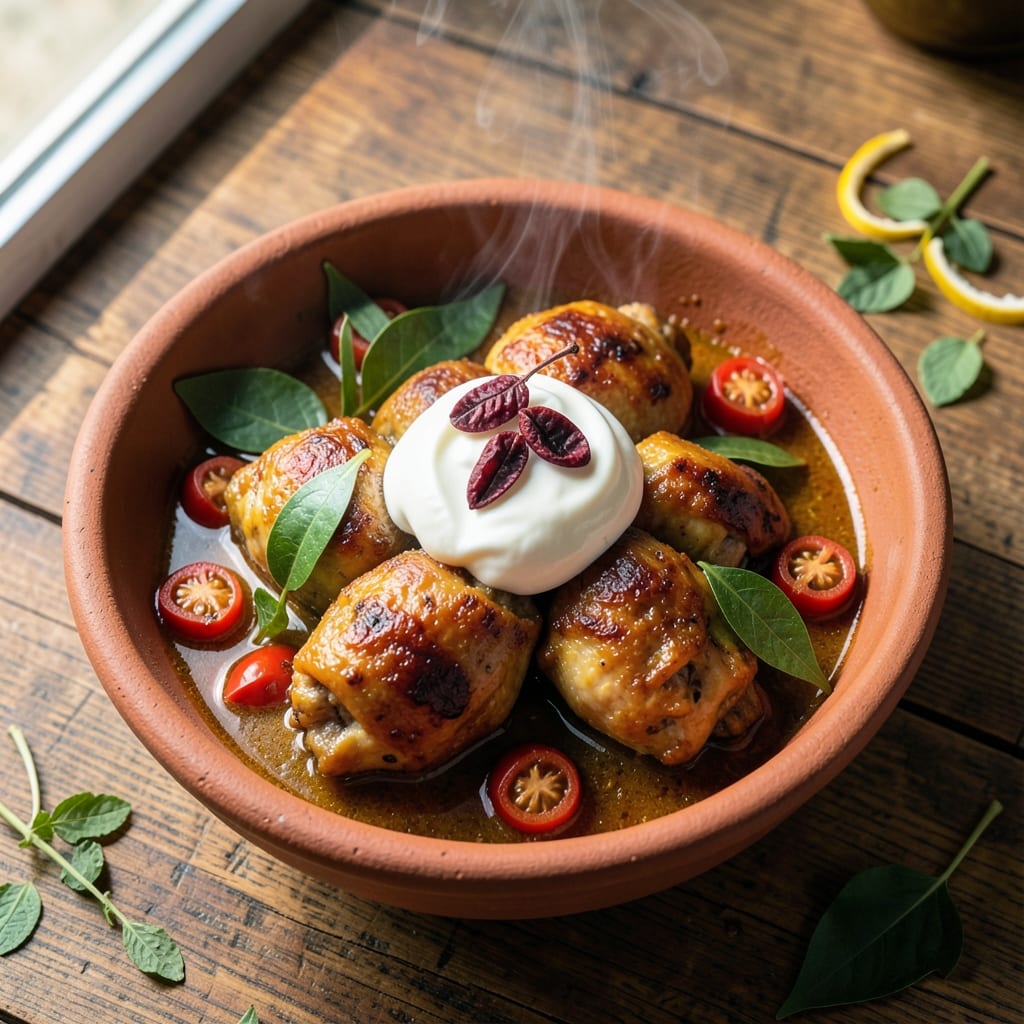
This authentic South Indian chicken curry brings the bold tang of tamarind and kokum to your weeknight dinner table—just like my grandmother used to make. The secret lies in slow-cooking chicken in a fragrant, spiced gravy that balances sweet, sour, and smoky flavors perfectly. I’ve honed this recipe over years of testing, ensuring every bite delivers that signature South Indian depth without requiring hours in the kitchen.
The magic starts with marinating the chicken in yogurt and whole spices, then tempering aromatic seeds in ghee—a technique that layers flavor in every bite. Curry leaves, fenugreek, and black pepper add complexity, while tamarind and kokum create that signature tangy heat. Unlike many shortcut recipes, this one stays true to tradition while being practical for home cooks.
By the end, you’ll have a rich, velvety curry with tender chicken swimming in a sauce that’s both vibrant and deeply flavorful. The aroma alone will transport you to a bustling South Indian kitchen, and the taste? That’s the real reward. Serve it with steamed rice or crispy appam for the full experience.
What sets this recipe apart is its balance—authentic yet approachable, with tips to adjust heat and texture to your preference. Whether you’re cooking for family or craving a taste of home, this curry delivers restaurant-quality results in one pot. Let’s get started!
Ingredients for authentic south indian chicken curry
These bold South Indian flavors transform simple ingredients into restaurant-quality curry.
| Ingredient | Amount | Notes |
|---|---|---|
| Chicken Thighs, Bone-In 🍗 | 1 ½ lb | Cut into 2-inch pieces |
| Plain Whole Milk Yogurt 🥛 | ½ cup | Full-fat preferred |
| Tamarind Paste 🍈 | ¼ cup | Or 2 tbsp tamarind pulp |
| Kokum Dried Fruit 🍇 | ½ oz | Soaked in 1 cup water |
| Ghee 🧈 | ½ cup | Clarified butter for flavor |
| Curry Leaves 🌿 | ¼ cup | Fresh, packed |
| Mustard Seeds 🌰 | 1 tbsp | For tempering |
| Cumin Seeds 🌿 | 1 tbsp | Toasted lightly |
| Dried Fenugreek Leaves 🌿 | 1 tsp | Kasuri methi |
| Black Peppercorns 🌶️ | 1 tsp | Crushed lightly |
| Onion, Whole 🧅 | 1 whole | Medium, finely chopped |
| Garlic Cloves 🧄 | 6 cloves | Minced finely |
| Ginger, Fresh 🧅 | 1 inch | Thinly sliced |
| Tomato, Whole 🍅 | 2 whole | Medium, pureed |
| Salt 🧂 | 1 ½ tsp | Adjust to taste |
| Water 💧 | 1 cup | For kokum soaking |
The chicken thighs are key—bone-in stays juicier. Indian grocery stores often have them pre-cut, but any butcher will do. Look for good marbling, not lean cuts. The yogurt should be plain and full-fat for that signature tang. Whole Foods or Indian specialty markets carry authentic tamarind paste and kokum—if you can't find them, tamarind pulp works in a pinch. Curry leaves are non-negotiable; they give that authentic aroma. Penzeys sells them online if your local store doesn't stock them.
No kokum? Extra tamarind plus a splash of lemon juice mimics the tang. Fresh curry leaves? Dried at half the amount works, but toast them first. The ghee can be swapped for butter, though it won't have the same depth. For the tomatoes, San Marzano cans are ideal, but any good-quality crushed tomatoes do. If you're short on time, pre-chop the onion, garlic, and ginger—just remember to keep them refrigerated until use. The yogurt marinade should sit for at least 30 minutes, but overnight is best.
This curry tastes even better the next day—4-5 days in the fridge, no problem. Freeze portions for 3 months if you're making a big batch. I always double the recipe and freeze half. The sauce thickens as it cools, so add a splash of water if it gets too stiff. Serve with steamed basmati rice or crispy appam for the full experience.
Why You'll Love This Recipe
- No-Marinate Hassle: I swear by this shortcut—just a quick yogurt rub with tamarind and kokum, then let the bone-in thighs slow-cook in ghee. The acidity tenderizes the meat without hours of soaking, and honestly? My lazy Sundays thank me every time.
- Tangy-Tender Magic: That first bite—juicy, crisp-edged chicken with a bright, kokum-tamarind tang cutting through the richness? It’s the ghee that seals the deal, turning simple thighs into something dangerously addictive. (Yes, even my picky dad goes back for seconds.)
- Leftovers That Shine: This curry actually improves the next day—flavors meld deeper, and the yogurt base thickens just enough to coat every bite. I make a double batch on Sundays because reheating it with a splash of water? Absolute perfection. (Bonus: freezes like a dream.)
- Budget-Friendly Luxury: Bone-in thighs stretch further than breasts, and a few dried kokum pieces go a long way—no need for fancy spices. The yogurt and tamarind add depth without cost, so I’m feeding my family a restaurant-worthy meal for half the price. (My wallet’s favorite recipe.)
Step-by-step instructions for tamarind-kokum chicken curry
Let's create this vibrant South Indian curry where tangy tamarind and kokum shine alongside aromatic spices.
Prepare the Kokum-Tamarind Base
First, soak the 0.5 oz kokum dried fruit in the 1 cup water for 15 minutes until it softens. Strain through a fine sieve to extract the liquid, pressing gently to get all the juice. In a small bowl, whisk together the 0.25 cup tamarind paste, the strained kokum liquid, and 0.5 cup plain whole milk yogurt until smooth. This tangy mixture forms the heart of our curry.
I like to taste this mixture at this stage to gauge the balance of sourness and sweetness. If it's too tart, you can add a pinch of sugar later. Set this aside while we prepare the other components. The yogurt helps tenderize the chicken while adding creaminess to the final dish.
Build the Spiced Ghee Tempering
In a heavy-bottomed pot, heat 0.5 cup ghee over medium heat until it shimmers but doesn't smoke. Add 1 tbsp mustard seeds and 1 tbsp cumin seeds and let them sizzle for 30 seconds until they begin to pop and release their aroma. Add the 1 inch fresh ginger and 6 cloves garlic, stirring constantly for 1 minute until the raw smell disappears.
Here's where the magic happens: add the 0.25 cup curry leaves and 1 tsp dried fenugreek leaves. The curry leaves will sizzle dramatically—this is normal and adds incredible flavor. Cook for another 30 seconds until the leaves turn dark green and fragrant. Reduce heat to medium-low and add the 1 whole onion, stirring until it softens and turns golden.
Cook the Chicken and Tomatoes
Add the 1.5 lb chicken thighs cut into 2-inch pieces to the pot, stirring to coat them evenly in the spiced ghee. Cook for 5 minutes until the chicken turns opaque on the outside. Add the 2 whole tomatoes that have been pureed (or blend them first for a smoother sauce) and the kokum-tamarind mixture you prepared earlier.
Bring everything to a gentle simmer, then reduce heat to low. Let it cook uncovered for 20 minutes, stirring occasionally, until the chicken is tender and the sauce thickens slightly. The chicken should pull away from the bone easily when tested with a fork. If the sauce looks too thin, simmer uncovered for another 5 minutes to reduce it.
Finish with Spices and Rest
Add the 1.5 tsp salt and 1 tsp crushed black peppercorns, stirring well to combine. Taste and adjust the seasoning—you might need a bit more salt depending on your yogurt. Let the curry simmer for another 5 minutes to allow all the flavors to meld together.
For the best texture, remove from heat and let the curry rest for 10 minutes. This resting period allows the chicken to absorb all the flavors and the sauce to thicken slightly. The curry should have a beautiful balance of tangy, spicy, and slightly sweet notes with tender chicken pieces swimming in a glossy sauce. Serve hot with steamed rice or naan bread to soak up every delicious bite.
Pro Tips For Making Authentic South Indian Chicken Curry
- Bloom the Tamarind: Soak that tamarind paste in warm water for at least 10 minutes before using—it dissolves like glue if you rush it. I used to strain out the pulp and miss the depth of flavor; now I leave it whole for that signature tang. Trust me, your curry will taste like your aunt’s, not a generic bottled version.
- Ghee, Not Oil: Skip the neutral oil here—ghee’s got the nutty depth this dish needs. Heat it until it smells toasty (not smoking) before adding onions; that’s when the real magic starts. I learned this the hard way after making curry that tasted flat until I switched back to ghee.
- Marinate Overnight: Yogurt and kokum need time to work their magic. Toss the chicken thighs with yogurt, kokum (soaked and chopped), and spices, then let it sit at least 6 hours—or overnight if you’re patient. The meat stays juicy, and the kokum’s sour punch softens just right. (Yes, even if you’re impatient like me.)
- Simmer, Don’t Boil: Once the curry comes together, keep it at a gentle simmer. Boiling turns the yogurt grainy and makes the chicken rubbery. I used to crank the heat, then wonder why the texture was off—now I just watch for tiny bubbles, not rolling waves. Your future self will notice the difference.
Essential equipment for this dish
Heavy-Bottomed Pot
This curry relies on even heat distribution, so a heavy-bottomed Dutch oven or stainless steel pot (like All-Clad or Le Creuset) is ideal. I’ve used my trusty Lodge cast iron for years—it retains heat perfectly and adds a subtle smoky depth. If you don’t have one, a medium-sized stainless steel pot with a tight-fitting lid works well too. Just avoid thin aluminum or non-stick pans; they can’t handle the prolonged simmering without scorching. 🔥
Fine-Mesh Sieve
For extracting kokum juice, a fine-mesh sieve (like OXO Good Grips) is a game-changer. The kokum pulp is fibrous, and a regular strainer won’t catch all the juice. I keep one in my kitchen just for this purpose—it’s worth the small investment. If you’re in a pinch, layer a cheesecloth over a bowl and press gently. The extra effort ensures a smooth, seed-free sauce. 💧
Tempering Tools
You’ll need a wooden spoon (or silicon spatula) for stirring the tempering spices—metal can scratch your pot. I prefer a long-handled spoon for safety, especially when those mustard seeds start popping. A small bowl for whisking the yogurt-tamarind mixture is also handy. For measuring spices, a digital scale (like OXO Good Grips) gives the most accurate results, but a spice scoop works too. Precision here makes all the difference in flavor balance. ✨
Blender or Food Mill
If you’re using whole tomatoes, a blender or food mill is essential for creating a smooth sauce. I use my Ninja blender for quick prep, but a handheld immersion blender works if you’re cooking in the same pot. For the best texture, blend the tomatoes until completely smooth before adding them to the curry. If you’re short on time, crushed tomatoes from a can (like Muir Glen) are a decent shortcut. 🍅
Resting Equipment
After cooking, let the curry rest in a large bowl or the same pot (if it’s heat-safe). I like using a glass Pyrex bowl because it’s easy to transfer and reheat. Cover it loosely with a clean kitchen towel or aluminum foil to keep it warm while flavors meld. This step is crucial—it’s when the chicken absorbs all those beautiful spices and the sauce thickens just right. 💫
Nutrition facts
Frequently asked questions
What makes this curry authentically South Indian?
The signature tang comes from tamarind and kokum, while the aromatic tempering with curry leaves, mustard seeds, and fenugreek creates that unmistakable South Indian depth. Unlike North Indian curries, this version skips heavy cream and relies on yogurt for richness, plus the slow simmering technique that develops complex flavors.
Can I substitute kokum if I can't find it?
Yes! Use extra tamarind (1 tbsp more) plus 1 tsp lemon juice for a similar tang. For a milder version, try 1 tbsp vinegar (apple cider or white) instead. The key is balancing the acidity—taste as you go. Kokum adds a unique fruity depth that's hard to replicate exactly, but this combo works in a pinch.
How do I adjust the heat level?
This recipe uses black peppercorns and fenugreek for mild heat. For spicier versions, add ½ tsp red chili powder with the chicken or 1 green chili (finely chopped) to the tempering. For less heat, simply omit the peppercorns. South Indian curries often balance heat with sweetness—add 1 tsp jaggery if you prefer a sweeter profile.
What's the best way to store leftovers?
Store in an airtight container in the fridge for 4-5 days—it actually tastes better the next day as flavors meld! For freezing, portion into single-serving containers and freeze for up to 3 months. Thaw overnight in the fridge, then gently reheat on low heat with a splash of water to restore moisture. Never microwave directly from frozen.
Can I use chicken breast instead of thighs?
Chicken breast will work, but it's leaner and dries out faster. For best results, marinate the breasts for at least 2 hours (preferably overnight) and cook them for only 15 minutes after adding to the curry. Add them 10 minutes before serving to keep them juicy. Bone-in thighs are traditional because they stay moist during the long simmer.