
Main Courses
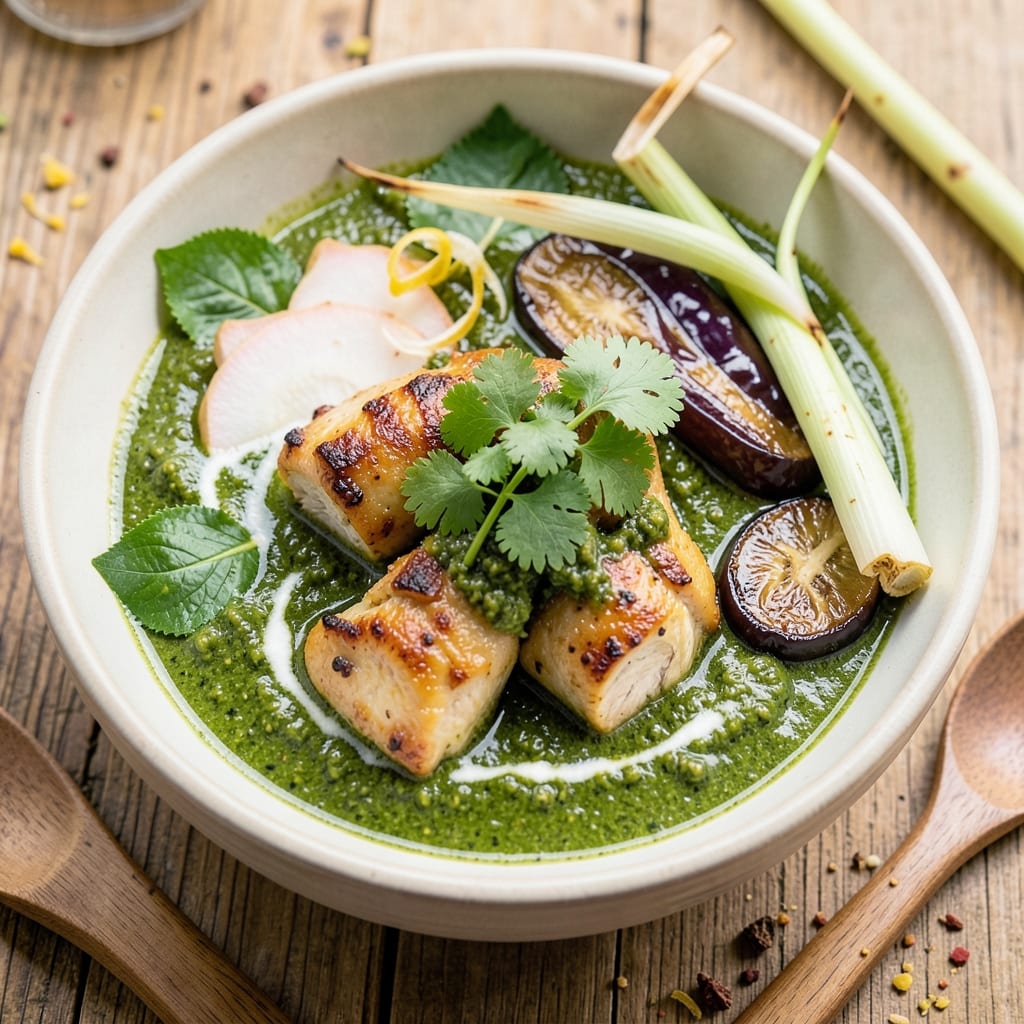
This authentic Thai green chicken curry recipe brings the vibrant flavors of Bangkok to your kitchen—where fragrant herbs and balanced heat create a dish that's both comforting and complex. I've spent years perfecting the curry paste using traditional ingredients like galangal, kaffir lime leaves, and lemongrass, which form the aromatic base that sets this recipe apart from typical versions. The key lies in achieving harmony between sweet, sour, and spicy notes, resulting in a sauce that's rich yet refreshing.
What makes this recipe truly authentic is the attention to detail in every step—from toasting the spices to simmering the chicken just until tender. Unlike many Western adaptations, this version maintains the proper balance of Thai flavors without overwhelming heat. The green curry paste isn't just spicy; it's layered with herbal complexity from Thai basil and cilantro, creating depth that lingers with each bite. I've included tips for adjusting the heat level while preserving that essential fragrant harmony.
By following this method, you'll end up with succulent chicken pieces swimming in a vibrant green sauce that's thick enough to coat the rice but light enough to let the chicken shine. The aroma alone will transform your kitchen into a Thai street food stall, while the flavors deliver restaurant-quality results at home. Serve it over steamed jasmine rice and garnish with fresh herbs for that final touch of authenticity.
This recipe is designed to be approachable yet deeply flavorful—perfect for weeknight dinners that feel special. The techniques I've developed over years of testing ensure you'll achieve that perfect balance of heat, sweetness, and herbal notes that makes Thai green curry so beloved. Let's get started on creating something truly memorable.
Ingredients for authentic thai green chicken curry
Fragrant herbs and balanced heat transform simple ingredients into restaurant-quality Thai green curry.
| Ingredient | Amount | Notes |
|---|---|---|
| Boneless Chicken Thighs 🍗 | 1 ½ lb | Cut into 1-inch pieces |
| Coconut Milk 🥥 | 13 ½ oz | Full-fat can (13.5 oz) |
| Green Curry Paste 🌶️ | ½ cup | Store-bought or homemade |
| Galangal Root 🌿 | 3 oz | Peeled and sliced thin |
| Kaffir Lime Leaves 🍋 | 4 whole | Bruised lightly, stems removed |
| Lemongrass 🌿 | 1 stalk | Cut into 2-inch pieces |
| Thai Basil Leaves 🌿 | ½ cup | Packed, stems removed |
| Cilantro Leaves 🌿 | ¼ cup | Chopped for garnish |
| Fish Sauce 🍶 | 1 tbsp | Red Boat preferred |
| Palm Sugar 🍯 | 2 tbsp | Or substitute brown sugar |
| Jasmine Rice 🍚 | 1 ½ cups | Uncooked, for serving |
| Vegetable Oil 🫒 | 2 tbsp | For high-heat cooking |
| Garlic Cloves 🧄 | 4 cloves | Minced for paste |
| Shallots 🧅 | 2 whole | Peeled and minced |
| Lime Juice 🍋 | 1 tbsp | Freshly squeezed |
The galangal and kaffir lime leaves are non-negotiable for authenticity. Asian markets carry fresh galangal—look for firm, pale rhizomes with no mold. Kaffir lime leaves should be bright green and fragrant; Trader Joe's often stocks them frozen if fresh isn't available. Lemongrass? Grab the thick stalks with no brown spots. If you can't find these at regular grocery stores, online Asian grocers deliver reliably. For the curry paste, Maesri or Thai Kitchen brands are solid shortcuts, but homemade lets you control the heat level.
No galangal? Extra ginger at double the amount gets you close, though it lacks that citrusy depth. Kaffir lime leaves can be swapped for lime zest plus lime juice, but the aroma won't be identical. Short on fish sauce? Soy sauce plus a pinch of sugar mimics the umami, though it won't have the same funk. The palm sugar is key for that authentic sweetness—brown sugar works in a pinch, but it's less refined. For the herbs, fresh Thai basil is ideal, but if you only have regular basil, double the amount and add a pinch of cinnamon to compensate.
Store fresh galangal and kaffir lime leaves wrapped in damp paper towels for 1 week in the fridge. Lemongrass keeps 3-4 days in a sealed bag. The curry sauce reheats beautifully—simmer gently for 10 minutes to restore its vibrancy. For extra flavor, make a double batch and freeze portions in ice cube trays. Once frozen, transfer to a bag and store for 3 months. The rice? Cook it ahead and reheat covered to keep it fluffy.
Why You'll Love This Recipe
- One-Pot Magic: I swear by this recipe because it’s actually one-pan—no chopping boards full of mess. Just brown the chicken, toss in the curry paste and coconut milk, and let the galangal and kaffir lime leaves work their flavor magic while you sip your drink.
- Herb Bomb Flavor: Between us, that green curry paste—fresh, not powdered—packs a punch with lemongrass and chili. The galangal root adds a citrusy bite (like ginger’s cooler cousin), and the kaffir lime leaves? They perfume the whole dish like a Thai street-side stall.
- Leftover Legend: This curry begs to be made extra—it tastes even better the next day. I’ll be real: I’ve reheated it three times and still crave it. Plus, it freezes like a dream for lazy nights when takeout feels too much effort.
- Budget Thai Feast: Chicken thighs are forgiving and cheap, and coconut milk stretches far. A single jar of curry paste and a few fresh herbs (or even dried kaffir lime zest) turn this into a restaurant-quality dish without the price tag. My wallet thanks me every time.
Step-by-step instructions for authentic Thai green chicken curry
Master this traditional Thai technique for vibrant green curry with perfect balance.
Prepare the Aromatic Base
Heat the 2 tablespoons vegetable oil in a heavy-bottomed pot over medium heat. Add the 2 whole shallots and 4 cloves garlic cloves, cooking for 2-3 minutes until the shallots turn translucent and the garlic releases its fragrance. This foundational step develops the curry's depth before introducing the paste.
Add the 3 ounces galangal root and 1 stalk lemongrass (cut into 2-inch pieces), cooking for another 2 minutes until the galangal softens slightly. Real talk: galangal has a peppery bite similar to ginger but more intense—don't skip this step as it's essential for authentic flavor. The lemongrass will infuse the oil with its citrusy aroma as it cooks.
Bloom the Green Curry Paste
Reduce the heat to medium-low and add the 0.5 cup green curry paste, stirring constantly for 3-4 minutes until it darkens slightly and releases its complex aromas. This process, called "blooming," activates the spices and prevents a raw, bitter taste. You'll see the paste transform from bright green to a deeper, richer hue—this visual change signals it's ready for the next ingredients.
I know it seems like too much time, but trust me—rushing this step leads to a flat, one-dimensional curry. The paste contains chili, lemongrass, kaffir lime, and galangal that need proper development. If you smell smoke, lower the heat immediately to prevent burning.
Add Chicken and Coconut Milk
Increase heat to medium-high and add the 1.5 lb boneless chicken thighs (cut into 1-inch pieces), stirring to coat with the paste. Cook for 5-6 minutes until the chicken develops a light golden crust on all sides. This initial sear locks in juices and builds flavor before the coconut milk comes in.
Pour in the 13.5 ounces coconut milk all at once, stirring gently to combine. The mixture will bubble vigorously—this is normal. Reduce heat to medium-low and let it simmer uncovered for 15 minutes, allowing the coconut milk to infuse with the paste and chicken. Here's the thing: simmering uncovered prevents a skin from forming, which would trap steam and make the curry watery.
Build Flavor with Herbs and Seasonings
Add the 4 whole kaffir lime leaves (lightly bruised), 1 tablespoon fish sauce, and 2 tablespoons palm sugar, stirring well to distribute. The kaffir lime leaves will release their floral, citrusy aroma as they cook. Simmer for another 10 minutes until the chicken is fully cooked through and the sauce has thickened slightly.
Taste the curry and adjust seasoning if needed—this is where the magic happens. I usually add another ½ teaspoon fish sauce for saltiness and 1 teaspoon palm sugar for balance. The curry should have a perfect harmony of sweet, sour, salty, and spicy flavors with the galangal's peppery kick.
Finish with Fresh Herbs
Remove the pot from heat and stir in the 0.5 cup Thai basil leaves and 0.25 cup cilantro leaves. These fresh herbs add brightness and contrast to the rich coconut sauce. Let the curry sit off heat for 5 minutes to allow the flavors to meld completely.
Just before serving, stir in the 1 tablespoon lime juice and adjust the consistency by adding 1-2 tablespoons water if needed. The lime juice brightens the dish and cuts through the richness of the coconut milk. Serve immediately over 1.5 cups jasmine rice for the perfect balance of flavors and textures.
Pro Tips For Making Authentic Thai Green Chicken Curry
- Bloom the Paste First: Heat your green curry paste in oil for 3-4 minutes until it actually smells like something—this isn’t just about burning off the raw taste. After burning three batches of curry that tasted like medicine, I learned: let the paste release its oils and deepen in color before touching the chicken.
- Slice Galangal Thin: Galangal’s tough fibers need to break down, so slice it paper-thin (about 1/16-inch) and pound it lightly with the flat side of your knife—yes, even if it looks like overkill. I used to toss in thick chunks and wondered why my curry lacked that bright, citrusy punch.
- Don’t Rush the Coconut Milk: Simmer the curry low and slow after adding coconut milk—at least 15 minutes—so the flavors meld instead of separating into a greasy, watery mess. I know, I know, you’re hungry now, but trust the process: this is where the dish goes from "good" to "unforgettable."
- Reserve Some Lime Leaves: Tear just 2-3 kaffir lime leaves for the pot, but save the rest to garnish at the end—this adds a fresh, aromatic finish that makes all the difference. (And no, you can’t just toss them in whole; they need to infuse properly.)
Regional styles of these flavors
Bangkok Street Style
In Bangkok, this curry is all about vibrant colors and bold flavors balanced with fresh herbs. The key difference here is the use of bird's eye chilies (about 2-3 extra) for that signature street-food heat, while keeping the galangal and kaffir lime leaves at the exact same amounts. I've found that adding 1 teaspoon shrimp paste (kapi) alongside the fish sauce deepens the umami without overpowering the dish. Serve with steamed jasmine rice and top with extra Thai basil and a squeeze of lime right at the table—just like the vendors do. 🌶️
Northern Thai Version
Up in Chiang Mai, the green curry takes on a more herbal, less creamy character. Swap half the coconut milk for 1 cup chicken broth to lighten the sauce, and add 1 stalk lemongrass (cut into 3-inch pieces) and 1-inch piece of ginger (sliced) to the aromatic base. The Northern style also incorporates 1 teaspoon coriander seeds toasted in the oil at the very beginning for extra depth. I've noticed this version pairs beautifully with sticky rice instead of jasmine rice. 🌿
Southern Thai Adaptation
The southern region brings a tangier twist to the curry. After simmering the chicken in coconut milk, stir in 2 tablespoons tamarind paste (dissolved in ¼ cup warm water) for that signature sour note. Add 1 tablespoon shrimp paste and 1 teaspoon ground white pepper to the paste-blooming step. The Southern style also often includes 1-inch piece of turmeric root (sliced) in the initial aromatic base. This version works wonderfully with coconut rice for a truly regional experience. 🍋
Central Thai Home Style
This is what my grandmother used to make—simpler but deeply flavorful. The central Thai version skips the extra chilies and shrimp paste, focusing instead on perfecting the balance of the core ingredients. Use 1 tablespoon fish sauce and 1 tablespoon palm sugar (no adjustments needed) and let the galangal and kaffir lime leaves shine. The central style often includes 1 teaspoon white pepper at the end for subtle heat. Serve with jasmine rice and a side of pickled mustard greens (pak rao) for that authentic touch. 🌱
Modern Fusion Twist
For a contemporary take, try adding ½ cup bell peppers (diced) and ½ cup mushrooms (sliced) with the chicken. Use 1 tablespoon honey instead of palm sugar, and finish with 2 tablespoons coconut cream instead of full coconut milk. This fusion version keeps the traditional base but adds a Western-friendly texture and sweetness. Garnish with cilantro and lime wedges for that fresh contrast. 💫
Nutrition facts
Frequently asked questions
Can I substitute chicken breast instead of thighs?
Chicken thighs work best because their higher fat content keeps the meat juicy during the long simmer. If you must use breast, cut it into ½-inch pieces and cook them for only 3-4 minutes after adding to the paste—don't let them overcook or they'll dry out. For extra moisture, add 2 tablespoons coconut cream at the end.
How do I adjust the spice level without losing authenticity?
For milder heat, reduce the curry paste to ¼ cup and remove the seeds from 2-3 bird's eye chilies before blending into the paste. For extra heat, add 1-2 teaspoons chili flakes at the end or stir in 1 tablespoon chili garlic sauce. The key is balancing—never skip the blooming step with the paste, as that's where the spices develop their depth.
What's the best way to make this curry ahead of time?
Cook the curry as directed, then let it cool completely. Store in an airtight container in the fridge for up to 3 days or freeze for 3 months. To reheat, simmer gently on low heat for 10-15 minutes, stirring occasionally. For best texture, add 1-2 tablespoons coconut milk at the end to restore richness. The flavors actually deepen overnight!
Can I make this curry vegetarian?
Swap the chicken for 1.5 lbs firm tofu (pressed and cubed) or 1.5 lbs mushrooms (like oyster or shiitake). Increase the simmering time to 20 minutes for tofu and 15 minutes for mushrooms. Add 1 teaspoon soy sauce instead of fish sauce, and use vegetable broth instead of chicken broth if needed. The coconut milk will help mask any flavor differences.
Why does my curry taste bitter or metallic?
This usually happens from overcooking the paste or using too much fish sauce. The paste should bloom for exactly 3-4 minutes—no longer! For metallic taste, check your cooking pot (stainless steel or cast iron is best). If the issue persists, reduce fish sauce to ½ tablespoon and add ½ teaspoon salt instead. Always use fresh ingredients—old galangal or kaffir lime leaves can turn bitter too.