
Main Courses
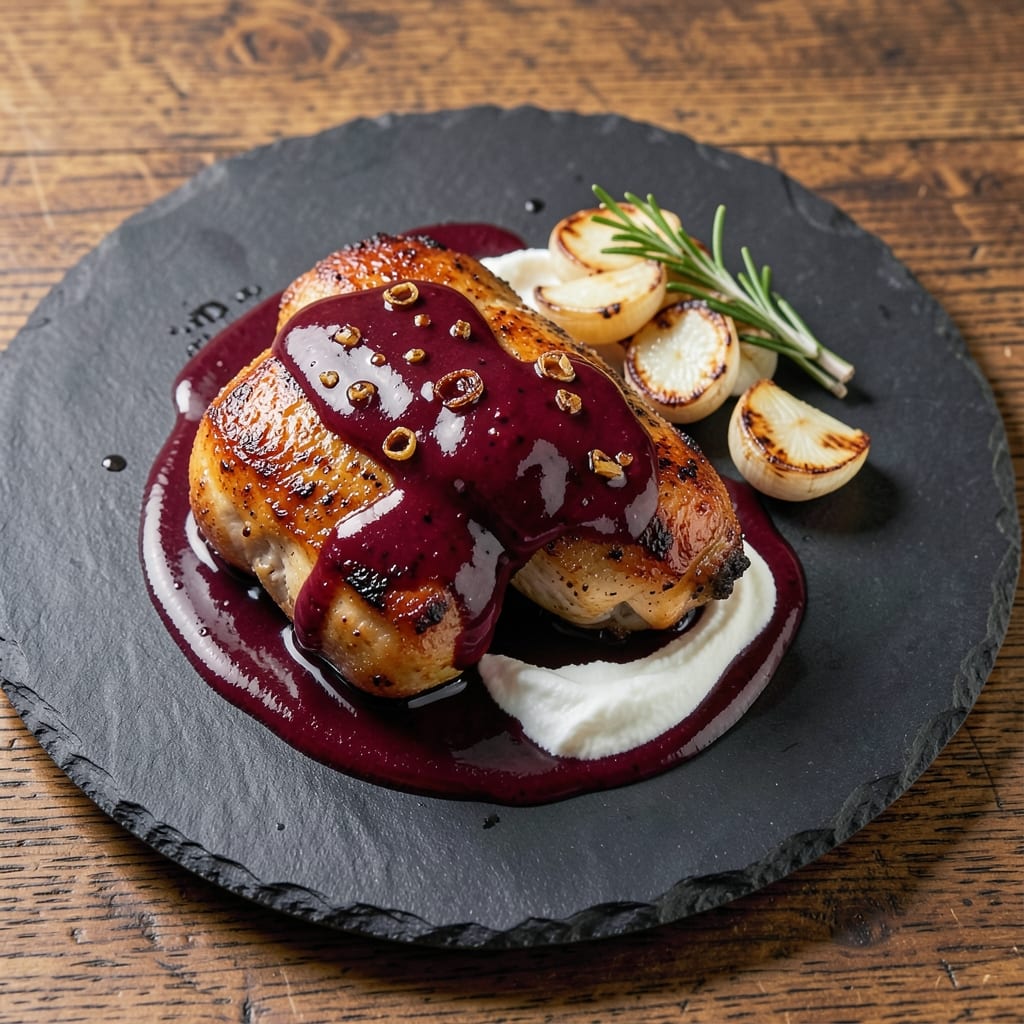
This balsamic cream chicken recipe transforms simple ingredients into a restaurant-worthy dish that balances tangy balsamic richness with velvety cream sauce. The secret lies in slow-braised chicken thighs that stay juicy while absorbing deep flavors, paired with a sauce that's both elegant and easy to make. I developed this recipe after years of testing—it's the one that finally earned me compliments even from the most critical dinner guests.
The process starts with searing chicken thighs in a cast-iron skillet until golden, then finishing them in the oven with a balsamic reduction that caramelizes into a glossy, sweet-tart glaze. Meanwhile, the cream sauce simmers just until thickened, creating a luxurious contrast to the chicken's tender texture. What makes this dish special is how the flavors come together—bright balsamic notes cut through the creaminess, while garlic and herbs add aromatic depth.
By the time you serve this dish, you'll have perfectly tender chicken swimming in a glossy sauce that clings beautifully to every bite. The sauce's velvety texture pairs perfectly with the chicken's crisp edges, while the balsamic's tang adds complexity that elevates it beyond ordinary creamy dishes. This recipe delivers restaurant-quality results with minimal effort, making it ideal for weeknight dinners that feel like special occasions.
Serve with roasted vegetables or crusty bread to soak up every last drop of that rich sauce. The combination of textures and flavors makes this dish equally impressive for family dinners or dinner parties. Let's get started—your taste buds will thank you.
Ingredients for balsamic cream chicken
Simple ingredients that pack restaurant-quality flavor—juicy chicken meets tangy-sweet balsamic cream sauce.
| Ingredient | Amount | Notes |
|---|---|---|
| Chicken Thighs 🍗 | 1 ½ lb | Bone-in, skin-on preferred |
| Balsamic Vinegar 🍷 | ½ cup | High-quality aged balsamic |
| Heavy Cream 🥛 | 1 cup | Full-fat for best texture |
| Unsalted Butter 🧈 | ½ cup | Cold, cubed for sauce |
| Garlic Cloves 🧄 | 4 cloves | Minced for aromatic depth |
| Shallots 🧅 | ¼ cup | Finely chopped, or substitute onion |
| Fresh Thyme Leaves 🌿 | 2 tbsp | Or 1 tsp dried thyme |
| Salt 🧂 | 1 ½ tsp | Kosher or sea salt |
| Black Pepper 🌶️ | ½ tsp | Freshly ground preferred |
| Olive Oil 🫒 | 2 tbsp | For searing chicken |
| All-Purpose Flour 🌾 | 1 tbsp | For thickening sauce |
| Fresh Parsley 🌿 | ⅛ cup | Chopped for garnish |
| Honey 🍯 | 1 tsp | Optional for sauce sweetness |
The chicken thighs are the star—bone-in and skin-on keeps them juicy while searing. Trader Joe's or Costco usually have the best selection for this. Look for thighs with good marbling and bright color. If you can't find bone-in, skin-on, boneless skinless works too (just reduce cooking time). For the balsamic, aged balsamic vinegar (like Giovanni Rossi) gives the best depth—cheap stuff tastes like vinegar. The heavy cream should be full-fat; lighter versions won't give that velvety texture you're after.
No aged balsamic? Red wine reduction works in a pinch, or even a splash of balsamic glaze from the bottle aisle. Fresh thyme is ideal, but dried at one-third the amount gets you close. Running low on shallots? Red onion or regular onion is fine—just chop it extra fine. The honey is optional but adds that perfect balance to cut through the tang. If you skip it, add a pinch more salt to compensate. For the butter, European-style (like Plugrá) melts beautifully, but any good unsalted butter will do.
Chicken thighs keep best in the fridge for 2 days before cooking. The balsamic vinegar lasts years unopened, but once opened, store it in the fridge. Heavy cream should be used within 1 week of opening. For make-ahead prep, cook the chicken and sauce separately, then reheat gently to combine. The sauce reheats beautifully—just add a splash of cream to loosen it up. Garnish with parsley right before serving, as it wilts quickly in hot sauce.
Why You'll Love This Recipe
- One-Pan Magic: I swear by this recipe on nights when I’d rather not wash a million dishes. The thighs brown right in the skillet while the balsamic and cream sauce simmers—no extra bowls, no fuss. Just flip, simmer, and serve.
- Rich Without Effort: That creamy balsamic glaze? It’s the kind of flavor that makes people pause mid-bite. The garlic and butter melt into the chicken, while the vinegar adds just enough tang to cut through the richness—like a fancy restaurant dish with half the work.
- Leftovers That Shine: Honestly, I make this knowing I’ll have seconds the next day. The sauce thickens beautifully when reheated, turning it into a creamy, sticky glaze that’s even better cold. Pack it for lunch or serve it over pasta—it’s that good.
- Budget-Friendly Feast: Chicken thighs stretch further than breasts, and this recipe uses pantry staples. A few cloves of garlic, a splash of balsamic, and some cream turn cheap protein into something special. My wallet and my family thank me every time.
Step-by-step instructions for balsamic cream chicken
This recipe delivers tender chicken thighs smothered in a luscious balsamic cream sauce that's rich, tangy, and velvety.
Sear the Chicken Thighs for Maximum Flavor
Pat the 1.5 lb chicken thighs completely dry with paper towels—this ensures crispy skin. Season both sides generously with 1.5 tsp salt and 0.5 tsp black pepper, pressing the seasoning into the meat so it adheres. Let them sit at room temperature for 15 minutes while you prep the rest.
Heat 2 tbsp olive oil in a large skillet over medium-high heat until shimmering. Add the chicken thighs skin-side down and cook undisturbed for 5-6 minutes until the skin is deep golden brown and crispy. Flip and cook the other side for another 4-5 minutes until the internal temperature reaches 165°F. Transfer the chicken to a plate and tent loosely with foil to keep warm.
Build the Balsamic Glaze
In the same skillet (no need to clean it—the browned bits add flavor), reduce heat to medium and add 0.25 cup finely chopped shallots. Cook for 3-4 minutes until softened. Add the 4 cloves minced garlic and cook for 30 seconds until fragrant—don't let it brown or it'll turn bitter.
Pour in the 0.5 cup balsamic vinegar and scrape up any browned bits from the bottom of the pan. Let it simmer for 5-6 minutes until reduced by half and slightly syrupy. Stir in the 1 tsp honey (if using) and 2 tbsp fresh thyme leaves, then remove from heat. This glaze should be thick enough to coat the back of a spoon.
Create the Velvety Cream Sauce
Return the skillet to medium heat and add 0.5 cup cold cubed unsalted butter. Let it melt completely, then sprinkle in the 1 tbsp all-purpose flour and whisk vigorously for 1-2 minutes until smooth. Slowly pour in the 1 cup heavy cream while whisking constantly to prevent lumps from forming.
Simmer the sauce for 3-4 minutes until it thickens enough to coat the back of a spoon. If it's too thick, whisk in 1-2 tablespoons of water to reach your desired consistency. Taste and adjust seasoning with more salt or black pepper if needed. The sauce should be rich, tangy, and perfectly balanced.
Finish and Serve
Return the seared chicken thighs to the skillet and spoon the balsamic cream sauce over them. Let it simmer together for 2-3 minutes so the chicken absorbs the flavors. Garnish with 0.125 cup chopped fresh parsley just before serving.
Serve immediately over mashed potatoes, crusty bread, or egg noodles to soak up every last drop of that luxurious sauce. The chicken should be tender with crispy skin, and each bite should deliver a perfect balance of sweet, tangy, and creamy flavors. Leftovers keep well in the refrigerator for up to 3 days, though I doubt they'll last that long!
Pro Tips For Making Balsamic Cream Chicken
- SEAR THIGHS UNTIL GOLDEN: Start with bone-in, skin-on thighs—pat them very dry first, then hit the pan over medium-high heat. I learned this the hard way: rushing the sear means a pale, bland crust. Let those skins render for 8-10 minutes until deep brown, even if it means flipping less often. The fat’s the flavor here, so don’t skimp.
- REDUCED BALSAMIC IS NON-NEGOTIABLE: Simmer the balsamic vinegar before adding it to the sauce—just 3-4 minutes in a small saucepan until it’s syrupy and smells like caramelized fruit. I used to dump it straight from the bottle, and the sauce tasted harsh. This step cuts the acidity and adds depth without extra effort.
- WHISK CREAM WITH COLD BUTTER: When combining the heavy cream and butter, take it slow: warm the cream first, then whisk in cold butter cubes one at a time. I was skeptical until I tried it—this prevents curdling and gives the sauce a velvety finish. No one likes lumpy balsamic cream, trust me.
- GARLIC NEEDS A HEAD START: Mince the garlic fine (almost paste-like) and sauté it in the same pan as the chicken skins for 2-3 minutes before deglazing. This infuses the fat with garlic flavor instead of just burning it. I used to add it at the end, and the aroma was always weak—this makes a real difference.
Perfect pairings for balsamic cream chicken
Creamy Sauce Sides
Pair this dish with creamy mashed potatoes—their buttery texture contrasts beautifully with the tangy balsamic. I like using Yukon Gold potatoes boiled until tender, then mashed with ½ cup butter and ¼ cup warm heavy cream. For extra richness, fold in 2 tbsp sour cream at the end. The sauce will cling to every bite, creating a decadent combination. 🥔
Crunchy Bread Pairings
Crusty Italian bread or garlic bread is perfect for soaking up the luxurious sauce. Toast a baguette until golden, then rub with a garlic clove and drizzle with 2 tbsp olive oil. Warm it in the oven for 3-5 minutes before serving. The crispy crust and soft interior make it ideal for mopping up every last drop of that velvety balsamic cream. 🥖
Fresh Vegetable Balance
Add roasted Brussels sprouts or green beans to cut through the richness. Toss 1 lb Brussels sprouts with 1 tbsp olive oil, ½ tsp salt, and ¼ tsp black pepper, then roast at 400°F for 20-25 minutes until caramelized. The earthy flavor and slight crispness balance the creamy sauce perfectly. 🥦
Wine Pairing Perfection
A medium-bodied red wine like Pinot Noir or Chianti complements the dish beautifully. The acidity in Chianti cuts through the creaminess, while Pinot Noir’s fruitiness enhances the balsamic notes. For a white option, try a Chardonnay with oaky notes—it stands up to the richness without overpowering the sauce. 🍷
Cheese Board Finale
End the meal with a simple cheese board featuring aged cheddar, brie, and goat cheese. Add crackers, nuts, and dried fruit for texture contrast. The creamy cheeses echo the sauce’s richness, while the nuts add a satisfying crunch. This makes for an elegant, effortless finish. 🧀
Nutrition facts
Frequently asked questions
Can I use chicken breasts instead of thighs?
Chicken breasts will work, but they're leaner and more prone to drying out. For best results, pound them to ½-inch thickness and cook for only 4-5 minutes per side until the internal temperature reaches 165°F. Keep the oven at 375°F while they finish to prevent overcooking. The sauce will still be delicious, but thighs give you more forgiving juiciness.
How can I make this dish ahead of time?
Cook the chicken completely and refrigerate it separately from the sauce. When ready to serve, reheat the chicken in a skillet over medium heat for 3-4 minutes per side, then add the sauce and simmer together for 2 minutes. If the sauce thickens too much, whisk in 1-2 tablespoons of warm heavy cream to restore its velvety texture. The flavors actually improve after resting!
What if my sauce gets too thick?
Don't panic! Thin it with 1 tablespoon at a time of warm heavy cream or chicken broth while whisking constantly. The sauce should coat the back of a spoon but still be pourable. For extra insurance, keep 1 tablespoon of cream nearby while cooking—it's the easiest fix. If you prefer a glossier finish, add ½ teaspoon of honey to help balance the thickness.
Can I substitute Greek yogurt for the heavy cream?
You can try, but the texture will be lighter and less velvety. For best results, use ½ cup Greek yogurt + ½ cup milk to mimic the creaminess. Keep in mind the sauce will be tangier and may separate if overcooked. If you want to maintain the original richness, stick with heavy cream or sub in ½ cup sour cream + ½ cup milk for a similar effect.
Why did my balsamic glaze turn bitter?
Over-reducing the balsamic or burning the garlic/shallots causes bitterness. For the glaze, simmer for only 5-6 minutes until reduced by half—no longer! When cooking aromatics, keep heat at medium and remove garlic as soon as it's fragrant (30 seconds). If bitterness happens, stir in ½ teaspoon of honey or 1 tablespoon of lemon juice to balance the flavor.