
Sauces & Condiments
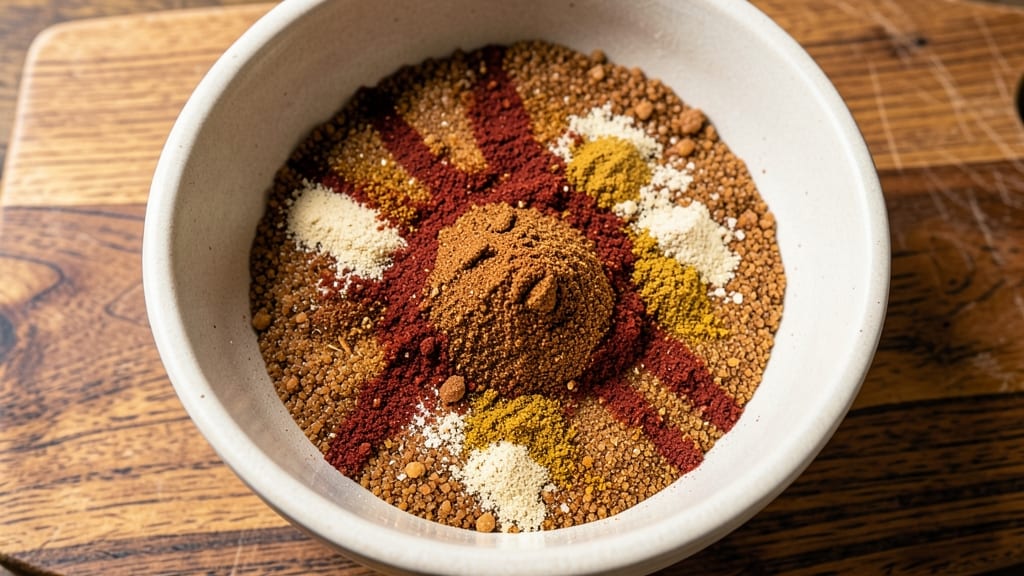
The beer butt chicken rub recipe transforms ordinary grilled chicken into a smoky-sweet masterpiece with just a few simple ingredients and a little technique. This dry blend captures the essence of beer-braised chicken—deep caramelized notes, subtle bitterness, and a lingering smokiness—without the mess of liquid marinades.
I developed this after years of experimenting with dry rubs, and it’s become my go-to for game day, backyard cookouts, and any time I crave that perfect balance of sweet and savory.
The secret lies in the combination of brown sugar for caramelization, smoked paprika for that signature smokiness, and a touch of mustard powder to cut through the richness.
A pinch of beer powder (or a dash of liquid smoke) ensures that beer-butt flavor is front and center, while garlic and onion powder add depth. This blend is designed to be stored in an airtight container, so you can keep it on hand for whenever the craving strikes.
What makes this rub truly special is how it enhances the natural flavors of the chicken without overpowering them. The spices create a crunchy, flavorful crust that locks in moisture while delivering layers of taste in every bite.
Whether you’re grilling, smoking, or even baking, this rub guarantees a restaurant-quality result that’s foolproof and easy to customize.
Use it on chicken wings, thighs, or even ribs for a bold, smoky-sweet flavor that’s hard to resist. The blend stays potent for months, making it a versatile addition to your pantry.
Let’s get started on creating this perfect dry rub that will elevate your grilled chicken to the next level.
Ingredients for beer butt chicken rub
A handful of pantry staples. One jar. Game day flavor in seconds.
| Ingredient | Amount | Notes |
|---|---|---|
| Brown Sugar 🍚 | ½ cup | Packed, for caramelization |
| Smoked Paprika 🌶️ | 2 tbsp | Spanish variety preferred |
| Garlic Powder 🧄 | 1 ½ tbsp | Not garlic salt |
| Onion Powder 🧅 | 1 ½ tbsp | Fresh ground preferred |
| Mustard Powder 🍯 | 1 tbsp | Dry, for tanginess |
| Beer Powder 🍺 | 1 tsp | Or 1 tsp liquid smoke |
| Kosher Salt 🧂 | 1 tsp | Fine grain preferred |
| Black Pepper 🌶️ | ½ tsp | Freshly ground preferred |
| Cayenne Pepper 🔥 | ¼ tsp | Adjust for heat preference |
The smoked paprika is your secret weapon—Penzeys or McCormick Spanish varieties give that authentic smokiness. I always grab the bulk bins at Whole Foods for the best quality, but honestly, any good brand works if it’s not past its prime. The beer powder is a game-changer—if you can’t find it, liquid smoke is your backup, but use it sparingly. For the brown sugar, don’t skimp on the packed measurement—it makes the rub stick better to the chicken.
No beer powder? 1 tsp liquid smoke works in a pinch, but it’s stronger—start with half and taste. Want more sweetness? Swap 1 tbsp honey powder for half the brown sugar. Short on garlic powder? 1 tsp dried minced garlic at half the amount. The mustard powder is non-negotiable—it balances the sweetness perfectly. If you’re avoiding mustard, 1 tsp ground coriander adds a similar depth. Always grind your black pepper fresh if you’ve got a grinder—it’s worth the extra minute.
Store this in an airtight glass jar away from light—it’ll stay potent for 6-12 months. I like to portion it into small containers so I can grab just what I need. The smoked paprika can turn rancid if exposed to air too long, so keep it sealed tight. Freeze extra portions if you’re not using it within a month. This rub works on chicken wings, thighs, or even ribs—just pat it on generously and let it sit for 20-30 minutes before cooking for maximum flavor penetration.
Why You'll Love This Recipe
- No-Fuss Mixing: Honestly, this rub takes less than 10 minutes to toss together. Just dump those ingredients—brown sugar, smoked paprika, garlic and onion powders—into a bowl, stir, and boom. No fancy tools, no stress. The beer powder and mustard powder add that little extra je ne sais quoi, but you’re already ahead of most rubs that require chopping or blending.
- Sweet, Smoky, Addictive: That combination of brown sugar for caramelization and Spanish smoked paprika? Chef’s kiss. The garlic and onion powders give it depth, while the mustard powder keeps it from tasting like a sugar bomb. I’ll be real: the first bite of beer-butt chicken with this rub will make you forget store-bought seasonings exist.
- Works for Anything: This isn’t just for grilling—slather it on chicken thighs, toss it with roasted potatoes, or even sprinkle it on pork chops. It’s my go-to for game day wings or a lazy Sunday dinner. My kids don’t even notice they’re eating “healthy” when this rub’s involved—they just ask for seconds.
- Budget & Batch-Friendly: You’re looking at under $10 for all the spices, and that 0.5 cup of brown sugar will last forever. Plus, make a big batch, store it in a jar, and you’ve got seasoning ready for weeks. Freeze extras if you’re not using it within a month—no waste, no guilt. My secret weapon for feeding a crowd without breaking the bank.
Step-by-step instructions for beer butt chicken rub
Here's how to craft the perfect balance of smoky, sweet, and spicy flavors for your next grill masterpiece.
Combine Dry Ingredients in a Mixing Bowl
In a medium-sized mixing bowl, start by adding the 0.5 cup packed brown sugar. This is your foundation for caramelization, so pack it firmly to maximize flavor concentration. Next, add the 2 tablespoons smoked paprika—this Spanish variety will provide that deep, authentic smokiness we're after.
Now incorporate the 1.5 tablespoons garlic powder and 1.5 tablespoons onion powder. These will build the savory backbone of your rub. I like to use freshly ground powders when possible—they deliver more aromatic punch than pre-mixed blends. Give everything a gentle stir with a silicone spatula to begin breaking down any clumps in the brown sugar.
Add Seasonings and Develop the Flavor Profile
To the bowl, add the 1 tablespoon mustard powder, which will contribute a subtle tanginess that cuts through the sweetness. Follow with the 1 teaspoon beer powder—this is where you'll get that malty, beer-braised depth without the moisture of actual beer. The beer powder also helps create that signature "beer butt" flavor profile that grillers love.
Now we balance the heat with the 0.5 teaspoon black pepper and 0.25 teaspoon cayenne pepper. The cayenne is where you can adjust for your preferred heat level—start with this amount and taste as you go. Finally, add the 1 teaspoon kosher salt. This might seem like a lot, but remember we're making a concentrated rub that will coat the chicken thoroughly.
Mix Thoroughly Until Uniform
Using your silicone spatula, mix all ingredients together until you achieve a completely uniform texture. You should see no more distinct clumps of brown sugar or visible streaks of individual spices. This thorough mixing ensures every particle of chicken gets coated with the full flavor profile.
Here's the thing—this rub works best when it's applied generously. The mixture should have a slightly coarse, gritty texture that will adhere well to the chicken's surface. If you find it's too dry or clumpy, you can lightly press it through a fine-mesh sieve to break up any remaining lumps while maintaining that perfect texture.
Test and Adjust the Seasoning
Before applying to your chicken, I always recommend doing a quick taste test. Take a small amount of the rub between your fingers and moisten it slightly with your tongue. You should detect all the components working together: the sweet caramel notes from the brown sugar, the smoky depth from the paprika, the savory punch from the garlic and onion powders, and the subtle heat from the peppers.
If you find it needs more heat, add a pinch more of the cayenne pepper. If it feels too sweet, you can add a tiny amount of the mustard powder to balance. The goal is that perfect harmony where no single flavor dominates. This is your chance to make it exactly to your taste before committing to the whole batch.
Store Properly for Maximum Freshness
Once your rub is perfectly mixed and seasoned, transfer it to an airtight container. I like to use a small glass jar with a tight-sealing lid. Store it in a cool, dark place—this helps preserve the volatile oils in the spices and prevents the brown sugar from absorbing moisture.
The rub will keep for up to 3 months, though I find it's always best when used within 2 months for peak flavor. When you're ready to use it, simply shake the container vigorously to redistribute all the spices evenly before applying to your chicken. This ensures every batch delivers that consistent, perfect flavor you've created.
Pro Tips For Making Beer Butt Chicken Rub
- Pack That Sugar: Don’t just scoop the brown sugar—press it firmly into the measuring cup first. I learned this the hard way when my rub turned out cloyingly sweet instead of perfectly caramelized. The extra density means more flavor per tablespoon, and it sticks better to the chicken.
- Sieve the Clumps: After mixing, press the rub through a fine-mesh sieve if it’s stubbornly clumpy. Yes, it’s extra work, but this guarantees an even coat on the chicken—no dry spots, no bitter pockets of undissolved sugar. Skip this, and you’ll end up with uneven flavor.
- Taste Before Committing: Moisten a pinch of the rub with your tongue to check balance—this isn’t optional. The mustard powder should cut the sweetness, the smoked paprika should sing, and the cayenne should whisper (or shout, if that’s your thing). Adjust now, not after you’ve rubbed an entire chicken.
- Use Fresh Powders: That jar of garlic powder labeled “freshly ground”? Worth every penny. Pre-mixed blends taste dull, and the onion powder loses punch over time. If you’re cheap like me, grind whole spices yourself—just don’t skip this step if you want that deep, savory backbone.
Creative variations of beer butt chicken rub
Spicy Beer Butt Twist
Add 1 tsp extra cayenne pepper to the original recipe for a fiery kick that pairs perfectly with the beer-butt sweetness. This variation becomes a crowd-pleaser at tailgates or BBQs where guests love heat.
I like to add ½ tsp crushed red pepper flakes for a more textured heat—just sprinkle it over the rub before applying. The smoky-sweet base keeps the flavor balanced while the cayenne delivers that spicy punch. 🔥
Sweet & Tangy BBQ Rub
Swap out 1 tbsp brown sugar for 1 tbsp honey powder and add 1 tbsp apple cider vinegar powder to create a tangy twist. This version mimics the sweet-tangy profile of BBQ sauce without the mess.
The vinegar powder enhances the beer-butt depth while keeping the rub dry and easy to apply. It’s ideal for ribs or pulled chicken where you want that classic BBQ flavor without marinating.
Smoky Maple & Bacon
Replace ½ cup brown sugar with ¼ cup maple sugar and add 1 tbsp smoked bacon bits (store-bought or homemade) for a rich, salty-sweet contrast. The maple adds a subtle depth, while the bacon bits amplify the smokiness.
This variation is fantastic for chicken thighs or wings, giving them a gourmet touch. I love using Applegate bacon for the best quality—it makes all the difference! 🍁
Herb-Infused Beer Butt
Add 1 tbsp dried thyme and 1 tbsp dried rosemary to the original blend for an herbaceous twist. These herbs complement the beer-butt flavors beautifully, especially when grilling chicken over hickory or applewood.
I find the thyme and rosemary add a Mediterranean touch that balances the sweetness. For extra freshness, lightly toast the herbs in a dry pan before mixing them into the rub.
Cheesy Beer Butt Blend
Mix in 1 tbsp powdered cheddar cheese (like Great Value brand) for a cheesy, smoky-sweet rub perfect for chicken tenders or nuggets. The cheese adds a subtle umami depth that pairs surprisingly well with the beer-butt flavors.
This version is a hit with kids and adults alike—just pat it on generously before breading. It’s also great for stuffing into chicken breasts before grilling. 🧀
Nutrition facts
Frequently asked questions
Why does this rub need beer powder instead of actual beer?
Beer powder captures the malty, beer-braised flavor without the moisture and mess of liquid beer. It creates that signature beer butt taste while keeping the rub dry and easy to apply. The 1 teaspoon in this recipe delivers authentic depth without turning your rub into a paste.
How do I adjust the heat level if I want it spicier?
Start by adding 1/4 teaspoon more cayenne pepper at a time. For extra texture, sprinkle 1/2 teaspoon crushed red pepper flakes over the finished rub just before cooking. Always taste a small amount first—you can always add more heat, but you can't take it away!
Can I use this rub on foods other than chicken?
This versatile blend works beautifully on ribs, pork shoulders, or even vegetables like Brussels sprouts or sweet potatoes. Just apply generously and cook until caramelized. The smoky-sweet flavors complement many proteins and veggies perfectly.
What should I do if my rub turns out too clumpy?
No problem—lightly press the mixture through a fine-mesh sieve to break up any clumps while maintaining that perfect texture. This ensures even distribution on your chicken. If it's still too dry, add 1 teaspoon olive oil to help it stick better without altering the flavor profile.