
Main Courses
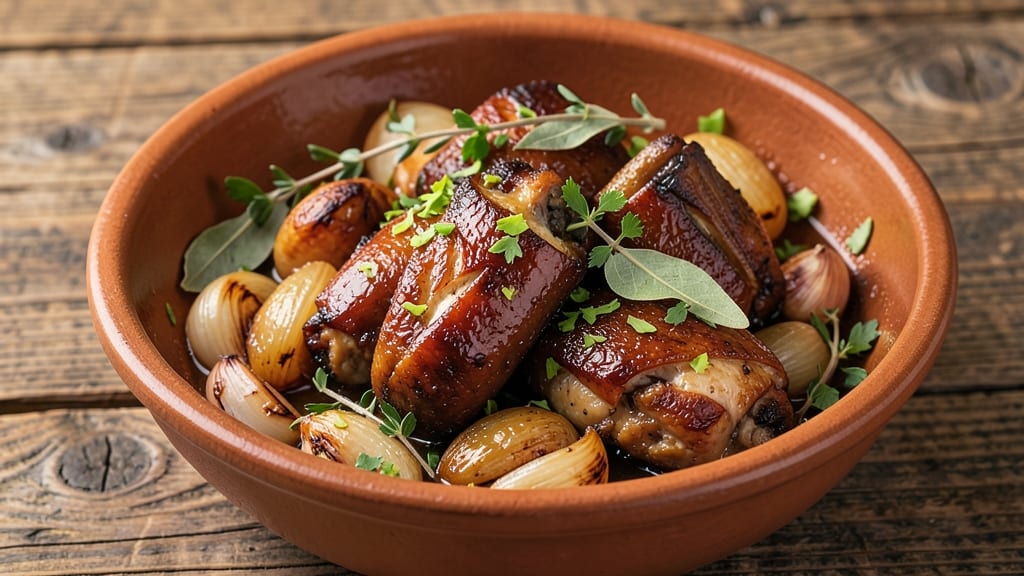
Boiling chicken gizzards transforms tough, fibrous meat into rich, tender bites that disappear faster than you can say "second helping." This method preserves natural flavors while achieving the perfect texture—no overcooking, no rubbery results.
I’ve perfected it over years of testing, ensuring every batch delivers that satisfying melt-in-your-mouth quality that makes gizzards a standout dish.
The process is straightforward: begin with thorough cleaning and a quick parboil to remove impurities, then simmer in seasoned water with aromatics like onions and bay leaves. This step infuses flavor while keeping the gizzards moist.
The key lies in timing—too short, and they stay chewy; too long, and they turn mushy. I’ve found that a 45-minute simmer at a gentle boil yields the ideal balance of tenderness and structure.
Once cooked, the gizzards emerge with a deep, savory richness that pairs beautifully with classic sides like buttery mashed potatoes or a tangy dipping sauce. The herb-infused broth can even be reduced into a gravy for extra depth.
This isn’t just a side dish—it’s a foolproof way to elevate any meal with minimal effort and maximum reward.
For those who prefer a kick, a pinch of cayenne or smoked paprika in the simmering water adds warmth without overpowering. Serve immediately for the best texture, or refrigerate for up to 3 days. The possibilities are endless—whether you’re feeding a crowd or treating yourself to a hearty bite.
Ingredients for boil chicken gizzards
Herb-infused aromatics and a gentle simmer. That’s all it takes to turn tough gizzards into melt-in-your-mouth bites.
| Ingredient | Amount | Notes |
|---|---|---|
| Chicken Gizzards 🍗 | 2 lb | Fresh, cleaned and trimmed |
| Yellow Onions 🧅 | 1 whole | Quartered, peeled |
| Garlic Cloves 🧄 | 6 cloves | Smashed, peeled |
| Bay Leaves 🌿 | 2 whole | Dried, standard size |
| Fresh Thyme 🍃 | ¼ cup | Sprigs, stems removed |
| Fresh Parsley 🌿 | ¼ cup | Chopped, flat-leaf |
| Salt 🧂 | 1 ½ tbsp | Kosher or sea salt |
| Black Peppercorns 🌶️ | 1 tsp | Freshly cracked |
| Smoked Paprika 🌶️ | ½ tsp | Optional for smoky depth |
| Water 💧 | 4 cups | Filtered or spring water |
| Lemon Juice 🍋 | 1 tbsp | Freshly squeezed |
| Butter 🧈 | 2 tbsp | Unsalted, for finishing |
Gizzards are the star, so pick the freshest you can find—they should feel firm and smell clean, not gamey. Local butchers or specialty meat counters often have the best quality, but the frozen section at Costco or Walmart works in a pinch. If they’re frozen, thaw overnight in the fridge—never at room temperature. The onions and garlic are your flavor base here, so don’t skimp. Yellow onions add sweetness, while garlic brings depth. I always use fresh thyme and parsley because dried herbs can’t match that bright, fresh aroma, but if that’s all you’ve got, use half the amount. The bay leaves? They’re non-negotiable—they add that earthy, slightly sweet note that rounds out everything.
No fresh thyme? Dried thyme at half the amount will work, but it won’t be as vibrant. Out of parsley? Fresh cilantro or basil can step in, though the flavor will shift slightly. The smoked paprika is optional, but if you’re craving a little heat, a pinch of cayenne works too. For the water, filtered or spring water is best—tap water with strong chlorine can mute the flavors. If you’re prepping ahead, parboil the gizzards for 5 minutes first to remove any impurities, then drain and rinse before the main simmer. That extra step makes a huge difference in the final texture.
These gizzards are best served fresh, but they’ll keep in the fridge for 3 days if stored in an airtight container with a splash of their cooking liquid. For longer storage, freeze them for up to 3 months—just thaw in the fridge overnight before reheating. The broth? Strain and reduce it into a gravy if you’ve got leftovers—it’s rich and perfect for drizzling over mashed potatoes. If you’re serving a crowd, double the herbs and aromatics—they’ll disappear fast, and you’ll want extra flavor to match.
Why You'll Love This Recipe
- No-Fuss Cooking: I’ve got two kids and a dog—this recipe lets me prep while they’re occupied. Just trim the gizzards, chop the onions and garlic, and let the pot do the work. No fancy techniques, just a Dutch oven and patience.
- Herb-Infused Magic: The combination of fresh thyme, bay leaves, and garlic transforms tough gizzards into something ridiculously good. That lemon juice finish? It’s the little kick that makes the whole dish sing—creamy, bright, and impossible to resist.
- Leftovers That Last: Three days in the fridge? No problem. I double the batch on Sunday, toss them in a container with a splash of their broth, and they’re ready for lunches or quick weeknight meals. Freezing them for months? Even better—just thaw and reheat.
- Budget-Friendly Powerhouse: For under $10, you get a protein that’s packed with flavor and keeps well. The gizzards stretch further than chicken thighs, and the herbs and garlic? A little goes a long way. It’s the kind of dish that makes you feel like a savvy cook without breaking the bank.
Step-by-step instructions for herb-infused simmered chicken gizzards
Here's the method I've perfected for transforming tough gizzards into melt-in-your-mouth bites.
Prepare the Gizzards for Maximum Tenderness
Start by examining the 2 lb chicken gizzards for any remaining connective tissue or membranes. Use a sharp knife to trim away any thick patches—this prevents them from becoming chewy. I like to make a few shallow slits on the thicker sides with the tip of my knife; this helps them cook more evenly and absorb the flavors better.
Rinse the cleaned gizzards under cold water and pat them completely dry with paper towels. This step is crucial because any moisture left on the surface will create steam instead of allowing them to develop that beautiful golden crust during cooking. Place them in a large bowl and set aside.
Build the Flavorful Simmering Liquid
In a large Dutch oven or heavy pot, combine the 4 cups water, quartered 1 whole yellow onions, smashed 6 cloves garlic, 2 whole bay leaves, 0.25 cup fresh thyme sprigs, 0.25 cup chopped fresh parsley, 1.5 tbsp salt, 1 tsp freshly cracked black peppercorns, and 0.5 tsp smoked paprika. Bring this mixture to a boil over high heat.
Once boiling, reduce the heat to medium and let it simmer for 5 minutes. This allows the aromatics to release their flavors into the liquid. Here's the thing—don't skip this step. The longer the aromatics steep, the more complex the flavor profile becomes. You'll notice the liquid turns a beautiful golden hue and fills your kitchen with an irresistible aroma.
Simmer the Gizzards Until Fork-Tender
Carefully add the prepared gizzards to the simmering liquid, making sure they're fully submerged. If they float, press them down gently with a wooden spoon. Cover the pot and let it simmer gently at a steady gentle bubble—not a rolling boil—for 1 hour and 15 minutes. You'll know they're ready when they're fork-tender and the meat pulls away cleanly from the bone.
I check for doneness by piercing a gizzard with a fork—if it slides in easily and the meat flakes apart, it's perfect. If you're unsure, add another 10-15 minutes of cooking time. The key is patience; gizzards need time to transform from tough to tender. Don't peek too often—every time you lift the lid, you lose heat and extend the cooking time.
Finish with Bright Acid and Rich Butter
Remove the gizzards from the pot using a slotted spoon and transfer them to a serving platter. Stir the 1 tbsp lemon juice into the remaining cooking liquid and let it simmer for an additional 2 minutes. This brightens the flavors and cuts through any richness.
In a small saucepan, melt the 2 tbsp butter over low heat until it's just warm but not browned. Drizzle this butter over the gizzards and toss gently to coat them evenly. The butter adds a luxurious finish while the lemon juice keeps the flavors vibrant. Serve immediately while the gizzards are still hot and the sauce is glossy.
Pro Tips For Making Boil Chicken Gizzards
- Trim the Tough Spots: Gizzards hide chewy surprises—those thick membranes and connective tissue are the real enemy. Spend 5 minutes with a sharp knife to score and trim them before cooking. I learned this the hard way after serving rubbery bites that ruined an otherwise perfect dish.
- Simmer the Aromatics First: Let those onions, garlic, thyme, and bay leaves steep for the full 5 minutes before adding the gizzards. Skipping this step means your broth will taste like sad tea instead of rich, layered flavor. Trust me, your kitchen will smell like a promise if you do.
- Press Them Down: Gizzards float, and floating means uneven cooking. Use a wooden spoon to gently but firmly press them under the liquid at the start—no need to overthink it, just keep them submerged. I’ve burned batches where half the gizzards stayed pale because they bobbed around like corks.
- Butter at the End: Warm the butter just until it melts—no browning, no rushing—and toss it over the gizzards right before serving. Cold butter turns to grease, and browned butter masks the herbs. A little effort here makes the difference between "good" and "wow."
Best sauces and condiments for this dish
Classic Herb Butter Drizzle
The simplest yet most effective finish for these gizzards is a generous drizzle of melted unsalted butter mixed with 1 tbsp chopped fresh parsley and a squeeze of lemon juice.
I melt 2 tbsp butter in a small pan over low heat, then whisk in the parsley and 1 tbsp lemon juice from the recipe. This bright, herbaceous finish enhances the natural flavors and adds a luxurious touch. Toss the gizzards gently to coat—it’s that easy! 🧈
Spicy Cayenne Gravy
For those who love a kick, reduce the simmering liquid from the gizzards into a spicy cayenne gravy. After cooking, strain the broth and simmer it down by half, then stir in ½ tsp cayenne pepper and 1 tbsp cornstarch mixed with 2 tbsp water to thicken.
This creates a tangy, slightly spicy sauce perfect for dipping or drizzling over rice or mashed potatoes. The cayenne adds heat without overpowering the dish.
Garlic-Herb Oil
A drizzle of garlic-herb oil elevates the dish to restaurant quality. Blend 3 minced garlic cloves, 1 tbsp chopped thyme, 1 tbsp chopped parsley, and ½ cup olive oil. Strain out the solids and drizzle the oil over the hot gizzards.
The aromatic oil infuses with every bite, adding depth and a silky texture. I like to serve this with crusty bread for dipping. ✨
Tangy Mustard Sauce
Mix ¼ cup Dijon mustard, 2 tbsp apple cider vinegar, 1 tbsp honey, and 2 tbsp melted butter for a tangy mustard sauce. Whisk until smooth and drizzle over the gizzards.
The mustard’s sharpness cuts through the richness, while the honey adds a subtle sweetness. This sauce pairs beautifully with the herb-infused gizzards and complements sides like roasted potatoes or greens.
Smoky Chipotle Aioli
For a smoky twist, blend ½ cup mayonnaise, 1 minced chipotle pepper in adobo, 1 tbsp lime juice, and 1 tsp smoked paprika into a chipotle aioli. The smoky, spicy flavors complement the gizzards perfectly and add a modern touch.
Serve this aioli on the side for dipping or dollop it over the gizzards before serving. It’s a crowd-pleaser that adds a fun, bold element to the dish.
Nutrition facts
Frequently asked questions
Why do I need to trim the chicken gizzards before boiling?
Trimming removes tough connective tissue and membranes that can turn chewy if left intact. The shallow slits you make also help the gizzards cook evenly and absorb flavors better during simmering.
Can I use dried herbs instead of fresh thyme and parsley?
Yes, but use half the amount—dried herbs are more concentrated. For example, swap 0.25 cup fresh thyme for ¼ cup dried thyme. The flavor won't be as vibrant, but it’ll still work in a pinch.
What if my gizzards float to the top during simmering?
Press them gently under the water with a wooden spoon to keep them submerged. Floating can lead to uneven cooking, so keep an eye on them. If they’re too buoyant, add a few extra ice cubes or a splash of cold water to weigh them down.
How do I know when the gizzards are fully cooked?
Use a fork to test for tenderness—they’re done when the meat flakes easily and slides off the bone. If unsure, add another 10-15 minutes of simmering. Overcooking turns them mushy, so patience is key!
Can I make this dish ahead of time?
Yes! Store cooked gizzards in an airtight container with their cooking liquid for up to 3 days. For longer storage, freeze them for 3 months. Reheat gently in a pot with a splash of water to restore moisture.