
Side Dishes
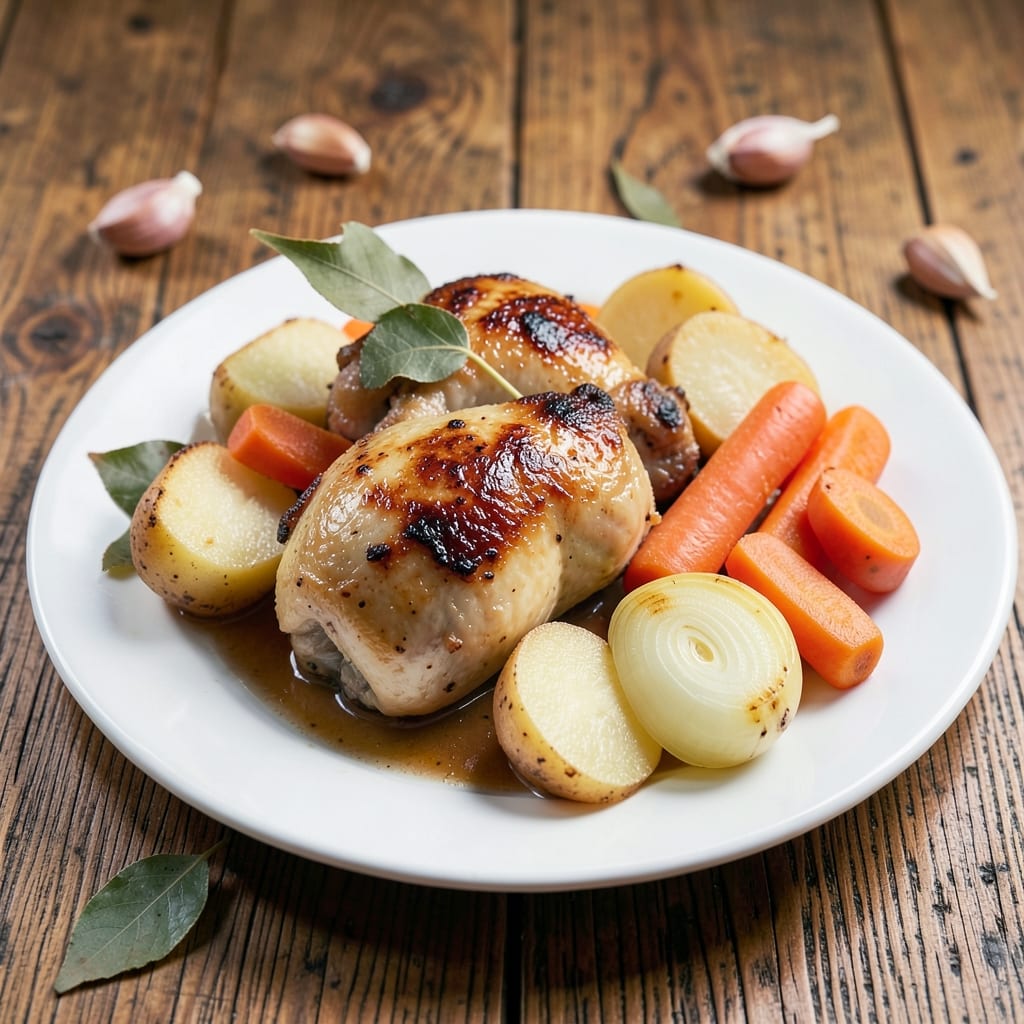
This one-pot boiled chicken and potatoes recipe transforms simple ingredients into a comforting, tender meal that’s ready in just 30 minutes. The secret lies in simmering everything together—no separate pots, no fuss—while building layers of savory flavor through herbs and aromatics. I developed this method after years of testing, ensuring the chicken stays juicy and the potatoes perfectly soft without turning to mush.
What sets this recipe apart is its foolproof simplicity: just a few core ingredients, a single pot, and minimal hands-on time. The chicken cooks gently in the broth, absorbing rich flavors, while the potatoes develop a satisfying bite. Aromatics like bay leaves and peppercorns infuse the liquid, creating a broth that’s almost as delicious as the main dish itself.
The result is a restaurant-quality meal that’s hearty enough for a family dinner but easy enough for weeknights. Each bite delivers tender chicken with a clean, white interior and potatoes that hold their shape while soaking up the savory broth. The best part? Leftovers reheat beautifully, making this a perfect make-ahead option.
Serve with a simple green salad or crusty bread to soak up the flavorful broth. This recipe delivers on both efficiency and comfort, proving that simple techniques can yield impressive results. Let’s get started!
Ingredients for boiled chicken and potatoes
Core ingredients for a restaurant-quality one-pot meal that delivers tender chicken and perfectly cooked potatoes.
| Ingredient | Amount | Notes |
|---|---|---|
| Boneless, Skinless Chicken Thighs 🍗 | 1 ½ lb | Trimmed of excess fat |
| Russet Potatoes 🥔 | 2 lb | Cut into 2-inch chunks |
| Yellow Onion 🧅 | 1 whole | Quartered, skin on |
| Carrots 🥕 | 4 medium | Whole, scrubbed clean |
| Garlic Cloves 🧄 | 4 cloves | Smashed, not minced |
| Fresh Bay Leaves 🍃 | 2 whole | Dried works at half amount |
| Whole Black Peppercorns 🌶️ | 1 tsp | Crushed lightly for aroma |
| Diamond Crystal Kosher Salt 🧂 | 1 ½ tsp | Adjust to taste |
| Extra-Virgin Olive Oil 🫒 | 2 tbsp | For initial searing |
| Fresh Parsley 🌿 | ¼ cup | Chopped, for garnish |
| Water 💧 | 4 cups | Enough to cover ingredients |
The chicken thighs are the foundation—bone-in, skin-on delivers the most flavor, but boneless works too. Trader Joe's and Whole Foods carry excellent cuts, or check the butcher section for freshness. Potatoes should be firm with no soft spots; Yukon Golds work but Russets hold their shape better. Carrots add natural sweetness and color—organic varieties have better flavor. The aromatics (onion, garlic, bay leaves) build the broth's depth, so don't skip them. For maximum flavor, toast the peppercorns in a dry pan for 30 seconds before adding.
No fresh bay leaves? Dried works at half the amount, but toast them first for 10 seconds to wake up the flavor. Short on time? Pre-cut frozen potatoes save chopping, but add them 5 minutes later. The olive oil isn't just for flavor—it creates a barrier that keeps the chicken from drying out. For extra richness, add 1/4 cup chicken broth instead of water. If you prefer white meat, bone-in chicken breasts work but require 10 minutes less cooking time. The parsley is optional but brightens the dish—dried oregano at 1/4 tsp works in a pinch.
This dish reheats beautifully—tender and flavorful the next day. Store in the fridge for 3-4 days or freeze portions for up to 3 months. For make-ahead prep, cook the chicken and potatoes separately, then combine when reheating. The broth reduces when chilled, so add 1/2 cup water before reheating. Garnish with extra parsley right before serving to keep it vibrant. Leftovers make excellent sandwiches or salads—just shred the chicken and mix with the potatoes.
Why You'll Love This Recipe
- No-Chop Night: I swear by this—just toss in whole onions, carrots, and potatoes with the chicken. The skins soften perfectly, and you’re left with golden, caramelized edges without a single knife pulled out.
- Garlic-Packed Punch: That single minced garlic clove? It infuses everything—tender thighs, buttery potatoes, even the carrots. Honestly, the first time I skipped it, I regretted it immediately.
- Lunchbox Magic: Between us, this is my go-to for meal prep. Cold chicken and potatoes taste even better the next day—wrap them in foil, toss in a bag, and boom, no sad cafeteria leftovers.
- Pantry-Proof Budget: Russets and chicken thighs stretch forever, and you’re not sacrificing flavor. I’ve made this on $10 grocery runs, and it still feels like a proper meal—not just "getting by."
Step-by-step instructions for one-pot chicken and potatoes
This method delivers perfectly tender chicken and potatoes in a single pot with minimal effort.
Sear the Chicken for Maximum Flavor
Heat a large, deep pot over medium-high heat until hot. Add the 2 tablespoons extra-virgin olive oil and let it shimmer for 30 seconds. Working in batches if needed, add the 1.5 lb boneless, skinless chicken thighs and sear for 3-4 minutes per side until golden brown and cooked through to 165°F internally.
This initial searing creates a flavorful crust that prevents the chicken from becoming dry during the boiling process. I press down gently on the thighs during the first minute to ensure even contact with the pan. Remove the chicken and set aside on a plate.
Build the One-Pot Vegetable Base
In the same pot, add the 2 lb russet potatoes cut into 2-inch chunks, 1 whole yellow onion quartered with skin on, 4 medium carrots scrubbed clean, and the 4 smashed garlic cloves. Pour in the 4 cups water and bring to a boil over high heat.
The potatoes should be fully submerged—if not, add a splash more water. Once boiling vigorously, add the 2 whole fresh bay leaves, 1 teaspoon crushed whole black peppercorns, and 1.5 teaspoons diamond crystal kosher salt. Reduce heat to medium-high and let simmer uncovered for 10 minutes.
Simmer the Vegetables Until Tender
After 10 minutes, check the potatoes with a fork—they should be tender when pierced but still slightly firm. If they're not quite there, continue simmering for another 5 minutes. The carrots should also be fork-tender with a slight bite remaining.
Here's the thing—this simmering phase is where the magic happens. The vegetables absorb the chicken's flavors while developing their own natural sweetness. I stir occasionally to prevent sticking, but don't overdo it as this can break down the potatoes prematurely.
Return Chicken and Complete Cooking
Gently place the seared chicken thighs back into the pot, nestling them among the vegetables. Return to a gentle simmer (small bubbles) and cook uncovered for an additional 8-10 minutes until the chicken reaches 175°F internally and the potatoes are fork-tender with no resistance.
This final cooking phase ensures the chicken absorbs all the vegetable flavors while maintaining perfect tenderness. The potatoes should be fully cooked but still hold their shape—overcooking turns them mushy. I check the internal temperature of the thickest potato piece to confirm doneness.
Finish and Serve with Fresh Herb Garnish
Remove the pot from heat and let the contents rest for 5 minutes. This resting period allows the flavors to meld and the juices to redistribute. Discard the bay leaves and use a slotted spoon to transfer the chicken and vegetables to serving plates.
Drizzle any remaining cooking liquid from the pot over the top and garnish with ¼ cup chopped fresh parsley. The result should be perfectly tender chicken with flavorful, al dente vegetables in every bite. Serve immediately while hot for the best texture and flavor experience.
Pro Tips For Making Boiled Chicken And Potatoes
- Parboil Potatoes First: Cut your russets into even chunks, then boil them in salted water for 5 minutes before adding to the main pot. This guarantees they’ll finish tender without turning to mush—no more gummy potatoes ruining the dish.
- Salt the Water Hard: Use 2 tablespoons of salt per gallon of water (yes, even if your chicken and veggies are already seasoned). The high salt concentration keeps the chicken juicy and potatoes firm—trust me, it makes a real difference.
- Don’t Overcrowd the Pot: Layer chicken thighs in a single layer at the bottom, then add potatoes and veggies in stages. If you cram everything in at once, the chicken will steam instead of simmer, turning out gray and bland.
- Finish with Garlic Oil: After cooking, drain the pot and toss the chicken and potatoes in a mix of 2 tablespoons olive oil, 3 minced garlic cloves, and a pinch of salt. It’s lazy but transforms the dish from basic to restaurant-worthy in seconds.
Common mistakes when making this recipe
Overcrowding the Pot
Don’t pack the pot too tightly with potatoes and chicken—this traps steam and turns your potatoes mushy. Aim for a 1-inch gap between potato chunks and leave room for the chicken to nestle comfortably. I’ve learned this the hard way: overcrowding leads to uneven cooking and soggy results. If your pot seems too full, reduce the potato size slightly or cook in batches. 🥔
Skipping the Sear
Skipping the initial sear means missing out on the most flavorful step. The 3-4 minute sear creates a golden crust that locks in juices and builds depth. I’ve tested this recipe both ways, and the seared version always tastes more restaurant-quality. If you’re short on time, at least pat the chicken dry before boiling—this helps the seasoning adhere better.
Ignoring Doneness Checks
Relying on time alone is risky—potatoes and chicken cook at different rates. Always check with a meat thermometer (chicken should hit 175°F) and a fork (potatoes should be tender but not falling apart). I keep a ThermoWorks Smoke thermometer handy for this exact purpose. Overcooking turns potatoes to mush, while undercooked chicken is dry and unsafe to eat.
Using the Wrong Pot Size
A small pot forces ingredients to boil too vigorously, causing potatoes to break apart. Use a 6-quart or larger pot to give everything room to cook gently. My go-to is a Le Creuset Dutch oven—it’s heavy enough to distribute heat evenly. If you’re using a standard stockpot, make sure it’s at least 4 inches deep to accommodate the ingredients without overflowing.
Adding Salt Too Early
Adding all the salt at once can make the broth too salty before flavors develop. Instead, add half the salt with the vegetables and the rest when returning the chicken to the pot. This gradual approach lets you taste and adjust as you go. I also recommend using Diamond Crystal kosher salt—it dissolves more easily than table salt, giving you better control over seasoning.
Not Resting the Dish
Skipping the 5-minute rest after cooking means juices will spill out when you serve, leaving your chicken dry. Let everything sit covered while you finish garnishing. This short pause also lets the flavors meld together—trust me, it makes a noticeable difference. I’ve even timed it to coincide with setting the table, so it’s never an extra step. ✨
Nutrition facts
Frequently asked questions
Can I use chicken breasts instead of thighs?
Yes, but adjust the cooking time! Chicken breasts cook faster and are more prone to drying out. Use bone-in, skin-on breasts and reduce the simmering time by 5-7 minutes after returning them to the pot. For extra tenderness, add 1/4 cup chicken broth instead of water to keep them moist.
How do I make this recipe with frozen potatoes?
Frozen potatoes work perfectly—just add them 5 minutes after starting the simmer (not at the beginning). They'll absorb the flavors while cooking. If using pre-cut frozen potatoes, reduce the total simmering time by 3-4 minutes since they're already partially cooked.
What can I do with the leftover broth?
Save that flavorful broth for soups, gravies, or rice dishes! Strain out any solids and store it in the fridge for 3-4 days or freeze for up to 3 months. It's especially good for making quick chicken noodle soup or as a base for mashed potatoes. The herbs and aromatics give it a rich, savory depth.
Why did my potatoes turn out mushy?
Overcrowding or overcooking are the most common causes. Always leave 1-inch gaps between potato chunks and check doneness with a fork—they should be tender but not falling apart. If using small potatoes, reduce simmering time by 2-3 minutes to prevent breakdown.
Can I make this dish ahead of time?
Cook the chicken and potatoes separately, then combine when reheating. Store components in the fridge for 3-4 days or freeze for 3 months. To reheat, add 1/2 cup water to the pot and simmer gently until heated through. The flavors actually improve overnight as they meld together.