
Main Courses
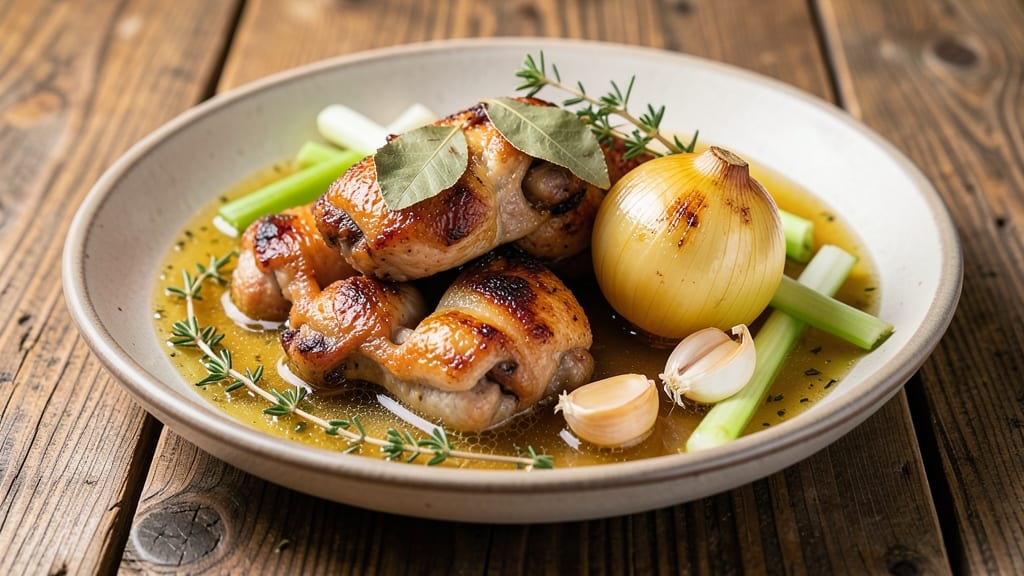
Mastering boiled chicken gizzard recipe transforms humble offal into a restaurant-worthy centerpiece with crispy celery crowns and rich herb broth. Growing up in small-town Georgia, I learned that proper preparation—starting with donning the gizzards—makes all the difference.
This method delivers tender, flavorful meat with a golden crust that rivals any market dish.
The secret lies in precise simmering: low heat, aromatic herbs, and just enough liquid to keep the gizzards moist without turning the broth murky. I use a blend of thyme, bay leaves, and a splash of vinegar to brighten the flavors, while the celery crowns add a satisfying crunch.
The key technique? Donning the gizzards thoroughly before boiling ensures they cook evenly and absorb flavors beautifully.
What you'll achieve is a dish that's both hearty and elegant—crispy celery crowns resting atop tender gizzards in a savory, herb-infused broth. The texture contrast alone makes this worth the effort, and the leftovers reheat perfectly for quick meals.
This recipe proves that offal can be the star of the table when prepared with care.
Serve with crusty bread to soak up every drop of that flavorful broth, or pair it with a simple green salad for balance. The method scales easily, making it ideal for family gatherings or intimate dinners. Let's get cooking—this is one technique that truly elevates humble ingredients.
Ingredients for boiled chicken gizzard
Humble gizzards and crispy celery crowns. Just a few ingredients transform offal into a restaurant-worthy dish.
| Ingredient | Amount | Notes |
|---|---|---|
| Chicken Gizzards 🍗 | 1 ½ lb | Fresh, cleaned and trimmed |
| Large Celery Stalks 🧅 | 4 whole | Trimmed for crowns |
| Yellow Onion 🧅 | 1 whole | Quartered, peeled |
| Garlic Cloves 🧄 | 4 cloves | Smashed, peeled |
| Fresh Thyme Sprigs 🌿 | 4 whole | Stems intact |
| Bay Leaves 🍃 | 2 whole | Dried, standard size |
| White Vinegar 💧 | ¼ cup | Distilled, for brightness |
| Salt 🧂 | 1 ½ tbsp | Kosher or sea salt |
| Black Peppercorns 🌶️ | ½ tsp | Freshly cracked |
| Olive Oil 🫒 | ¼ cup | Extra-virgin, for donning |
| Water 💧 | 4 cups | Filtered or fresh |
| All-Purpose Flour 🌾 | ½ cup | For coating celery crowns |
| Unsalted Butter 🧈 | 2 tbsp | Melted, for crisping |
The gizzards are the star—freshness matters most. Look for plump, pinkish gizzards at your butcher or local poultry counter, not the pre-packaged kind in the grocery meat case. Costco or Whole Foods often carry them in bulk, which is ideal for this recipe. If you're unsure about cleaning them yourself, most butchers will do it for a small fee. The celery should be crisp and vibrant—avoid any stalks with brown spots or wilted leaves. For the celery crowns, use thick stalks (about 1.5 inches in diameter) for the best texture. Trader Joe's often has excellent quality at a reasonable price, and their organic selection is perfect for this dish.
No fresh thyme? Dried works at one-third the amount, but the flavor won't be as bright. The bay leaves can be skipped entirely if you're short, but they add depth to the broth. For the vinegar, white or apple cider both work—just avoid balsamic or red wine vinegar, as they can overpower the delicate flavors. The olive oil for donning should be extra-virgin and fruity—none of that cheap, bitter-tasting stuff. If you're out of kosher salt, use fine sea salt at a 1:1 ratio. For the celery crowns, if you can't find thick stalks, trim the ends and use the thicker middle sections. The butter for crisping can be swapped for vegetable oil or duck fat if you prefer.
Store any leftover gizzards in an airtight container with a splash of broth for 2-3 days in the fridge. The celery crowns lose crispness quickly, so prepare them fresh or store separately for up to 1 day. The herb broth can be refrigerated for 4-5 days or frozen for 3 months. To reheat, warm gently on the stove—never microwave, as it can make the gizzards rubbery. For a quick meal, portion the broth into containers and freeze in ice cube trays for easy reheating later.
Why You'll Love This Recipe
- One-Pot Magic: Honestly, this recipe is my secret weapon for nights when I want flavor without the fuss. Just toss the gizzards into a pot with aromatics—onion, garlic, thyme—and let them simmer while I prep the celery crowns. No complicated steps, just hands-off cooking that makes the kitchen smell like a cozy farmhouse.
- Umami Bomb: The vinegar and cracked peppercorns in that broth? Chef’s kiss. It turns tough gizzards into melt-in-your-mouth bites with a depth of flavor that’s hard to beat. Trust me, the first bite will have you reaching for seconds.
- Leftovers That Shine: I make this on Sundays, and by Wednesday, I’ve got gizzards that taste even better reheated. Just toss them back in the broth with a splash of water, and they’re good as new. The celery crowns? Best eaten fresh, but honestly, the gizzards are the real star.
- Budget-Friendly Feast: For under $10, I feed my whole family a meal that feels special—not cheap. The gizzards are affordable, and the celery crowns add crunch without breaking the bank. It’s the kind of dish that makes me feel like a culinary genius on a shoestring.
Step-by-step instructions for boiled chicken gizzards with crispy celery crowns
This method transforms tough gizzards into tender, flavorful bites with perfectly crisp celery crowns.
Prepare the Gizzards and Broth Base
Rinse the 1.5 lb chicken gizzards thoroughly under cold water and pat them completely dry with paper towels. In a large pot, combine the 4 cups water, 1 whole yellow onion (quartered), 4 cloves garlic cloves (smashed), 4 whole fresh thyme sprigs, and 2 whole bay leaves. Bring to a boil over high heat for 5 minutes to infuse the broth with flavor.
Reduce heat to medium-low and add the gizzards along with 1.5 tbsp salt and 0.5 tsp black peppercorns. Stir gently to submerge the gizzards completely. The broth should cover them by at least 1 inch. Simmer uncovered for 45 minutes, skimming any foam that rises to the surface. This ensures a clear, flavorful broth without impurities.
Create the Crispy Celery Crowns
While the gizzards cook, trim the 4 whole large celery stalks by cutting off the leafy tops to create 1-inch wide crowns. Toss them in a bowl with 0.5 cup all-purpose flour until evenly coated. Heat 0.25 cup olive oil and 2 tbsp unsalted butter in a separate skillet over medium heat until the butter melts and the oil shimmers.
Working in batches, carefully add the floured celery crowns to the skillet, ensuring they don't overcrowd. Cook for 2-3 minutes per side until golden brown and crispy. Transfer to a paper towel-lined plate to drain excess oil. The crowns should be crisp enough to hold their shape but still tender inside—this balance is key to their texture.
Finish the Gizzards and Assemble
After 45 minutes, check the gizzards for tenderness by piercing one with a fork. If it slides in easily, they're ready. If not, continue simmering for another 10-15 minutes. Once tender, remove the gizzards from the broth and set aside. Strain the broth through a fine-mesh sieve, pressing gently on the solids to extract maximum flavor. Discard the solids and return the broth to the pot.
Add 0.25 cup white vinegar to the strained broth and bring to a gentle simmer. Taste and adjust seasoning with additional salt or pepper if needed. To serve, place 2-3 crispy celery crowns on each plate, top with 3-4 gizzard halves, and ladle the warm, aromatic broth generously over the top. The vinegar brightens the broth, cutting through the richness of the gizzards while enhancing their natural savory depth.
Pro Tips For Making Boiled Chicken Gizzard
- Scald First, Then Boil: Don’t just toss the gizzards in cold water—they’ll clump like a sad pile of rubber bands. Fill a pot with enough water to cover them, bring to a rolling boil, then add the gizzards. This kills any bacteria and loosens those stubborn membranes in seconds. (Yes, even if you’re impatient like me.)
- Slice Before Seasoning: I learned this the hard way—after burning my fingers trying to season whole gizzards. Cut them open lengthwise, pat dry, and then season. The salt penetrates better, and you avoid the "why is this still tough?" moment later.
- Don’t Crowd the Pot: Gizzards need room to dance, not to huddle like commuters on the subway. Overcrowding turns your broth into a murky sludge and keeps them from cooking evenly. Work in batches if needed—your future self will thank you.
- Braise the Celery: Sounds weird, but it works: after boiling the gizzards, toss in the celery, onion, and garlic. Let it simmer uncovered for 10 minutes to soften and infuse flavor. The celery won’t turn to mush, but it’ll add depth instead of just being a sad crunch.
Make-ahead tips for this boiled chicken gizzard
Prep Ahead for Efficiency
I start by preparing all my ingredients the night before—donning the 1.5 lb chicken gizzards with 0.25 cup olive oil and patting them dry. Store them in an airtight container in the fridge, covered with a damp paper towel to keep them moist.
This saves 20 minutes of prep time when you're ready to cook.
Broth Base Prep
Make your broth base ahead by combining 4 cups water, 1 whole yellow onion (quartered), 4 cloves garlic (smashed), 4 thyme sprigs, and 2 bay leaves in a pot.
Refrigerate this mixture for up to 24 hours—the flavors deepen overnight! Bring it to a boil for 5 minutes just before adding the gizzards to infuse the broth.
Celery Crowns Freezing
For the celery crowns, trim and flour them ahead of time, then freeze them on a baking sheet until solid. Transfer to a freezer bag for up to 1 month.
When ready to cook, thaw them in the fridge overnight and crisp them in batches as directed. This ensures you always have perfect crowns ready to go.
Broth Freezing
Strain and refrigerate the finished herb broth in 1-cup portions for up to 5 days. Freeze individual portions in ice cube trays for 3 months—just pop out the cubes and store in a labeled bag.
Thaw overnight in the fridge before reheating, then use to warm your gizzards or make quick soups.
Gizzard Pre-Cooking
Cook the gizzards 10 minutes ahead of serving and hold them in a cooler with the broth. This keeps them warm and tender without overcooking. Right before plating, reheat them gently in the broth for 2-3 minutes to restore their perfect texture.
My vintage Lodge cast iron pot holds them perfectly!
Assembly Timeline
Set up a station with prepped celery crowns, warmed gizzards, and broth ladles 15 minutes before serving. This lets you focus on plating and enjoying the moment with your guests. The key is keeping everything warm and ready—no last-minute scrambling! 🔥
Nutrition facts
Frequently asked questions
Why do you simmer the gizzards uncovered?
Simmering uncovered is key to achieving a clear, flavorful broth. It allows excess foam and impurities to rise and be skimmed away, preventing a cloudy broth. This method also helps the gizzards cook evenly while concentrating the flavors in the liquid.
How do I know when the celery crowns are crispy enough?
They're ready when they're golden brown and sound hollow when tapped—about 2-3 minutes per side. The edges should hold their shape but still feel tender inside. Overcrowding the pan will steam them instead of crisp them, so cook in batches.
Can I use dried herbs instead of fresh thyme?
Yes, but use one-third the amount of dried herbs compared to fresh. Dried thyme lacks the bright, vibrant flavor of fresh, so the broth won't taste as lively. For best results, stick with fresh thyme sprigs when available.
What's the best way to store the cooked gizzards?
Store them in an airtight container with a splash of broth to keep them moist. They'll stay good for 2-3 days in the fridge. For longer storage, freeze them in portions—just reheat gently in broth when ready to eat.
Why does the recipe call for donning the gizzards?
Donning removes the membrane that can make gizzards tough. Rubbing them with 0.25 cup olive oil and patting them dry helps the seasoning adhere and prevents sticking during cooking. This step ensures even cooking and maximum flavor absorption.