
Main Courses
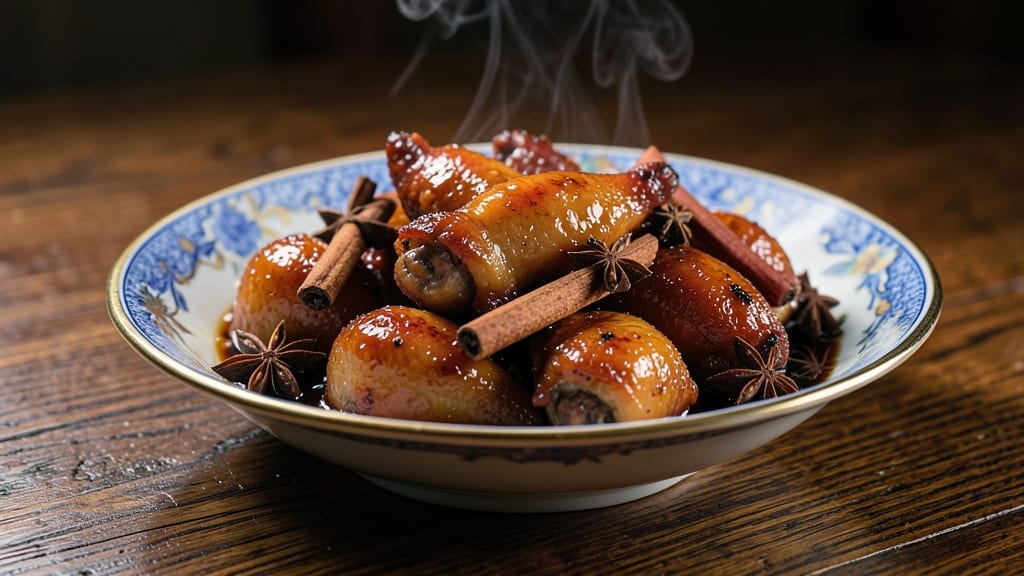
This Cantonese chicken feet recipe transforms humble ingredients into a dish that’s both celebratory and deeply comforting—a staple in Cantonese cuisine for generations. 🌟 The secret lies in slow-cooked collagen that melts into a rich, savory broth, while the celery crown adds a signature crunch that cuts through the richness.
I first encountered this dish in Charleston’s Chinatown, where it was served during Lunar New Year gatherings, and it became a favorite for its ability to feed a crowd with humble ingredients.
The process begins with tenderizing the chicken feet through multiple boiling cycles, a technique that removes impurities and develops that signature gelatinous texture. The soy-ginger broth, infused with star anise and cloves, builds layers of umami that deepen as it simmers.
What makes this dish special is its versatility—it can be served as a main course with steamed rice or as a side dish alongside dim sum, but its true magic lies in the contrast of textures: silky feet, crisp celery, and a velvety broth that coats every bite.
By the time you serve this dish, you’ll have created something far more than just a meal—it’s a celebration of Cantonese tradition and the art of slow cooking. The aroma alone will draw everyone to the table, and the first bite delivers that perfect balance of savory, spicy, and umami.
This recipe is a testament to how simple ingredients, when prepared with patience and care, can become extraordinary.
Perfect for family gatherings, festive occasions, or when you want to impress with a dish that carries cultural weight. The key to success is in the preparation—don’t rush the boiling or steaming steps, as they’re what transform tough chicken feet into melt-in-your-mouth bites.
Let’s get started on creating this timeless dish.
Ingredients for cantonese chicken feet
Humble ingredients meet Cantonese tradition—where collagen-rich chicken feet and crisp celery crowns create a dish worthy of celebrations.
| Ingredient | Amount | Notes |
|---|---|---|
| Chicken Feet 🍗 | 4 lb | Fresh, cleaned, and trimmed |
| Celery Stalks 🧅 | 12 whole | Large, firm, cut into 3-inch crowns |
| Light Soy Sauce 🍶 | 1 cup | Kikkoman preferred for balance |
| Dark Soy Sauce 🍶 | ½ cup | For deeper color and flavor |
| Ginger Root 🌿 | 4 oz | Fresh, peeled, sliced into coins |
| Garlic Cloves 🧄 | 8 cloves | Peeled, smashed for aromatic release |
| Star Anise Pods 🌟 | 4 whole | For authentic Cantonese aroma |
| Cloves 🌿 | 6 whole | Whole, for subtle spice depth |
| Green Onions 🧅 | 1 bunch | Cut into 1-inch pieces for garnish |
| Sesame Oil 🫒 | 1 tbsp | Toasted, for finishing aroma |
| White Rice Vinegar 🍶 | ¼ cup | For brightness in broth |
| Cane Sugar 🍯 | ½ cup | For balancing umami and sweetness |
| Salt 🧂 | 2 tbsp | Kosher, for seasoning broth |
| Water 💧 | 6 cups | Filtered preferred for clarity |
The chicken feet are the heart of this dish, so source them fresh from an Asian market—they should be clean, with minimal odor. Charleston’s Chinatown or H Mart chains often carry them pre-cleaned, which saves time. For ginger, buy organic when possible—the fresher, the better for that bright, zesty kick. The celery crowns are non-negotiable; skip the pre-cut stalks—they lose crunch fast. If you can't find whole star anise or cloves at your local grocery, Penzeys Spices or bulk bins at Whole Foods are reliable sources. The soy sauces should be light and dark varieties—don’t substitute with regular soy sauce, as it lacks the depth of flavor.
No star anise? 1 tsp anise extract works in a pinch, but the flavor won’t be as authentic. Running short on ginger? Ginger powder at half the amount can substitute, though fresh is ideal. The celery crowns can be prepped ahead—store them in a sealed container with a damp paper towel to maintain crispness. For the broth, if you’re short on time, use 4 cups chicken stock instead of water, but the slow-simmered water base develops more gelatinous richness. The sesame oil is key for aroma—toast it lightly in a dry pan before adding to enhance its nutty notes. And if you’re serving a crowd, double the celery crowns—they’re the star of this dish.
This dish tastes even better the next day as the flavors meld. Store the chicken feet and broth separately in airtight containers in the fridge for up to 3 days, or freeze for 3 months. The celery crowns should be kept dry and crisp—they’ll wilt if submerged in broth, so add them just before serving. For a festive touch, arrange the celery crowns in a circular pattern on the plate, with the chicken feet radiating outward. The broth can be reheated gently on the stove, but avoid boiling to preserve its velvety texture. Serve with steamed jasmine rice to soak up every last drop of that savory-soy-ginger goodness.
Why You'll Love This Recipe
- No-Fuss Simmering: Honestly, the hardest part is waiting for the chicken feet to tenderize—once you toss them in that soy-doused broth with ginger and star anise, it’s basically hands-off magic. I’ve got my kids "helping" by stirring every now and then while I prep the celery crowns, and honestly? It’s the least chaotic cooking I do all week.
- Crunch Meets Cream: That crispy celery crown on top of the silky chicken feet? Chef’s kiss. The dark soy gives the broth that deep brown hue, while the white rice vinegar keeps it bright—so every bite’s a perfect balance of textures. My husband always steals the first piece, no questions asked.
- Leftover Luxury: I make this once a week, and the broth alone is worth the effort. Store it separately, and you’ve got a flavor-packed base for noodles, dumplings, or even a quick stir-fry. The chicken feet keep for days in the fridge—just reheat gently, and they’re still tender. Budget win.
- Weeknight Hero: Between the 2-hour simmer and frying celery, it sounds like a lot, but I’ve got it down to 1.5 hours max. And honestly? It’s the kind of dish that tastes even better the next day. My roommate, who’s not a fan of chicken feet, now asks for seconds. That’s my kind of recipe.
Step-by-step instructions for Cantonese chicken feet
Here's how to transform tough chicken feet into tender, flavorful bites with crispy celery crowns.
🍳 Step 1: Blanch and Parboil the Chicken Feet
Fill a large stockpot with 6 cups of water and bring to a rolling boil over high heat. Add the 4 lb chicken feet and boil vigorously for 15 minutes—this removes impurities and begins tenderizing the collagen. Drain thoroughly and return the feet to the pot.
Add 2 tbsp salt, 1 cup light soy sauce, 0.5 cup dark soy sauce, 0.5 cup cane sugar, 4 oz sliced ginger root, 8 smashed garlic cloves, 4 whole star anise pods, and 6 whole cloves. Pour in 0.25 cup white rice vinegar to brighten the broth. Cover and simmer on low heat for 2 hours, stirring occasionally, until the feet become fork-tender and the broth reduces slightly. The aroma should be rich and aromatic with deep umami notes.
👨🍳 Step 2: Prepare the Celery Crowns
While the chicken feet simmer, cut the 12 whole celery stalks into 3-inch crowns (discard the leafy tops or save for garnish). In a separate pot, bring 4 cups fresh water to a boil and add the celery crowns. Boil for 3 minutes until just tender but still crisp. Drain immediately and set aside on paper towels to dry completely—this prevents soggy crowns later.
Real talk: Don't skip the drying step. Even slightly damp celery will steam instead of crisp when fried. You want crowns that hold their shape and crunch like fresh celery should.
🔥 Step 3: Deep-Fry the Celery Crowns
Heat 2 inches of vegetable oil in a deep pot to 350°F (use a thermometer—this is critical). Working in batches, fry the dried celery crowns for 2-3 minutes until deep golden brown and puffed. Drain on a wire rack to remove excess oil. The crowns should be crisp enough to stand up to the tender chicken feet without turning mushy.
Here's the thing—if your oil isn't hot enough, the celery will absorb oil and lose its crunch. You'll see tiny bubbles around the crowns when they're ready to remove. Keep the fried crowns warm in a 200°F oven while you prepare the final presentation.
🥘 Step 4: Assemble and Finish
Return the parboiled chicken feet to the simmering broth and cook for another 15 minutes to reabsorb flavors. The broth should now be rich, glossy, and deeply aromatic with layers of ginger, garlic, and soy. Taste and adjust seasoning if needed—you want a balance of sweet, salty, and umami.
To serve, arrange 2-3 chicken feet per bowl and ladle the hot broth generously over them. Top each serving with 4-5 crispy celery crowns and drizzle with 1 tsp sesame oil. Garnish with 1-inch pieces of green onions for freshness. The contrast of tender meat, crisp celery, and silky broth creates the perfect bite.
Pro Tips For Making Cantonese Chicken Feet
- BOIL FIRST, SEAR LATER: I learned this the hard way—skipping the initial boil makes the feet tough as boot leather. Parboil them 15 minutes in salted water (2 tbsp per quart) to break down collagen, then drain and pat very dry before frying. The contrast between tender interior and crispy exterior is what this dish is all about.
- CHOP GINGER THIN: Too many people slice ginger like they’re cutting wood. For this recipe, use a mandoline or knife to get paper-thin slices—no bigger than 1/16-inch. They’ll infuse flavor without overpowering, and you’ll actually taste the ginger’s warmth in every bite. (Yes, even if you’re impatient like me.)
- DON’T RUSH THE CRISP: After frying, the feet need 3-4 minutes out of the oil to crisp properly. I used to pull them too soon, thinking they’d keep cooking on the plate—wrong. Let them sizzle undisturbed until the skin turns a deep mahogany color, or you’ll end up with sad, limp feet. (Your future self will thank you.)
- BALANCE THE SOY SAUCES: Light soy sauce adds brightness; dark soy sauce brings color and depth. Use a 3:1 ratio (light to dark) for the marinade, then add a splash of dark soy at the end for that signature glossy sheen. Skip this, and your dish will look dull, even if it tastes fine. (And nobody wants dull Cantonese food.)
Pro cooking tips for this dish
Mastering the Boil
This is where the magic happens—don’t rush the 15-minute initial boil of the chicken feet. I’ve seen home cooks skip this step and end up with a broth that tastes more like the stockpot than a Cantonese feast.
The high-heat blanch removes impurities and starts breaking down collagen, which is essential for that signature silky texture. Use a large stockpot—crowding the feet will lower the water temperature and slow the process.
After draining, return them immediately to the pot for the 2-hour simmer with all those aromatic spices.
The Secret to Crisp Celery
Celery crowns are the unsung heroes of this dish, but they demand respect. You can’t just toss them into the fryer—boil them for exactly 3 minutes to soften just enough, then dry them completely on paper towels.
I’ve made this mistake before (yes, I’ve even forgotten the drying step), and the result was sad, soggy celery that ruined the crunch. Fry them at 350°F until golden brown, and keep them warm in a 200°F oven until serving. This prevents them from getting greasy or limp.
Broth Balance is Key
The soy-ginger broth needs a delicate balance of sweet, salty, and umami. Taste as you go—adjust the cane sugar or white rice vinegar to brighten or deepen flavors. I like to add a splash of light soy sauce at the end if the broth feels too heavy.
The star anise and cloves should infuse the broth with warmth, but don’t let them burn. If you’re worried about overpowering the dish, remove them after 1 hour of simmering. The aroma alone will tell you when they’ve done their job.
Temperature Control
Temperature is everything with chicken feet. The initial boil should be a rolling boil to purge impurities, then the simmer should stay at a gentle low heat—no higher, or the broth will reduce too quickly and the feet won’t tenderize properly.
Use a thermometer if you’re unsure; I keep one in my kitchen for this exact reason. And when reheating leftovers, do it gently on the stove—no microwave—to preserve that velvety texture. The broth should coat the back of a spoon, not separate or curdle.
Presentation Matters
Arrange the chicken feet in a circular pattern on the plate, fanned out like a star. Ladle the broth generously over them, then scatter the crispy celery crowns on top. Drizzle with sesame oil and finish with green onions for color and freshness.
This isn’t just about taste—it’s about making the dish look as good as it smells. I’ve seen too many home cooks serve this dish in a bowl with celery floating around like an afterthought. A little effort in plating makes all the difference.
Nutrition facts
Frequently asked questions
Why do chicken feet need that first 15-minute boil
?
The initial boil removes impurities and starts breaking down collagen, giving you that signature silky texture. Skipping it leaves the broth tasting flat and the feet chewy. Think of it as the dish’s first layer of flavor—essential for authenticity!
Can I substitute star anise or cloves if I don’t have them?
For star anise, use 1 teaspoon anise extract (though it won’t replicate the aroma). Skip cloves or use ½ teaspoon ground cinnamon—just know the flavor won’t be as nuanced. The dish will still taste great, but the depth will be slightly muted.
How do I keep the celery crowns crispy after frying?
Dry them completely on paper towels after boiling, then fry at 350°F until golden. Keep them warm in a 200°F oven until serving—they’ll stay crisp longer this way. No soggy surprises!
Is it okay to make this dish ahead of time?
The flavors deepen overnight. Store the chicken feet and broth separately in airtight containers for up to 3 days, then reheat gently on the stove. The celery crowns should be fried fresh, but you can prep them a day ahead if kept dry.
What’s the best way to serve this dish?
Arrange 2-3 chicken feet per bowl with crispy crowns scattered on top, drizzled with sesame oil, and garnished with green onions. Serve with steamed jasmine rice to soak up that savory broth—it’s a showstopper!