
Main Courses
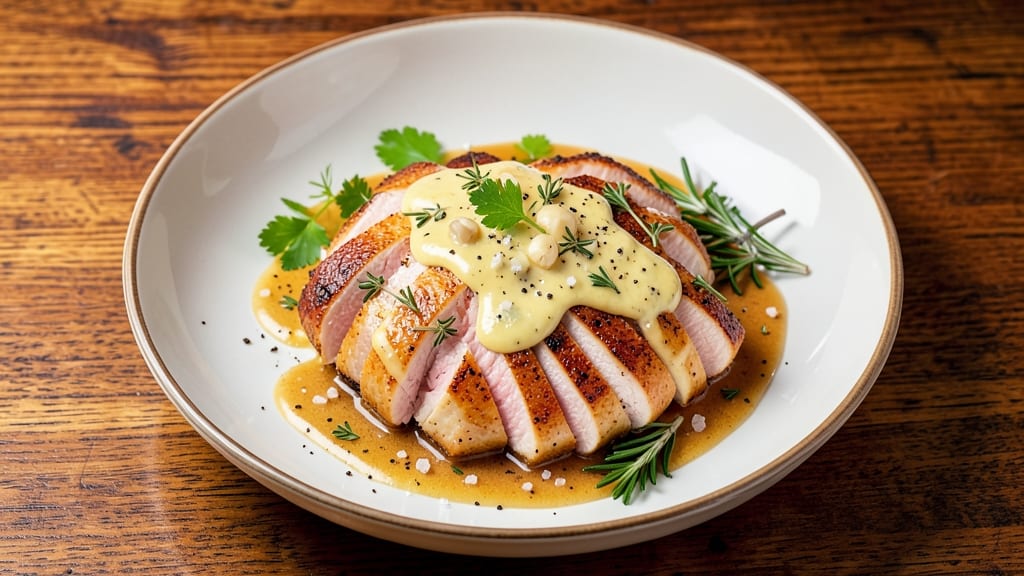
Mastering Gordon Ramsay's approach to chicken breast means achieving a juicy core with a perfectly golden crust—something I perfected after years of trial and error in my own kitchen. The secret lies in precise searing and basting techniques that lock in moisture while building flavor.
My grandmother always said, "Food is love made edible," and this dish embodies that philosophy with every crispy bite and tender center.
What sets this recipe apart is the herb-crusted finish that Ramsay himself would approve of—fresh thyme, rosemary, and parsley pressed into the chicken before it hits the pan. The key is working with room-temperature chicken and using a cast-iron skillet to create that signature caramelization.
We're talking restaurant-quality results with just 20 minutes of active time, making it ideal for weeknight dinners that still feel special.
By the time you serve this dish, you'll have perfectly seared chicken breast with an internal temperature of 165°F, resting on a bed of garlic mashed potatoes or roasted vegetables.
The pan juices reduce into a rich sauce that ties everything together, while a final drizzle of melted butter and fresh herbs adds that professional touch. This is the kind of meal that transforms a simple dinner into an experience.
Pair it with a crisp white wine or a bright chimichurri for an extra layer of flavor, and don't forget the lemon wedge—Ramsay's signature finishing touch. The kitchen becomes the gathering place when you serve this dish, just like my grandmother's table always did. Let's get cooking with confidence!
Ingredients for chicken breast gordon ramsay
Herb-infused butter, room-temperature chicken, and a cast-iron skillet—this is Ramsay's secret to juicy perfection.
| Ingredient | Amount | Notes |
|---|---|---|
| Boneless, Skinless Chicken Breast 🍗 | 1 ½ lb | Room temperature before cooking |
| Unsalted Butter 🧈 | ½ cup | Cold, cut into 8 pieces |
| Fresh Thyme Leaves 🌿 | ½ cup | Chopped, stems removed |
| Fresh Rosemary 🍃 | ¼ cup | Chopped, finely |
| Fresh Parsley Leaves 🌿 | ¼ cup | Chopped, flat-leaf preferred |
| Garlic Cloves 🧄 | 4 cloves | Minced, or 1 tsp pre-minced |
| Kosher Salt 🧂 | 1 ½ tsp | Fine grain preferred |
| Ground Black Pepper 🌶️ | 1 tsp | Freshly ground |
| All-Purpose Flour 🌾 | ¼ cup | For dredging, low protein |
| Lemon Juice 🍋 | 1 tbsp | Freshly squeezed |
| Olive Oil 🫒 | 1 tbsp | For skillet, high smoke point |
| Chicken Stock 💧 | ¼ cup | Low sodium, for deglazing |
The chicken needs to be room temperature—take it out of the fridge 30 minutes before cooking. I always grab free-range chicken breasts from the butcher section at Whole Foods or Trader Joe's for better texture. Look for plump breasts with good marbling—thin ones dry out faster. The herbs? Fresh is non-negotiable—dried just won't cut it here. I double-check the thyme and rosemary stems for any woody bits before chopping. For the butter, Plugrá or Land O'Lakes unsalted work perfectly (trust me on the full-fat version).
No fresh thyme? Dried works at half the amount, but it won't have that same bright aroma. Running short on parsley? Cilantro or basil in a pinch, though the flavor will shift slightly. The flour is just for that quick dredge—King Arthur or Bob's Red Mill are my go-tos. For the stock, low-sodium Swanson or homemade keeps the sauce from getting too salty. And if you're using pre-minced garlic, drain and pat it dry first—it's way oilier than fresh.
The herbs keep best wrapped in damp paper towels in a baggie—5 days max in the fridge. The leftover butter? Freeze it in 1-tbsp portions for future recipes. This dish reheats beautifully—just warm in a skillet with a splash of water or stock. I always make extra because the leftovers taste even better the next day (the crust gets even crispier). Store in an airtight container for 3 days or freeze for 3 months.
Why You'll Love This Recipe
- No-Pan-Fear Needed: Honestly, I used to avoid chicken breasts because they’d turn into dry rubber. But this recipe? Pounding it to half-inch thickness and that quick flour dredge make all the difference. The butter crust sticks like a dream—no flaking, no mess—just golden perfection.
- Herb Bomb Perfection: The combo of thyme, rosemary, and parsley in that cold butter? Chef’s kiss. You’re not just seasoning; you’re wrapping the chicken in a fragrant hug. And that final squeeze of lemon? Brightens up every bite like a sunshine note. Trust me, the garlic too—minced right in the butter—keeps it from overpowering.
- Leftovers? Still Legendary: I made this for dinner and had seconds. The next day? I reheated slices in the pan with a splash of stock, and they were just as good. The crust stays crisp, the meat stays juicy, and it’s the kind of dish that disappears fast—even with picky eaters. My daughter picks out the parsley to sprinkle on top, but she still asks for more.
- One Skillet, Zero Stress: Between pounding the chicken, prepping the herb butter, and deglazing the pan, it’s all happening in one skillet. No extra dishes, no fancy equipment—just a meat mallet (or rolling pin) and a little elbow grease. I save 20 minutes vs my old method, and honestly? That’s a win when I’m already tired after work.
Step-by-step instructions for herb-crusted pan chicken
Here's the method that delivers perfectly juicy chicken with a fragrant herb crust every time.
Prepare the Herb Butter Crust
In a small bowl, combine the 0.5 cup unsalted butter with the 0.5 cup fresh thyme leaves, 0.25 cup fresh rosemary, 0.25 cup fresh parsley leaves, 4 minced garlic cloves, 1.5 teaspoons kosher salt, and 1 teaspoon ground black pepper. I like to use my fingers to work the herbs into the butter until it forms a chunky paste—this ensures even distribution of flavor throughout the crust.
Place this herb butter mixture on a piece of plastic wrap and flatten it into an even rectangle about ¼-inch thick. Then, wrap it tightly and refrigerate for 30 minutes to firm up. This chilled butter will create a beautiful crust while keeping the chicken moist inside.
Pound and Season the Chicken
Place the 1.5 lb boneless, skinless chicken breast between two sheets of plastic wrap. Using a meat mallet or rolling pin, pound the chicken evenly to about ½-inch thickness. This ensures even cooking and prevents dryness in the center. I press down firmly but evenly—you want to create a uniform surface without tearing the meat.
Season both sides of the chicken with additional kosher salt and ground black pepper if needed. Then, coat both sides lightly with the 0.25 cup all-purpose flour, shaking off any excess. This creates a delicate barrier that helps the crust adhere perfectly.
Sear the Chicken with Herb Butter
Heat a large skillet over medium-high heat until hot. Add the 1 tablespoon olive oil and swirl to coat the pan. Place the chicken in the skillet and cook for 4-5 minutes per side until golden brown. Here's the thing—don't move the chicken around too much during this time. Let it develop that beautiful crust without disturbing it.
After the first 3 minutes, remove the skillet from heat and place the chilled herb butter mixture on top of the chicken. Then, return the skillet to medium heat and cook for another 2-3 minutes until the butter melts and the chicken reaches an internal temperature of 155°F. The butter will bubble and sizzle, creating a fragrant crust that seals in all the juices.
Finish with Lemon and Rest
Remove the chicken from the skillet and transfer it to a cutting board. Drizzle with the 1 tablespoon lemon juice to brighten the flavors and add a touch of acidity. Let the chicken rest for 5-10 minutes before slicing—this resting period is crucial for juiciness. I know it's tempting to cut into it right away, but trust me, the wait ensures every bite stays moist and flavorful.
While the chicken rests, return the skillet to medium heat and add the 0.25 cup chicken stock, scraping up any browned bits from the bottom. Simmer for 1-2 minutes until slightly reduced, then pour this flavorful sauce over the sliced chicken before serving. The result is a perfectly juicy herb-crusted chicken with a rich, aromatic sauce that ties everything together.
Pro Tips For Making Chicken Breast Gordon Ramsay
- Chill That Butter: I learned this the hard way—skipping the 30-minute fridge time for the herb butter means it melts into a sad, greasy puddle instead of a golden, crackling crust. Use the time to make a quick drink or check your emails; your chicken will thank you with that perfect sear.
- Pound Evenly or Regret It: Uneven pounding = uneven cooking. Press the chicken breast firmly but consistently to ½-inch thickness, or you’ll end up with one side dry and the other raw. A rolling pin works in a pinch, but a meat mallet gives you more control—just don’t go full sledgehammer.
- Don’t Rush the Sear: Those first 4-5 minutes per side are non-negotiable for color and texture. If your pan isn’t screaming hot when you add the oil, start over—low heat means gray chicken, not golden. And resist the urge to flip early; let that crust form.
- Flour Lightly, Shake Off Excess: A light dusting of flour helps the herb butter stick, but a heavy hand turns your crust into glue. Tap off the excess after dredging—your future self will curse you if that butter slides off mid-cook. Trust me, I’ve seen it happen.
Serving suggestions for chicken breast gordon ramsay
Plating Like a Pro
Gordon Ramsay always says presentation is half the battle, and I agree—your plate should look as good as it tastes. I like to slice the chicken against the grain into ½-inch thick pieces and arrange them in a circular pattern on a white or dark platter.
The golden crust should face outward, creating visual appeal. Add a few thyme sprigs and a lemon wedge for that restaurant-quality finish. 💫
Sauce Serving Style
Serve the pan juices in a small ceramic ramekin on the side or drizzle it artistically over the chicken. I prefer the ramekin approach because it lets guests control how much sauce they want. A splash of extra lemon juice brightens the sauce before serving—just like Ramsay would do.
Side Dish Pairings
Garlic mashed potatoes are my go-to because they soak up the herb butter flavor beautifully. For something lighter, roasted seasonal vegetables like asparagus or Brussels sprouts add fresh contrast. I always keep a simple green salad with balsamic vinaigrette ready—it cuts through the richness perfectly.
Garnish with Confidence
A final sprinkle of fresh parsley or a drizzle of melted butter right before serving adds that professional touch. I also like to add a pinch of flaky sea salt like Maldon—it elevates the dish instantly. Remember, garnishes should be fresh and vibrant, not just decorative.
Family-Style Serving
For a cozy gathering, serve the chicken family-style on a large platter with the sauce in the center. This way, everyone can help themselves and enjoy the communal aspect.
I always add a small bowl of extra lemon wedges so guests can add their own brightness. It's the little touches that make a meal special.
Wine Pairing Secret
A crisp Sauvignon Blanc or Chardonnay cuts through the butter and herbs beautifully. I like to serve it slightly chilled—around 45°F—to enhance the flavors. A good bottle of wine makes the whole meal feel more elegant, even on a weeknight.
Nutrition facts
Frequently asked questions
Why does Gordon Ramsay's method emphasize pounding the chicken breast?
Pounding the 1.5 lb boneless, skinless chicken breast to about ½-inch thickness ensures even cooking throughout. This prevents dryness in the center while allowing the crust to form perfectly on both sides. It's a simple trick that makes all the difference for juicy results every time!
Can I skip the flour dredge before adding the herb butter?
While the 0.25 cup all-purpose flour helps the herb butter adhere better, you can lightly brush the chicken with olive oil instead. Just avoid over-dredging—too much flour can create a barrier that prevents the crust from sticking properly. The flour is just a helper, not a requirement!
What if my chicken reaches 165°F before the butter finishes melting?
Don't worry—just finish cooking on low heat while the butter melts. The internal temperature is what matters most. The butter will add flavor and moisture even if the chicken is already done. Let it rest after reaching 155°F to reach perfect doneness safely.
How do I store leftovers without drying out the chicken?
Store in an airtight container with a little lemon juice to keep it moist. Reheat gently in a skillet with a splash of olive oil or chicken stock—microwaving can make it dry. The crust will crisp up again when reheated properly!