
Main Courses
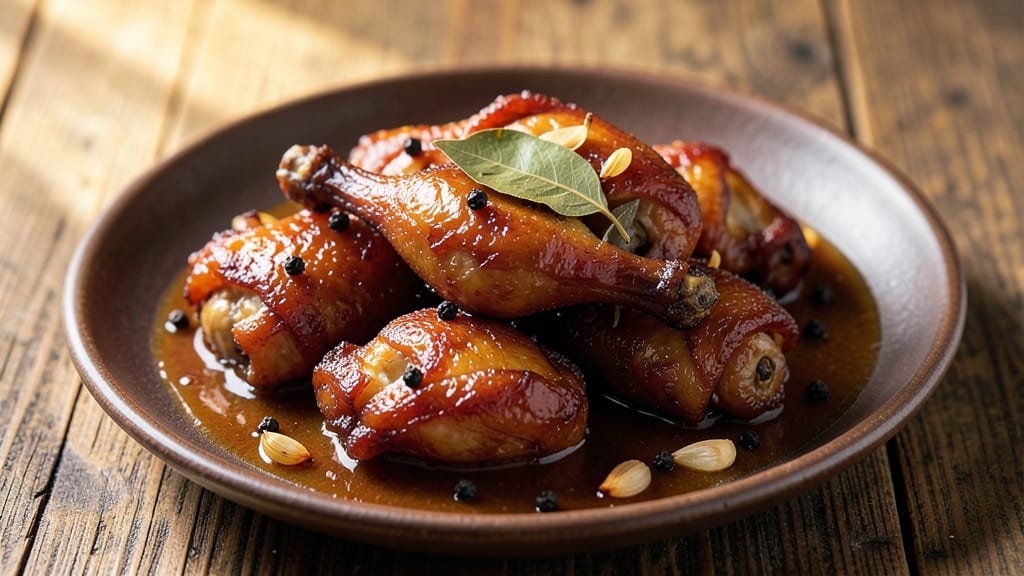
Transforming chicken feet into crispy, celery-crowned adobo requires patience and precision—a dish where tender meat meets vinegar-soaked magic. This Filipino classic turns what might seem unusual into a savory, aromatic masterpiece that delivers restaurant-quality results at home.
The secret lies in the slow braising process, where garlic, soy, and vinegar meld into a rich, tangy sauce that clings to every crispy edge.
What sets this recipe apart is the transformation of chicken feet into crispy, celery-topped delights—a texture and flavor experience that rewards your effort. The process begins with thorough cleaning and parboiling, ensuring the feet are tender before they absorb the bold adobo marinade.
Low-and-slow cooking develops deep, complex flavors, while the final crisping step creates those iconic celery crowns that make this dish unforgettable.
By the time you serve this dish, you’ll have a rich, vinegar-braised centerpiece with crispy edges that crackle at every bite. The sauce, infused with bay leaves and spices, balances sweet, sour, and umami notes perfectly.
Pair it with steamed rice and a simple green salad to let the adobo shine as the star of the meal.
For those who love modern twists, consider adding a splash of coconut milk for creaminess or a dash of chili for heat. This recipe adapts beautifully while staying true to its roots. Let’s get cooking—your taste buds will thank you.
Ingredients for chicken feet adobo
Patience and simple ingredients transform humble chicken feet into crispy, celery-crowned adobo magic.
| Ingredient | Amount | Notes |
|---|---|---|
| Chicken Feet 🦶 | 2 ½ lb | Fresh, cleaned thoroughly |
| White Vinegar 🍶 | 2 cups | Distilled white preferred |
| Soy Sauce 🍶 | 1 cup | Kikkoman or similar |
| Garlic Cloves 🧄 | 12 whole | Peeled, smashed slightly |
| Bay Leaves 🌿 | 4 whole | Dried, standard size |
| Black Peppercorns 🌶️ | 1 tbsp | Crushed lightly |
| Sugar 🍚 | ¼ cup | Granulated, light brown |
| Celery Stalks 🥬 | 1 whole | Thinly sliced for crowns |
| Olive Oil 🫒 | ½ cup | Extra-virgin for frying |
| Salt 🧂 | 1 ½ tsp | Kosher or sea salt |
| Water 💧 | 4 cups | Filtered preferred |
| Lemon Juice 🍋 | 2 tbsp | Freshly squeezed |
| Ground White Pepper 🌶️ | ½ tsp | For final seasoning |
Chicken feet are the star here—look for fresh, clean ones at Asian markets or well-stocked grocery stores. Costco or H Mart often carry them frozen, which works just as well. The vinegar and soy sauce should be high-quality brands (like Kikkoman for soy)—they make all the difference in that tangy, umami sauce. Fresh garlic and bay leaves are non-negotiable for authentic flavor. If you can't find fresh bay leaves, dried works fine, but toast them lightly in a dry pan first to wake up their flavor. The sugar balances the acidity, so don't skip it—light brown adds subtle depth compared to white.
No white vinegar? Apple cider vinegar works too, though it'll have a slightly different taste. Short on soy sauce? Coconut aminos or tamari are good substitutes, but the color will be lighter. The celery crowns are key for that crispy texture—use thin, even slices so they cook uniformly. If you're feeling adventurous, swap half the celery for thinly sliced green onions for a milder flavor. For extra crispiness, double the olive oil for frying—just be ready to work fast. The lemon juice brightens everything up, so if you're using bottled, add an extra tablespoon to compensate.
This dish tastes even better the next day—the flavors meld beautifully overnight. Store leftovers in the fridge for up to 5 days, covered with the sauce. For freezing, portion the chicken feet and sauce separately—thaw overnight in the fridge before reheating. The celery crowns crisp best when fried fresh, so save those for serving. If you're prepping ahead, fry the feet without the celery first, then add the crowns right before serving. Trust me, that extra step is worth it for that satisfying crunch.
Why You'll Love This Recipe
- One-Pot Magic: That 24-hour marinade in white vinegar and soy sauce does all the heavy lifting—no fancy equipment, just one pot for parboiling and another for searing. Honestly, the only prep work is scrubbing those chicken feet (and trust me, it’s worth it).
- Tangy, Umami Bomb: The garlic cloves and bay leaves simmered into the sauce create that perfect balance—sweet from the sugar, tangy from the lemon juice, and rich from the soy sauce. It’s the kind of dish where every bite surprises you.
- Leftover Powerhouse: Five days in the fridge? Yes, really. The sauce clings to the chicken feet like glue, so you can toss them in rice, noodles, or even a quick fried rice. My kids even beg for seconds (even though they pretend to hate chicken feet).
- Budget-Friendly Feast: Two and a half pounds of chicken feet for under $10? That’s a steal. Plus, the celery crowns add crunch without costing extra—just slice and fry. It’s the kind of meal that stretches your wallet and your satisfaction.
Step-by-step instructions for chicken feet adobo
Here's the method for transforming tough chicken feet into crispy, flavorful bites with tender meat inside.
Prepare and Parboil the Chicken Feet
Start by thoroughly cleaning the 2.5 lb chicken feet under cold water, scrubbing between the joints to remove any debris. In a large pot, combine the chicken feet, 4 cups water, 1.5 tsp salt, and 4 whole bay leaves. Bring to a boil over high heat, then reduce to a simmer for 30 minutes.
This initial boil removes impurities and begins tenderizing the connective tissue. You'll notice the water turn slightly cloudy as it releases natural oils and proteins. Drain the chicken feet and set them aside, reserving the cooking liquid for now.
Real talk: Don't skip this step. The parboiling prevents the meat from becoming rubbery during the final cooking. If your pot feels too crowded, work in batches to ensure even cooking.
Create the Adobo Marinade
In a large mixing bowl, combine the 2 cups white vinegar, 1 cup soy sauce, 0.25 cup sugar, 12 whole smashed garlic cloves, 1 tbsp crushed black peppercorns, and 2 tbsp lemon juice. Stir until the sugar completely dissolves and all ingredients are fully incorporated.
Here's where the magic happens: The vinegar and soy sauce create an acidic marinade that breaks down collagen, while the sugar caramelizes slightly for depth of flavor. The crushed garlic and peppercorns infuse their aromatics directly into the liquid. Let this marinade cool to room temperature before using.
I know it seems like too much vinegar, but trust me—this acidic balance is what transforms tough chicken feet into tender, flavorful bites. The sugar helps balance the acidity and creates that signature caramelized sheen.
Marinate and Par-Cook the Chicken Feet
Place the parboiled chicken feet in a large resealable plastic bag or airtight container. Pour the prepared marinade over the chicken feet, ensuring each piece is fully coated. Seal the bag and refrigerate for 24 hours, turning the bag occasionally to ensure even marinating.
After 24 hours, remove the chicken feet from the marinade and pat them dry with paper towels. In a large skillet, heat 0.25 cup olive oil over medium heat. Working in batches to avoid crowding, brown the chicken feet for 3-4 minutes per side until they develop a golden crust.
This dual-stage cooking process—first the marinade, then the quick sear—is what creates that perfect texture contrast: crispy exterior with tender meat inside. If you notice any pieces sticking to the pan, they're not ready to flip yet. Let them develop that crust first.
Simmer in the Adobo Sauce
Return all the chicken feet to the skillet and pour in the reserved marinade from earlier. Add 0.25 cup additional olive oil to the skillet. Bring the mixture to a gentle simmer over medium-low heat, then reduce to low and cover partially with a lid.
Simmer for 1.5 to 2 hours, stirring occasionally and adding small amounts of water as needed to keep the liquid from evaporating completely. You're looking for the chicken feet to become fork-tender when pierced with a sharp knife.
Here's the thing—the sauce should reduce until it coats the back of a spoon but doesn't fully evaporate. If it gets too thick, add 2-3 tablespoons of water at a time. The celery crowns will be added later, so save the thinly sliced 1 whole celery stalk for the final presentation.
Finish and Serve with Celery Crowns
Once the chicken feet are tender, remove them from the sauce and let them cool slightly. In a clean skillet, heat the remaining 0.25 cup olive oil over medium-high heat. Add the thinly sliced celery crowns and fry for 2-3 minutes until they become crispy and golden brown.
Return the chicken feet to the adobo sauce and sprinkle with 0.5 tsp ground white pepper. Let the mixture simmer uncovered for an additional 10 minutes to allow the flavors to meld together. The sauce should be thick enough to coat the chicken feet but still have a glossy sheen.
To serve, arrange the crispy celery crowns on plates and place 4-5 pieces of chicken feet around them. Ladle the warm adobo sauce generously over the top. Each bite should deliver that perfect contrast of crispy celery and tender, flavorful chicken feet with a tangy, savory sauce.
Pro Tips For Making Chicken Feet Adobo
- Smash That Garlic: DESCRIPTION: Don’t just chop those 12 garlic cloves—smash them with the flat side of your knife or the bottom of a heavy pan. This releases more oils and aroma into the marinade, giving your adobo that deep, savory punch without overpowering the dish. I used to peel and mince, but the flavor just isn’t the same.
- Don’t Rush the Vinegar: DESCRIPTION: That 2 cups of white vinegar might seem aggressive, but resist the urge to cut it. The acid needs time to break down the collagen in the chicken feet—24 hours is non-negotiable. If you’re short on time, at least let them marinate 12 hours, but trust me, the longer they sit, the more tender and flavorful they’ll be.
- Watch the Celery Crowns: DESCRIPTION: Those thinly sliced celery crowns are the star of the presentation, but they’ll burn faster than you think. Fry them in batches in the remaining 0.25 cup olive oil, and keep a close eye—just 2-3 minutes max. Overcook them, and they’ll turn bitter. Undercook them, and they’ll be soggy. Gold is the only color that matters here.
- Save the Parboil Water: DESCRIPTION: You’re told to drain the chicken feet after the 30-minute parboil, but don’t pour that cloudy water down the drain. Strain it through a fine-mesh sieve to remove solids, then set it aside. If your sauce gets too thick during the 1.5-2 hour simmer, add a splash of this reserved water—it’ll add depth and prevent the sauce from turning gluey. I learned this after wasting good broth.
Troubleshooting your chicken feet adobo
Sauce Too Thin?
If your adobo sauce ends up watery after simmering, it’s likely because you didn’t reduce it enough. The ideal consistency should coat the back of a spoon but still have a glossy sheen. To fix this, simmer uncovered for an extra 10-15 minutes, stirring occasionally.
If it’s still too thin, remove the chicken feet and reduce the sauce alone over medium-high heat for 5 minutes, then return the feet to absorb the liquid. 💡
Chicken Feet Not Tender?
If your chicken feet remain chewy after 2 hours of simmering, they likely weren’t marinated long enough or didn’t get a proper parboil. Double-check that you marinated them for the full 24 hours and patted them dry before browning.
For extra tenderness, add ½ cup additional water during the simmering phase and extend cooking by 30 minutes. Trust me, the wait is worth it!
Celery Crowns Not Crispy?
Thin, uneven slices or overcrowding in the pan are the usual culprits for soggy celery crowns. Use a mandoline slicer for even ⅛-inch slices, and fry them in small batches to maintain medium-high heat.
If they’re still not crispy, double the olive oil for frying—just be quick to avoid burning. A paper towel under the skillet helps absorb excess moisture too.
Sauce Too Strong?
If the adobo flavor overpowers, dilute it gently with 2-3 tbsp water or broth while simmering. For a milder taste, add a pinch of brown sugar to balance the acidity.
You can also remove a few bay leaves before serving if the earthiness feels too intense. Taste as you go—adjustments are easy to make!
Feet Sticking to Pan?
Sticking usually happens when chicken feet aren’t fully dry before browning. Pat them extra thoroughly with paper towels and increase the olive oil to ¼ cup per batch. If they still stick, use a nonstick skillet or a well-seasoned cast-iron pan.
A light dusting of cornstarch (just before browning) can also help prevent sticking while adding a subtle crunch.
Nutrition facts
Frequently asked questions
Why does chicken feet adobo need such a long marinating time?
The 24-hour marinade is key because the vinegar and soy sauce work together to break down collagen in the chicken feet, turning tough connective tissue into tender meat. This slow process ensures every bite melts in your mouth while absorbing all those bold flavors. Skipping it means chewy results—trust the process!
Can I substitute any ingredients in the adobo marinade?
You can swap white vinegar for apple cider vinegar, or use coconut aminos instead of soy sauce, but the flavor will change slightly. The sugar is essential for balancing acidity—don’t skip it! For extra depth, add a dash of chili flakes or a splash of coconut milk if you love creamy textures.
How do I know when the chicken feet are fully cooked?
They’re done when they’re fork-tender after simmering for 1.5–2 hours. Pierce a piece—if it slides off easily with no resistance, you’re good to go. Overcooking makes them mushy, so keep an eye on the timer and taste occasionally. The sauce should coat the back of a spoon but not be dry.
What’s the best way to serve chicken feet adobo?
Pair it with steamed jasmine rice to soak up the tangy sauce, and garnish with crispy celery crowns for texture contrast. For extra freshness, serve with a simple green salad or pickled vegetables. Leftovers taste even better the next day—perfect for meal prep!
Can I make this dish ahead of time?
The flavors deepen overnight, so prep the adobo up to a day ahead. Store in an airtight container with the sauce, and reheat gently on the stove. Just crisp the celery crowns fresh before serving—they’ll be golden and irresistible!