
Main Courses
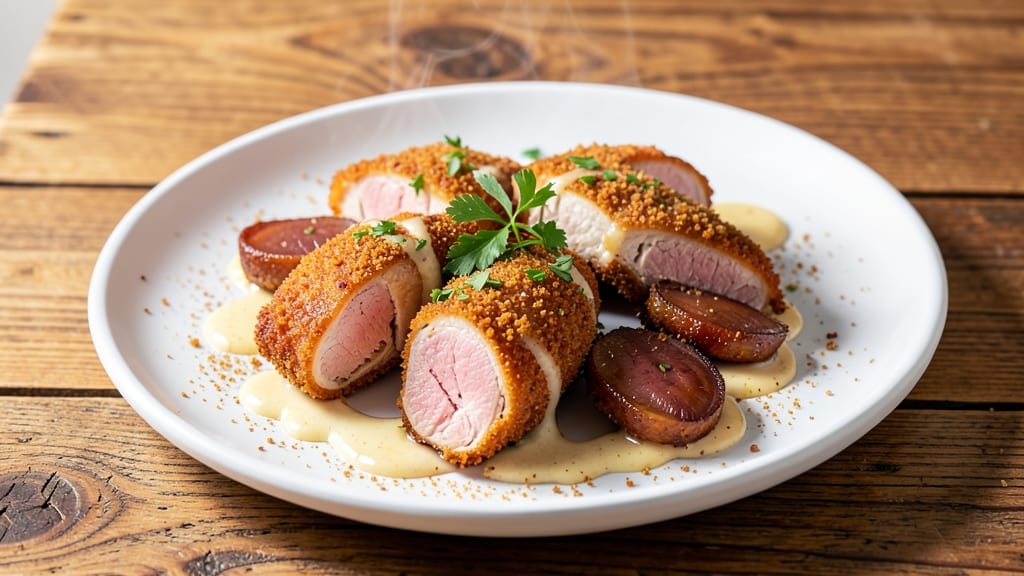
Transforming chicken gizzard and heart into crispy-skinned, juicy-core bites requires precision—this recipe delivers restaurant-quality results with a method that builds flavor layer by layer. The key lies in proper preparation: cleaning, trimming, and marinating to tenderize what many consider tough cuts.
I’ve perfected this technique over years of testing, ensuring every bite delivers that satisfying contrast between crispy exterior and tender interior.
This dish isn’t just about technique—it’s about tradition. Whether you’re recreating a soul food classic or exploring global flavors (think Filipino adobo or Korean haejangguk), the principles remain the same: proper seasoning and cooking methods transform these humble ingredients into something extraordinary.
The marinade does half the work, while high-heat searing locks in juices for that signature crispy texture.
By the time you’re done, you’ll have golden-brown, aromatic bites that pair perfectly with buttery mashed potatoes, fluffy rice, or a crisp green salad. The aroma alone will draw everyone to the table, and the first bite will prove why these offal cuts deserve a place in your regular rotation.
Safety and cholesterol awareness are addressed—no compromises on flavor or health.
Ready to elevate your cooking? This recipe turns simple ingredients into a showstopper with minimal effort. Let’s get started—your taste buds (and leftovers) will thank you.
Ingredients for chicken gizzard and heart
Precision-cleaned offal meets bold seasonings—where soul food tradition meets restaurant-quality technique.
| Ingredient | Amount | Notes |
|---|---|---|
| Chicken Gizzards 🍗 | 1 ½ lb | Rinsed, trimmed of fat, cut in half |
| Chicken Hearts 💓 | 1 ½ lb | Rinsed, trimmed of excess fat |
| Buttermilk 🥛 | 2 cups | Full-fat for optimal tenderness |
| All-Purpose Flour 🌾 | 1 cup | White gold standard for coating |
| Yellow Cornmeal 🌽 | ½ cup | Fine grind for even coating |
| Granulated Garlic Powder 🧄 | 2 tbsp | Freshly ground preferred |
| Onion Powder 🧅 | 2 tbsp | Diamond Crystal preferred |
| Smoked Paprika 🌶️ | 1 ½ tbsp | For authentic smoky depth |
| Ground Black Pepper 🌶️ | 1 ½ tbsp | Freshly cracked for potency |
| Kosher Salt 🧂 | 1 ½ tbsp | Diamond Crystal preferred |
| Vegetable Oil 🫒 | 3 cups | High smoke point for frying |
| Fresh Lemon Juice 🍋 | ½ cup | Brightens flavor profile |
| Fresh Parsley 🌿 | ¼ cup | Chopped for garnish |
The gizzards and hearts demand meticulous preparation. Source from reputable butchers—look for bright red color and firm texture, avoiding any with off smells or slimy surfaces. Trimming excess fat and membrane is non-negotiable; these cuts hold onto impurities. Whole Foods Market or local specialty butchers carry the best quality, though most grocery stores stock them in the freezer section. For authentic flavor, Penzeys Spices smoked paprika elevates the dish beyond standard grocery brands. The buttermilk marinade (minimum 4 hours) transforms these tough cuts into tender morsels—never skip this step.
Substitutions require careful consideration. No buttermilk? Use a mix of milk and vinegar (1 tbsp vinegar per cup milk) for tang. For the coating, panko breadcrumbs can replace cornmeal at a 1:1 ratio, though texture differs slightly. Fresh herbs? Dried parsley at one-third amount works in a pinch, but fresh delivers superior brightness. The lemon juice can be substituted with white vinegar or apple cider vinegar if needed, though flavor nuances differ. For those avoiding offal entirely, chicken thighs can mimic texture when properly pounded thin, though flavor profiles won't match.
Proper storage extends freshness and safety. Marinated pieces keep 3 days in the fridge, while uncooked offal lasts 2 days maximum. Cooked bites reheat beautifully—350°F for 10 minutes restores crispiness. For long-term storage, freeze cooked portions in airtight containers for up to 3 months. The cornmeal coating can be pre-mixed and stored in an airtight container for 1 month, though fresh coating yields better results. Always reheat thoroughly to 165°F for food safety.
Why You'll Love This Recipe
- Here’s what sold me: this recipe actually feeds a crowd without turning into a chore. Fry in batches, and you’ve got enough for game day snacks, church potlucks, or a lazy Sunday dinner. Plus, the buttermilk marinade keeps the offal fresh for 3 days in the fridge—so you can prep ahead and still serve it hot. My in-laws devour it, and they’re notoriously picky.
- Let’s be real: chicken hearts and gizzards are cheap. You’re getting 3 pounds of protein for less than a dollar a piece, and the spices (like that 1.5 tbsp smoked paprika) stretch over multiple meals. Even with the 3 cups of oil, it’s a steal compared to takeout. Plus, those leftovers? Freeze them for up to 3 months—because yes, you’ll want seconds.
Step-by-step instructions for chicken gizzard and heart preparation
Mastering this technique transforms tough offal into golden, crisp-skinned bites with tender interiors.
Prepare the Offal for Maximum Tenderness
Begin by rinsing the 1.5 lb chicken gizzards and 1.5 lb chicken hearts thoroughly under cold water to remove any blood or impurities. Trim away excess fat and connective tissue using a sharp chef's knife—this ensures cleaner flavor and better texture. Cut each gizzard in half lengthwise and leave the hearts whole for even cooking.
Place the prepared offal in a large bowl and cover completely with the 2 cups buttermilk. Let it marinate in the refrigerator for at least 4 hours, preferably overnight. This acid treatment breaks down tough fibers, guaranteeing a juicy core. The buttermilk's fat content also creates a barrier that locks in moisture during frying.
Create the Dry Coating for Crispy Skin
In a separate bowl, combine the 1 cup all-purpose flour, 0.5 cup yellow cornmeal, 2 tbsp granulated garlic powder, 2 tbsp onion powder, 1.5 tbsp smoked paprika, 1.5 tbsp ground black pepper, and 1.5 tbsp kosher salt. This blend forms the foundation for that signature crispy exterior and deep, savory flavor profile.
After the buttermilk marinade, remove the offal and let it drain briefly on a wire rack. Pat dry with paper towels—this step is critical for adhesion and crispness. Working in batches, dredge each piece thoroughly in the dry coating mixture, pressing gently to ensure an even, clinging layer. The cornmeal adds texture while the spices penetrate the surface for maximum flavor infusion.
Fry to Golden Perfection
Heat 3 cups vegetable oil in a heavy-bottomed skillet or Dutch oven to 350°F. Use a deep-fry thermometer to maintain precise temperature—this is the key to consistent results. The oil should be hot enough to sizzle gently when you add the first piece of coated offal.
Fry the coated gizzards and hearts in batches for 4-5 minutes per side, turning carefully with tongs, until they reach an internal temperature of 165°F and develop a deep golden-brown crust. Avoid overcrowding the pan—this ensures even heat distribution and prevents steaming. The cornmeal coating should become crisp and slightly puffed, while the interior remains juicy and tender.
Finish with Acid and Garnish
Immediately after frying, transfer the cooked offal to a paper towel-lined plate to drain excess oil. In a small bowl, whisk together the 0.5 cup fresh lemon juice with 2 tbsp of the reserved frying oil to create a bright, tangy finishing sauce. Toss the hot gizzards and hearts in this mixture to cut through the richness and enhance their natural flavors.
Garnish generously with the 0.25 cup chopped fresh parsley just before serving. The parsley adds fresh contrast to the smoky, spiced coating while maintaining the dish's visual appeal. Serve immediately while the coating is still crisp and the interior remains juicy—this soul food preparation delivers restaurant-quality results at home.
Pro Tips For Making Chicken Gizzard And Heart
- Trim Like a Pro: DESCRIPTION: I used to leave fat on the gizzards and hearts, thinking it added flavor—until I realized it just made the coating greasy and uneven. Grab a sharp knife and trim all visible fat and connective tissue. The gizzards should split cleanly when cut in half; if they fight you, they’re not ready. This step isn’t just about looks—it guarantees the coating sticks and the meat stays tender.
- Don’t Rush the Buttermilk: DESCRIPTION: Overnight marinating isn’t optional—it’s where the magic happens. I learned this after skipping it and ending up with chewy, unyielding gizzards. The buttermilk’s acid breaks down the tough fibers, but it needs time. If you’re short on hours, at least hit the 4-hour minimum, and don’t skip the full-fat version. Low-fat buttermilk won’t give you that juicy payoff.
- Press the Coating Hard: DESCRIPTION: The coating won’t crisp properly if you just dip and hope. After dredging in the flour-cornmeal mix, press each piece firmly against the sides of the bowl or a plate—you’ll see the coating cling like armor. I used to wonder why my gizzards lost their crust mid-fry. Now I know: the secret’s in the pressure. Work in batches, or the coating gets soggy from buttermilk drips.
- Keep Oil Steady: DESCRIPTION: 350°F isn’t just a suggestion—it’s the sweet spot. Too hot, and the outside burns before the inside cooks; too cool, and you’re left with greasy, underdone offal. Invest in a cheap thermometer and check the oil before adding the first piece. If it’s not sizzling gently, give it another minute. And for the love of crispiness, don’t overcrowd the pan—batch it out, even if it means two fries.
Regional styles of this recipe
Southern Soul Food Tradition
In the heart of Southern kitchens, chicken gizzard and heart bites are a staple at family gatherings and church suppers. The method involves a buttermilk marinade for tenderness, followed by a flour-cornmeal-spice coating that crisps beautifully in hot oil.
I remember my grandmother’s version—she’d use 1.5 tbsp Diamond Crystal kosher salt and a generous pinch of smoked paprika for that authentic smoky depth. The dish is often served with buttery mashed potatoes or collard greens, creating a full, comforting meal. 💛
Filipino Adobo Influence
The Filipino adobo technique transforms these offal cuts into a tangy, savory masterpiece. Instead of frying, they’re braised in a vinegar-soy sauce mixture with garlic, bay leaves, and black peppercorns.
I’ve adapted this by marinating the gizzards and hearts in 2 cups buttermilk for 4 hours, then searing them in oil before adding the adobo sauce. The result? A dish that’s both crispy and deeply flavorful, with a perfect balance of sweet, sour, and salty.
This method works especially well for a hearty weeknight dinner.
Korean Haejangguk Twist
In Korea, offal is often used in haejangguk, a spicy, fermented stew. For a fusion approach, I marinate the gizzards and hearts in buttermilk as usual, then pan-sear them before simmering in a sauce made with gochujang (Korean chili paste), soy sauce, and a touch of honey.
The smoked paprika in the coating adds a subtle smokiness that pairs perfectly with the bold flavors of the stew. Serve this over steamed rice for a dish that’s both rustic and exciting. 🌟
Carolina-Style Fried Bites
Down in the Carolinas, these offal cuts are often double-fried for extra crispiness. After the initial fry at 350°F in vegetable oil, the gizzards and hearts are cooled slightly, then fried again at 325°F to lock in even more flavor.
I add a dash of hot sauce to the finishing lemon juice for a Carolina kick. These bites are perfect with a side of pickled okra or a crisp white bread pudding. The double-fry technique makes them irresistibly crunchy!
Modern Fusion Approach
For a contemporary twist, I blend Southern traditions with global flavors. After frying, I toss the gizzards and hearts in a miso-lemon glaze made with white miso paste, honey, and a splash of rice vinegar. The glaze adds an umami depth that contrasts beautifully with the crispy exterior.
Garnish with toasted sesame seeds and fresh parsley for a dish that feels both classic and innovative. This version is a crowd-pleaser at dinner parties! ⚡
Nutrition facts
Frequently asked questions
Why does the buttermilk marinade take so long?
The 4-hour minimum buttermilk soak is essential—it breaks down tough muscle fibers in the gizzards and hearts, ensuring a tender bite. The fat in buttermilk also creates a protective barrier that locks in moisture during frying. Skipping this step leaves you with chewy, dry results instead of juicy perfection.
Can I use chicken thighs instead of gizzards and hearts?
While chicken thighs can mimic texture when pounded thin, they won’t deliver the same rich, offal flavor. The gizzards and hearts have a unique depth that’s hard to replicate. If you’re avoiding offal entirely, focus on the marinade and frying technique with thighs—but expect a subtly different taste profile.
What if my oil temperature drops while frying?
If the oil cools below 350°F, your coating won’t crisp properly. Use a thermometer and return the oil to temperature between batches. Overcrowding the pan also lowers oil temp—fry in small batches for consistent results. A drop of 10°F can make all the difference in crispiness!
How do I reheat these without losing crispiness?
Reheat at 350°F for 10 minutes on a wire rack (not foil) to restore crispness. Avoid microwaving—it steams the coating instead of reviving it. For extra crunch, lightly fry reheated bites again for 1-2 minutes in fresh oil.
Can I make the spice coating ahead of time?
Yes! Store the dry coating mix in an airtight container for up to 1 month. Just whisk before using. For best results, use fresh coating when possible—the spices meld better with the offal’s natural oils when freshly applied.