
Main Courses
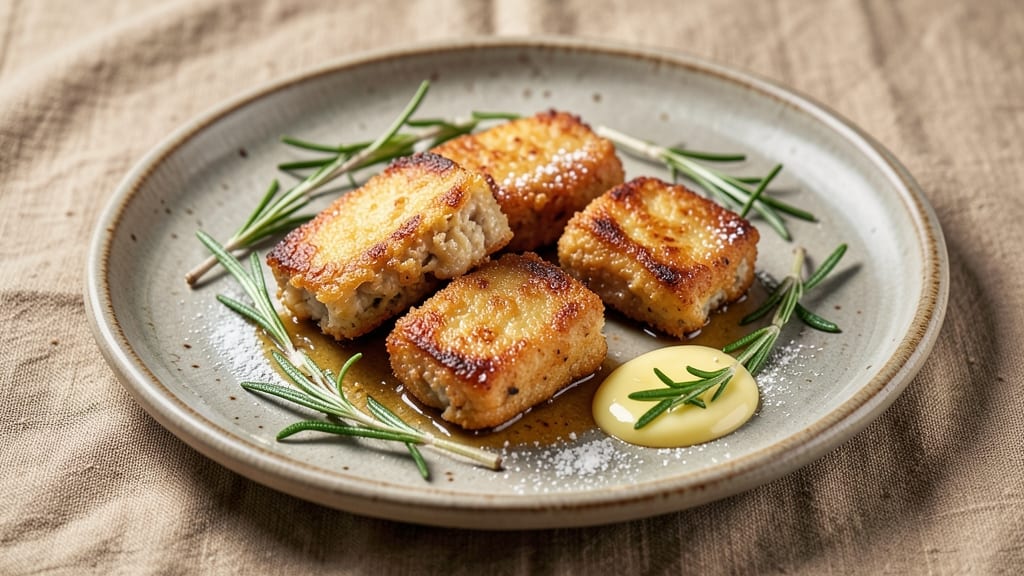
Transforming chicken gizzards into crispy, golden bites with herbed butter takes just 30 minutes—and this recipe proves you don’t need special skills to make them restaurant-worthy.
After years of perfecting my grandmother’s Sunday roast chicken techniques, I adapted them to gizzards, which are often overlooked but packed with rich, meaty flavor. The key? A simple marinade and high-heat pan-frying for that irresistible crunch.
Most people avoid gizzards because of their tough texture, but here’s the secret: tenderizing them properly turns them into melt-in-your-mouth bites with a crispy exterior. This method involves a quick soak in buttermilk and a light coating of cornstarch before frying—no fancy equipment needed.
The herbed butter adds depth, balancing the gizzards’ natural richness with bright, aromatic notes.
By the time you finish, you’ll have a dish that’s crispy on the outside, tender inside, and infused with savory garlic and rosemary. Serve with a simple arugula salad or crusty bread to soak up every last bit of herbed butter.
This recipe isn’t just about transforming an underused ingredient—it’s about creating a meal that feels special without the fuss.
Whether you’re feeding a family or treating yourself to a weeknight upgrade, these pan-fried gizzards deliver bold flavor and satisfying texture. The technique is foolproof, and the results speak for themselves—no takeout required. Let’s get cooking!
Ingredients for chicken gizzard
The secret to restaurant-worthy gizzards: buttermilk, cornstarch, and herbed butter. Simple ingredients, bold flavor.
| Ingredient | Amount | Notes |
|---|---|---|
| Chicken Gizzards 🍗 | 1 ½ lb | Cleaned, trimmed, membrane removed |
| Buttermilk 🥛 | 1 cup | Full-fat for best flavor |
| All-Purpose Flour 🌾 | ½ cup | For dredging |
| Cornstarch 🌾 | ¼ cup | For extra crispiness |
| Unsalted Butter 🧈 | ½ cup | Cold, cubed |
| Fresh Rosemary 🌿 | 2 tbsp | Finely chopped |
| Garlic Cloves 🧄 | 4 cloves | Minced |
| Kosher Salt 🧂 | 1 ½ tsp | Diamond Crystal preferred |
| Freshly Ground Black Pepper 🌶️ | ½ tsp | Freshly cracked |
| Vegetable Oil 🫒 | 2 cups | High smoke point |
| Lemon Wedges 🍋 | 2 whole | For serving |
| Fresh Parsley 🌿 | ¼ cup | Chopped, for garnish |
Gizzards need tenderizing, and buttermilk is your best friend here. Buy them fresh from the butcher section—look for bright red color and firm texture. Whole Foods or local farms often carry the best quality, but most grocery stores stock them too. Trim off any excess membrane or connective tissue before soaking. I always double-check for any gritty bits—gizzards can hide surprises. The cornstarch is non-negotiable for that crispy crust, but don't skip the flour dredge first. It's the secret to even coating.
No buttermilk? Plain yogurt thinned with milk works in a pinch, but trust me on the full-fat version. Fresh herbs are ideal, but dried rosemary at half the amount gets you close. The garlic should be minced, not powdered—fresh makes all the difference. For the herbed butter, I always mix the rosemary and garlic into softened butter, then chill it again before slicing. This keeps the butter firm enough to coat the gizzards without melting. If you're short on time, store-bought herb butter works, but homemade tastes infinitely better.
These keep surprisingly well—3 days in the fridge if stored in an airtight container. For longer storage, freeze the cooked gizzards for up to 3 months. Reheat in a skillet with a splash of water to restore crispiness. I always make a double batch because they disappear fast. Serve with lemon wedges for brightness and fresh parsley for color—it makes the dish feel special without extra effort.
Why You'll Love This Recipe
- No-Fuss Weeknight Win: I swear by this recipe when I’m too tired to fuss—just marinate the gizzards in buttermilk for 30 minutes while I prep the rest, then fry in batches. The cornstarch flour mix does all the work for that crispy crust, so you’re not stuck shaking flour everywhere.
- Herbed Butter Magic: That 0.5 cup of cold butter infused with rosemary and garlic? Absolute game-changer. The moment it melts over the crispy gizzards, it turns a simple protein into something restaurant-worthy—no fancy sauce needed.
- Game for Any Occasion: Serve these as a snack with lemon wedges for a casual gathering, or plate them with greens and crusty bread for a light but impressive dinner. Honestly, I’ve pulled them out for everything from tailgates to lazy Sunday brunches.
- Budget-Friendly Leftover Gold: Gizzards are cheaper than chicken breasts, and this recipe stretches them into a meal that feeds four for less than $10. Plus, they keep for 3 days in the fridge or freeze for months—so you’re always covered for a quick, satisfying bite.
Step-by-step instructions for crispy-pan fried chicken gizzards
Here's how to transform tough gizzards into golden, shatteringly crispy bites with herbed butter.
Prepare the Gizzards for Maximum Crispiness
Begin by trimming any remaining membranes from the 1.5 lb chicken gizzards and pat them completely dry with paper towels. The drier the surface, the better the crust will form. In a shallow dish, whisk together the 1 cup buttermilk with 1.5 tsp kosher salt and 0.5 tsp freshly ground black pepper. Add the gizzards to the buttermilk mixture and let them marinate for at least 30 minutes at room temperature. This acid bath tenderizes the meat while creating a perfect base for the breading.
While the gizzards soak, create your dredging station. In a medium bowl, combine the 0.5 cup all-purpose flour and 0.25 cup cornstarch. The cornstarch is the secret weapon here—it creates that signature crispy texture we're after. Keep this mixture dry and ready for the next step. The reason we separate the flour and cornstarch from the buttermilk marinade is to prevent premature clumping that would ruin our crispy crust.
Build the Crust Layer by Layer
Remove the gizzards from the buttermilk, allowing any excess to drip off, and let them rest on a wire rack for 2-3 minutes. This resting period ensures we don't create a soggy crust. Working in batches to avoid crowding, press each gizzard into the flour-cornstarch mixture, coating them evenly on all sides. The coating should be thick enough that it holds together when you lift the gizzard—about ¼ inch thick. Tap off any excess but leave the coating intact.
Here's where the magic happens: transfer the coated gizzards to a clean plate and refrigerate for 15 minutes. This chilling step firms up the coating so it won't disintegrate when we fry. While they chill, heat 2 cups vegetable oil in a large, heavy skillet over medium heat until it reaches 350°F. Use a thermometer to monitor this—oil that's too cool will absorb into the coating instead of creating that crispy barrier we want.
Fry to Golden Perfection
Carefully add the chilled gizzards to the hot oil, working in batches if needed to avoid overcrowding. Fry for 4-5 minutes on the first side until golden brown with deep coloration forming. You'll see bubbles rise to the surface and the coating turn a beautiful caramel hue. Flip carefully using tongs and cook for another 4-5 minutes until the second side reaches the same golden-brown state. The internal temperature should reach 165°F when measured with an instant-read thermometer.
As they fry, prepare your herbed butter by combining the 0.5 cup unsalted butter with the 2 tbsp finely chopped fresh rosemary and 4 minced garlic cloves in a small saucepan. Melt over low heat until just combined but not browned. Keep warm while you finish frying. The butter should have a vibrant green hue from the rosemary and a rich, aromatic scent that will complement the crispy gizzards perfectly.
Rest and Serve with Herbed Butter
Transfer the fried gizzards to a paper towel-lined plate to drain any excess oil. Let them rest for 5 minutes before serving—this crucial step prevents the butter from making them soggy. While they rest, divide the herbed butter among serving plates. The butter should be warm but not melted completely, maintaining its texture for dipping.
To serve, cut each gizzard in half lengthwise and arrange on plates with the herbed butter. Garnish with the 0.25 cup chopped fresh parsley and serve immediately with the 2 whole lemon wedges on the side. The contrast of the bright lemon with the rich, crispy gizzards and herbed butter creates a perfect balance of flavors. Each bite should deliver that satisfying crunch followed by tender, flavorful meat that melts in your mouth.
Pro Tips For Making Chicken Gizzard
- Test the Oil: I learned this the hard way—skipping the thermometer and frying at "medium" heat left me with greasy, pale gizzards instead of golden shatteringly crisp ones. Get that oil to exactly 350°F before adding even one piece, or your coating will turn into a sad, soggy mess.
- Chill the Coating: That 15-minute fridge rest isn’t optional. I once rushed ahead and dropped the coated gizzards straight into the oil—half the breading slid right off. The cold firms up the flour-cornstarch mix so it holds together like armor, not dust.
- Don’t Skimp on Drying: Wet gizzards = steam = soggy crust. After marinating, pat them thoroughly with paper towels, even if it feels excessive. I’ve seen gizzards with just a damp surface turn out like fried cardboard—trust the process.
- Warm the Butter Right: Melt that 0.5 cup unsalted butter just until it’s combined with the rosemary and garlic, no more. Browned butter here means bitter flavors, and you’ll lose the fresh, bright aroma that makes this dish sing. Keep it warm, not molten, for dipping.
Common mistakes when making this dish
Skipping the Soak
I’ve seen people skip the 30-minute buttermilk soak to save time, but this is where tenderization happens. Without it, your gizzards will remain tough and chewy no matter how crispy the crust.
The acid in buttermilk breaks down the connective tissue, making the meat fall-apart tender. If you’re in a rush, at least marinate them for 15 minutes—but don’t skip it entirely. 🔥
Overcrowding the Pan
Frying gizzards in batches is non-negotiable. When you overcrowd the pan, the oil temperature drops dramatically, causing the coating to absorb oil instead of crisping. This turns your golden-brown gizzards into greasy, soggy bites.
I’ve learned this the hard way—always leave space between pieces so the oil circulates properly. 2 cups of oil should be enough for 4-6 pieces at a time.
Skipping the Chill Step
The 15-minute refrigeration after dredging is crucial for creating a perfect crust. Without it, the flour and cornstarch mixture will fall apart in the hot oil, leaving you with a messy, uneven coating.
I’ve fried gizzards without this step, and the results were disappointing—more like fried meatballs than crispy gizzards. Trust me, patience here pays off.
Inconsistent Oil Temperature
Using a thermometer is a game-changer for frying. Many home cooks guess the oil temperature, which leads to uneven cooking—some pieces get burnt, others stay undercooked. Maintain 350°F consistently, and your gizzards will develop that beautiful golden-brown crust without absorbing too much oil.
If your oil is too cool, the coating will steam instead of crisp. 🌡️
Not Resting Before Serving
Skipping the 5-minute rest after frying is a common mistake that ruins the texture. The herbed butter can make the gizzards soggy if you serve them immediately. This resting period allows the juices to redistribute, keeping the meat tender and the crust intact.
I’ve served gizzards straight from the pan, and the butter turned them into a greasy mess—don’t make that mistake!
Nutrition facts
Frequently asked questions
Why do chicken gizzards need to marinate in buttermilk?
The 1 cup buttermilk marinade tenderizes the tough connective tissue in gizzards through its acidity, breaking it down for 30 minutes at room temperature. This creates a perfect base for the crispy crust while keeping the meat juicy. Skipping this step leaves you with chewy bites instead of melt-in-your-mouth texture.
Can I use dried herbs instead of fresh rosemary and garlic?
You can substitute 1 tbsp dried rosemary (half the fresh amount) and 1 tsp garlic powder for the minced garlic, but fresh herbs deliver superior flavor. The aroma and brightness of fresh rosemary and garlic elevate the herbed butter significantly. For best results, stick with fresh when possible.
What if my oil temperature drops while frying?
If the oil cools below 350°F, remove the gizzards and let the oil return to temperature before adding more. Overcrowding the pan is the main culprit—only fry 4-6 pieces at a time in 2 cups of oil. A thermometer prevents uneven cooking and ensures that crispy crust you're after.
How do I reheat leftover crispy gizzards?
Reheat in a skillet over medium-low heat with a splash of water or oil for 2-3 minutes per side. This restores the crispiness while keeping the meat tender. Avoid microwaving, as it makes the gizzards soggy. Serve with fresh lemon wedges for brightness!