
Main Courses
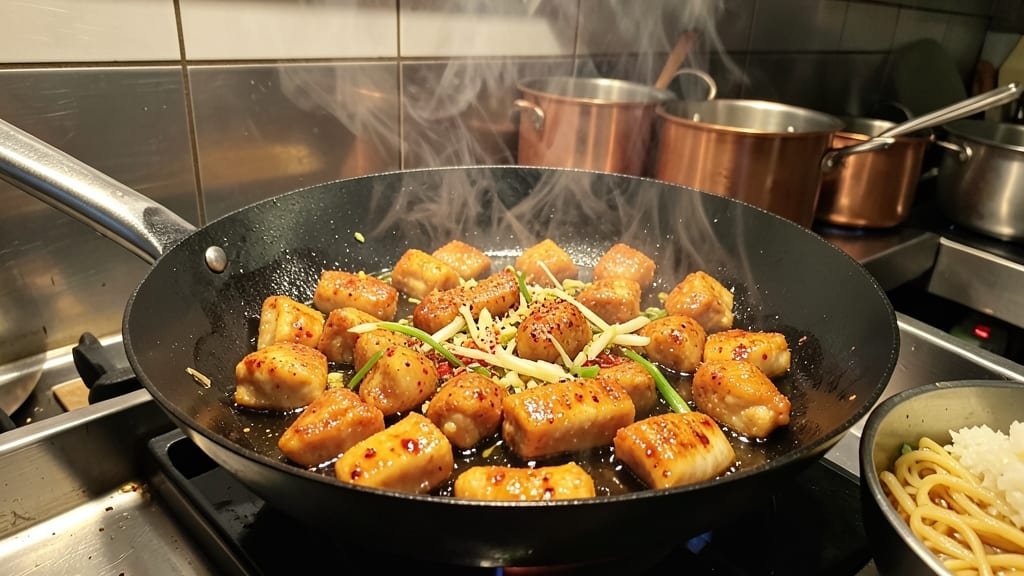
Transforming chicken gizzards into crispy-tender stir-fry bites proves that offal cooking doesn't require intimidation—just precise technique and confidence.
My grandmother used to prepare gizzards this way, though her method relied more on instinct than measurements, and I've refined her approach into a reliable 20-minute recipe that delivers restaurant-quality results at home.
The secret lies in thorough preparation: trimming excess fat, scoring the surface for even cooking, and marinating briefly in a mix of soy sauce, garlic, and cornstarch. This creates the perfect balance between crispy exterior and tender interior that makes every bite satisfying.
The stir-fry process itself is straightforward—high heat, quick cooking, and constant motion—but the difference between rubbery and perfect gizzards comes down to these foundational steps.
What you'll achieve is a dish with golden-brown, crispy edges that give way to succulent, flavorful meat inside. The aromatics—garlic, ginger, and scallions—infuse every bite with depth, while a touch of chili or sesame oil adds complexity.
This stir-fry pairs beautifully with steamed jasmine rice or buttery noodles, creating a complete meal that feels special without requiring hours in the kitchen.
Whether you're new to cooking gizzards or looking to elevate a weeknight dinner, this recipe transforms an often-overlooked ingredient into something impressive. The key is patience in preparation and attention during cooking—no shortcuts, but no heroic effort either.
Let's get started on creating a dish that proves home cooking can be both practical and extraordinary.
Ingredients for chicken gizzard stir fry
A few key ingredients transform tough gizzards into restaurant-quality stir-fry bites with crispy edges and tender centers.
| Ingredient | Amount | Notes |
|---|---|---|
| Chicken Gizzards 🍗 | 1 ½ lb | Trimmed of excess fat, scored |
| Cornstarch 🌾 | ½ cup | For crispy exterior coating |
| Light Soy Sauce 🍶 | ¼ cup | For marinade and flavor |
| Garlic Cloves 🧄 | 6 cloves | Minced for aromatic depth |
| Fresh Ginger 🌿 | 1 tbsp | Finely grated, aromatic |
| Scallions 🧅 | ¼ cup | Thinly sliced for garnish |
| Sesame Oil 🫒 | 1 tbsp | For finishing, toasted aroma |
| Vegetable Oil 🫒 | ½ cup | High smoke point for stir-fry |
| Red Chili Flakes 🔥 | ½ tsp | Adjust to heat preference |
| Salt 🧂 | 1 ½ tsp | Diamond Crystal preferred |
| Black Pepper 🌶️ | ½ tsp | Freshly ground for heat |
| Jasmine Rice 🍚 | 1 ½ cups | Uncooked, for serving |
| Lemon Wedges 🍋 | 2 whole | For serving, bright finish |
Gizzards demand attention during sourcing. Whole Foods or specialty butchers offer the freshest cuts, but standard grocery stores carry them too—just look for vibrant color and minimal fat. Trim any visible connective tissue and score the surface in a crosshatch pattern to ensure even cooking. The cornstarch is non-negotiable for achieving that perfect crispy exterior, while Kikkoman light soy sauce provides the ideal balance of umami without overpowering. Fresh ginger and garlic should be pungent, not musty, and Trader Joe's often carries pre-grated ginger in convenient packages for busy cooks. For the sesame oil, seek out 100% pure, toasted sesame oil—the unrefined kind adds the most authentic flavor.
No cornstarch? Arrowroot powder or all-purpose flour works in a pinch, though texture may vary slightly. Substitute light soy sauce with coconut aminos or tamari for gluten-free options, though flavor will differ. Fresh ginger can be swapped for ground ginger at half the amount, but the texture and depth won't match. For those avoiding chili, dried oregano or a pinch of smoked paprika adds warmth without heat. The jasmine rice should be long-grain and uncooked—any brand works, but Lundberg Family Farms is a reliable choice for consistent results. If you're short on scallions, green onions or chives will suffice, though the flavor profile shifts slightly.
Gizzards should be used within 2 days of purchase for optimal texture. Store them in the coldest part of your fridge, wrapped in paper towels to absorb moisture. The cornstarch mixture keeps for 1 week in an airtight container, making it ideal for batch prep. Leftover stir-fried gizzards reheat beautifully—just 5 minutes in a skillet over medium heat with a splash of water to restore crispiness. Portion the rice and gizzards into glass containers for easy grab-and-go meals, and the lemon wedges can be stored in the fridge for up to 3 days for that bright finishing touch.
Why You'll Love This Recipe
- No-Fuss Crispy Magic: I love that the cornstarch coating turns these gizzards into something almost restaurant-worthy—no fancy skills required. Just trim, score, toss, and let the marinade do its thing while you prep the rice. The 15-minute rest period is the only "wait" you’ll do, and honestly? That’s worth it for the crispy-tender result.
- Umami Bomb: Between the minced garlic and ginger sizzling in the pan and that light soy sauce marinade, these gizzards pack a flavor punch that surprises even skeptics. The red chili flakes add a little heat without overpowering, and the sesame oil-scallion drizzle ties it all together—like a flavor party in your mouth.
- Batch Prep Hero: This is my secret weapon for busy weeks. The cornstarch-coated gizzards keep for a whole week in the fridge, so I can toss them in the pan whenever I’m craving something hearty. Leftover stir-fry? Just pop it back in the skillet for 5 minutes, add a splash of water, and boom—crispy again. Zero waste, zero stress.
- Budget-Friendly Feast: For less than what a takeout meal costs, I get a protein-packed dish that feels special. The gizzards are affordable, the rice is cheap, and the garnishes (scallions, lemon) stretch far. Plus, it’s the kind of meal that disappears fast—even picky eaters usually go back for seconds. (Yes, even on a Tuesday night.)
Step-by-step instructions for chicken gizzard stir fry
A perfectly executed stir fry delivers crispy-tender gizzards with aromatic depth. Here's the method to nail both texture and flavor.
Prepare the Chicken Gizzards for Maximum Crispiness
Begin by trimming excess fat from the 1.5 lb chicken gizzards using a sharp knife, leaving just a thin layer to protect the meat. Score the surface in a crosshatch pattern with a chef's knife—this creates more surface area for the cornstarch coating to adhere and ensures even cooking. Place the gizzards in a large bowl and add 0.5 cup cornstarch, tossing to coat them evenly. The cornstarch acts as a barrier that locks in moisture while creating that desirable crunch.
In a separate bowl, whisk together 0.25 cup light soy sauce, 1.5 tsp salt, and 0.5 tsp black pepper. Pour this marinade over the cornstarch-coated gizzards and massage it into every crevice. Let the mixture rest for 15 minutes at room temperature—this allows the marinade to penetrate while the cornstarch firms up, preventing a gummy texture during cooking.
Build the Stir-Fry Base with Aromatics
Heat a large wok or deep skillet over medium-high heat until it's smoking hot. Add 0.5 cup vegetable oil and let it shimmer—this high smoke point oil ensures the gizzards will sear rather than steam. Working quickly, add the marinated gizzards in a single layer, being careful not to overcrowd the pan. Cook undisturbed for 4-5 minutes until the undersides develop a deep golden-brown crust. Flip each piece and cook another 4-5 minutes until they reach an internal temperature of 165°F and are cooked through.
While the gizzards cook, prepare the aromatic base. In a small bowl, combine 6 minced garlic cloves and 1 tbsp finely grated fresh ginger. Once the gizzards are removed from the pan, add the garlic-ginger mixture to the same skillet and stir-fry for 30 seconds until fragrant. The residual heat will sizzle the aromatics to perfection without burning them. This step is where the foundation of flavor is built—don't skip it.
Finish with Heat and Umami Balance
Return the cooked gizzards to the skillet and reduce heat to medium. Add 0.5 tsp red chili flakes and toss everything together for 1 minute, allowing the heat to bloom. The chili flakes should infuse the gizzards with subtle warmth rather than overpower them. In a small measuring cup, combine 1 tbsp sesame oil with 0.25 cup thinly sliced scallions—this mixture will elevate the dish with both aroma and visual appeal.
Drizzle the sesame oil-scallion mixture over the gizzards and toss gently to distribute evenly. The sesame oil adds a nutty depth while the scallions provide freshness. Serve immediately over 1.5 cups cooked jasmine rice, garnished with the 2 whole lemon wedges on the side. The acid from the lemon will cut through the richness, balancing the dish perfectly. Each bite should deliver a satisfying contrast of crispy exterior and tender interior.
Pro Tips For Making Chicken Gizzard Stir Fry
- Score Like a Pro: That crosshatch pattern on the gizzards isn’t just decoration—it’s what makes the cornstarch stick. Use a sharp knife and cut deep enough to see the meat, but don’t go so far you’re tearing the flesh. I used to rush this, and my gizzards ended up with patchy crusts. Take your time here.
- Don’t Rush the Rest: Those 15 minutes with the cornstarch and marinade might feel like forever, but trust me—skipping it leads to gummy, unevenly coated gizzards. Let them sit at room temp while you prep the aromatics. I learned this the hard way when my first batch turned out like soggy dumplings.
- Heat the Oil Right: The oil should be smoking hot before the gizzards hit the pan—no medium heat, no excuses. If it’s not shimmering, you’re steaming, not searing. Use a thermometer if you’re unsure, but even without one, the oil should look like it’s about to catch fire. This is the only way to get that deep golden crust.
- Save the Garlic-Ginger: Cook the aromatics after removing the gizzards—the residual heat in the pan is perfect for sizzling them without burning. If you add them too early, they’ll turn bitter before the gizzards are done. This is where the flavor magic happens, so don’t skip it.
Creative variations of these flavors
Spicy Sichuan Style
For a bold twist, I like adding 1 tbsp Sichuan peppercorn powder to the cornstarch coating before mixing with the gizzards. This creates that signature tingling numbing sensation that defines Sichuan cuisine.
After searing the gizzards, toss them with 1 tbsp dark soy sauce (like Lee Kum Kee) and 1 tsp doubanjiang (fermented chili bean paste) for authentic depth. Finish with a drizzle of chili oil for that classic Sichuan kick. 🌶️
Sweet and Tangy Glaze
Swap the soy sauce marinade for a sweet-tangy version by combining 0.25 cup hoisin sauce, 1 tbsp honey, and 1 tbsp rice vinegar. After cooking the gizzards, brush this glaze over them in the final minute of stir-frying.
The result is a caramelized exterior with a balance of sweetness and acidity that pairs perfectly with the tender meat. I often use Lee Kum Kee hoisin for consistent results.
Vegetarian Gizzard Substitute
If you're avoiding meat but want that hearty texture, try substituting 1.5 cups firm tofu pressed and cubed. Coat the tofu in the same cornstarch mixture, then pan-fry until golden. Add extra 1 tbsp soy sauce and 1 tsp smoked paprika to the stir-fry for depth.
The tofu absorbs flavors beautifully and gives that satisfying bite without the gamey taste of gizzards. This version works great for quick weeknight meals. 💛
Spicy Mango Salsa Topping
For a refreshing contrast, top your gizzard stir-fry with a quick mango salsa made from 1 diced mango, ¼ cup diced red onion, 2 tbsp chopped cilantro, 1 tbsp lime juice, and ½ tsp jalapeño.
The sweetness of the mango cuts through the richness, while the heat balances the dish. This topping is especially popular in tropical climates and adds a vibrant pop of color to your plate.
Crispy Fried Rice Fusion
Turn your stir-fry into a full meal by mixing the cooked gizzards directly into 2 cups day-old fried rice with scrambled eggs. Add 1 tbsp fish sauce and 1 tsp sesame oil to the rice before combining.
The result is a hearty, flavor-packed bowl that feels like a restaurant special. I often use leftover rice for this variation—it adds an extra layer of texture and absorbs all the delicious flavors from the gizzards.
Nutrition facts
Frequently asked questions
Why do I need to score the gizzards before cooking?
Scoring creates more surface area for the cornstarch coating to adhere, ensuring even cooking and that perfect crispy texture throughout. The crosshatch pattern also helps prevent curling during stir-frying, giving you uniformly golden-brown gizzards every time. Think of it as giving your protein a head start on crispiness!
Can I use frozen gizzards for this recipe?
Thaw frozen gizzards overnight in the refrigerator first. Pat them completely dry before trimming and scoring—the moisture will interfere with the cornstarch coating. This extra step is worth it to maintain that signature crispy exterior. Never thaw at room temperature, as it promotes bacterial growth.
What if my gizzards turn out rubbery instead of tender?
Rubbery texture usually means they were overcooked. Keep a meat thermometer handy—remove gizzards when they reach 160°F internal temperature. They'll continue cooking slightly after leaving the pan. Also ensure you're not overcrowding the pan during stir-frying, which steams instead of sears the meat.
How can I make this dish gluten-free?
Replace the soy sauce with tamari or coconut aminos and use arrowroot powder or gluten-free flour instead of cornstarch. The flavor will differ slightly but still deliver that satisfying texture. For extra crispiness, consider using potato starch as an alternative coating. Always check labels to avoid hidden gluten sources.
What's the best way to reheat leftovers?
Reheat in a skillet over medium heat for 5 minutes with a splash of water or broth to restore moisture. Avoid microwaving as it makes the gizzards soggy. For extra crispiness, sprinkle with 1 tsp cornstarch before reheating. Leftovers keep well in the fridge for 3 days when stored in an airtight container.