
Main Courses
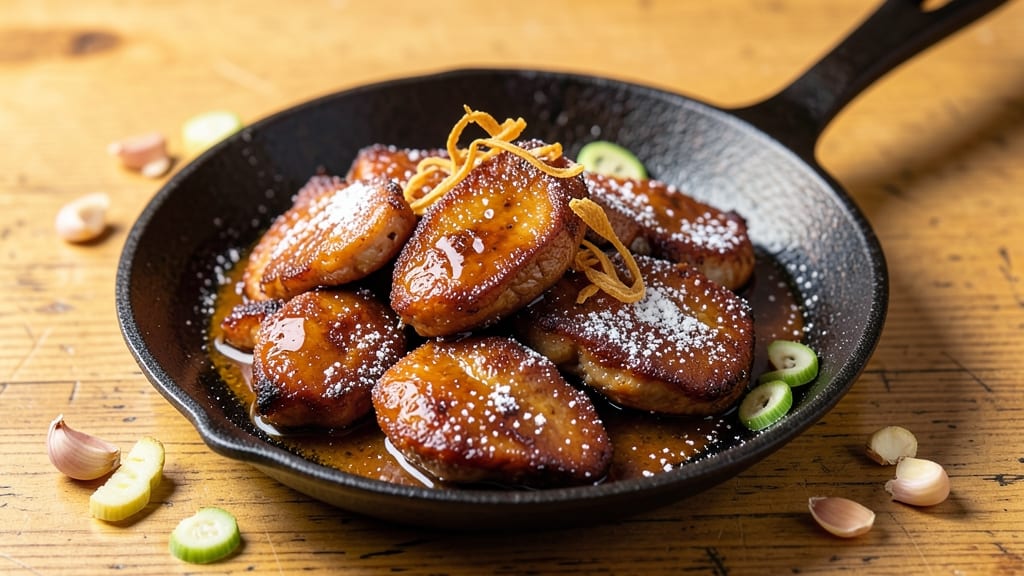
Filipino-style chicken liver transforms humble ingredients into a crispy, caramelized masterpiece with a creamy soy-ginger sauce that balances richness and brightness. This dish, a staple in Filipino comfort food, delivers restaurant-quality texture and flavor at home—where the secret lies in proper preparation and precise pan-frying.
I’ve perfected the technique after years of testing, ensuring the livers stay tender inside while developing that signature golden crust. The sauce, infused with garlic, ginger, and a touch of vinegar, cuts through the richness with just the right tang.
The magic begins with thorough cleaning and slicing the livers into even pieces—this ensures they cook uniformly and develop that coveted crispy exterior. Filipino cooking often relies on bold, layered flavors, and this recipe captures that essence with a sauce that’s both savory and aromatic.
The combination of soy sauce, ginger, and vinegar creates depth, while a splash of calamansi (or lemon) adds that signature Filipino brightness. This dish isn’t just about the main—it’s about the harmony of textures and tastes that make Filipino cuisine unforgettable.
By the time you plate this dish, you’ll have perfectly seared chicken livers with a creamy, glossy sauce clinging to each piece, their edges caramelized to a deep golden brown. The sauce should coat the livers lightly, enhancing their natural richness without overpowering.
Serve it over steamed rice, drizzled with extra sauce, and paired with pickled vegetables or a simple toyo (soy) sauce for the full Filipino experience. Every bite delivers a balance of crispy, tender, and savory that’s impossible to resist.
This recipe is designed to be both approachable and impressive, making it perfect for weeknight dinners or special occasions. The key steps—proper preparation, high-heat searing, and sauce reduction—are straightforward but critical for achieving that authentic Filipino restaurant taste.
Whether you’re serving it to family or guests, this dish is sure to become a favorite in your rotation. Let’s get started on creating your own crispy, saucy masterpiece.
Ingredients for chicken liver filipino
Humble ingredients meet Filipino magic for crispy, saucy perfection—no fancy tools needed.
| Ingredient | Amount | Notes |
|---|---|---|
| Chicken Livers 🍗 | 1 ½ lb | Fresh, trimmed of connective tissue |
| All-Purpose Flour 🌾 | ½ cup | For dredging, fine texture preferred |
| Unsalted Butter 🧈 | ½ cup | Full-fat for best browning |
| Garlic Cloves 🧄 | 6 cloves | Minced, fresh preferred |
| Fresh Ginger 🌿 | 2 tbsp | Finely grated, peeled |
| Soy Sauce 🍶 | ½ cup | Filipino-style preferred |
| Calamansi Juice 🍋 | ¼ cup | Or substitute lemon juice |
| White Vinegar 💧 | 1 tbsp | For tangy brightness |
| Granulated Sugar 🍚 | 1 tbsp | Balances flavors |
| Vegetable Oil 🫒 | ¼ cup | High smoke point for frying |
| Diamond Crystal Kosher Salt 🧂 | 1 tsp | For seasoning |
| Ground Black Pepper 🌶️ | ½ tsp | Freshly ground preferred |
| Green Onions 🧅 | 3 whole | Sliced thin for garnish |
| Fresh Cilantro 🌿 | ¼ cup | Chopped, optional garnish |
Chicken livers are the star, so pick the freshest from your butcher—they should be deep red with no yellowing. Ask for them to be trimmed of connective tissue, or do it yourself by slicing off any white bits. Filipino markets or Asian grocery stores often have the best selection, but regular butchers work too. The flour is just for dredging—King Arthur or Gold Medal brands give the best texture. For the sauce, Filipino soy sauce (like Silver Swan) adds authentic depth, but regular soy works in a pinch. Calamansi is ideal, but lemon or lime juice will do—just double the amount for brightness.
No calamansi? Lime juice works best, followed by lemon. For the ginger, fresh is non-negotiable—dried lacks the punch. Short on green onions? Scallions or chives work, but the mild onion flavor is key. The butter matters here—Plugrá or Land O’Lakes unsalted browns beautifully. If you’re avoiding gluten, cornstarch or arrowroot powder can replace the flour for dredging. The sauce should coat the livers lightly—reduce it slightly if it’s too thin, but don’t overcook or it’ll turn bitter. Taste as you go, adjusting sugar or vinegar to balance sweet and tang.
Livers cook fast—keep them cold until ready to fry. The sauce reheats beautifully, so make extra and store it separately for up to 5 days in the fridge. For the full experience, serve over steamed jasmine rice—it soaks up the sauce perfectly. The livers themselves? Eat them fresh—they lose crispiness when reheated. Garnish with green onions and cilantro just before serving, or store them separately to keep the herbs fresh. This dish is a crowd-pleaser, so double the recipe if you’re feeding more than four.
Why You'll Love This Recipe
- One-Pan, One-Spatula Magic: No deep-cleaning skillets or a million pans—just toss the livers in flour, sear them in oil, then build the sauce right in the same pan. The browned bits? They’re flavor gold, not cleanup hell. Honestly, my kitchen stays cleaner than it has in years.
- Crispy Crunch Meets Umami Bomb: That golden crust? Achieved by letting the floured livers sit for 5 minutes before frying—trust me, it’s non-negotiable for texture. Then the soy sauce, ginger, and calamansi juice? That’s the umami punch you’ll crave. It’s like eating a perfect balance of crunchy and creamy, with a zing that makes you want seconds.
- Budget-Friendly Protein Power: Chicken livers are one of the cheapest protein sources out there, and this recipe stretches them into a meal that feels special—not cheap. I’ve fed a crowd for under $10 using just the 1.5 lb of livers and pantry staples like soy sauce and flour. My date night budget just got a serious upgrade.
- Sauce That Outlasts the Meal: The sauce reduces to a glossy perfection and keeps its flavor for days. I’ve been known to reheat it with rice, toss it with noodles, or even drizzle it over grilled veggies. Five days in the fridge? That’s five nights of “I already ate this, but I’ll have another bite.”
Step-by-step instructions for chicken liver Filipino recipe
Here's how to balance that perfect crispy crust with a luscious soy-ginger sauce—no shortcuts, just technique.
Prepare the Chicken Livers for Maximum Crisp
Rinse the 1.5 lb chicken livers under cold water and pat them completely dry with paper towels. This step is non-negotiable—any moisture will prevent that golden crust. Trim away any connective tissue or silver skin using a sharp knife. I like to make a shallow cut along each liver to help it flatten evenly during cooking.
In a bowl, whisk together the 0.5 cup all-purpose flour, 1 tsp diamond crystal kosher salt, and 0.5 tsp ground black pepper. The flour acts as a barrier between the raw liver and the hot oil, creating that signature crispy exterior. Add the livers to the flour mixture and toss gently to coat evenly. Let them sit for 5 minutes—this resting period helps the flour adhere better and prevents a messy dredge.
Create the Crispy Crust in Hot Oil
Heat 0.25 cup vegetable oil in a large skillet over medium-high heat until it shimmers—you should see small bubbles forming around the edges but not yet smoking. Add the floured livers in a single layer, being careful not to overcrowd the pan. Cook undisturbed for 2-3 minutes per side until they develop a deep golden-brown crust. Real talk: this is where the magic happens—if you move them too soon, they'll steam instead of crisp.
Once golden and crispy, transfer the livers to a paper towel-lined plate to drain excess oil. The residual heat will keep them warm while you prepare the sauce. If the oil starts to smoke excessively, reduce the heat slightly—you want to maintain that high temperature without burning the flour coating.
Build the Creamy Soy-Ginger Sauce
In the same skillet (no need to clean it—the browned bits add depth), melt the 0.5 cup unsalted butter over medium heat. Add the 6 cloves minced garlic cloves and 2 tbsp finely grated fresh ginger, cooking for 1-2 minutes until fragrant but not browned. This step develops the aromatic base of your sauce—don't skip it.
Pour in the 0.5 cup soy sauce, 0.25 cup calamansi juice, 1 tbsp white vinegar, and 1 tbsp granulated sugar. Stir well and bring to a gentle simmer, allowing the mixture to reduce by about half—this takes roughly 5-7 minutes. The sauce should coat the back of a spoon and have a glossy sheen. Here's the thing—if it reduces too quickly, add 1-2 tablespoons of water to maintain the right consistency.
Finish and Serve with Fresh Garnishes
Return the crispy livers to the skillet with the sauce, spooning the sauce over them generously. Let everything simmer together for 2-3 minutes until the livers are heated through and the sauce has thickened slightly. The livers should be warm but still maintain that crispy texture—they'll soften slightly from the sauce, but not lose their crunch entirely.
Transfer the livers to serving plates and garnish with 3 whole green onions sliced thin and 0.25 cup chopped fresh cilantro. The bright green garnishes cut through the richness of the sauce and add a fresh finish. Serve immediately while the livers are at their crispy best and the sauce is still warm and glossy.
Pro Tips For Making Chicken Liver Filipino
- Wait 5 Minutes: I learned this the hard way—skipping the flour rest makes the coating clump and fall off when frying. Those 5 minutes let the flour cling properly, so the livers get that perfect golden crust instead of a messy dredge.
- Skip the Crowding: Overcrowding the pan steams the livers instead of crisping them. Work in batches if needed—your future self will thank you when the first batch comes out perfectly browned.
- Use Fresh Ginger: Pre-packaged ginger tastes bland here. Finely grating fresh ginger (peeled, of course) adds that bright, zesty kick that makes the sauce sing—no substitutes cut it.
- Reduce the Sauce Slowly: Rushing the sauce reduction turns it watery. Let it simmer gently, stirring occasionally, until it coats the back of a spoon. If it thickens too fast, add a splash of water—just enough to keep it glossy.
Regional styles of this recipe
Luzon’s Classic Adobo Twist
In the Philippines, chicken liver is often transformed into a savory-sweet adobo variation where the livers are marinated in a mix of soy sauce, vinegar, and sugar before cooking. This regional style softens the livers slightly while infusing them with deep umami flavors.
I’ve adapted this by lightly marinating the livers for 15-20 minutes in a blend of 0.25 cup soy sauce, 1 tbsp white vinegar, and 1 tbsp granulated sugar before dredging and frying. The result?
A tender, saucy bite that’s less crispy but more flavorful—perfect for those who prefer a softer texture. 💛
Visayan-Style Spicy Kick
From the Visayas region, this version incorporates chili and coconut milk for a creamy, spicy twist. After searing the livers, I add 1 tbsp coconut milk and ½ tsp red chili flakes to the soy-ginger sauce for a rich, slightly fiery finish.
For extra heat, I like to finish with a drizzle of Penzeys hot honey—it balances the richness without overpowering. This style is ideal if you love bold, tropical-inspired flavors. 🌶️
Manila Street Food Crisp
In Manila’s bustling markets, vendors often serve chicken liver as a quick, crispy street snack—think of it like a Filipino version of liver pâté. The key here is to double-fry the livers: first in oil until golden, then in butter to enhance browning.
I also add a splash of calamansi juice to the butter while frying for a citrusy finish. This version is all about that crunchy exterior and is best enjoyed fresh off the pan. 🔥
Pampanga’s Sweet-Sour Sauce
Pampanga, the culinary heart of the Philippines, loves its sweet-sour balance, so this version amps up the tang with extra vinegar and sugar.
I reduce the soy sauce to 0.3 cup and add 2 tbsp white vinegar and 2 tbsp sugar to the sauce, then finish with a thin slice of calamansi muddled into the pan. The result is a sauce that’s bright, tangy, and slightly caramelized—a true Pampanga signature. 🍋
Modern Filipino Fusion
For a contemporary twist, I blend Filipino flavors with a miso glaze—just replace 2 tbsp of the soy sauce with 1 tbsp white miso paste for an umami depth. Add a dash of sesame oil to the sauce and garnish with toasted sesame seeds for extra crunch.
This fusion keeps the dish’s soul while introducing a savory, nutty complexity that pairs beautifully with steamed rice and pickled vegetables. 💫
Nutrition facts
Frequently asked questions
Why does this Filipino chicken liver recipe need flour dredging?
The 0.5 cup all-purpose flour creates a protective barrier that prevents the livers from steaming instead of crisping in the hot oil. This step is essential for achieving that signature golden-brown crust—without it, the livers would absorb oil and turn greasy rather than crispy. The flour also helps absorb excess moisture, ensuring maximum crispiness.
Can I substitute calamansi juice if I don’t have it?
Since calamansi juice is hard to find outside the Philippines, use lemon or lime juice instead—just double the amount (0.5 cup) to match the tangy brightness. The acidity will still balance the richness of the soy-ginger sauce beautifully. A pinch of sugar can help adjust sweetness if needed.
What’s the best way to handle overcooked livers?
If your livers turn rubbery, they’ve overcooked—this usually happens when they’re moved too soon or cooked past 2-3 minutes per side. The fix? Toss them in a bowl with 1 tbsp soy sauce and 1 tbsp vinegar, then return to the pan for 30 seconds to re-crisp. Serve immediately with extra sauce to mask any dryness. Overcooking is the #1 mistake, so keep an eye on that timer!
How do I store leftovers without losing crispiness?
Store the livers and sauce separately—reheat the sauce in a pan, then add the livers for 1-2 minutes to re-crisp. The sauce reheats beautifully for up to 5 days in the fridge, but livers lose their texture after reheating. For best results, enjoy fresh or freeze the livers (uncooked) for up to 3 months if you must prep ahead.