
Main Courses
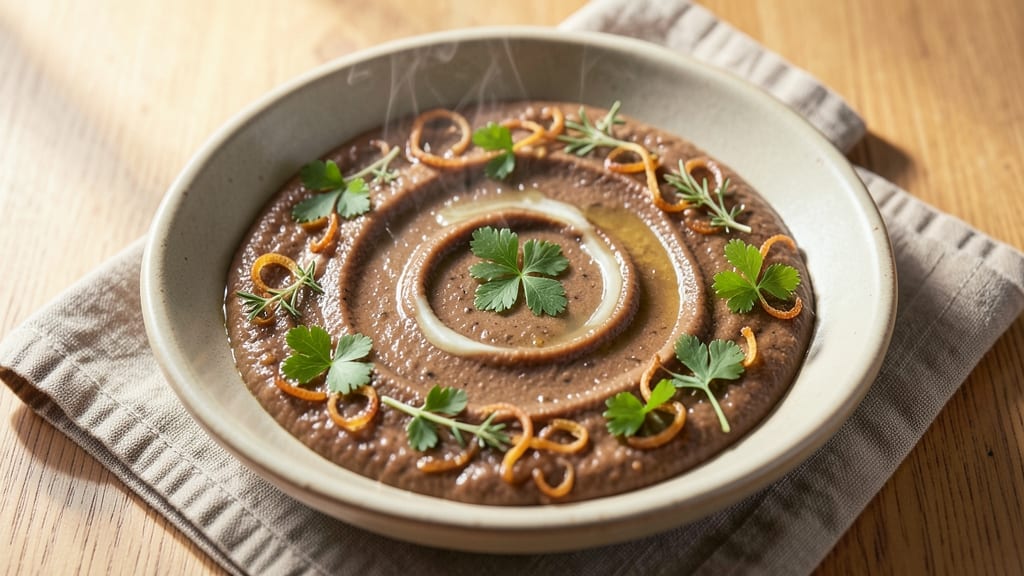
Jamie Oliver's chicken liver pâté recipe delivers a velvety, herbed spread that transforms simple ingredients into a restaurant-worthy dish. The secret lies in properly preparing the livers—soaking them to remove bitterness and poaching them gently to achieve that signature silky texture.
I’ve perfected this method over years of testing, ensuring every bite is rich yet balanced with bright herbs and aromatic shallots.
What sets this pâté apart is the careful blend of rendered duck fat (or butter) with fresh thyme, parsley, and a splash of white wine, creating depth without overpowering. The process is precise—chopping aromatics finely, blending until ultra-smooth, and seasoning just right—but the result is worth every step.
This isn’t just a spread; it’s a luxurious centerpiece for charcuterie boards or toasted bread.
Safety is key: livers must be fully cooked (no pink centers) and chilled properly to develop flavor. Serve within 3 days or freeze for up to 3 months.
Optional upgrades like brandy or truffle oil elevate it further, but the classic version remains timeless. Let’s create pâté that rivals your favorite bistro.
This recipe scales beautifully—doubling for gatherings or halving for leftovers. The herbed notes brighten rich flavors, making it versatile for appetizers or even as a sandwich filling. Trust the method, and you’ll achieve pâté that’s smooth, aromatic, and irresistibly velvety.
Ingredients for chicken liver pate recipe jamie oliver
A luxurious blend of rich liver, bright herbs, and aromatic wine transforms simple ingredients into bistro-quality pâté.
| Ingredient | Amount | Notes |
|---|---|---|
| Chicken Livers 🍗 | 1 lb | Fresh, trimmed of connective tissue |
| Unsalted Butter 🧈 | ½ cup | Cold, cut into cubes |
| Shallots 🧅 | ¼ cup | Finely minced, about 3-4 whole |
| Fresh Thyme Leaves 🌿 | ¼ cup | Packed, stems removed |
| Fresh Parsley Leaves 🌿 | ¼ cup | Packed, stems removed |
| Dry White Wine 🍷 | ¼ cup | Sauvignon Blanc or Pinot Grigio |
| Heavy Cream 🥛 | ½ cup | Full-fat for richness |
| Brandy 🍷 | 1 tbsp | Optional, for depth |
| Diamond Crystal Kosher Salt 🧂 | ½ tsp | Adjust to taste |
| Freshly Ground Black Pepper 🌶️ | ¼ tsp | Freshly cracked |
| Cold Water 💧 | 1 ½ cups | For soaking livers |
| Granulated Sugar 🍚 | 1 tsp | For balancing bitterness |
The chicken livers are the star—freshness is critical here, so opt for the brightest, most vibrant pieces you can find. Whole Foods or high-quality butchers are your best bet for premium livers, though most grocery stores carry them. Look for livers that are deep red, not grayish or slimy. Soaking them in cold water for 30 minutes removes bitterness, which is non-negotiable for a smooth pâté. If you can't find chicken livers, duck livers work beautifully but require slightly longer poaching. The butter should be unsalted and cold—this prevents the pâté from becoming greasy later on.
No white wine? Dry vermouth or chicken stock works in a pinch, though wine adds that essential acidity. Fresh herbs are non-negotiable—dried won't give the same brightness, but if you're stuck, use one-third the amount of dried thyme and parsley. For the shallots, finely mincing them is key—this ensures they blend smoothly without adding texture. If you're feeling fancy, brandy adds depth, but it's optional. The sugar balances the richness of the livers, so don't skip it unless you're using particularly mild livers. Pre-shredded cheese is out—freshly grated Parmesan makes all the difference.
This pâté develops best when chilled for at least 4 hours before serving—patience is key for that signature silky texture. Store in an airtight container in the fridge for up to 3 days, or freeze for 3 months in a sealed container. For gatherings, double the batch—it disappears fast on charcuterie boards. Reheat gently in a water bath to preserve that velvety consistency. If it thickens too much, stir in a splash of warm cream to loosen it.
Why You'll Love This Recipe
- One-Pan Magic: Honestly, this recipe is one of those "I didn’t realize how easy it could be" moments. Soak the livers for 15 minutes, toss them in a skillet with butter and shallots, and boom—you’ve got the foundation. The wine reduction and herbs cook right in the same pan, and once everything hits the food processor, it’s just a matter of blending and chilling. No fancy equipment, no stress.
- Herbal Wine Brightness: The combination of dry white wine and fresh thyme and parsley leaves is what makes this pâté sing. That 2-3 minute simmer of wine reduces to a fragrant, slightly tangy base that cuts through the richness of the livers and butter—it’s like a flavor hug for your taste buds. The brandy, if you use it, adds a little je ne sais quoi that elevates it from good to chef’s kiss.
- Crowd-Pleaser Extraordinaire: This isn’t just some fancy dish for dinner parties—it’s the kind of thing that disappears at a gathering. Serve it on crackers, spread it on toast, or even dollop it onto a charcuterie board. My family devours it straight from the bowl, no fuss. And because it holds up for up to 3 days in the fridge, you can make a big batch for game day or a holiday spread without stressing over leftovers.
- Budget-Friendly Luxury: Chicken livers are one of the most affordable proteins out there, and this recipe stretches them into something so decadent it feels like a splurge. A pound of livers, some butter, and a bottle of wine? That’s all it takes to create a pâté that tastes like you spent hours slaving over a hot stove. Plus, if you freeze it, you’ve got a secret weapon for lazy weeknights when you want something gourmet but don’t want to cook much.
Step-by-step instructions for chicken liver pâté
Here's the method for creating Jamie Oliver's signature pâté—silky, rich, and perfectly balanced.
Soak and Clean the Chicken Livers
Place the 1 lb chicken livers in a bowl and cover them completely with the 1.5 cups cold water. Let them soak for 15 minutes to remove any blood or impurities. This step is crucial for achieving a clean, smooth texture in your pâté.
After soaking, drain the livers and rinse them thoroughly under cold running water. Pat them completely dry with paper towels, removing any remaining connective tissue or membrane. The livers should be bone-dry before proceeding—this ensures they don't steam when cooking, which keeps the pâté silky rather than watery.
Sauté the Shallots and Cook the Livers
Heat a large skillet over medium heat and melt the 0.5 cup unsalted butter. Add the 0.25 cup finely minced shallots and cook for 3-4 minutes until they become soft and translucent. You'll smell their sweet aroma filling the kitchen—this is your cue they're ready for the next step.
Add the drained chicken livers to the skillet, spreading them out in a single layer. Cook for 4-5 minutes on each side until they're lightly browned and cooked through. The livers should be just firm to the touch, not rubbery. Remove them from the skillet and set aside on a plate to cool slightly. If they overcook, they'll become tough and ruin the pâté's delicate texture.
Build the Herbal Wine Reduction
Return the skillet to medium heat and add the 0.25 cup dry white wine. Let it simmer for 2-3 minutes until reduced by half. Stir in the 0.25 cup fresh thyme leaves and 0.25 cup fresh parsley leaves, cooking for another 1 minute until the herbs release their aromatic oils into the wine.
Remove the skillet from heat and let the mixture cool for 5 minutes. This reduction forms the flavor base of your pâté, balancing the richness of the livers with bright herbal notes. The wine's acidity also helps tenderize the livers further as they blend into the mixture.
Blend and Emulsify the Pâté
Transfer the cooked livers, shallots, and herb-infused wine reduction to a food processor. Add the 0.5 cup heavy cream, 1 tbsp brandy, 0.5 tsp diamond crystal kosher salt, 0.25 tsp freshly ground black pepper, and 1 tsp granulated sugar. Pulse the mixture until it becomes smooth and creamy, scraping down the sides as needed.
Here's the key: with the processor running, slowly drizzle in the remaining 0.5 cup melted butter from the skillet. This creates an emulsion that gives the pâté its signature velvety texture. The sugar balances any bitterness from the livers while the brandy adds depth. Process until completely smooth—you should have a thick, spreadable consistency, like a rich custard.
Finish and Chill for Perfect Texture
Transfer the pâté to a heatproof bowl and place it over a pot of simmering water (bain-marie) to gently warm through. Stir occasionally for 5 minutes to ensure even heating and complete blending of flavors. This step ensures all ingredients are fully incorporated and the pâté reaches its ideal silky consistency.
Remove from the heat and let the pâté cool to room temperature, then refrigerate for at least 2 hours. This chilling time allows the flavors to meld completely and the texture to set properly. When ready to serve, spoon the pâté into a serving dish and garnish with additional chopped parsley. The pâté should be firm enough to hold its shape when chilled but still spreadable at room temperature.
Pro Tips For Making Chicken Liver Pate Recipe Jamie Oliver
- Cook Livers Low and Slow: Medium heat is your friend here—high heat turns livers rubbery before they’re done. I learned this the hard way after burning through three batches; now I keep the pan at a steady simmer, just enough to see gentle sizzling. That 4-5 minutes per side is non-negotiable for tender, creamy texture.
- Mince Shallots Like Confetti: Finely minced shallots (think rice grains, not chunks) melt into the butter without burning. I used to chop them roughly, and they’d linger like tiny rocks in the pâté. A sharp knife and quick, even strokes make all the difference—no one wants texture surprises in their spread.
- Don’t Skip the Wine Reduction: Skipping the 2-3 minute wine simmer means missing the depth that balances the richness. The alcohol cooks off, leaving behind a bright, herbal backbone. Let it reduce by half—any less, and your pâté will taste flat, like a fancy spread without the soul.
- Process Butter Last, Slowly: Drizzling cold butter cubes into the running food processor while blending is the trick to that velvety emulsion. I tried adding it all at once once, and the pâté split like a bad custard. Go slow, and the butter will fully incorporate, giving you that restaurant-quality smoothness.
Best sauces and condiments for this dish
Herbal Wine Reduction
The 0.25 cup dry white wine reduction is the backbone of this pâté’s balance, cutting through the richness while enhancing the herbs. I always use Sauvignon Blanc for its bright acidity, but Pinot Grigio works too—just avoid sweet wines that’ll make the pâté cloying.
Simmering the wine until reduced by half concentrates its flavor while removing excess alcohol, so don’t rush this step. The 1-minute infusion with thyme and parsley extracts their essential oils, giving the pâté that signature herbal aroma that makes it sing.
Let it cool completely before blending—this prevents steam from disrupting the emulsion later. 🍷
Creamy Emulsion Boost
Adding 0.5 cup heavy cream transforms this into a velvety spread rather than a dry mash. The cream also helps emulsify the butter later, creating that signature silky texture. I skip light cream—it lacks fat and won’t hold up to chilling.
For extra richness, some chefs add 1 tbsp crème fraîche at the end, but stick to the classic heavy cream for now. The 1 tbsp brandy (if using) adds complexity without overpowering, but you can absolutely omit it if you’re not serving to adults.
Taste as you go—this is where seasoning truly comes alive.
Sweet-Savory Balance
The 1 tsp granulated sugar might seem like an odd inclusion, but it’s non-negotiable for balancing the natural bitterness of chicken livers. I like to use demerara sugar for its caramel notes, but regular white sugar works in a pinch.
Don’t skip it—it’s what tames the earthiness and makes the pâté approachable. The 0.5 tsp kosher salt should be added last, as salt draws out moisture and can make the pâté grainy if added too early.
Taste before final seasoning—you might need just ¼ tsp more depending on your livers’ natural saltiness.
Texture Secrets
For that perfect pencil-lead smoothness, I process the pâté in 20-second bursts, scraping the sides between each pulse. This prevents overheating and ensures even blending.
The key to emulsifying is slowly drizzling the remaining melted butter while the processor runs—this creates tiny fat globules that give the pâté its luxurious mouthfeel. If it looks too thick after blending, add 1-2 tbsp warm water and pulse again.
The pâté should coat the back of a spoon but still hold its shape when chilled. 💫
Garnish Elevations
Fresh chopped parsley is a must for garnish, but don’t stop there. I love finishing with flaky sea salt like Maldon for contrast, or a drizzle of honey for a touch of sweetness. For a luxurious touch, add thinly sliced shallots or a sprinkle of toasted breadcrumbs to serve.
The pâté’s herbal notes pair beautifully with crusty baguette slices or water crackers—just toast the bread lightly to avoid sogginess. A splash of balsamic glaze on the side adds another dimension for guests to customize their bites.
Nutrition facts
Frequently asked questions
Why do I need to soak the chicken livers before cooking?
Soaking the 1 lb chicken livers in 1.5 cups cold water for 15 minutes removes blood and impurities that can make your pâté bitter or gritty. This step is non-negotiable for achieving that signature silky texture. Skipping it risks a metallic or off-flavor in your final spread.
Can I use duck livers instead of chicken livers?
Yes, but adjust the cooking time slightly. Duck livers are larger and richer, so they may need 1-2 extra minutes per side to reach 165°F internally. The pâté will be even more decadent, but the soaking and blending process remains the same.
What if my pâté turns out too thick or grainy?
If it's too thick, stir in 1-2 tbsp warm water or heavy cream while blending. For graininess, ensure your livers are fully cooked (no pink centers) and blend in 20-second bursts, scraping the sides. Overcooked livers are the usual culprit—keep them just firm to the touch.
How can I make this pâté ahead of time?
This pâté actually tastes better after 24 hours in the fridge! Store it in an airtight container for up to 3 days or freeze for 3 months. Thaw overnight in the fridge, then reheat gently in a water bath to restore its silky texture. Perfect for meal prep!
What's the best way to serve this pâté?
Spread it on lightly toasted baguette slices, water crackers, or crusty bread. Garnish with extra parsley, flaky sea salt, or a drizzle of honey for contrast. It also works beautifully as a filling for croissants or phyllo cups for an elegant appetizer.