
Main Courses
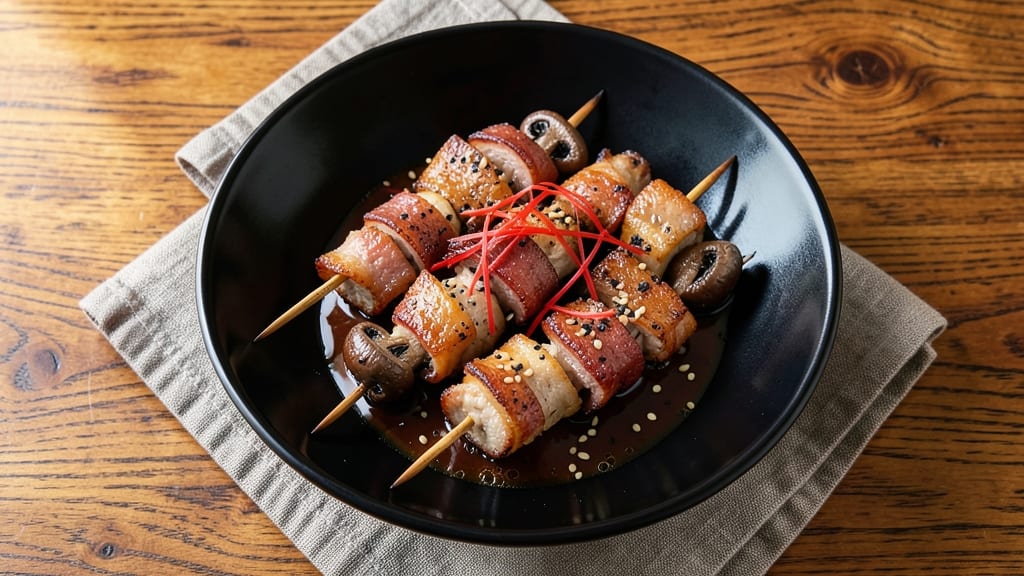
This chicken liver rumaki recipe transforms delicate chicken livers into crispy, golden crowns wrapped in buttery bacon and celery—an elegant yet approachable dish that delivers restaurant-quality results at home.
The secret lies in perfectly searing the livers until just tender, then glazing them with a rich soy-mirin-sugar blend that caramelizes into a sticky, savory-sweet finish.
I developed this method after years of experimenting with Japanese techniques, ensuring the livers stay moist while achieving that coveted crispy texture on the outside.
The preparation balances precision with simplicity: thinly sliced chicken livers sear in just 3 minutes per side, while the celery crowns and bacon wrap adds both structure and flavor.
A quick glaze of soy sauce, mirin, and sugar transforms the dish into something vibrant and aromatic, with a balance of umami and sweetness that’s impossible to resist.
For those new to chicken livers, this recipe removes the intimidation factor by turning them into bite-sized, handheld appetizers that impress without requiring advanced skills.
What you’ll end up with is a plate of crispy rumaki that’s visually stunning and packed with flavor—juicy livers encased in crispy bacon, topped with a glossy glaze that ties everything together.
The contrast of textures and temperatures makes each bite exciting, while the soy-mirin glaze adds depth that elevates this dish from simple appetizer to showstopper. Serve with steamed rice or pickled vegetables to round out the meal, or enjoy them as-is for a satisfying snack.
This recipe is perfect for special occasions or weeknight dinners when you want to impress without spending hours in the kitchen. The key is confidence in the searing process—don’t overcook the livers, and let the glaze develop fully for that signature caramelized finish.
Once you master this technique, you’ll find yourself reaching for chicken livers again and again. Let’s get started!
Ingredients for chicken liver rumaki
Fresh livers, crispy bacon, and aromatic celery crowns—just the essentials for restaurant-quality rumaki at home.
| Ingredient | Amount | Notes |
|---|---|---|
| Chicken Livers 🍗 | 1 lb | Fresh, trimmed of connective tissue |
| Thick-Cut Bacon 🥓 | 8 oz | Applewood smoked preferred |
| Celery Stalk 🥬 | 2 whole | Fresh, crisp, cut into 2-inch pieces |
| Extra-Virgin Olive Oil 🫒 | 2 tbsp | High smoke point for searing |
| Unsalted Butter 🧈 | 2 tbsp | Cold, for wrapping |
| Soy Sauce 🍶 | 3 tbsp | Japanese-style preferred |
| Dry Sherry 🍷 | 1 tbsp | Or substitute mirin |
| Granulated Sugar 🍚 | 1 tbsp | Light brown preferred |
| Fresh Thyme Leaves 🌿 | ¼ cup | Finely chopped, for garnish |
| Diamond Crystal Kosher Salt 🧂 | ½ tsp | For seasoning |
| Freshly Ground Black Pepper 🌶️ | ¼ tsp | Cracked pepper preferred |
| Garlic Cloves 🧄 | 2 cloves | Minced, for glaze |
| Fresh Lemon Juice 🍋 | 1 tsp | Brightens the glaze |
The quality of your chicken livers makes all the difference—freshness is non-negotiable. Look for livers that are bright red and moist, not dried out or discolored. Whole Foods or your local butcher shop are ideal sources, where you can request the livers be trimmed of any connective tissue. If using frozen livers, thaw them overnight in the refrigerator to maintain texture. For the bacon, applewood-smoked thick-cut delivers the best flavor and crispiness, though hickory-smoked works in a pinch. The celery should be crisp and vibrant—organic celery from the grocery store’s produce section typically holds up best during prep.
No sherry on hand? Mirin or dry white wine work equally well, though mirin adds a touch of sweetness that complements the glaze beautifully. Substituting brown sugar for granulated sugar intensifies the caramelization, but the texture may become slightly grainier. For those avoiding gluten, ensure your soy sauce is tamari-based. The glaze relies on a balance of umami from the soy sauce, acidity from the lemon juice, and sweetness from the sugar—adjust ratios if your ingredients vary in strength. If you prefer a spicier kick, add a pinch of cayenne pepper to the glaze mixture.
Prepped rumaki can be assembled up to 2 hours ahead and refrigerated, but assemble them just before searing for optimal crispiness. The finished rumaki reheats beautifully—simply warm in a 350°F oven for 5-7 minutes to restore crispness. Store leftovers in an airtight container for up to 3 days, though the bacon may soften slightly. For longer storage, freeze the assembled rumaki (unbaked) for up to 2 months, thawing in the refrigerator before cooking. Garnish with fresh thyme just before serving to maintain aroma and visual appeal.
Why You'll Love This Recipe
- One-Pan Magic: I love that this recipe turns one skillet into a flavor powerhouse—no extra dishes, just crispy bacon, tender livers, and that perfect glaze all in one. The 2 tbsp extra-virgin olive oil and 2 tbsp unsalted butter do all the heavy lifting, rendering fat and caramelizing sugar without a single cleanup headache.
- Sweet-Savory Surprise: The 1 tbsp granulated sugar and 1 tbsp dry sherry in that glaze? Game-changer. It’s not sweet like dessert—it’s a hint of caramelized depth that balances the richness of the 1 lb chicken livers and the smokiness of the applewood bacon. Trust me, the first bite will make you forget you were skeptical.
- Feeds a Crowd (or Just You): These bite-sized rumaki are addictive—I’ve made them for dinner parties and still devoured half myself. The 2 whole celery stalks and 8 oz bacon stretch further than you’d think, and they’re easy to double if you’re hosting. Plus, they’re foolproof for leftovers (up to 3 days, though the bacon gets tender—so eat them fresh or reheat gently).
- Budget’s Best Kept Secret: Chicken livers are cheap, but they taste like a splurge once you wrap them in crispy bacon and drizzle that thyme-leaf glaze. The 3 tbsp soy sauce and 0.5 tsp kosher salt keep costs low while packing serious umami punch. My grocery bill drops, but my guests never know.
Step-by-step instructions for chicken liver rumaki
Mastering this technique transforms simple ingredients into elegant, restaurant-quality bites.
Prepare the Chicken Livers
Trim any connective tissue from the 1 lb chicken livers and pat them completely dry with paper towels. This step is critical—moisture prevents proper searing and creates steam instead of a crispy crust. Place the livers in a bowl and season generously with 0.5 tsp diamond crystal kosher salt and 0.25 tsp freshly ground black pepper, massaging the seasoning into the surface. Add 3 tbsp soy sauce and 1 tbsp dry sherry, tossing gently to coat evenly. Let the mixture marinate for 15 minutes at room temperature while you prepare the bacon.
While the livers marinate, cut the 8 oz thick-cut bacon into 1-inch strips—wide enough to wrap around the celery but not so thick it becomes difficult to handle. The bacon's fat will render beautifully during cooking, creating a rich glaze for the finished rumaki. Keep the strips refrigerated until ready to use to maintain their shape.
Assemble the Celery Crowns
Cut the 2 whole celery stalks into 2-inch lengths, ensuring each piece has a clean, flat cut at one end. This flat surface will serve as the base for wrapping. Using a sharp paring knife, carefully make a shallow vertical cut down the center of each celery piece, just deep enough to create a slit without splitting the stalk completely. The goal is to create a pocket wide enough to hold a chicken liver without tearing.
Here's the thing—this is where precision matters. If the slit is too shallow, the bacon won't adhere properly. If it's too deep, the celery will fall apart when wrapped. Test with one piece first to find the right balance. Once satisfied, arrange the celery pieces on a plate, slit-side up, ready for assembly.
Wrap and Sear the Rumaki
Heat 2 tbsp extra-virgin olive oil in a large skillet over medium heat until shimmering but not smoking. Working in batches to avoid crowding, wrap each marinated chicken liver with a 1-inch bacon strip, pressing gently to secure. Place the wrapped liver into the slit of a celery crown, pressing firmly so the bacon adheres to both the liver and celery. Arrange the rumaki in the skillet, bacon-side down, and cook undisturbed for 3-4 minutes until the bacon begins to render fat and the bottoms develop a golden crust.
Flip the rumaki carefully and continue cooking for another 2-3 minutes until the bacon is deep golden brown and crispy. The chicken livers should reach an internal temperature of 145°F—they'll continue cooking slightly as they rest. Remove from the skillet and transfer to a plate lined with paper towels to drain excess fat. Keep warm in a 200°F oven while you prepare the glaze.
Create the Glaze
In the same skillet, reduce heat to medium-low and add 2 tbsp unsalted butter and 1 tbsp granulated sugar. Allow the butter to melt completely, then add the 2 cloves minced garlic and cook for 30 seconds until fragrant. Pour in 1 tsp fresh lemon juice and simmer for 1 minute until the mixture begins to thicken slightly. Remove from heat and stir in the 0.25 cup finely chopped fresh thyme leaves, reserving a small handful for garnish.
Return the rumaki to the skillet and toss gently to coat evenly with the glaze. The heat from the rumaki will help the glaze cling to the bacon and celery. Taste and adjust seasoning with additional 0.5 tsp diamond crystal kosher salt if needed—this glaze should balance sweet, tangy, and savory notes. Transfer the rumaki to a serving platter and garnish with the reserved thyme leaves.
Serve Immediately
Serve the chicken liver rumaki warm, straight from the skillet, while the bacon remains crispy and the glaze is still glossy. The contrast of textures—crispy bacon, tender chicken liver, and crisp celery—paired with the sweet-tangy glaze creates a harmonious bite. For an elevated presentation, arrange the rumaki on a platter with additional thyme leaves scattered around, or serve on a bed of arugula for a fresh counterpoint.
Real talk: These bite-sized appetizers disappear quickly, so prepare them just before serving. The rumaki holds together well for 10-15 minutes at room temperature, but the bacon loses its crispness if left sitting. Pair with a crisp white wine or sparkling water to cleanse the palate between bites.
Pro Tips For Making Chicken Liver Rumaki
- Trim Like a Pro: Chicken livers hide gristle like it’s their job—peel away every last bit of connective tissue before cooking, or you’ll end up with a chewy bite that ruins the whole dish. I used to skip this, thinking a little stringiness wouldn’t matter, but trust me, the texture difference is night and day.
- Bacon Strips Matter: Cut those 8 oz of thick-cut bacon into 1-inch strips—any wider, and wrapping gets messy; any narrower, and the rumaki falls apart. Keep them cold until you wrap, or they’ll curl up like little bacon cigars and refuse to stay put.
- Don’t Rush the Celery Slit: The celery cut is where most people mess up—too shallow, and the bacon won’t stick; too deep, and the stalk splits when you wrap. Test one piece first, then adjust. A clean, firm slit (just deep enough for the liver to nestle in) is the only way to avoid a collapsed rumaki.
- Keep Them Warm, Not Steaming: Once seared, transfer the rumaki to a 200°F oven to keep warm—any hotter, and the bacon turns soggy; any cooler, and the glaze sets before serving. I learned this after serving rubbery bacon to a crowd who stared at their plates in silence. (Your future guests will thank you.)
Perfect pairings for this chicken liver rumaki
Savory Side Dishes
Steamed jasmine rice provides the perfect neutral base to balance the bold flavors of the rumaki. I recommend using 1 cup uncooked jasmine rice per serving, cooked with 1.5 cups water and a pinch of salt.
The slight stickiness helps soak up the glaze while keeping the dish light. For a vegetarian option, swap the rice for steamed bok choy or edamame—both add freshness and texture contrast. 🍚
Pickled Vegetable Pairings
A quick 30-minute kimchi or pickled daikon radish adds tangy brightness that cuts through the richness. I mix 1 cup grated daikon radish with 2 tbsp rice vinegar, 1 tbsp sugar, and ½ tsp red pepper flakes, then let it sit for 15 minutes before serving.
The crunch and acidity make each bite more dynamic.
Wine and Beverage Pairings
A crisp Sake like Asahi Super Dry or Kiku Masamune enhances the umami depth of the soy glaze. For white wine lovers, Sauvignon Blanc from New Zealand offers citrus notes that complement the lemon juice in the glaze.
Avoid heavy reds—they’ll overpower the delicate flavors. Sparkling water with a squeeze of lemon works beautifully as a non-alcoholic option. 🍶
Fresh Garnish Elevations
Finish with microgreens like cilantro or arugula for a pop of color and freshness. I also love sprinkling toasted sesame seeds over the top—they add a nutty crunch that contrasts the tender liver.
A drizzle of chili oil (like Lee Kum Kee) adds subtle heat for those who enjoy spice. These small touches transform a simple dish into a restaurant-worthy presentation. ✨
Condiment Complements
A side of wasabi or spicy mayo lets guests customize their bite. I mix 2 tbsp mayo with 1 tsp sriracha and a dash of soy sauce for the perfect dipping sauce.
For extra depth, offer a small bowl of bonito flakes—they add a smoky, oceanic flavor that pairs surprisingly well with the rumaki’s richness. 🌟
Nutrition facts
Frequently asked questions
Why do I need to pat the chicken livers completely dry?
Drying the livers is critical because moisture creates steam instead of a crispy crust during searing. 1 lb chicken livers should be patted dry with paper towels to ensure they develop that perfect golden-brown exterior. This step separates restaurant-quality results from home-cooked disappointment!
Can I substitute dry sherry with something else?
If you don’t have dry sherry, use mirin or dry white wine—both work beautifully. The key is maintaining the balance of sweetness and acidity in your marinade. Mirin adds a subtle sweetness that enhances the soy sauce’s umami.
How do I know when the celery crowns are ready to wrap?
Your celery pieces should have a clean, flat base and a shallow slit that’s just deep enough to hold the liver without tearing. Test with one piece first—if the slit is too shallow, the bacon won’t stick; if too deep, the celery will fall apart. Precision here makes all the difference!
What should I do if the bacon isn’t crispy enough?
If your bacon isn’t crispy after cooking, try increasing the heat slightly or cooking it longer—2-3 minutes per side should do it. You can also broil for 1-2 minutes at the end to revive crispiness. Just don’t overcook the livers—they’ll dry out!
Can I make the rumaki ahead of time?
You can assemble the rumaki up to 2 hours ahead and refrigerate them, but always sear them fresh for the best texture. If reheating leftovers, warm them in a 350°F oven for 5-7 minutes to restore crispiness. Store in an airtight container for up to 3 days.