
Side Dishes
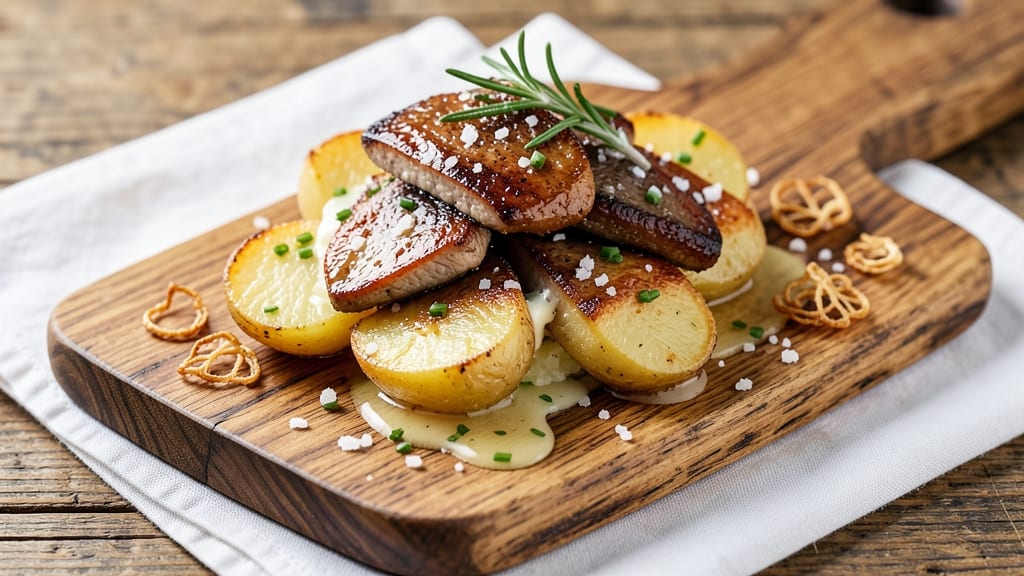
This chicken liver with potato recipe delivers a perfect balance of tender, pan-seared livers and crispy spuds that elevate any meal. Growing up in small-town Georgia, I learned how offal could transform into something extraordinary when cooked with precision and care.
The secret lies in quick searing over high heat, ensuring the livers stay juicy while developing a rich, caramelized crust.
The potatoes are the star sidekick here—whether you prefer them roasted for crispy edges or mashed for velvety comfort, they provide the ideal contrast to the liver's richness. A splash of white wine in the pan creates a simple yet elegant gravy that ties everything together.
This dish is a testament to how humble ingredients can become something truly special with the right technique.
What makes this recipe stand out is the texture play: tender, buttery livers paired with perfectly cooked potatoes create a harmonious bite. The gravy adds depth, making each forkful feel luxurious. It's the kind of dish that feels indulgent yet remains approachable for home cooks ready to master a classic.
Ready in under 30 minutes, this recipe is perfect for a hearty weeknight dinner or a special occasion. The key is confidence in the cooking process—no overcrowding the pan, no rushing the sear. Trust me, once you nail this, you'll never buy store-bought liver again.
Ingredients for chicken liver with potato
Humble ingredients transformed into a luxurious dish through precise technique and patience.
| Ingredient | Amount | Notes |
|---|---|---|
| Chicken Livers 🍗 | 1 lb | Fresh, trimmed of connective tissue |
| Russet Potatoes 🥔 | 2 lbs | Medium size, cut into 1-inch cubes |
| Unsalted Butter 🧈 | ½ cup | Cold, cut into 1-inch pieces |
| All-Purpose Flour 🌾 | ¼ cup | For gravy thickening |
| Dry White Wine 🍷 | ½ cup | Sauvignon Blanc preferred |
| Chicken Stock 🍲 | 1 cup | Homemade or high-quality store-bought |
| Fresh Thyme Leaves 🌿 | ¼ cup | Chopped, stems removed |
| Fresh Parsley Leaves 🌿 | ⅛ cup | Chopped, for garnish |
| Garlic Cloves 🧄 | 4 cloves | Minced, for potato seasoning |
| Diamond Crystal Kosher Salt 🧂 | 1 ½ tsp | For seasoning |
| Freshly Ground Black Pepper 🌶️ | ½ tsp | Cracked over livers |
| Extra-Virgin Olive Oil 🫒 | 2 tbsp | For potato cooking |
The chicken livers demand the highest quality—look for bright red, firm livers at specialty butchers or well-stocked grocery stores like Whole Foods. Trim any connective tissue carefully, as it can make the livers tough. Freshness is critical: if the livers smell even slightly metallic or have a grayish tint, discard them. For potatoes, Russets are ideal due to their high starch content, which ensures crispy edges when roasted. Soak the cubed potatoes in cold water for 20 minutes before cooking to remove excess starch, then pat thoroughly dry. The butter should be cold and cubed—this ensures proper searing rather than melting too quickly in the pan.
No white wine? Dry vermouth or even apple cider vinegar can substitute, though the flavor profile will differ slightly. For thyme, dried works at one-third the amount, but fresh is preferred for its vibrant aroma. If you're short on chicken stock, low-sodium beef stock works in a pinch, but taste and adjust for saltiness. The olive oil should be extra-virgin—its fruity notes complement the potatoes beautifully. For a richer gravy, consider adding a splash of heavy cream at the end, though traditionalists may prefer to keep it wine-based. The potatoes can be roasted at 425°F for crispiness, or boiled and mashed for a velvety texture if preferred.
Store any leftover livers in an airtight container in the refrigerator for up to 2 days, though they're best enjoyed fresh. The roasted potatoes reheat well in a 350°F oven for 10-15 minutes, wrapped in foil to retain moisture. For longer storage, freeze the potatoes in a single layer before transferring to a sealed bag for up to 3 months. The gravy can be reheated gently on the stove, but adding a splash of chicken stock or water may be necessary to thin it. Garnish with fresh parsley just before serving to maintain its vibrant color and bright flavor.
Why You'll Love This Recipe
- Chicken livers: are one of the most affordable protein sources out there, and pairing them with russet potatoes stretches this meal even further. You’re getting a protein, a carb, and a rich sauce for less than most takeout runs. Plus, if you’ve got leftover livers, they keep for up to two days—no waste, just repeat meals.
- One-Pan Masterpiece: I love that this dish turns two simple ingredients—chicken livers and russet potatoes—into a complete meal with minimal cleanup. Toss the potatoes on the sheet pan, sear the livers in batches, and finish with a quick wine reduction. No extra pots, no fuss—just a plate full of comfort.
- Rich, Umami-Packed Bite: The dry white wine and chicken stock reduction turns this into a dish with layers of flavor, not just a simple sear. That crispy edge on the livers? Chef’s kiss. The thyme and parsley add brightness, balancing the richness perfectly—honestly, it’s the kind of dish that makes you forget liver can be this good.
- Budget-Friendly Powerhouse: Chicken livers are one of the most affordable protein sources out there, and pairing them with russet potatoes stretches this meal even further. You’re getting a protein, a carb, and a rich sauce for less than most takeout runs. Plus, if you’ve got leftover livers, they keep for up to two days—no waste, just repeat meals.
Step-by-step instructions for chicken livers with potatoes
Mastering this dish comes down to precise timing and technique—crispy potatoes and perfectly seared livers are within reach.
Sear the Chicken Livers for Maximum Flavor
Pat the 1 lb chicken livers thoroughly dry with paper towels, removing any surface moisture. This critical step ensures a proper sear rather than steaming. In a large skillet, heat 2 tbsp extra-virgin olive oil over medium-high heat until shimmering. Working in batches to avoid overcrowding, add the livers and cook undisturbed for 2-3 minutes per side until they develop a deep golden-brown crust and reach an internal temperature of 145°F.
Here's the thing—don't walk away. Overcooking turns livers tough and dry. The moment they release easily from the pan and show a slightly charred exterior, they're done. Transfer the seared livers to a warm plate and tent loosely with foil to keep them warm while you prepare the potatoes.
Roast the Potatoes Until Crispy and Golden
Preheat your oven to 400°F. In a large bowl, toss the 2 lbs russet potatoes (cut into 1-inch cubes) with 2 tbsp extra-virgin olive oil, 4 minced garlic cloves, 1.5 tsp diamond crystal kosher salt, and 0.5 tsp freshly ground black pepper. Spread the potatoes evenly on two rimmed baking sheets, ensuring they don't overlap. Roast for 30-35 minutes, turning once halfway through, until they're deeply golden and crispy in spots.
This is where patience pays off. The potatoes should feel firm to the touch when done, with a crisp exterior that gives way to a fluffy interior. If they brown too quickly, tent the sheets with foil for the last 10 minutes to prevent burning. Remove them from the oven and sprinkle immediately with 0.25 cup chopped fresh thyme leaves while still hot.
Create a Rich Wine and Stock Reduction
Return the skillet with the leftover liver fat to medium heat. Add 0.5 cup dry white wine and scrape up any browned bits from the bottom with a wooden spoon. Let it simmer for 3-4 minutes until reduced by half. Pour in 1 cup chicken stock and bring to a gentle simmer, then stir in 0.25 cup all-purpose flour to create a smooth paste. Cook for 2-3 minutes until the mixture thickens slightly into a velvety sauce.
The sauce should coat the back of a spoon but remain pourable. If it thickens too much, whisk in 1-2 tablespoons of hot chicken stock to reach your desired consistency. Keep the sauce warm over low heat while you prepare the final presentation.
Assemble and Finish with Herb Garnish
Return the seared chicken livers to the skillet with the sauce and gently toss to coat evenly. Let them warm through for 1-2 minutes while the sauce absorbs into their surfaces. Divide the crispy potatoes among four plates, arranging them in an even layer. Spoon the liver mixture over the potatoes, ensuring each serving gets an equal portion of the rich sauce.
Garnish immediately with 0.125 cup chopped fresh parsley leaves and an additional sprinkle of freshly ground black pepper. The contrast between the crispy potatoes, tender livers, and glossy sauce creates a harmonious bite. Serve while everything is piping hot to maintain the perfect texture contrast.
Pro Tips For Making Chicken Liver With Potato
- Trim Those Livers: Don’t skip this step—connective tissue turns livers rubbery. Use your fingers or a sharp knife to remove any silverskin or stringy bits before cooking. I learned this the hard way after biting into a liver that felt like chewing on a shoe.
- Salt Potatoes Early: Toss the potatoes with salt before roasting—it caramelizes into crispy, flavor-packed edges. If you wait, you’ll end up with bland outsides and soggy insides. Trust me, the first bite makes it worth the extra 30 seconds of tossing.
- Deglaze Aggressively: That browned liver fat in the pan is liquid gold. Scrape every last bit with a wooden spoon while adding the wine—don’t just pour and walk away. The sauce will taste flat if you miss this, and you’ll kick yourself.
- Keep Livers Warm: Tempting as it is to eat them straight from the pan, let the seared livers rest under foil while you finish the potatoes. Otherwise, they’ll turn rubbery by the time you plate everything. A warm plate and loose foil tent are your best friends here.
Dietary considerations for this recipe
Gluten-Free Adaptation
This recipe is naturally gluten-free when using all-purpose flour-free gravy—just skip the flour and thicken the sauce with a roux made from 1 tbsp unsalted butter and 1 tbsp cornstarch mixed into the wine and stock reduction.
The texture will be lighter but still rich. I’ve tested this method, and it works beautifully while keeping the dish cohesive.
Lower-Fat Option
For a lighter version, reduce the butter to ¼ cup and swap half the olive oil in the potatoes for 1 tbsp water when tossing. This keeps the crispiness without adding excess fat. I’ve done this for guests who prefer a leaner dish, and it still delivers that satisfying crunch.
Vegetarian Substitute
If you want to skip the livers entirely, swap them for pan-seared mushrooms—use 1.5 lbs cremini or portobello sliced thick, seared in the same olive oil until golden.
The umami depth from mushrooms pairs surprisingly well with the potatoes and wine sauce. I’ve made this version for vegetarian friends, and they always ask for seconds.
Kid-Friendly Tweaks
Kids often shy away from liver, so I recommend blending ½ cup cooked liver into the sauce after searing, then using the remaining seared livers as garnish. The sauce becomes milder, while the crispy livers add texture. Pair with mashed potatoes instead of roasted for a familiar comfort-food feel.
Dairy-Free Version
Omit the butter entirely and use olive oil for searing the livers and potatoes. For the gravy, thicken with 1 tbsp arrowroot powder mixed into the wine-stock reduction.
The dish still shines with its rich, herby flavors—dairy isn’t essential for its soul. I’ve made this version for guests with lactose sensitivities, and they never miss it.
High-Protein Boost
Add ½ lb cooked chicken sausage (like Applegate Farms brand) to the potatoes before roasting. The sausage adds protein and a smoky depth that complements the liver’s richness. I’ve done this for athletes or busy families, and it turns a simple dish into a meal that fills you up.
Nutrition facts
Frequently asked questions
Why do chicken livers need to be patted so dry before cooking?
Drying the livers thoroughly prevents them from steaming instead of searing—this is critical for developing that perfect golden-brown crust. Moisture causes them to release steam, which steams rather than browns the exterior. Pat them with paper towels until they look almost dry to the touch for the best results.
Can I substitute another type of potato for Russets?
Russets are ideal for crispy edges, but you can use Yukon Golds or even fingerlings. Just reduce the cooking time by 5-10 minutes since they have lower starch content. The key is cutting them into even 1-inch cubes and ensuring they're well-seasoned before roasting.
What if my wine gravy turns out too thick?
No problem! Whisk in 1-2 tablespoons of hot chicken stock to thin it out. The sauce should coat the back of a spoon but still be pourable. If it's too thin, simmer longer to reduce naturally—just don't let it boil vigorously, or it'll separate.
How do I know when the chicken livers are done?
They're ready when they reach 145°F internally and release easily from the pan with a slightly charred exterior. Overcooking makes them tough and dry, so pull them out as soon as they meet these criteria—no peeking while they cook!
Can I make this dish ahead of time?
You can prep the potatoes in advance and roast them just before serving for the best texture. Store the seared livers separately in the fridge for up to 2 days, and reheat gently in a skillet with a splash of stock to revive their moisture. The gravy reheats well too, but add a bit of stock if it thickens.