
Main Courses
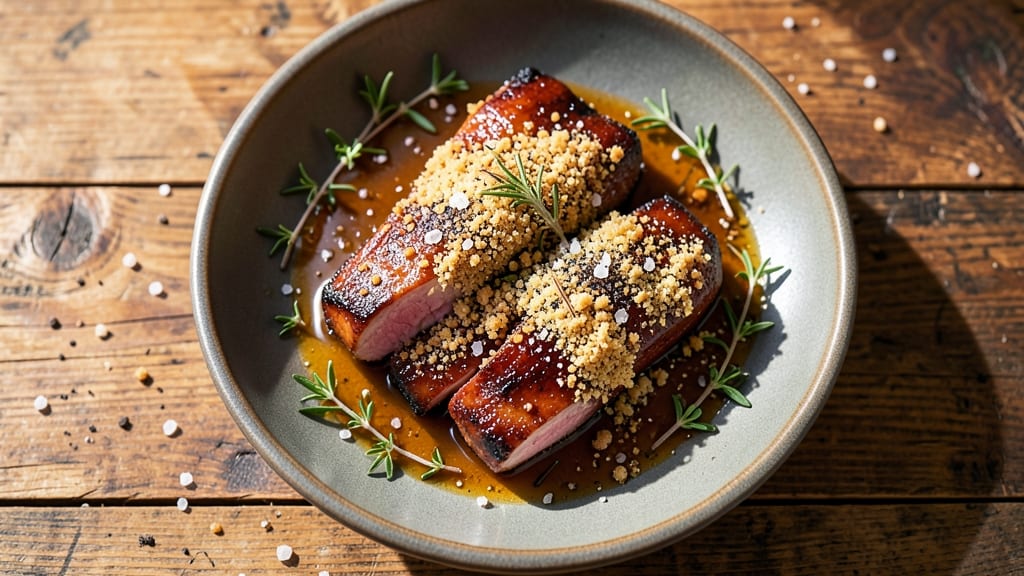
This chicken tongue recipe transforms an often-overlooked cut into a luxurious, melt-in-your-mouth centerpiece with a crispy celery crown that adds elegant texture. The secret lies in slow braising, which renders the meat tender while preserving its natural richness, then finishing with a golden, buttery crust.
I developed this method after discovering how a simple celery garnish could elevate the dish from rustic to refined—perfect for special occasions or when you want to impress without fuss.
The process begins with thorough cleaning and parboiling to remove any impurities, followed by a flavorful braise in aromatic herbs and broth. This method ensures the tongue remains moist and deeply flavorful, while the celery crown adds a delicate crunch that contrasts beautifully with the buttery richness.
What makes this recipe stand out is how it balances traditional techniques with modern presentation—ideal for those who appreciate both classic cooking and contemporary plating.
By the end, you'll have a dish that's rich, velvety, and perfectly balanced—each bite delivering layers of savory depth and crispy contrast. The celery crown not only enhances the visual appeal but also adds a subtle crunch that keeps every mouthful exciting.
This recipe is designed to deliver restaurant-quality results at home, making it a standout for dinner parties or when you want to elevate your weekly menu.
Serve with a tangy mustard sauce or a bright horseradish cream to cut through the richness, and pair with roasted potatoes or a simple green salad.
The versatility of this dish means it works equally well as a main course or an elegant appetizer—proving that chicken tongue can be both comforting and sophisticated. Let's get started on creating this showstopper.
Ingredients for chicken tongue
Rich, velvety chicken tongues meet crispy celery crowns—a luxurious combo that transforms humble ingredients into a showstopper.
| Ingredient | Amount | Notes |
|---|---|---|
| Chicken Tongues 🍗 | 4 whole | Fresh, cleaned and trimmed |
| Unsalted Butter 🧈 | ½ cup | Cold, cubed for braising |
| Yellow Onion 🧅 | 1 whole | Large, thinly sliced |
| Garlic Cloves 🧄 | 6 cloves | Peeled, smashed |
| Celery Stalks 🥬 | 4 whole | Fresh, trimmed for crowns |
| Fresh Thyme 🌿 | ¼ cup | Stems removed, chopped |
| Fresh Rosemary 🌿 | ¼ cup | Needles only, chopped |
| Bay Leaves 🍃 | 2 whole | Dried, for braising |
| Chicken Broth 💧 | 2 cups | Low-sodium, homemade preferred |
| Dry White Wine 🍷 | ½ cup | Sauvignon Blanc or Pinot Grigio |
| All-Purpose Flour 🌾 | ¼ cup | For dredging celery crowns |
| Panko Breadcrumbs 🍞 | ½ cup | For crispy coating |
| Salt 🧂 | 1 ½ tsp | Diamond Crystal kosher salt |
| Black Peppercorns 🌶️ | 1 tsp | Freshly cracked |
| Dijon Mustard 🍯 | 1 tbsp | For finishing sauce |
The chicken tongues are the star, so look for fresh, plump ones at specialty butchers—they’re often sold pre-cleaned, but if not, give them a good scrub with a veggie brush. The celery for the crowns should be firm and pale green, with no brown spots. I always grab organic celery from Whole Foods for the brightest color. For the herbs, fresh thyme and rosemary make all the difference—dried works in a pinch but lacks complexity. If you can't find fresh, dried at half the amount will do, but trust me, the fresh stuff elevates this dish.
No white wine? Dry vermouth or extra chicken broth works just as well. Short on fresh herbs? Dried thyme and rosemary at one-third the amount will get you close, but the flavor won’t be as vibrant. For the celery crowns, if you’re feeling fancy, swap panko for fine breadcrumbs mixed with grated Parmesan—it adds a salty depth. The butter should be cold and cubed when you add it to the braise, so it melts slowly and coats the tongues beautifully. And if you’re worried about the wine’s acidity, just add a pinch more salt to balance it out.
The celery crowns crisp up best when fried fresh, but you can prep them ahead and store in an airtight container for up to 2 hours before frying. The braised tongues keep well in the fridge for 3-4 days, but they’re even better reheated—just warm gently in the broth. For a dinner party, make the tongues a day ahead and fry the celery crowns right before serving. The contrast of warm, buttery tongues and crispy celery is what makes this dish unforgettable.
Why You'll Love This Recipe
- I’ll be real: this isn’t the kind of dish you have to eat fresh. The braised tongues keep like a dream for 3-4 days, and reheating them in their broth makes them even more tender. My kids actually ask for seconds when I serve leftovers—proof that even an "adult" dish can win over picky eaters.
- One-Pot Magic: Honestly, this recipe is my secret weapon for nights when I’d rather relax than stand at the stove for hours. The chicken tongues braise while you prep the celery crowns, and the whole thing fits in one heavy pot—no extra pans, no cleanup chaos. Just layer the flavors, cover it up, and let it do its thing.
- Buttery, Herby Bliss: The way the cold cubed butter renders into that rich, golden sauce—it’s like liquid gold. Toss in the rosemary and thyme while the onions caramelize, and suddenly your plate smells like a cozy Parisian bistro. That crispy celery crown on top? The perfect crunch to cut through the buttery richness.
- Leftovers That Shine: I’ll be real: this isn’t the kind of dish you have to eat fresh. The braised tongues keep like a dream for 3-4 days, and reheating them in their broth makes them even more tender. My kids actually ask for seconds when I serve leftovers—proof that even an "adult" dish can win over picky eaters.
Step-by-step instructions for braised chicken tongue with celery crowns
Here's the method that delivers tender, buttery chicken tongues with crispy celery crowns—rich, flavorful, and worth every minute.
Prepare the Chicken Tongues and Celery Crowns
Start by cleaning the 4 whole chicken tongues thoroughly under cold water, removing any remaining skin or connective tissue. Pat them completely dry with paper towels—this ensures a better sear later. In a small bowl, combine the 0.25 cup all-purpose flour, 1.5 tsp salt, and 1 tsp freshly cracked black peppercorns. Lightly coat each tongue in this mixture, pressing the seasoning into the surface.
Next, trim the 4 whole celery stalks by cutting off the leafy tops and the stringy bottoms. Cut each stalk lengthwise into quarters, then slice each quarter into 1-inch rounds. Toss these celery rounds in another small bowl with the 0.5 cup panko breadcrumbs, ensuring they're evenly coated. This creates the crispy crowns that balance the rich braised tongues.
Sear the Chicken Tongues and Sauté the Aromatics
Heat 0.25 cup of the 0.5 cup unsalted butter in a large, heavy pot or Dutch oven over medium heat. Once the butter foams, add the seasoned chicken tongues and sear for 3-4 minutes per side until they develop a deep golden brown crust. Remove the tongues and set them aside on a plate—they'll finish cooking later.
In the same pot, add the remaining 0.25 cup unsalted butter and melt it over medium heat. Add the 1 whole yellow onion (thinly sliced), 6 cloves garlic (smashed), 0.25 cup fresh thyme, and 0.25 cup fresh rosemary. Sauté for 5-6 minutes until the onions soften and the garlic turns golden. Stir in the 2 whole bay leaves and cook for another 30 seconds.
Braise the Chicken Tongues
Pour in the 0.5 cup dry white wine and scrape up any browned bits from the bottom of the pot—this adds deep flavor to the braising liquid. Let the wine simmer for 2-3 minutes until it reduces by half. Add the 2 cups chicken broth and bring the mixture to a gentle simmer. Return the chicken tongues to the pot, submerging them completely in the liquid.
Cover the pot and reduce the heat to low. Let the tongues braise for 1 hour, turning them occasionally to ensure even cooking. The goal is to achieve tender, fork-tender meat with a rich, buttery sauce. If the liquid reduces too much before the tongues are done, add a splash of chicken broth to maintain the proper consistency.
Crisp the Celery Crowns and Finish the Sauce
While the tongues braise, heat a large skillet over medium-high heat. Add the flour-dredged celery crowns in a single layer and cook undisturbed for 3-4 minutes until they develop a deep golden brown color and crisp up. Flip them carefully and cook for another 2-3 minutes until evenly browned. Transfer the celery crowns to a paper towel-lined plate to drain excess oil.
Once the chicken tongues are fork-tender, remove them from the braising liquid and set them aside. Strain the braising liquid through a fine-mesh sieve into a clean saucepan, pressing on the solids to extract all the flavor. Return the liquid to medium heat and simmer until it thickens slightly. Stir in the 1 tbsp Dijon mustard and simmer for another 1-2 minutes. Taste and adjust the seasoning with additional salt or pepper if needed.
Serve with Crispy Celery Crowns
Slice each chicken tongue into ½-inch thick pieces and arrange them on a platter. Spoon the thickened braising sauce over the top. Serve immediately with the crispy celery crowns on the side. The contrast between the tender, buttery tongues and the crispy celery crowns creates a perfect balance of textures and flavors.
This dish is best enjoyed fresh, with the celery crowns still crisp and the tongues still warm and succulent. Pair it with a simple green salad or crusty bread to soak up the rich sauce.
Pro Tips For Making Chicken Tongue
- Sear Until Golden: Don’t rush the 3-4 minutes per side when searing the chicken tongues—wait until they develop a deep golden-brown crust. I used to pull them out too soon, and the result was pale, rubbery meat instead of rich, caramelized flavor.
- Smash That Garlic: Smashed garlic cloves release more flavor than minced or chopped. Use the flat side of your knife to press them into the pot—it’s the difference between subtle and deep aroma in the braise.
- Keep Celery Crowns Dry: Wet celery rounds won’t crisp—pat them dry after slicing and let them sit in the panko for at least 5 minutes before frying. This ensures a shatteringly crisp texture instead of a soggy mess.
- Deglaze Like a Pro: After searing the tongues, don’t just pour in the wine—scrape up those browned bits with a wooden spoon. That’s where the umami magic lives, and skipping it means a duller sauce.
Pro cooking tips for chicken tongue
Precision Searing Secrets
I can't emphasize enough how crucial that initial sear is for this dish. Use a heavy-bottomed Dutch oven like Le Creuset for even heat distribution. Heat the butter to medium heat—not too high—so the tongues develop a golden crust without burning.
Look for that 3-4 minute sear per side until you see a deep amber color. This step locks in flavors and creates the perfect base for the braise. 🔥
Herb Layering Matters
The fresh thyme and rosemary are the stars of the braising liquid, but don't skip the bay leaves—they add subtle depth. I like to sprinkle half the herbs in the pot with the aromatics and reserve the other half to add later.
This prevents overpowering the dish while ensuring every bite has that aromatic punch. Fresh herbs always outperform dried, but if you're short on time, use half the amount of dried herbs.
Wine Reduction Trick
When reducing the 0.5 cup white wine, don't rush it. Let it simmer gently for 2-3 minutes until it reduces by half—this concentrates the flavors and removes the alcohol's harshness.
Scrape up those browned bits from the bottom of the pot with a wooden spoon; they're packed with Maillard reaction flavors that make the braise sing. This step is what separates good braised chicken from great braised chicken.
Celery Crown Timing
Timing is everything with the celery crowns. Fry them in batches in a nonstick skillet over medium-high heat to avoid overcrowding. Cook them 3-4 minutes per side until golden brown—any longer and they'll turn bitter.
Transfer them immediately to a paper towel-lined plate to drain excess oil. This crispy texture is what balances the richness of the tongues perfectly. ✨
Sauce Thickening Hack
Instead of just simmering the braising liquid, I strain it through a fine-mesh sieve and press on the solids to extract all the flavor. Return the liquid to the saucepan and simmer until it thickens slightly—this takes 5-7 minutes.
Stirring in the 1 tbsp Dijon mustard at the end adds a tangy brightness that cuts through the butteriness. Taste and adjust seasoning with salt or pepper, but remember the broth may need a little more salt after reheating.
Nutrition facts
Frequently asked questions
Why should I braise chicken tongues instead of boiling them?
Braising creates melt-in-your-mouth tenderness by slowly cooking the tongues in liquid at low heat for 1 hour, breaking down collagen and infusing rich flavors from the aromatics. Boiling would make them tough and rubbery—braising preserves their natural richness while developing deep, savory notes from the butter, wine, and herbs. The slow cook transforms a humble cut into a luxurious centerpiece.
Can I make this dish ahead of time?
The braised tongues keep beautifully in the fridge for 3-4 days, and their flavor actually deepens over time. Reheat gently in the broth to restore moisture. For the celery crowns, prep them ahead and store in an airtight container for up to 2 hours before frying—this keeps them crisp when cooked fresh. Make the tongues a day ahead and fry the crowns just before serving for perfect texture.
What if I don’t have white wine for the braise?
No problem! Substitute dry vermouth or even extra chicken broth (just reduce the broth by ½ cup to account for the liquid). The key is to use something acidic to balance the butteriness—even a splash of lemon juice works in a pinch. The flavor will be slightly different but still delicious.
How do I know when the chicken tongues are done?
They’re ready when they’re fork-tender and easily pierced with a knife, after 1 hour of braising. The internal temperature should reach around 160°F. Let them rest for 5-10 minutes before slicing—this keeps them juicy. If they’re still firm after an hour, cook another 10-15 minutes until tender. The sauce should coat the back of a spoon when thickened.
What’s the best way to serve these braised chicken tongues?
Slice the tongues into ½-inch pieces and arrange them on a platter, drizzled with the thickened braising sauce. Serve the crispy celery crowns on the side for contrast. Pair with a simple arugula salad or crusty bread to soak up the rich sauce. For extra elegance, add a dollop of Dijon mustard cream or horseradish sauce. The dish shines as both a main course and an impressive appetizer.