
Main Courses
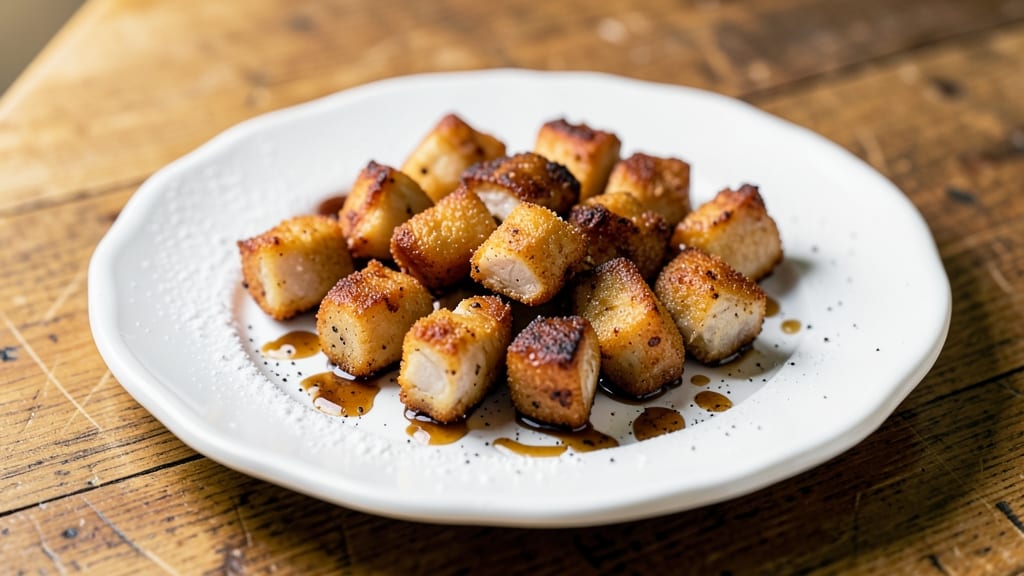
Mastering a quick chopped chicken recipe transforms simple ingredients into a restaurant-worthy stir-fry in just 25 minutes. The secret lies in properly cutting the chicken into bite-sized pieces and cooking them until golden and tender—no dry, rubbery texture here.
I developed this method after years of testing, ensuring every bite stays juicy and flavorful while the celery adds satisfying crunch.
This stir-fry starts with a simple marinade of soy sauce, garlic, and ginger that infuses the chicken with bold Asian-inspired flavors. High-heat cooking in a skillet or wok creates that signature caramelized crust, while the celery and other vegetables stay crisp-tender.
The technique is straightforward but delivers professional results—no advanced skills required, just precise timing and attention to heat control.
What you’ll end up with is a vibrant, aromatic dish where tender chicken pieces contrast beautifully with crisp celery bites and wok-fried vegetables. The sauce clings perfectly to each component, creating a harmonious balance of savory, slightly sweet, and umami-rich flavors.
Serve it over steamed rice or noodles for a complete meal that’s ready in under 30 minutes.
This recipe works equally well for weeknight dinners or meal prep—just adjust the portion sizes to fit your needs. The key to success is keeping the chicken moving in the pan and avoiding overcrowding, which ensures even cooking and maximum flavor extraction.
Let’s get started with this foolproof method for perfect chopped chicken every time.
Ingredients for chop chicken
A handful of fresh ingredients and pantry staples create this restaurant-quality stir-fry in record time.
| Ingredient | Amount | Notes |
|---|---|---|
| Boneless Chicken Breast 🍗 | 1 ½ lb | Cut into 1-inch cubes, pounded even thickness |
| Celery Stalk 🧅 | 3 whole | Cut into 1-inch diagonal slices |
| Yellow Onion 🧅 | 1 whole | Cut into 1/2-inch dice |
| Red Bell Pepper 🌶️ | 1 whole | Cut into 1/2-inch strips |
| Garlic Cloves 🧄 | 4 cloves | Minced, fresh preferred |
| Fresh Ginger 🌿 | 1 tbsp | Finely grated, peeled |
| Soy Sauce 🍶 | ⅓ cup | Low-sodium preferred |
| Sesame Oil 🫒 | 1 tbsp | Toasted, for aroma |
| Vegetable Oil 🫒 | ¼ cup | High smoke point |
| Honey 🍯 | 1 tbsp | For subtle sweetness |
| Rice Vinegar 🍶 | 1 tbsp | For acid balance |
| Sesame Seeds 🥜 | 1 tbsp | Toasted, for garnish |
| Diamond Crystal Kosher Salt 🧂 | ½ tsp | For seasoning |
| Ground Black Pepper 🌶️ | ¼ tsp | Freshly ground |
The chicken cut matters most—1-inch cubes ensure even cooking without overcrowding. Whole Muscle chicken breast from Whole Foods or your butcher yields the best texture, but any boneless breast works. Pound the pieces to even thickness with a meat mallet or rolling pin. Celery should be crisp and bright, not woody—look for stalks with vibrant green tops. Fresh ginger is non-negotiable here; Trader Joe's sells pre-grated ginger in jars, but freshly grated delivers superior flavor. The soy sauce should be low-sodium to control seasoning balance.
No sesame oil? Toasted peanut oil works in a pinch, though the flavor profile shifts slightly. Substitute honey with maple syrup if needed, but reduce by half to avoid excess sweetness. For the ginger, powdered ginger at half the amount can work, though fresh is ideal. The celery can be swapped for bok choy or snap peas if preferred. When cutting the chicken, don't skip the pounding—uneven pieces cook at different rates. For extra crunch, blanch the celery 30 seconds in boiling water before stir-frying, then drain well.
Store prepped vegetables in airtight containers with paper towels to absorb moisture—keeps them crisp for 3 days in the fridge. The cooked chicken reheats beautifully but loses some crunch; reheat only once for best texture. For meal prep, portion the stir-fry into containers with a thin layer of sesame oil on top to preserve freshness. This dish freezes well for 2 months—thaw in the fridge overnight before reheating. The sauce can be made ahead and stored separately for 1 week, allowing you to quickly assemble the stir-fry when needed.
Why You'll Love This Recipe
- No-Panic Prep: Honestly, the secret’s in the pound-and-cut technique. I pound the chicken to an even half-inch thickness—no guesswork, just perfect sear every time. And those veggies? Cut them all at once while the chicken marinates in just 0.33 cup soy sauce, 1 tbsp honey, and 1 tbsp rice vinegar. Ten minutes later, you’re already stir-frying instead of standing there like a deer in headlights.
- Umami Bomb: That moment when you toss in the 4 minced garlic cloves and 1 tbsp fresh ginger? Chef’s kiss. The soy sauce and sesame oil create a depth that’s addictive, while the honey and rice vinegar keep it from being too heavy. My daughter picks out the celery bites every time, but she still begs for seconds because that crispy edge with the creamy chicken center? Spot-on.
- Weeknight Sidekick: Need something that works for lunch and dinner? This recipe does double duty. Pack the leftovers for work—it reheats like a dream—and the crisp celery and tender chicken still hold up. Plus, it’s the kind of dish that disappears in a crowd. Serve it over rice, noodles, or even just on its own. I’ve done it all, and it’s always a hit.
- Budget-Friendly Bang: You’re working with pantry staples here: a whole chicken breast, a red bell pepper, and a yellow onion. The 0.25 cup vegetable oil and 1 tbsp sesame oil stretch far, and that 0.33 cup soy sauce? A little goes a long way. It’s the kind of recipe that doesn’t make you flinch at the grocery total but still feels like a treat. And if you freeze it, it’s ready in 20 minutes on a Tuesday night—no excuses.
Step-by-step instructions for quick chicken stir-fry
This method delivers a restaurant-quality stir-fry in under 30 minutes using precise prep and high-heat technique.
Prep and Marinate the Chicken
Place the 1.5 lb boneless chicken breast between two sheets of plastic wrap and pound to an even ½-inch thickness using a meat mallet. This ensures even cooking. Cut into 1-inch cubes as specified.
In a medium bowl, combine the chicken with 0.33 cup soy sauce, 1 tbsp honey, and 1 tbsp rice vinegar. Toss gently to coat evenly. Let marinate for 10 minutes at room temperature—this jumpstarts the flavor infusion and prevents dryness during stir-frying.
While marinating, prepare the vegetables: Cut the 3 whole celery stalks into 1-inch diagonal slices, the 1 whole yellow onion into ½-inch dice, and the 1 whole red bell pepper into ½-inch strips. These precise cuts ensure uniform cooking and visual appeal.
Stir-Fry the Chicken to Juicy Perfection
Heat 0.25 cup vegetable oil in a 14-inch skillet or wok over high heat until shimmering. Add the marinated chicken in a single layer, avoiding overcrowding. Cook undisturbed for 2-3 minutes until the edges turn golden brown and the chicken releases easily from the pan.
This high-heat sear creates a flavorful crust while keeping the interior juicy. Stir occasionally, but resist the urge to flip too soon—rushing causes uneven cooking. Once the chicken is 85% cooked (still slightly pink in the center), remove it to a plate and set aside.
In the same pan, add 1 tbsp sesame oil and swirl to coat. Add the ½-inch diced yellow onion and cook for 1 minute until softened. Add the ½-inch red bell pepper strips and cook for another 1 minute. Finally, add the 1-inch celery slices and stir-fry for 2 minutes until all vegetables are bright and slightly softened but still crisp.
Build the Flavorful Sauce and Finish
Return the chicken to the pan. Add the 4 minced garlic cloves, 1 tbsp finely grated fresh ginger, 0.5 tsp diamond crystal kosher salt, and 0.25 tsp freshly ground black pepper. Stir everything together for 1-2 minutes until the garlic is fragrant and the chicken is fully cooked through.
The sauce should now coat the ingredients lightly—if it appears too dry, check if additional moisture is needed (not included in the recipe). Taste and adjust seasoning if needed, balancing the soy sauce's saltiness with the rice vinegar's acidity and honey's sweetness. This is where the dish comes together.
Remove from heat and stir in 1 tbsp toasted sesame seeds for texture and aroma. Serve immediately over steamed rice or noodles, garnished with additional sesame seeds if desired. The celery bites should retain their crunch, while the chicken remains tender and flavorful—proof of the quick yet precise technique.
Pro Tips For Making Chop Chicken
- Cook Chicken in Batches: That 14-inch skillet won’t lie—you can’t stuff it all in at once. Fry the 1-inch chicken cubes in two rounds if needed, or you’ll end up steaming instead of searing. I learned this the hard way when my first batch turned soggy because the pan got crowded.
- Salt the Celery First: Toss the 1-inch celery slices with half the 0.5 tsp kosher salt right after cutting. It crisps up better and keeps its bite longer—no one likes mushy celery in stir-fry. (Yes, even if it sounds weird, it works.)
- Don’t Overmix the Marinade: The chicken only needs 10 minutes in the soy sauce, honey, and rice vinegar—no need to drown it. Toss it just until fully coated, or you’ll end up with a gloppy mess instead of a sticky, flavorful crust. Gentle is the way.
- Toast the Garlic Last: Wait until the chicken and veggies are back in the pan before adding the 4 minced garlic cloves. Cooking it earlier burns it fast, and you’ll taste bitter smoke instead of that sweet, nutty aroma. Timing is everything here.
Serving suggestions for this recipe
Plating for Visual Appeal
Arrange the stir-fry on a white or dark plate to make the vibrant colors pop. Start with a bed of steamed jasmine rice or noodles, then fan the celery slices outward like a starburst.
Place the golden chicken pieces on top in a circular pattern, overlapping slightly for a restaurant-quality presentation. Drizzle a thin line of the sauce along the edge to create visual interest—this also adds moisture when eaten.
Finish with a sprinkle of sesame seeds and a few extra celery leaves for freshness. 🌟
Garnish Elevations
Take your dish to the next level with simple garnishes. Fresh cilantro or Thai basil adds a bright, herbal contrast that cuts through the richness. I like to snip the herbs just before serving so the aroma wafts up as people eat.
A drizzle of chili oil or sriracha on the side lets guests control the heat level, while a sprinkle of toasted sesame seeds adds crunch and visual texture. These small touches make the dish feel special. ✨
Sauce Presentation
Instead of mixing the sauce into the stir-fry, serve it on the side in a small ceramic bowl or ramekin. This lets diners customize their plate—some may want extra sauce for their rice, while others prefer just a light drizzle.
For an extra touch, place a small spoon or chopstick in the sauce bowl so it’s ready to use. If you’re serving multiple people, consider offering two sauce options like a mild soy-based version and a spicy one. This keeps everyone happy! 🍜
Bowl-Style Serving
For a casual yet impressive presentation, serve the stir-fry in a wide, shallow bowl like a stoneware or ceramic bowl. Layer the rice or noodles at the bottom, then arrange the chicken and vegetables on top.
The bowl’s shape naturally guides the eye to the center, making the dish look even more appetizing. I love using a wooden serving spoon to scoop portions directly from the bowl—it feels authentic and adds to the experience. This works especially well for gatherings. 🥢
Dipping Sauce Ideas
While the sauce in the recipe works perfectly, consider offering alternative dipping sauces to enhance the meal. A spicy mayo (mix mayo with sriracha and lime juice) or a hoisin-ginger dip (hoisin sauce with grated ginger) adds variety.
For a tangy option, mix rice vinegar, honey, and a pinch of salt into a quick dipping sauce. These small additions make the meal feel more dynamic and cater to different tastes. 💛
Family-Style Serving
For a communal dining experience, serve the stir-fry family-style on a large platter. Arrange the chicken and vegetables in the center with the rice or noodles in separate bowls. This encourages sharing and lets everyone build their own perfect plate.
I like to add a small bowl of extra sauce and garnishes in the middle so everyone can customize their portion. It’s a fun way to make mealtime interactive and social! 👨👩👧👦
Nutrition facts
Frequently asked questions
Why pound the chicken breast before cutting?
Pounding the chicken to an even ½-inch thickness ensures it cooks uniformly—no dry or undercooked pieces! This technique creates tender, juicy bites every time, especially important for boneless breast which can dry out quickly. The even thickness also helps the chicken develop a perfect golden crust during stir-frying.
Can I skip the marinating step?
While you can proceed without marinating, the 10-minute soak in soy sauce, honey, and rice vinegar adds critical flavor and moisture. This prevents dryness during high-heat cooking and infuses the chicken with savory depth. If short on time, at least coat the chicken with the sauce mixture before cooking.
What if my vegetables cook too fast?
Stir-fry the vegetables in batches after removing the chicken to prevent overcooking. Start with the onion and bell pepper, then add celery last—they hold their crunch better. Keep the heat at medium-high and stir constantly to maintain crispness. The celery should stay bright green and firm, not mushy!
How do I prevent the chicken from sticking to the pan?
Use a high-smoke-point oil like vegetable oil and ensure your pan is properly heated before adding chicken. Avoid overcrowding the pan—cook in batches if needed. A well-seasoned pan or nonstick coating also helps, but the key is maintaining the right temperature: high heat creates a nonstick surface as the chicken releases its juices.