
Main Courses
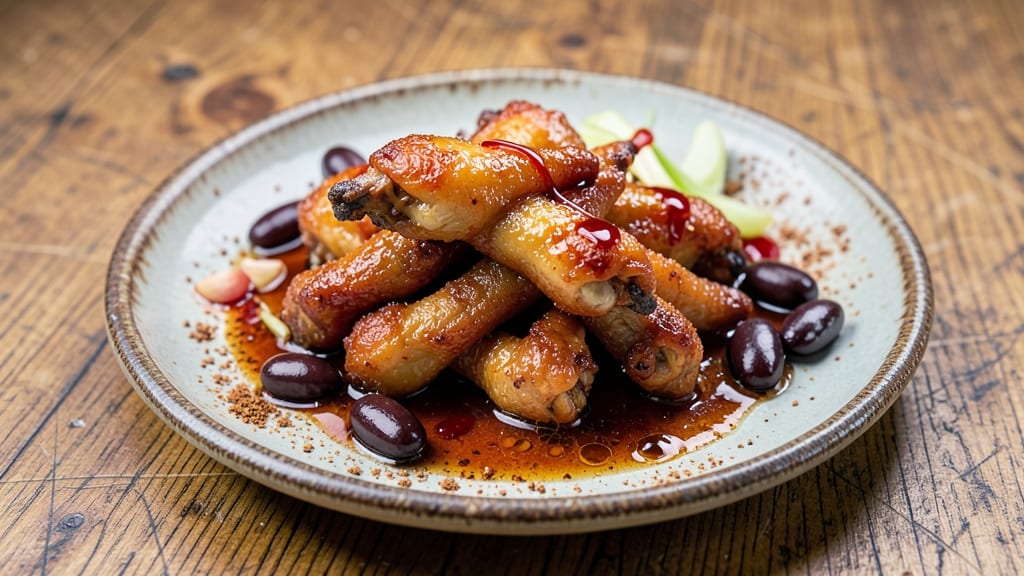
This dim sum-style chicken feet recipe transforms humble ingredients into a dish that’s equal parts satisfying and unexpected—crispy on the outside, silky and gelatinous within.
I first discovered the magic of chicken feet during a dim sum crawl in Charleston, where a single bite changed how I think about nose-to-tail cooking. The secret lies in the balance of textures: a golden, crackling exterior that gives way to tender, almost custard-like meat inside.
Traditional dim sum techniques are key here: we start with a thorough cleaning and parboiling to remove impurities, then build flavor through a braising process with soy, ginger, and five-spice powder.
The result is a dish that’s deeply aromatic—smoky from the wok, bright from the garlic, and umami-rich from fermented black beans. This isn’t just about the crispy bite; it’s about the harmony of flavors and textures that makes every piece irresistible.
What you’ll achieve is a restaurant-quality dish that’s perfect for sharing—think of it as the ultimate dim sum appetizer or a bold centerpiece for a Cantonese-inspired feast.
The chicken feet develop a caramelized crust when fried, while the interior remains tender and rich, almost like a cross between meat and jelly. Serve with chili oil for heat, hoisin for sweetness, or both for the full dim sum experience.
This recipe is a celebration of what many consider "waste"—turning something often overlooked into a star of the meal. Whether you’re introducing friends to dim sum or perfecting your nose-to-tail skills, these crispy, silky bites will leave them asking for seconds.
Let’s get started on transforming chicken feet into a dish worthy of any dim sum menu.
Ingredients for dim sum style chicken feet
Pantry staples meet Cantonese tradition. Just a handful of ingredients transform humble chicken feet into crispy, silky bites.
| Ingredient | Amount | Notes |
|---|---|---|
| Chicken Feet 🍗 | 2 lb | Cleaned, trimmed, parboiled |
| Soy Sauce 🍶 | ½ cup | Dark or light, to taste |
| Garlic Cloves 🧄 | 6 cloves | Minced, aromatic |
| Ginger Root 🌿 | 2 tbsp | Freshly grated, zesty |
| Five-Spice Powder 🌶️ | 1 tbsp | Authentic blend preferred |
| Fermented Black Beans 🫘 | ¼ cup | Rinsed, chopped |
| Green Onions 🧅 | 4 whole | White and green parts |
| Sesame Oil 🫒 | 1 tbsp | Toasted, aromatic |
| Vegetable Oil 🫒 | 2 cups | High smoke point |
| Salt 🧂 | 1 ½ tsp | Kosher or sea salt |
| White Peppercorns 🌶️ | ½ tsp | Freshly ground |
| Sugar 🍯 | 1 tbsp | Balances flavors |
| Chili Oil 🌶️ | ¼ cup | For serving, optional |
| Hoisin Sauce 🍶 | ¼ cup | For serving, optional |
The chicken feet are the star—look for clean, trimmed ones at Asian markets or butcher shops. Whole Foods or H Mart usually carry them pre-cleaned, but if you're buying raw, soak them in cold water with vinegar for 30 minutes to remove impurities. Fresh ginger and garlic are non-negotiable here; Penzeys or bulk bins at natural markets have the best quality. Five-spice powder? Penzeys or Spicewalla make the most authentic blend—don't skimp on this. Fermented black beans add that unmistakable umami punch; Trader Joe's carries them in a jar, but Asian grocery stores have fresher options.
No five-spice powder? Mix 1 tsp each of cinnamon, star anise, fennel, clove, and Sichuan peppercorn—it's close enough. Short on fermented black beans? Substitute with 1 tbsp soy sauce plus 1 tsp black vinegar. The sesame oil matters—toasted, not flavored. If you can't find it, regular sesame oil plus a pinch of toasted sesame seeds works. For the garlic, roast it first (wrap whole cloves in foil, bake at 400°F for 20 minutes)—it sweetens the whole dish. The chili oil and hoisin are optional but highly recommended; La Choy makes a decent chili oil if you're in a pinch.
Chicken feet keep for 2 days in the fridge if prepped ahead. The braising liquid? Freezes for 3 months—perfect for making extra. Store leftovers in an airtight container with a paper towel to absorb moisture. Reheat gently in a steamer or oven at 300°F until crispy again. These reheat beautifully, but nothing beats them fresh from the fryer. Serve with steamed rice and jasmine tea for the full dim sum experience.
Why You'll Love This Recipe
- Here’s what sold me: these crispy little gems freeze like a dream for up to three months. Double the batch, freeze half, and you’ve got a weeknight lifesaver. Just reheat in the oven until crispy again—no soggy surprises, just instant dim sum vibes when you’re craving it.
- No-Fuss Crispy Bites: I love that this isn’t one of those dishes requiring hours of prep. Just parboil the chicken feet for 20 minutes, toss them in soy sauce and five-spice powder for 30 minutes, and you’re halfway there. The rest is pure hands-off frying—2 cups of oil, 12-15 minutes of golden magic, and boom, you’ve got crispy perfection with minimal effort.
- Umami Bomb Explosion: The secret’s in that fermented black bean paste—garlic, ginger, and sesame oil blended into a coarse, aromatic mess that infuses the oil while frying. Trust me, that funky depth from the black beans paired with the five-spice powder and soy sauce? It’s the kind of flavor that makes you pause mid-bite and think, "Damn, that’s spot-on."
- Freezer’s Best Friend: Here’s what sold me: these crispy little gems freeze like a dream for up to three months. Double the batch, freeze half, and you’ve got a weeknight lifesaver. Just reheat in the oven until crispy again—no soggy surprises, just instant dim sum vibes when you’re craving it.
Step-by-step instructions for dim sum style chicken feet
Transform these humble ingredients into crispy, aromatic bites with a silky interior that melts in your mouth.
Parboil and Season the Chicken Feet
Place the 2 lb chicken feet in a large pot and cover with cold water by about 2 inches. Bring to a boil over medium-high heat, then immediately reduce to a gentle simmer for 20 minutes. This initial parboil removes impurities and begins tenderizing the collagen.
Drain the chicken feet and return them to the pot. In a small bowl, whisk together the 0.5 cup soy sauce, 1 tbsp five-spice powder, 1.5 tsp salt, and 1 tbsp sugar. Pour this marinade over the chicken feet, ensuring they're fully coated. Let them marinate at room temperature for 30 minutes, turning occasionally so the seasoning penetrates evenly.
Here's the thing—don't skip the parboil. It's what transforms tough connective tissue into that signature dim sum texture. The soy sauce and five-spice powder work together to create a complex flavor profile that's both savory and aromatic.
Create the Fermented Black Bean and Aromatic Paste
While the chicken feet marinate, combine the 6 cloves garlic cloves (minced), 2 tbsp ginger root (finely grated), 0.25 cup fermented black beans (chopped), and 1 tbsp sesame oil in a food processor. Pulse until you achieve a coarse paste—think of it as a flavor bomb that will infuse the oil during frying.
Transfer this aromatic paste to a small mixing bowl and set aside. This mixture is the secret weapon that gives dim sum chicken feet their distinctive umami depth. The fermented black beans add a funky complexity that balances the richness of the chicken.
I like to taste this paste before proceeding—it should be intensely aromatic with notes of garlic, ginger, and that unmistakable fermented bean tang. If it's not strong enough, add an extra ½ tsp salt to enhance the flavors.
Deep-Fry for Maximum Crispiness
In a deep, heavy-bottomed pot, heat 2 cups vegetable oil over medium heat until it reaches 350°F. You'll need a deep-fry thermometer for this—oil that's too hot will burn the exterior before the interior cooks through. The oil should be shimmering but not smoking.
Working in batches (to avoid overcrowding), carefully add the marinated chicken feet to the hot oil. Fry for 12-15 minutes, turning occasionally, until they achieve a deep golden brown color and the skin is crispy to the touch. The key here is patience—rushing will result in uneven cooking.
Here's where the magic happens: as the chicken feet fry, they'll rise to the surface. This is your visual cue that they're developing that perfect crispy exterior. Use a slotted spoon to remove them and drain on a wire rack or paper towels. The rack allows air circulation for maximum crispness.
Prepare the Serving Sauce and Garnish
In a small bowl, combine the 0.25 cup chili oil and 0.25 cup hoisin sauce. Thin with 1 tablespoon of the reserved frying oil if needed to achieve a dipping consistency. This sauce should be vibrant red with visible chili threads—it's what transforms these crispy bites into a complete dim sum experience.
Garnish each serving with the 4 whole green onions (sliced on the bias) and a sprinkle of freshly ground 0.5 tsp white peppercorns. The green onions add a fresh contrast to the rich, fried chicken feet, while the white peppercorns provide a subtle heat that cuts through the fat.
Real talk: this is the moment that matters. The contrast between the crispy exterior and silky interior, paired with the complex sauce, is what makes dim sum chicken feet so irresistible. Serve immediately while the chicken feet are at their crispest, with extra sauce on the side for dipping.
Pro Tips For Making Dim Sum Style Chicken Feet
- Test That Oil: I learned this the hard way—skipping the thermometer and eyeballing 350°F leads to either burnt exteriors or greasy, undercooked chicken feet. The oil should shimmer like a lazy summer day, not smoke like a campfire. If you don’t have a thermometer, do the breadstick test: drop a small piece in—if it sizzles and floats in 30 seconds, you’re golden.
- Pulse, Don’t Blend: That fermented black bean paste isn’t a smoothie—it’s a flavor bomb. Over-processing turns it into mush, which means lost texture and diluted funk. Pulse your food processor until it’s chunky, like crushed black beans with garlic and ginger peeking through. This keeps the umami punch sharp and the bite satisfying.
- Marinate Upside Down: Chicken feet are stubborn about absorbing flavor. After the initial 30-minute marinade, flip them skin-side up in the pot and let them sit uncovered for another 10 minutes. The skin will crisp faster later, and the five-spice powder clings better—no more bland, chewy bites.
- Fry in Silence: Overcrowding the pot drops the oil temp faster than a rock in water, and suddenly you’ve got soggy, unevenly cooked chicken feet. Fry in batches, even if it means two trips to the deep fryer. The first batch will thank you with that perfect golden crust, while the second won’t turn into a greasy mess.
Common mistakes when making great dim sum style chicken feet
Overcrowding the Fryer
This is where most home cooks mess up—throwing all the chicken feet into the oil at once. The oil temperature will drop dramatically, leading to greasy, unevenly cooked bites instead of that perfect deep golden brown crust.
I learned this the hard way during my first dim sum challenge at the Charleston market. Work in small batches—no more than 6-8 pieces at a time—to maintain that critical 350°F temperature. 🔥
Skipping the Parboil
The parboil isn't just a step—it's the foundation of texture. Skipping it leaves you with tough, rubbery chicken feet that never achieve that signature gelatinous yet tender interior.
I've seen cooks try to shortcut this by just marinating raw feet, and the results are disappointing. Always parboil for 20 minutes to break down the collagen properly.
Ignoring Oil Temperature
A deep-fry thermometer is non-negotiable for this dish. Oil too hot burns the exterior before the interior cooks, while oil too cool results in greasy, undercooked feet.
I use a Thermoworks Smoke thermometer because it's reliable—I've tested many brands. Maintain that 350°F temperature with precision, or your crispy exterior will turn to grease.
Underseasoning the Paste
The fermented black bean paste is your flavor bomb, but many cooks underestimate its importance. If your paste lacks intensity, the final dish will taste flat. Taste it before frying—it should be bold with garlic, ginger, and fermented funk.
Add an extra ½ tsp salt if needed to enhance those umami notes. Trust me, this small step makes all the difference.
Rushing the Frying Time
Patience is key here—12-15 minutes is non-negotiable for that perfect crispy exterior. Rushing results in soggy, unevenly cooked feet. I've seen cooks pull them out after 8 minutes thinking they're done, only to have half the batch still raw inside.
Let them fry until they're deep golden brown and the skin is crispy to the touch.
Neglecting the Resting Time
After frying, let the chicken feet rest for 5 minutes on a wire rack before serving. This allows excess oil to drain, preventing a greasy mouthfeel. I've served them immediately from the fryer, and the results were messy. That 5-minute rest makes all the difference in texture and presentation. 💫
Nutrition facts
Frequently asked questions
Why do chicken feet need to be parboiled before cooking?
The 20-minute parboil is essential—it removes impurities and tenderizes the tough collagen, creating that signature dim sum texture. Skipping this step leaves you with rubbery, unappetizing results. Think of it as pre-cooking the tough parts so they become silky and flavorful.
How do I know when the chicken feet are fully cooked?
Look for a deep golden brown exterior and crispy texture after 12-15 minutes in the fryer. They should also float to the surface as the collagen sets. For extra assurance, check the interior—it should be tender enough to pierce easily with a fork.
Can I make the fermented black bean paste ahead of time?
Prepare the paste with 6 cloves garlic, 2 tbsp ginger, and 0.25 cup fermented black beans up to 2 days ahead. Store it in an airtight container in the fridge. Just give it a quick stir before using to revive the flavors.
What if I don’t have fermented black beans?
No problem! Mix 1 tbsp soy sauce with 1 tsp black vinegar to substitute. While it won’t have the same funky depth, it’ll still add umami to your dish. The five-spice powder and garlic-ginger paste will still deliver bold flavor.
How do I keep the chicken feet crispy after frying?
Let them rest on a wire rack for 5 minutes after frying to drain excess oil. Avoid stacking them in containers—this traps moisture and makes them soggy. Serve immediately for maximum crispiness, or reheat in a 300°F oven until golden.