
Appetizers
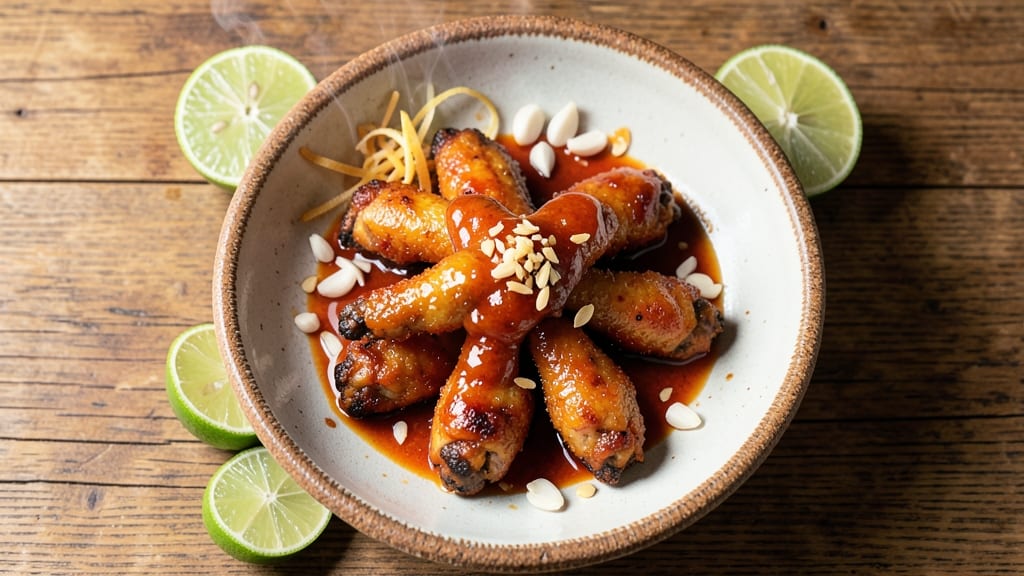
This Filipino chicken wings recipe delivers the perfect balance of crispy texture and bold, tangy-savory flavors that will transport you straight to the streets of Manila.
The secret lies in a marinade of fermented shrimp paste (bagoong), calamansi, and garlic that creates an addictive umami kick with every bite. I first discovered this technique while traveling through the Philippines, where street vendors transformed simple chicken into something unforgettable.
The process starts with a simple yet transformative marinade that tenderizes the chicken while infusing it with layers of flavor. Using a blend of soy sauce, vinegar, and spices, we ensure the wings stay juicy inside while developing that signature crispy exterior.
The calamansi adds a bright citrus note that cuts through the richness, making each bite refreshing and complex. This method guarantees restaurant-quality results at home with minimal effort.
By the time you finish cooking, you'll have golden-brown wings with crispy edges and tender meat that practically falls off the bone. The bagoong and calamansi marinade creates a sticky, flavorful crust that adds depth to every bite.
Serve these with a side of garlic rice or pineapple salsa for the full Filipino experience—each element complements the wings perfectly while keeping the dish balanced.
This recipe works equally well for casual gatherings or special occasions, making it a versatile addition to any menu. The flavors develop best when marinated overnight, but even a few hours will make a noticeable difference.
Whether you're feeding a crowd or treating yourself to a taste of the Philippines, these wings will become an instant favorite.
Ingredients for filipino chicken wings
The bold flavors of Filipino street food start with these essential ingredients.
| Ingredient | Amount | Notes |
|---|---|---|
| Chicken Wings 🍗 | 3 lb | Split into drumettes and flats |
| Bagoong Alamang 🦐 | ¼ cup | Fermented shrimp paste (or substitute) |
| Calamansi Juice 🍋 | ½ cup | Or lime juice if unavailable |
| Soy Sauce 🍶 | ⅓ cup | Dark soy for color enhancement |
| Garlic Cloves 🧄 | 10 cloves | Minced finely for depth |
| Ginger 🌿 | 1 tbsp | Freshly grated, not powdered |
| Cane Vinegar 💧 | ¼ cup | White or apple cider vinegar |
| Brown Sugar 🍯 | 2 tbsp | Light or dark, packed |
| Ground Black Pepper 🌶️ | 1 tsp | Freshly cracked for heat |
| Olive Oil 🫒 | ¼ cup | For deep-frying, high smoke point |
| Salt 🧂 | 1 ½ tsp | Kosher or sea salt |
| Sesame Oil 🫒 | 1 tbsp | For finishing aroma |
| Fresh Chili Peppers 🌶️ | 2 whole | Thinly sliced, optional heat |
| Green Onions 🧅 | ¼ cup | Sliced, for garnish |
The bagoong alamang is the heart of this recipe—it’s that funky, umami-packed fermented shrimp paste that gives these wings their signature depth. If you can’t find it at your local Asian market (or online), substitute with a mix of fish sauce and a pinch of shrimp paste. I’ve seen it at Filipino grocery stores like 99 Ranch or H Mart, but even a quick Amazon search will turn up reliable brands. For the calamansi, don’t stress if you can’t find it—lime juice works in a pinch, though it’s not quite the same bright, tangy punch. The chicken wings should be split into drumettes and flats for even cooking; ask your butcher to do this if they’re not pre-cut.
No bagoong? A mix of fish sauce and a dash of shrimp paste gets you close, though it won’t have the same complexity. For the garlic and ginger, fresh is non-negotiable here—powdered just won’t cut it. The soy sauce should be dark soy if you can find it; it adds that rich, caramelized color without extra sugar. If you’re deep-frying, use peanut oil or vegetable oil—olive oil has too low a smoke point. The sesame oil is just for finishing, so don’t skimp on the good stuff. For extra heat, add Thai bird’s eye chilies or sliced jalapeños—just don’t forget to remove the seeds if you’re sensitive to spice.
These wings taste even better the next day—marinate overnight for maximum flavor. Store any leftovers in an airtight container in the fridge for up to 3 days, though they’re best enjoyed fresh. For freezing, let them cool completely first, then portion into ziplock bags with parchment between layers to prevent sticking. Reheat in a 350°F oven for 10-12 minutes or air fry at 375°F for 5-6 minutes to restore that crispy texture. Serve with garlic rice or a simple cucumber salad to balance the richness.
Why You'll Love This Recipe
- One-Pan Magic: Honestly, this recipe is the kind of dish where you toss everything on a sheet pan—wings, minced garlic, bagoong alamang, and that bright calamansi juice—and walk away. No pots, no pans, just 30 minutes of hands-off crisping while you sip something cold.
- Umami Bomb: That bagoong alamang is the star—salty, funky, and packed with fermented shrimp flavor that clings to the wings like a hug. The calamansi cuts through the richness just enough to keep every bite feeling fresh, not greasy.
- Party in a Box: Between us, these wings are my go-to for game day, potlucks, or when my college-aged kids show up hungry. Serve them with rice and atchara for a full meal, or just pile them on a platter with toothpicks—either way, they disappear fast.
- Budget Banger: I buy wings in bulk when they’re on sale, and this recipe stretches them without sacrificing flavor. Leftovers? Even better—they reheat perfectly in the oven or air fryer, and the sauce gets richer overnight. My wallet and my freezer both thank me.
Step-by-step instructions for Filipino chicken wings
Here's how to transform simple chicken wings into crispy, tangy masterpieces with bold Filipino flavors.
Marinate the Wings for Maximum Flavor
In a large bowl, combine the 0.5 cup calamansi juice, 0.33 cup soy sauce, 0.25 cup cane vinegar, 2 tbsp brown sugar, 1 tbsp freshly grated ginger, 10 cloves minced garlic, 1.5 tsp salt, and 1 tsp ground black pepper. This marinade is the flavor foundation - the acidity tenderizes while the aromatics infuse the meat.
Add the 3 lb chicken wings (split into drumettes and flats) to the marinade, turning to coat completely. Cover and refrigerate for at least 4 hours, preferably overnight. The longer they marinate, the more flavor they'll absorb. I like to marinate mine overnight for maximum depth of flavor - this is where the real magic happens.
Create the Bagoong Paste and Fry to Crispy Perfection
In a small bowl, mix the 0.25 cup bagoong alamang with 1 tbsp sesame oil to create a thick paste. This umami-rich paste will give the wings their signature Filipino flavor. Heat 0.25 cup olive oil in a deep fryer or heavy pot to 375°F - you want it hot enough that a wooden chopstick sizzles dramatically when dropped in.
Working in batches, remove the wings from the marinade (let excess drip off) and fry for 6-8 minutes until golden brown and crispy. Don't overcrowd the pot or the temperature will drop. As each batch cooks, transfer to a paper towel-lined plate to drain excess oil. This high-heat frying creates that perfect crispy exterior while keeping the inside juicy.
Toss in the Bagoong Paste and Finish with Chili
While the wings are still hot, transfer them to a large bowl and toss with the bagoong paste until each wing is completely coated. The paste will stick to the crispy exterior, creating a flavorful crust. Add the 2 whole fresh chili peppers (thinly sliced) and toss again to distribute the heat evenly.
Return the wings to the fryer for 1-2 minutes just to warm through and meld all the flavors together. This final fry ensures the bagoong paste adheres properly and gets slightly crispy itself. The wings should be hot, crispy, and coated with that signature fermented shrimp flavor.
Garnish and Serve Immediately
Transfer the crispy wings to a serving platter and garnish with 0.25 cup sliced green onions. The fresh green onions provide a bright contrast to the rich, savory flavors. Serve immediately while still crispy - these wings are best enjoyed fresh out of the fryer when the coating is at its peak texture.
For extra sauce, you can drizzle with any leftover marinade reduced by half in a small saucepan. The combination of crispy texture, tangy marinade, and umami bagoong paste makes these wings irresistibly addictive. Each bite delivers that perfect balance of heat, tang, and savory depth that defines Filipino street food.
Pro Tips For Making Filipino Chicken Wings
- Pat Dry First: DESCRIPTION: Wet wings won’t crisp—no matter how hot your oil. After marinating, grab paper towels and blot each piece thoroughly. I used to skip this, and my first batch came out greasy instead of golden. That extra 30 seconds makes all the difference.
- Mince Garlic Like Mad: DESCRIPTION: Those 10 cloves need to be finely minced—almost paste-like—for the marinade to work. I learned this the hard way when my chunks left raw spots. Use a knife or pulse in a food processor, but don’t overdo it or you’ll turn it into garlic water.
- Fry in Batches: DESCRIPTION: Overcrowding drops the oil temperature fast, and soggy wings are a crime. Stick to 8–10 pieces at a time, even if it means two trips to the fryer. Trust me, your first batch will turn out greasy if you ignore this—your second batch will be perfect.
- Toss Hot, Toss Fast: DESCRIPTION: The bagoong paste sticks best when wings are still sizzling. Work quickly to coat them evenly before they cool. I once let mine sit for 5 minutes, and half the paste just slid off. Keep a towel handy to wipe your hands—this stuff is sticky.
Wine and beer pairings for this recipe
Crispy Pairings
These wings pair beautifully with a simple garlic rice cooked in coconut milk—just sauté 1 cup jasmine rice with 2 minced garlic cloves, ¼ cup coconut milk, and ½ tsp salt until fragrant.
The creamy rice soaks up the tangy marinade while balancing the richness. I swear by this combo after tasting it at my favorite Manila street carts. 🍚
Tangy Dipping Sauce
For an extra kick, whip up a quick spicy vinegar dip by mixing ¼ cup calamansi juice, 2 tbsp soy sauce, 1 tbsp bagoong paste, and 1 minced Thai chili.
Thin with 1 tbsp water if needed. This bright, umami-packed sauce cuts through the crispy layers perfectly. I always keep a bowl ready when serving these wings. 🍋
Crispy Beer Match
A Filipino lager like San Miguel or Tanduay Beer cleanses the palate between bites, its light carbonation refreshing against the wings’ richness. The subtle malt notes complement the bagoong’s funk without overpowering. I’ve also enjoyed a local Filipino craft IPA for those who want extra hoppy contrast. 🍺
Wine for Depth
For wine lovers, a dry Spanish Albariño or Italian Vermentino shines with its citrusy acidity and mineral notes. The wine’s brightness mirrors the calamansi while standing up to the umami depth.
I once paired these wings with a 2018 Conca del Sangiovese from Tuscany—its red fruit cut through the richness beautifully. 🍷
Unexpected Sweet Balance
Try serving with pineapple salsa for a sweet-tart contrast: dice 1 cup pineapple, ¼ red onion, 2 jalapeños, and toss with 2 tbsp lime juice.
The tropical sweetness balances the savory, funky flavors. I first discovered this pairing at a Filipino potluck in Atlanta—it became an instant favorite. 🍍
Nutrition facts
Frequently asked questions
Why does the marinade need to sit for so long?
The marinade works its magic through two key processes: tenderization and flavor infusion. The calamansi juice and vinegar break down the chicken fibers gradually, while the garlic, ginger, and soy sauce penetrate deeper into the meat over time. I recommend at least 4 hours, but overnight is ideal—this is when the wings develop that rich, complex flavor profile that makes them irresistible. The longer you wait, the more pronounced the umami depth from the bagoong and the balanced tang from the citrus.
Can I substitute calamansi juice if I can't find it?
While calamansi juice gives that signature bright tang, lime juice works perfectly in a pinch. The acidity will still tenderize the meat and balance the richness, though the flavor won't be exactly the same. For extra depth, add ½ teaspoon of lemon zest to mimic some of the calamansi's complexity. The wings will still turn out delicious—just expect a slightly different citrus profile.
What's the best way to handle the bagoong paste if it's too strong?
The bagoong alamang has a bold, funky flavor that some find overpowering. If you prefer milder wings, reduce the amount to 2 tablespoons instead of ¼ cup, or mix it with an equal part of fish sauce to dilute the intensity. You can also coat the wings with the paste and then rinse them briefly under cold water before the final fry to mellow the flavor. Taste as you go—adjustments are easy!
How do I keep the wings crispy after frying?
Once fried, wings lose their crispiness quickly. To maintain that perfect texture, transfer them to a wire rack set over a baking sheet instead of a flat surface. This allows air to circulate around them, keeping them crispy longer. If reheating leftovers, pop them in a 375°F oven for 3-5 minutes until hot and crispy again. Avoid storing them in a sealed container for too long—this traps moisture and softens the coating.
Can I make these wings ahead of time?
You can prep the wings up to the frying stage ahead of time, but cook them just before serving for the best results. Marinate them overnight for maximum flavor, then refrigerate them in the marinade. When ready to cook, pat them dry, fry them fresh, and toss with the bagoong paste right before eating. If you must make them entirely ahead, cook them, cool completely, and store them in an airtight container. Reheat in the oven at 350°F for 10-12 minutes to restore crispiness. They won’t taste as fresh, but they’ll still be delicious!