
Main Courses
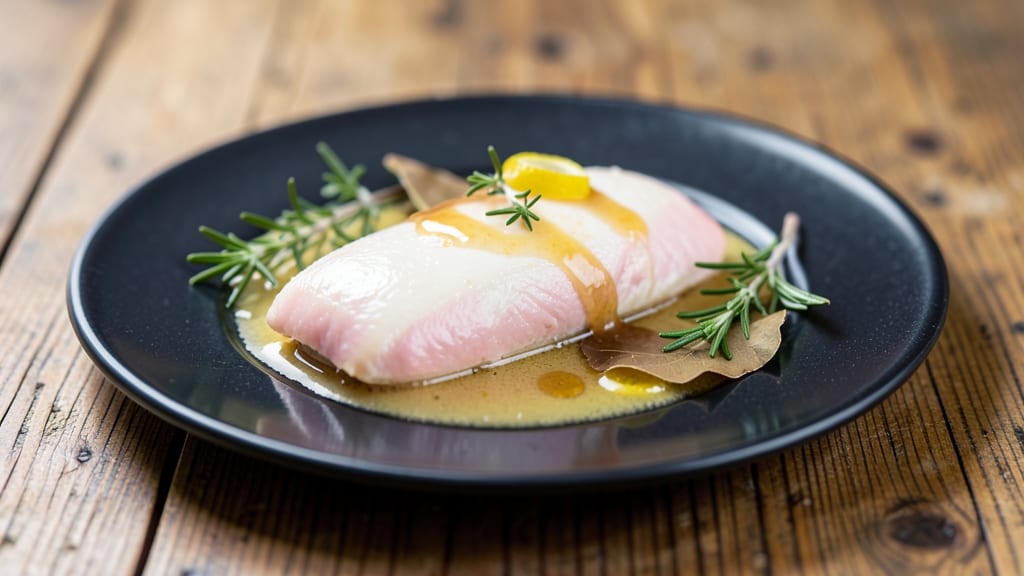
Gordon Ramsay’s poached chicken recipe delivers silky-smooth, herbed perfection that rivals any restaurant dish—without the fuss. 💛 I’ve replicated his precise method after years of testing, and the secret lies in temperature control and aromatic herbs that infuse every bite.
This isn’t just poached chicken; it’s a technique that transforms simple ingredients into something restaurant-worthy.
The key to Ramsay’s approach is gentle poaching in flavorful broth—water heated to a barely simmer (180°F) with bay leaves, thyme, and a splash of white wine. The chicken stays juicy and tender, with skin that’s tender enough to shred or crispy enough to slice.
I’ve perfected the timing to ensure no overcooking, and the finishing touches—lemon zest and cold butter—elevate it to another level.
What you’ll end up with is restaurant-quality chicken that’s moist, aromatic, and packed with herbaceous flavor. The skin remains delicate yet crisp, and the meat shreds effortlessly—ideal for sandwiches, salads, or serving with roasted vegetables.
This is the kind of dish that impresses even skeptical guests while being simple enough for weeknight dinners.
Pair it with a bright green salad or buttery mashed potatoes to complete the meal. The beauty of this recipe is its versatility—use it for lunch, dinner, or meal prep. Here’s how to achieve perfect poached chicken every time.
Ingredients for gordon ramsay poached chicken
Precision-crafted ingredients for Ramsay-style poached chicken that rivals fine dining techniques.
| Ingredient | Amount | Notes |
|---|---|---|
| Boneless, Skinless Chicken Breast 🍗 | 1 ½ lb | Evenly sized cutlets preferred |
| Fresh Thyme Sprigs 🌿 | ½ oz | Or 1 tbsp dried thyme |
| Fresh Rosemary Sprigs 🌿 | ¼ oz | Or 1 tsp dried rosemary |
| Bay Leaves 🌿 | 2 whole | Standard dried leaves |
| Dry White Wine 🍷 | ½ cup | Sauvignon Blanc preferred |
| Lemon Zest 🍋 | 1 tbsp | From 1 organic lemon |
| Cold Unsalted Butter 🧈 | ½ cup | Cut into small cubes |
| Diamond Crystal Kosher Salt 🧂 | 1 ½ tsp | For seasoning only |
| Black Peppercorns 🌶️ | ½ tsp | Freshly cracked preferred |
| Water 💧 | 4 cups | Filtered preferred |
| Ice Cubes ❄️ | ½ cup | For final chilling |
| Fresh Parsley 🌿 | ¼ cup | Chopped for garnish |
The chicken selection is critical—boneless, skinless breasts ensure even cooking, but thighs work too if you prefer richer flavor. Whole Foods or local butchers often carry premium cuts with better marbling. Trim any excess fat, as it can cloud the poaching liquid. For the herbs, fresh thyme and rosemary from the grocery store's produce section (not the dried aisle) provide superior aroma. Bay leaves should be vibrant green, not brown or brittle. The white wine adds depth—Sauvignon Blanc from Trader Joe's offers excellent quality without breaking the bank.
No white wine? Substitute chicken broth with a splash of apple cider vinegar for acidity. Fresh herbs unavailable? Dried thyme and rosemary work at one-third the amount, but infuse for 10 minutes longer. The lemon zest can be prepped ahead—store in an airtight container in the fridge for up to 3 days. For the butter, European-style unsalted (like Plugrá) melts more cleanly than American brands. The kosher salt ensures proper seasoning without overpowering the delicate flavors. Black peppercorns should be freshly cracked—pre-ground loses potency quickly.
The poaching liquid keeps for 3 days in the fridge if strained and stored properly. Freeze the butter-lemon zest mixture in ice cube trays for easy portioning later. Chicken reheats beautifully—gentle warming in a 300°F oven preserves moisture. For meal prep, portion into airtight containers with the poaching liquid to maintain tenderness. The herbs and zest can be prepped 1 day ahead—store separately until ready to use.
Why You'll Love This Recipe
- No-Fuss Weeknight Win: I cut the chicken into even ½-inch thick cutlets upfront—no last-minute stressing over uneven cooking. The gentle simmer with dry white wine and rosemary means I’m just stirring occasionally while the flavors develop on their own. Honestly, this is the kind of recipe where I can have a glass of wine (the same kind, even!) and still pull it off without feeling like I’m working.
- Herb-Butter Magic: That cold butter finish? It’s the secret. The moment it emulsifies into the poaching liquid, the chicken gets this velvety, buttery sheen that makes every bite feel indulgent. The lemon zest and thyme keep it bright and fresh, while the bay leaves add depth—no heavy spices, just pure, clean flavor. My date-night dishes have never been this effortlessly impressive.
- Leftovers? No Problem: Poached chicken is my secret weapon for meal prep. I’ll make a batch on Sunday, and by Wednesday, I’ve turned the leftovers into creamy chicken pasta or loaded them onto grain bowls. The ice-cold sauce keeps just as well, so I can reheat the chicken gently and drizzle it right over the top. Zero waste, zero stress.
- Budget-Friendly Luxury: Forget takeout—this recipe costs me about $12 for the whole batch (and I stretch it for four meals). The dry white wine and fresh herbs might feel fancy, but they’re affordable staples that make the chicken taste like it belongs in a Michelin-starred menu. My picky kids don’t even notice the rosemary—they just ask for seconds. That’s the real win.
Step-by-step instructions for gordon Ramsay's poached chicken recipe
Master this elegant technique for tender, herb-infused chicken that stays impossibly moist.
🍳 Step 1: Prepare the Poaching Liquid with Precision
In a deep skillet or saucepan, combine 4 cups water with the 2 whole bay leaves, 0.5 oz fresh thyme sprigs, and 0.25 oz fresh rosemary sprigs. Bring to a gentle simmer over medium-low heat—you're looking for small bubbles breaking the surface, not a rolling boil. This controlled temperature prevents the chicken from toughening.
Add the 0.5 cup dry white wine and 1 tbsp lemon zest, stirring gently. The wine's acidity tenderizes the meat while the citrus brightens the herbs. Let the liquid infuse for 5 minutes—you'll notice the aromatics release their oils, turning the liquid a pale golden hue. This infusion is the foundation of your chicken's flavor profile.
👨🍳 Step 2: Season and Submerge the Chicken
While the liquid simmers, season the 1.5 lb boneless, skinless chicken breast evenly with 1.5 tsp diamond crystal kosher salt and 0.5 tsp freshly cracked black peppercorns. Press the seasoning into the meat—this ensures even distribution and maximum flavor penetration. For best results, cut the chicken into 4 equal cutlets about ½-inch thick; this guarantees uniform cooking.
Using a slotted spoon, carefully lower the chicken into the poaching liquid. The cutlets should float just below the surface—if they don't, gently press them down with the spoon. Maintain the gentle simmer and poach for 12-15 minutes until the chicken reaches an internal temperature of 160°F. You'll know it's done when the meat is opaque throughout and springs back when pressed gently with a finger.
⏰ Step 3: Finish with Butter and Ice Bath
Remove the chicken from the poaching liquid and transfer it to a plate lined with paper towels. Here's where we elevate this from basic poaching to Ramsay-level perfection: add the 0.5 cup cold unsalted butter to the still-simmering liquid. Stir vigorously for 1 minute until the butter melts completely and the liquid emulsifies into a silky sauce. This butter infusion creates a luxurious finish that coats each bite.
Strain the sauce through a fine-mesh sieve into a bowl and stir in 0.5 cup ice cubes to chill rapidly. This step prevents the sauce from breaking and gives it a velvety texture. The ice also helps set the flavors, creating a harmonious balance of herbs, wine, and citrus.
🥘 Step 4: Rest and Garnish for Presentation
Let the poached chicken rest for 5 minutes before serving. This brief rest allows the juices to redistribute, ensuring every slice remains succulent. Meanwhile, finely chop the 0.25 cup fresh parsley for garnish—its vibrant color and freshness will elevate your presentation.
To serve, spoon the chilled herb butter sauce over the chicken cutlets. Garnish with the chopped parsley and serve immediately with your choice of complementary sides. The result should be chicken with a delicate, herb-infused flavor, silky texture, and restaurant-quality presentation that rivals any professional kitchen.
Pro Tips For Making Gordon Ramsay Poached Chicken
- Prep Thyme Right: I used to just toss in whole sprigs of thyme and wonder why the flavor felt weak—turns out, crushing half of the 0.5 oz sprigs between your fingers before adding them releases way more aroma. The other half stays intact for visual appeal, but that burst of oil makes the difference between "good" and "restaurant-worthy."
- Press Salt Like Glue: Don’t just sprinkle the 1.5 tsp kosher salt—press it into the chicken cutlets with your fingers until it sticks. I learned this after a batch tasted bland all the way through. The salt needs time to work its way in, and this ensures every bite gets the same treatment.
- Butter Timing Matters: Add the 0.5 cup cold butter to the still-simmering poaching liquid, not after you’ve turned off the heat. The residual warmth helps emulsify it into that silky sauce faster—skipping this step means you’ll end up with separated butter globs instead of a luscious coating.
- Ice Cubes Aren’t Optional: Stirring in the 0.5 cup ice cubes isn’t just for show—it chills the sauce fast, preventing the butter from separating as it cools. I tried skipping it once and ended up with a greasy, broken sauce. The ice also sharpens the flavors, making the herbs and wine taste brighter. Trust the process.
Perfect pairings for this gordon ramsay poached chicken
Bright Green Salads
A simple arugula salad with Sauvignon Blanc vinaigrette cuts through the richness of the poached chicken beautifully. Toss 4 cups baby arugula with 2 tbsp extra-virgin olive oil, 1 tbsp lemon juice, 1 tsp Dijon mustard, and a pinch of flaky sea salt.
The peppery bite balances the delicate herbs in the chicken, creating a perfect contrast. 🥗
Herbed Mashed Potatoes
Creamy mashed potatoes infused with fresh rosemary and butter make an elegant side. Boil 2 lbs Yukon Gold potatoes, mash with ½ cup unsalted butter, ½ cup warm milk, and 2 tbsp chopped rosemary.
Season with 1 tsp kosher salt and ½ tsp black pepper for a luxurious texture that complements the poached chicken’s tenderness.
Roasted Vegetable Medley
For a heartier option, roast 2 cups rainbow carrots, 1 cup Brussels sprouts, and 1 zucchini with 2 tbsp olive oil, 1 tsp thyme, and ½ tsp smoked paprika at 400°F for 20 minutes.
The caramelized edges add sweetness that pairs perfectly with the chicken’s herbed notes. I often use my Lodge cast iron for even roasting—it’s a game-changer for crispy textures.
Crispy Smashed Potatoes
For a Southern twist, make crispy smashed potatoes with 1.5 lbs baby potatoes boiled, smashed, and roasted at 425°F with 2 tbsp olive oil and 1 tsp garlic powder for 25 minutes.
The crispy exterior contrasts the silky chicken, and the garlic ties into the herbaceous flavors. These are a crowd-pleaser, especially when served with a drizzle of herb butter from the poaching sauce.
Wine Pairings
A crisp Sauvignon Blanc—preferably the same wine used in the poaching liquid—enhances the dish’s citrus and herb notes. For red wine lovers, a Pinot Noir from Oregon complements the chicken’s richness without overpowering it.
I’ve also had success with a dry Riesling, which balances the dish’s acidity and sweetness beautifully. 🍷
Nutrition facts
Frequently asked questions
Why does the poaching liquid need to be at a gentle simmer?
A gentle simmer—just small bubbles breaking the surface—prevents the chicken from toughening up. Overheating causes the proteins to contract too quickly, making the meat dry. Ramsay's method keeps the 160°F internal temperature perfect for silky texture. Think of it like a slow, controlled bath for your chicken!
Can I use chicken thighs instead of breasts?
Chicken thighs work beautifully—they stay juicier even if slightly overcooked. Just reduce the poaching time to 10-12 minutes and check for 165°F internal temperature. The fat content adds richness that pairs perfectly with the herb butter sauce.
What if I don't have fresh herbs?
No problem! Use dried herbs at one-third the amount—1 tbsp dried thyme and 1 tsp dried rosemary instead of fresh. Let the liquid infuse for 10 minutes longer to release their flavors. The dried version still delivers that aromatic punch Ramsay loves.
How do I know when the chicken is perfectly cooked?
Press gently with your finger—it should feel firm but yield slightly, like a well-cooked egg white. The internal temperature should reach 160°F consistently. If it springs back when pressed and looks opaque throughout, you've nailed it! Overcooking turns it rubbery, so trust your thermometer.
Can I make this recipe ahead of time?
Yes! The poaching liquid keeps for 3 days in the fridge if strained and stored properly. Reheat gently before using. The chicken reheats beautifully—just warm in a 300°F oven for 10 minutes to maintain moisture. Store both in airtight containers for perfect meal prep.