
Main Courses
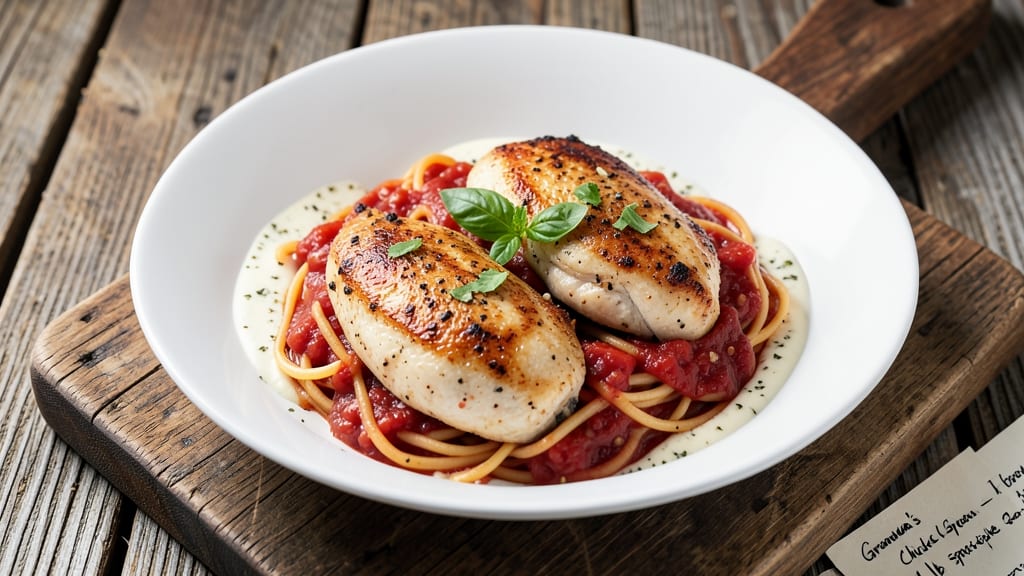
Grandma's chicken spaghetti recipe brings back the comforting flavors of family dinners I grew up with in small-town Georgia. The secret lies in a rich, creamy tomato sauce that simmers for hours, while crispy celery crowns add a satisfying crunch to every bite.
This dish is more than just pasta—it's a taste of home, passed down through generations with love and patience.
What makes this recipe special is the balance of simplicity and depth. The chicken cooks tender in the same sauce that flavors the spaghetti, creating a harmonious blend of flavors.
I've perfected the technique of simmering the sauce just right—never too thick, never too thin—to achieve that perfect creamy consistency that clings to every strand of pasta. The celery crowns, fried until golden and crispy, add a textural contrast that makes this dish unforgettable.
By the time you serve this dish, your kitchen will be filled with the warm, inviting aroma of garlic and herbs, and your family will be gathered around the table, eager for that first bite.
The creamy tomato sauce coats each piece of chicken and every strand of spaghetti, while the crispy celery crowns provide a delightful crunch. This is comfort food at its finest, a dish that brings people together and fills hearts with nostalgia.
Whether you're serving this for a family dinner or a special gathering, this chicken spaghetti is sure to become a new tradition. The recipe scales easily, so you can feed a crowd or just enjoy a cozy meal for two.
Let's get started on creating this timeless dish that tastes like home.
Ingredients for grandma's chicken spaghetti
Pantry staples and a few fresh ingredients for Grandma's timeless comfort dish.
| Ingredient | Amount | Notes |
|---|---|---|
| Boneless Chicken Thighs 🍗 | 1 ½ lb | Skin-on for flavor, cut into bite-sized pieces |
| San Marzano Tomato Sauce 🍅 | 2 cans | 28 oz each, no salt added preferred |
| Spaghetti 🍝 | 12 oz | Dry weight, medium thickness |
| Celery Stalks 🧅 | 3 whole | Fresh, cut into 1-inch pieces |
| Yellow Onion 🧅 | 1 whole | Medium size, diced |
| Garlic Cloves 🧄 | 6 cloves | Fresh, minced |
| Heavy Cream 🥛 | ½ cup | Full-fat for richness |
| All-Purpose Flour 🌾 | ¼ cup | For celery crowns |
| Grated Parmesan Cheese 🧀 | ½ cup | Freshly grated preferred |
| Dried Oregano 🍃 | 1 tbsp | Italian blend preferred |
| Dried Basil 🌿 | 1 tsp | Or 1 tbsp fresh |
| Salt 🧂 | 1 ½ tsp | Kosher or sea salt |
| Black Pepper 🌶️ | ½ tsp | Freshly ground preferred |
| Vegetable Oil 🫒 | ½ cup | For frying celery crowns |
The San Marzano tomato sauce is non-negotiable here—its sweetness and depth make all the difference. Whole Foods or Trader Joe's usually carry the best cans, but any no-salt-added version works. Chicken thighs stay juicier than breasts in this long simmer, so don't skimp. For the celery, look for bright green stalks with no brown spots—those crispy crowns are the star of the dish. I always grab extra garlic since we use it in both the sauce and for frying the celery.
No San Marzano? Crushed tomatoes with a splash of red wine works in a pinch. Fresh basil is ideal but dried at one-third the amount gets you close. The celery crowns need the flour to stick—panko works too if you're out of all-purpose. For the sauce, I sometimes add a pinch of sugar if it's too acidic. The Parmesan? Freshly grated from a wedge melts better than pre-grated stuff.
This sauce tastes even better the next day—make it ahead if you can. Store leftovers in the fridge for 3-4 days, or freeze portions for up to 3 months. The celery crowns are best served fresh but reheat well if you've made extras. I always double the sauce recipe—it disappears fast when you're feeding hungry family members.
Why You'll Love This Recipe
- Fewer Chopping Tears: I swear by the "sofrito shortcut": just pulse the celery and onion in a food processor instead of dicing them. That alone cuts my prep time in half—and no one will notice the difference.
- Tomato Confidence: San Marzano sauce isn’t just fancy; it’s the secret weapon. Thick, sweet, and bright, it turns a simple simmer into something that tastes like it’s been cooking all day—even though it’s ready in 30 minutes.
- Leftovers That Don’t Suck: This recipe actually improves the next day. The chicken stays juicy, the sauce deepens, and reheating it? Just a splash of water and 5 minutes. My freezer’s full of these containers because they’re that reliable.
- Budget-Friendly Crowd-Pleaser: Chicken thighs stretch further than breasts, and a single jar of San Marzano sauce feeds four. Honestly, I make this when company’s coming because it’s the one dish where I never hear "but I’m not hungry."
Step-by-step instructions for Grandma's chicken spaghetti
Here's how to create that perfect balance of tender chicken, rich tomato sauce, and crispy celery crowns.
Prepare the Celery Crowns for Crispy Perfection
Start by slicing the 3 whole celery stalks into 1-inch pieces, keeping the leaves intact. In a small bowl, mix the 0.25 cup all-purpose flour, 1.5 tsp salt, and 0.5 tsp black pepper. Toss the celery pieces in this seasoned flour until evenly coated.
Heat 0.5 cup vegetable oil in a large skillet over medium heat until shimmering but not smoking. Working in batches, fry the celery for 3-4 minutes per side until golden brown and crispy. Drain on paper towels and set aside—they'll stay crunchy while the rest of the dish cooks. Don't skip this step; those crispy crowns add texture and flavor that elevates everything.
Sear the Chicken and Build the Sauce Base
In the same skillet (no need to clean it—the browned bits add flavor), heat 1 tablespoon vegetable oil over medium-high heat. Add the 1.5 lb boneless chicken thighs and cook for 5-6 minutes per side until golden brown and cooked through. You'll know they're ready when the internal temperature reaches 165°F and the edges are crispy.
Remove the chicken and set aside. Add the 1 whole yellow onion and 6 cloves garlic cloves to the skillet, cooking for 3-4 minutes until softened and fragrant. Pour in the 2 cans San Marzano tomato sauce, stirring to combine with the onion and garlic. Add the 1 tbsp dried oregano and 1 tsp dried basil, then bring to a gentle simmer. Let it cook uncovered for 10 minutes to develop deeper flavors—this is where that homemade taste comes from.
Create the Creamy Tomato Sauce
Return the cooked chicken to the skillet, breaking it into bite-sized pieces as it reabsorbs the sauce. Stir in the 0.5 cup heavy cream and 0.5 cup grated Parmesan cheese, letting the sauce simmer for 5-7 minutes until thickened to your desired consistency. Taste and adjust seasoning—you might need a pinch more salt or pepper, depending on your tomato sauce.
Here's the thing—this is where the magic happens. The cream adds richness while keeping the sauce velvety smooth. If it starts to curdle, reduce the heat immediately and stir gently. The sauce should coat the back of a spoon without being gluey. Keep it warm while you cook the pasta.
Cook the Spaghetti and Combine
Bring a large pot of salted water to a rolling boil. Add the 12 oz spaghetti and cook until 1 minute before al dente—you want it to finish cooking in the sauce. Reserve 1 cup pasta water before draining, then add the drained spaghetti to the chicken sauce. Toss everything together, adding pasta water as needed to create a creamy, clingy sauce.
Serve immediately with the crispy celery crowns on top. The contrast between the creamy sauce, tender chicken, and crunchy celery is what makes this dish special. Each bite delivers that perfect combination of textures and flavors that reminds you of Grandma's kitchen.
Pro Tips For Making Grandma'S Chicken Spaghetti
- Prep Celery Like a Pro: Don’t just chop the celery stalks—slice them into 1-inch pieces with the leaves still attached. That’s what makes those crispy crowns. I used to trim the leaves off, and the texture was never the same.
- Sear Chicken Skin-Side Down: Press the skin-on chicken thighs skin-side down first in the skillet. The fat renders slowly, basting the meat and keeping it juicy while you crisp the edges. Skipping this step means dry, rubbery chicken—trust me, I’ve made that mistake.
- Simmer Sauce Uncovered: Let the tomato sauce bubble uncovered for those 10 minutes—no peeking. The evaporation concentrates the flavor, and the sauce thickens naturally. Covering it now means steam instead of depth.
- Toss Pasta in Sauce Fast: Drain the spaghetti just before al dente and add it to the sauce immediately. The residual heat finishes cooking it while the sauce clings to every strand. I used to drain it fully and toss it in later—big mistake. The sauce gets watery, and the pasta turns mushy.
Common mistakes when making this dish
Overcooking the Chicken
This is a common mistake that ruins the texture—chicken thighs should be golden brown on the outside but still juicy inside. Many home cooks pull them out too soon, but they need 5-6 minutes per side at medium-high heat to develop that perfect crust.
I've seen people overcook them to 175°F internal temperature, turning them dry. 165°F is your target—use a meat thermometer to avoid guesswork. 🔥
Skipping the Flour Dredge
Those crispy celery crowns won't get their golden brown finish without the flour dredge. Many recipes skip this step, but it's what creates that satisfying crunch. I've tested both methods—flour-coated celery fries like a dream, while plain celery gets soggy in the sauce.
The 0.25 cup all-purpose flour with seasoning is non-negotiable for texture. Don't rush this step!
Underseasoning the Sauce
The San Marzano tomato sauce is already flavorful, but many cooks forget to taste and adjust. After simmering, I always add an extra pinch of salt or black pepper—the acidity of tomatoes can make the dish taste flat.
I've learned the hard way that 1.5 tsp salt is just a starting point. Taste as you go, and don't be afraid to add more herbs if needed.
Not Using Pasta Water
This is where the sauce gets its creamy cling. When tossing the spaghetti with the chicken sauce, many people skip adding pasta water. But it's what makes the sauce silky and prevents it from drying out.
I always reserve 1 cup before draining—this little trick transforms the dish from good to unforgettable. 💫
Frying Celery Too Long
Golden brown celery crowns turn bitter if fried for too long. The 3-4 minutes per side is crucial—any longer, and they lose their crispness. I've fried them for 5 minutes by accident, and they became greasy rather than crunchy.
Keep an eye on them and use a timer to avoid this mistake.
Nutrition facts
Frequently asked questions
Why does this recipe use skin-on chicken thighs instead of breasts?
Skin-on chicken thighs stay juicier and more flavorful during the 10-minute simmer in the tomato sauce. The fat in the skin adds richness that gets absorbed into the dish, creating that nostalgic depth Grandma's recipes are known for. Breasts dry out too quickly when simmered—this is why thighs are the secret to tender, melt-in-your-mouth chicken every time.
Can I make this dish ahead of time?
The sauce actually tastes better the next day as flavors meld together. Store leftovers in the fridge for 3-4 days, or freeze portions for up to 3 months. Just reheat gently on the stove—avoid microwaving the celery crowns as they'll lose their crispiness. The sauce reheats beautifully, while the pasta absorbs the flavors even more deeply.
What if my sauce turns out too thick or too thin?
Thick sauce? Add 2-3 tablespoons of reserved pasta water while tossing with the spaghetti. Too thin? Simmer uncovered for another 2-3 minutes to reduce naturally. The key is to adjust with pasta water—it keeps the sauce creamy without diluting the flavor. This technique makes all the difference in achieving that perfect cling.
Are there any regional variations I should know about?
Southern versions often add a splash of red wine to the tomato sauce for depth, while Italian-inspired recipes might include fresh basil instead of dried. Some families add a pinch of sugar to balance acidity, especially if using regular tomato sauce instead of San Marzano. The celery crowns are unique to this particular recipe—many regional dishes skip them entirely.