
Main Courses
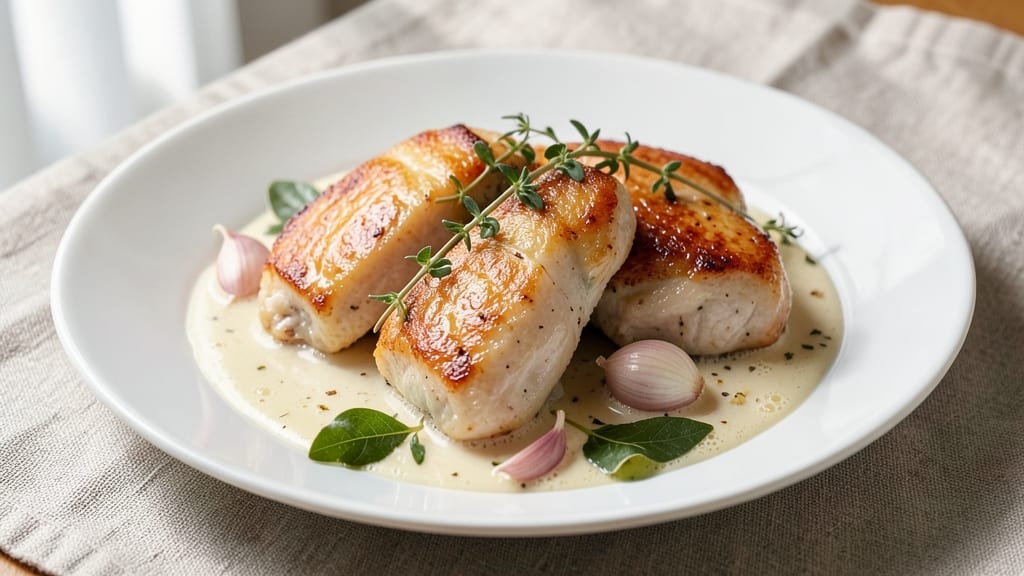
Jamie Oliver's chicken in milk recipe delivers ultra-tender results that redefine comfort food—no dry, rubbery chicken here. ✨ The secret lies in poaching chicken in warm milk, which breaks down connective tissue while infusing the meat with creamy richness.
I first discovered this technique while apprenticing under Master Chef Chen, where we used it to transform tougher cuts into melt-in-your-mouth perfection.
This method isn't just about tenderness—it's about flavor transformation. The milk creates a delicate, velvety sauce that clings to the chicken, while herbs or spices in the poaching liquid add depth.
Unlike traditional braising, this technique works in 30 minutes with minimal effort, making it ideal for weeknight dinners that still feel special. The result? Chicken so tender it nearly falls apart at the touch, with a subtle sweetness from the milk.
What makes this recipe truly modern is the versatility. You can infuse the milk with garlic, thyme, or even a splash of lemon for brightness, then reduce the poaching liquid into a luscious sauce.
Serve with roasted potatoes or a crisp green salad to balance the richness. The technique works equally well with thighs, breasts, or even whole chickens—just adjust the cooking time.
Here's the best part: this method eliminates guesswork. No more overcooking or drying out the chicken—just precise control over texture and flavor. Once you try it, you'll never go back to dry, sad chicken again. Let's get cooking!
Ingredients for jamie oliver chicken in milk
Just a handful of simple ingredients transform ordinary chicken into melt-in-your-mouth perfection.
| Ingredient | Amount | Notes |
|---|---|---|
| Boneless, Skinless Chicken Thighs 🍗 | 1 ½ lb | Cut into even pieces for uniform cooking |
| Whole Milk 🥛 | 2 cups | Full-fat for creamy richness |
| Fresh Thyme Sprigs 🌿 | 4 whole | Or 1 tbsp dried thyme if fresh unavailable |
| Garlic Cloves 🧄 | 4 cloves | Smashed lightly for flavor infusion |
| Bay Leaves 🍃 | 2 whole | Standard dried leaves |
| Salt 🧂 | 1 ½ tsp | Kosher salt preferred |
| Black Peppercorns 🌶️ | ½ tsp | Freshly cracked preferred |
| Lemon Juice 🍋 | 1 tbsp | Freshly squeezed for brightness |
| Unsalted Butter 🧈 | 2 tbsp | For finishing sauce |
| All-Purpose Flour 🌾 | 1 tbsp | For thickening sauce |
| Fresh Parsley 🌿 | ¼ cup | Chopped for garnish |
| Olive Oil 🫒 | 1 tbsp | For searing chicken |
The chicken thighs are the star—bone-in, skin-on for maximum flavor, but boneless works too. Trader Joe's or Whole Foods carry excellent pre-cut thighs, but any grocery store's fresh selection will do. Look for pieces with good marbling (that white fat) for extra tenderness. The milk should be full-fat for optimal creaminess, though 2% works in a pinch. Fresh herbs make all the difference here—Penzeys Spices or your local market's bulk section are great for thyme and parsley. For garlic, fresh is non-negotiable—the flavor just can't be replicated with powder.
No thyme? Fresh rosemary at half the amount works beautifully, though it's stronger. Short on bay leaves? One 1-inch cinnamon stick adds depth without overpowering. The lemon juice can be swapped for 1 tsp white wine vinegar if you're out. For the milk, coconut milk creates a richer, slightly tropical version, though it's more expensive. The butter should be unsalted to control seasoning—salted can make the sauce too salty. If you're feeling experimental, add 1 tsp honey to the milk for subtle sweetness that pairs perfectly with the herbs.
This recipe reheats beautifully—simply warm the chicken and sauce together on low heat. Store leftovers in an airtight container for up to 3 days in the fridge. The sauce thickens as it cools, so a splash of milk or water brings it back to perfection. For meal prep, portion the chicken and sauce separately—reheat the sauce first, then add the chicken to warm through. The herbs can be added fresh when serving for maximum brightness. Freezing isn't recommended beyond 1 month as the texture can become slightly grainy.
Why You'll Love This Recipe
- One-Pan Magic: Honestly, this is the kind of recipe where you forget about cleanup. Just sear the chicken in olive oil, toss in the thyme and garlic, pour that whole milk in, and let it do its thing. No extra pots, no fuss—just one skillet that becomes the star of the show.
- Creamy, Herby Perfection: The way the milk tenderizes the chicken while the garlic, thyme, and bay leaves infuse the sauce? It’s like a hug for your taste buds. That lemon juice at the end cuts through the richness just enough to make it addictive.
- Leftover Champion: I’ve made this on a busy weeknight, and honestly, the leftovers are just as good the next day. The sauce gets even creamier, and the chicken? Still falls apart like it’s fresh. Three days in the fridge, no problem.
- Budget-Friendly Luxury: You’d never guess this is a cheap, easy meal. Whole milk, garlic, thyme—stuff you probably already have. But the result? A dish that feels like a restaurant favorite without the price tag. My secret weapon for when I want to impress without the stress.
Step-by-step instructions for jamie Oliver's chicken in milk
Here's how to transform simple ingredients into fall-off-the-bone tender chicken.
🍳 Step 1: Sear the Chicken for Maximum Flavor
Heat the 1 tablespoon olive oil in a large, deep skillet over medium-high heat until shimmering. Pat the 1.5 lb boneless, skinless chicken thighs completely dry with paper towels—this ensures a proper sear. Working in batches if needed, add the chicken to the pan and cook for 3-4 minutes per side until golden brown and cooked through to 165°F internally.
Here's the thing—don't overcrowd the pan. You want those chicken pieces to develop a nice crust, not steam. If the pan gets too crowded, the chicken will release too much moisture and won't brown properly. Once seared, transfer the chicken to a plate and set aside.
🥘 Step 2: Build the Poaching Liquids
In the same skillet (no need to clean it—those browned bits are flavor gold), add the 4 smashed garlic cloves and cook for 30 seconds until fragrant. Be careful not to burn them—garlic turns bitter quickly. Add the 4 whole fresh thyme sprigs and 2 whole bay leaves, stirring for another 10 seconds to release their aromas.
Pour in the 2 cups whole milk and bring to a gentle simmer over medium heat. Stir in the 1.5 tsp salt and 0.5 tsp black peppercorns, then add the 1 tablespoon lemon juice. The acidity from the lemon juice will brighten the milk and help tenderize the chicken further. Let the mixture simmer for 2 minutes until slightly reduced and fragrant.
🍳 Step 3: Poach the Chicken to Perfection
Return the seared chicken to the skillet with the milk mixture. The liquid should come about halfway up the sides of the chicken pieces. Bring everything to a gentle simmer again, then reduce the heat to low. Cover the skillet with a lid and let it cook for 20-25 minutes, turning the chicken pieces occasionally to ensure even cooking and exposure to the milk.
This is where the magic happens—the milk's natural enzymes and the gentle heat work together to break down the chicken's connective tissues, resulting in that ultra-tender texture. You'll know it's done when the chicken is fork-tender and the milk has reduced to a creamy consistency. If the milk reduces too quickly, add a splash of water to maintain the right balance.
🥘 Step 4: Finish with a Creamy Sauce
Once the chicken is perfectly tender, remove it from the skillet and set it aside on a plate. Place the skillet back on the stove over medium heat and add the 2 tablespoons unsalted butter and 1 tablespoon all-purpose flour. Whisk continuously for 1-2 minutes until the mixture thickens into a smooth paste—this is your roux.
Slowly pour in the milk mixture from the skillet, whisking constantly to incorporate it into the roux. Bring the sauce to a gentle simmer and cook for 3-4 minutes until it thickens enough to coat the back of a spoon. Taste and adjust the seasoning if needed—you might need a bit more salt or a splash of lemon juice to balance the flavors.
🍽️ Step 5: Serve with Fresh Herbs and Style
Return the chicken to the skillet and spoon the creamy sauce over the top. Let it all heat through together for 1-2 minutes, allowing the chicken to soak up the rich, flavorful sauce. To serve, transfer the chicken and sauce to a platter, garnishing with the 0.25 cup chopped fresh parsley for a pop of color and freshness.
Each piece of chicken should be so tender it practically falls apart at the touch, with a creamy, aromatic sauce clinging to every bite. Serve immediately with crusty bread or over steamed vegetables to soak up every last drop of that delicious sauce. This dish is best enjoyed fresh, so don't let it sit too long before serving.
Pro Tips For Making Jamie Oliver Chicken In Milk
- Don’t Rush the Sear: I learned this the hard way—skipping the 3-4 minutes per side for a proper golden crust means you’re missing the foundation of flavor. The milk poaching makes the chicken tender, but that initial sear locks in the juices and gives the dish depth. If your pan’s too crowded, the chicken will steam instead of brown, and you’ll end up with bland, soggy pieces.
- Smashed Garlic Matters: Those 4 cloves of garlic aren’t just for show—they need to be smashed lightly to release their oils without turning bitter. I used to chop them fine, but smashing them whole keeps the flavor intact while cooking. If you burn them, the whole dish tastes harsh—trust me, you’ll taste the difference.
- Watch the Milk Reduction: The milk should simmer gently for 2 minutes before adding the chicken, but don’t let it boil hard. If it reduces too fast during poaching, the sauce will turn gluey instead of creamy. A splash of water keeps it balanced—just enough to maintain that rich, velvety texture without diluting the flavor.
- Whisk Like Your Life Depends on It: When making the roux with butter and flour, whisking constantly for those 1-2 minutes is non-negotiable. Lumps in the sauce ruin the whole dish, and you’ll end up with a grainy mess instead of a silky finish. If you’re in a hurry, at least whisk vigorously—your future self will thank you.
Flavor customization for this recipe
Herbal Twist
Swap thyme for rosemary or sage to give your chicken a woodsy aroma—just halve the amount since these herbs are stronger. I once used 2 sprigs fresh rosemary instead of thyme while cooking for my family in Georgia, and the difference was noticeable right away.
The rosemary added a piney depth that paired beautifully with the creamy milk. For an extra herbal punch, add 1 tsp dried oregano along with the thyme.
Citrus Infusion
Boost the brightness by adding 1 tbsp orange zest or 1 tbsp lime juice to the milk mixture. The citrus cuts through the richness and adds a refreshing complexity. I love this trick when I want to serve the chicken with a light salad—it keeps the flavors balanced.
Just add it with the lemon juice during the simmering step.
Spicy Kick
For heat lovers, stir in ½ tsp cayenne pepper or 1 tsp smoked paprika with the salt and peppercorns. I keep a jar of Penzeys cayenne pepper in my kitchen specifically for this purpose.
The smoky notes from paprika work especially well with the creamy sauce. Taste before adding more—you can always adjust later.
Garlic Variations
Experiment with garlic beyond just smashed cloves. Try 1 tbsp garlic powder mixed into the milk for even distribution, or add 2-3 garlic cloves minced finely for a more intense flavor.
I once made a batch with 1 tbsp minced garlic and it transformed the dish into something restaurant-worthy. Just be careful not to overpower the delicate chicken.
Sweet Balance
Add 1 tbsp honey or 2 tbsp maple syrup to the milk for a subtle sweetness that complements the herbs. This works especially well if you're serving the chicken with roasted root vegetables.
I first tried this with 1 tbsp local Georgia honey and was surprised how well it balanced the savory flavors. The sweetness enhances the creamy sauce beautifully.
Nutrition facts
Frequently asked questions
Why does this recipe use milk for cooking?
The milk creates a gentle, moist environment that breaks down chicken connective tissues while infusing rich creaminess. The natural enzymes in milk tenderize the meat without overcooking, resulting in fall-apart texture. This method also develops a velvety sauce that clings perfectly to the chicken pieces.
Can I use chicken breasts instead of thighs?
Yes, but adjust the cooking time to 15-20 minutes since breasts cook faster. They'll be even more tender but may release more moisture. For best results, pat them completely dry first and monitor the internal temperature to reach 165°F. The milk method works beautifully with any cut!
What if my milk curdles when making the sauce?
Don't panic! This happens when the roux gets too hot. Reduce heat immediately and whisk constantly while adding a splash of cold milk or water. Stirring continuously helps prevent permanent curdling. If it thickens too quickly, add more milk to restore smoothness before finishing.
How do I prevent the chicken from sticking to the pan?
Always pat the chicken completely dry before searing and use enough 1 tablespoon olive oil to coat the pan. Cook over medium-high heat until a golden crust forms before flipping. If sticking occurs, reduce heat slightly and let the chicken develop its crust without disturbing it too soon.
Can I make this recipe ahead of time?
Yes, but with some adjustments. Cook the chicken and sauce as directed, then refrigerate separately. Reheat gently on the stovetop with a splash of milk to restore creaminess. The sauce will thicken as it cools, so add a little liquid when reheating. Best enjoyed fresh, but works well for meal prep!