
Main Courses
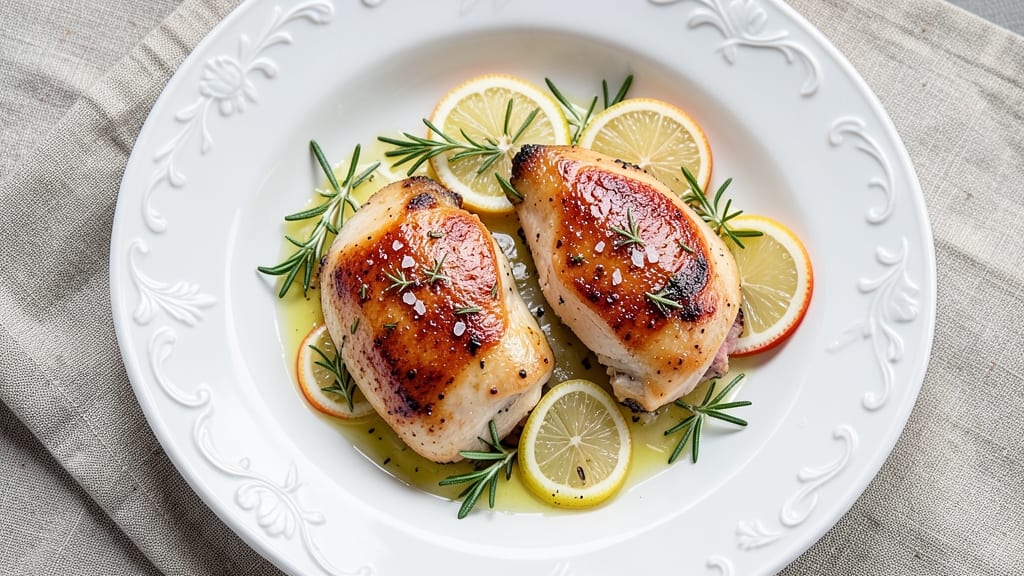
This lemon chicken with artichoke hearts recipe delivers restaurant-quality brightness in a single pan—juicy chicken marinated in zesty lemon and herbs, paired with tender artichoke hearts that absorb every flavor.
Growing up in small-town Georgia, I learned how citrus could transform simple proteins, and this dish is my refined take on that principle. The artichokes add a satisfying bite that balances the tender chicken, while the lemon keeps everything fresh and vibrant.
What makes this recipe special is the one-pan technique, which simplifies cleanup while ensuring even cooking. The chicken develops a golden crust from searing, while the artichoke hearts caramelize just enough to stay tender.
A blend of fresh thyme, rosemary, and garlic powder infuses the dish with aromatic depth, and a final squeeze of lemon juice ties everything together. It’s the kind of meal that feels elegant but comes together in under 45 minutes—perfect for weeknight dinners or weekend gatherings.
The result is a dish that’s bright, herbed, and perfectly balanced—juicy chicken with crisp edges, artichokes that hold their shape, and a sauce that’s tangy yet rich. The lemon’s acidity cuts through the richness of the chicken, while the artichokes add a satisfying texture contrast.
Serve it with roasted potatoes or a simple green salad to round out the meal. Ready to bring this citrusy, herbed bite to your table?
Between you and me, this recipe is one of those rare dishes that tastes even better the next day, as the flavors meld and deepen. The artichokes stay tender, the chicken remains juicy, and the lemon’s brightness lingers.
It’s the kind of meal that makes you want to cook it again and again—whether for a solo dinner or a shared feast. Let’s get started on this bright, herbed masterpiece.
Ingredients for lemon chicken with artichoke hearts
Bright citrus and herbed chicken with tender artichokes—one pan, under 45 minutes.
| Ingredient | Amount | Notes |
|---|---|---|
| Boneless Chicken Thighs 🍗 | 1 ½ lb | Skinless, patted dry |
| Artichoke Hearts 🌿 | 1 jar | Marinated, drained |
| Extra-Virgin Olive Oil 🫒 | ½ cup | For searing and basting |
| Fresh Lemon 🍋 | 2 whole | Zest + juice, juicy preferred |
| Fresh Thyme Leaves 🌿 | 1 tbsp | Or 1 tsp dried thyme |
| Fresh Rosemary 🌿 | 1 tbsp | Chopped, or 1 tsp dried |
| Garlic Powder 🧄 | 1 tsp | Or 2 fresh cloves minced |
| Salt 🧂 | 1 tsp | Kosher or sea salt |
| Black Pepper 🌶️ | ½ tsp | Freshly ground preferred |
| Red Wine Vinegar 🍷 | 1 tbsp | For deglazing pan |
| Honey 🍯 | 1 tbsp | For finishing glaze |
| Dijon Mustard 🧂 | 1 tbsp | For tangy depth |
The chicken thighs are your secret weapon here. Skinless, patted dry so they sear perfectly—Costco or your local butcher carry them prepped. I always grab organic if I can, but honestly the regular stuff works fine. For artichokes, marinated jarred hearts are your best bet—drained well to avoid sogginess. The fresh herbs make all the difference, so grab a small bunch of thyme and rosemary if you don’t have dried. Trader Joe’s has great pre-packaged bundles that save time.
No fresh herbs? Dried thyme and rosemary at half the amount work in a pinch. Short on time? Substitute 2 tbsp dried Italian seasoning—it’s a close enough cousin. Want to skip the Dijon mustard? Worcestershire sauce adds depth, or just use extra red wine vinegar. The red wine vinegar is non-negotiable for that tangy finish—Balsamic can work but it’s sweeter. And if your chicken thighs are uneven, pound them even with a meat mallet for crispier edges.
This reheats beautifully—honestly tastes better the next day. Store leftovers in an airtight container for 4-5 days in the fridge. For longer storage, freeze portions for up to 3 months. I always make extra because it’s that good cold. The artichokes stay tender, and the chicken just gets juicier. Reheat gently with a splash of water in the microwave to keep it moist. The honey glaze? Drizzle it on top right before serving—it’ll look gorgeous and taste even better.
Why You'll Love This Recipe
- One-Pan Magic: I love that this dish lives in one skillet—no extra pots, no cleanup chaos. Just sear the chicken in half a cup of extra-virgin olive oil, toss in the artichokes, and let the lemon and herbs do their thing. My kitchen stays spotless while the flavors build.
- Bright, Balanced Bites: The fresh lemon zest and juice cut through the richness of the chicken thighs, while the Dijon mustard and honey add a tangy-sweet kick. That briny artichoke bite? Perfect against the juicy meat—every forkful is a flavor win.
- Leftovers That Shine: Honestly, I make this on Sundays because it tastes even better the next day. The sauce thickens just right, and the chicken stays tender. I freeze half for busy nights—just reheat with a splash of water, and it’s like dinner from scratch.
- Budget-Friendly Luxe: Chicken thighs are cheap, artichoke hearts are pantry staples, and the herbs are affordable fresh or dried. Yet it feels like a restaurant dish—crispy edges, creamy centers, and that red wine vinegar deglaze that makes everything sing. Worth every penny.
Step-by-step instructions for lemon chicken with artichoke hearts
This one-pan wonder brings together juicy chicken and briny artichokes in a bright citrus-herb sauce.
Season and Sear the Chicken
Pat the 1.5 lb boneless chicken thighs completely dry with paper towels—this ensures a crispy sear. In a small bowl, mix together 1 tbsp fresh thyme leaves, 1 tbsp fresh rosemary, 1 tsp garlic powder, 1 tsp salt, and 0.5 tsp black pepper. Rub this herb mixture all over the chicken, pressing it into the meat so it sticks.
Heat 0.5 cup extra-virgin olive oil in a large oven-safe skillet over medium-high heat. Once the oil shimmers, add the chicken thighs and cook for 5-6 minutes per side until golden brown and cooked through (165°F internally). Remove the chicken and set it aside on a plate.
Sauté Artichokes and Build the Sauce
In the same skillet, reduce the heat to medium and add the drained 1 jar artichoke hearts. Cook for 3-4 minutes until heated through, stirring occasionally. The artichokes should soften slightly while retaining their shape.
Zest 1 whole fresh lemon (about 1 tbsp zest) and add it to the skillet along with 1 tbsp red wine vinegar. Stir and cook for 1 minute to let the flavors meld. Then, pour in the juice of 1 whole fresh lemon (about 3-4 tablespoons juice) and scrape up any browned bits from the bottom of the pan—this adds depth to the sauce.
Finish with Honey and Mustard Glaze
Return the chicken to the skillet and pour in 1 tbsp honey and 1 tbsp Dijon mustard. Stir everything together and let it simmer for 2-3 minutes until the sauce thickens slightly and coats the chicken. The honey will caramelize just enough to balance the tangy lemon and vinegar.
Taste and adjust the seasoning if needed—add a pinch more salt or a splash of lemon juice if the sauce needs brightening. The artichokes should be tender, the chicken juicy, and the sauce glossy with a perfect balance of sweet, tangy, and herby flavors.
Rest and Serve
Let the chicken rest in the skillet for 5 minutes before serving. This allows the juices to redistribute, keeping the meat tender and moist. The artichokes will soak up some of the sauce, making each bite even more flavorful.
Serve the lemon chicken with artichoke hearts over crusty bread or quinoa to soak up the bright, herby sauce. The contrast of briny artichokes, juicy chicken, and zesty lemon creates a dish that’s as vibrant as it is delicious.
Pro Tips For Making Lemon Chicken With Artichoke Hearts
- Sear Until It Shimmers: That 0.5 cup of extra-virgin olive oil isn’t just for cooking—it’s for searing. Get the pan smoking hot before adding the chicken, and resist the urge to move it around. Let those thighs develop a deep golden crust for 5-6 minutes per side, or you’ll end up with bland, pale chicken. I used to rush this, and the difference in flavor is night and day.
- Drain and Pat Dry: Marinated artichoke hearts are convenient, but they’re also wet—and wet artichokes won’t caramelize properly. Drain them well, then press them between paper towels to remove excess moisture before sautéing. Trust me, the sauce will taste richer and the artichokes will actually soften instead of steam.
- Deglaze Like Your Life Depends on It: After searing the chicken, those browned bits stuck to the pan aren’t just for looks—they’re flavor. When you add the red wine vinegar and lemon juice, use a wooden spoon to scrape every last bit off the bottom. I learned this the hard way: skipping this step leaves your sauce tasting flat and one-dimensional.
- Simmer, Don’t Boil: The final 2-3 minutes with the honey and Dijon mustard should be gentle. If the sauce is bubbling hard, you’re cooking too fast, and the lemon’s brightness will turn bitter. Keep it at a bare simmer—just enough to thicken the sauce slightly without turning it into a sticky mess. Patience here makes all the difference.
Troubleshooting perfect results
Chicken Too Dry?
If your chicken ends up dry, it’s likely because you didn’t pat it thoroughly dry before cooking. Juices are the enemy of crispy sears—always use paper towels to absorb moisture. I’ve made this mistake more times than I can count, and trust me, it’s a game-changer.
For extra moisture, add ¼ cup chicken broth to the skillet during the last minute of cooking to keep the chicken juicy. 💡
Artichokes Too Soggy?
Soggy artichokes happen when they’re overcooked or when you don’t drain them well. Always drain and pat dry the jarred artichokes before adding them to the skillet.
If they still soften too quickly, reduce the heat to low-medium and cover the skillet with a lid for the last 1-2 minutes to trap heat and prevent overcooking.
Sauce Too Thin?
Thin sauce is usually a sign you didn’t deglaze properly. After removing the chicken, make sure to scrape up all the browned bits from the bottom of the skillet with a wooden spoon. These bits add depth and help thicken the sauce.
If it’s still too thin, simmer uncovered for an extra 1-2 minutes to reduce naturally. The honey will also help thicken it slightly as it caramelizes.
Lemon Overpowering?
Too much lemon can make the dish taste harsh. If the sauce is too tart, balance it with a teaspoon of honey or a splash of Dijon mustard.
I often add a pinch of sugar to the lemon juice before pouring it into the skillet—it mellows the acidity without overpowering the flavor. Taste as you go!
Herbs Too Strong?
Fresh herbs can be potent, especially if you’re using rosemary or thyme. If the flavors are overwhelming, reduce the amount by ½ teaspoon next time. Dried herbs are a safer bet if you’re unsure—just halve the amount.
You can always add more, but you can’t take it away once it’s cooked in!
Chicken Undercooked?
Always use a meat thermometer to check the internal temperature—165°F is non-negotiable for safety. If you skip the thermometer, the chicken might look done but still be undercooked, especially if your skillet isn’t hot enough.
Cook it 2-3 minutes longer if it’s below 160°F. I keep a Thermoworks Smoke probe handy for this exact reason—it’s a game-changer. 🔥
Nutrition facts
Frequently asked questions
Why does this recipe call for skinless chicken thighs?
Skinless chicken thighs deliver the perfect balance of juiciness and flavor without the extra fat or mess of skin. The 1.5 lb amount ensures tender, flavorful bites that cook evenly in 5-6 minutes per side. Plus, they’re more forgiving than breast—great for beginners!
Can I use dried herbs instead of fresh?
Just use half the amount—so ½ tsp dried thyme and ½ tsp dried rosemary instead of 1 tbsp fresh. Dried herbs concentrate their flavor, so reduce carefully. The dish will still taste amazing, just with a slightly deeper aroma.
What if my artichokes are too large for the skillet?
Cut them into halves or quarters before cooking to ensure even heating. This prevents overcrowding and lets them soften properly in 3-4 minutes. Just make sure to drain them thoroughly first—excess moisture turns them soggy!
How do I know when the chicken is fully cooked?
Use a meat thermometer to check the thickest part of the thigh—it should read 165°F. No guesswork! If you don’t have one, cut into the thickest piece: the juices should run clear, not pink. Overcooking dries it out, so pull it at the first sign of doneness.
Can I make this dish ahead of time?
Yes! Store leftovers in an airtight container for 4-5 days in the fridge. Reheat gently with a splash of water to keep it moist. The flavors actually improve overnight—the sauce thickens and the chicken stays juicy. Freeze portions for up to 3 months if you want to prep ahead.