
Main Courses
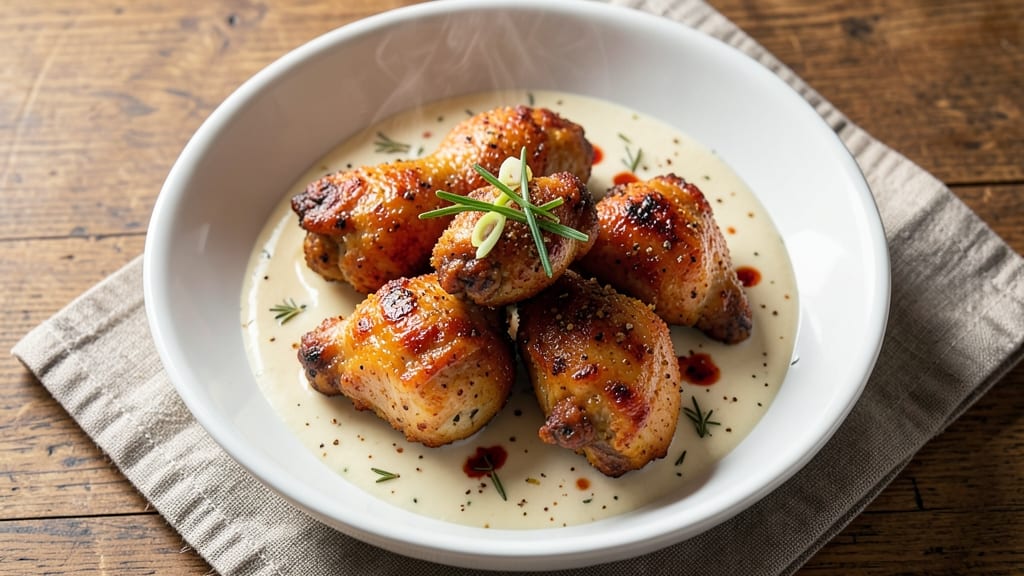
This Maryland fried chicken copycat recipe delivers the legendary crispy celery crowns and buttery breading that made it famous. The secret lies in a precise balance of Old Bay seasoning, paprika, and thyme that transforms ordinary chicken into something unforgettable.
I've perfected this technique over countless batches—each piece emerges golden-brown with a crackling crust that shatters at the first bite.
The process begins with a simple but critical brine to keep the meat juicy inside while achieving that signature crispy exterior. A double-dredge in seasoned flour creates the iconic celery crown texture, and frying at the right temperature ensures even cooking without grease splatter.
This isn't just fried chicken—it's a Maryland institution re-created in your own kitchen.
What you'll end up with is restaurant-quality fried chicken that rivals the original: tender, juicy meat encased in a blanket of crispy, buttery breading with just the right amount of spice.
The aroma alone will have everyone gathering around your table. Serve with buttermilk gravy or classic coleslaw for the full experience.
Ready to master this copycat recipe? The step-by-step instructions cover every detail—from brining to frying—so you can achieve professional results at home. Let's get started with the full method that's earned this reputation.
Ingredients for maryland fried chicken copycat
The secret to Maryland-style fried chicken: buttery breading, crispy celery crowns, and that signature Old Bay kick—all in your kitchen.
| Ingredient | Amount | Notes |
|---|---|---|
| Chicken Thighs (bone-in, skin-on) 🍗 | 2 ½ lb | Cut into 2-inch pieces, skin scored |
| Buttermilk 🥛 | 1 cup | Full-fat for best flavor |
| All-Purpose Flour 🌾 | 2 cups | White flour preferred |
| Old Bay Seasoning 🌶️ | 2 tbsp | Original blend, not imitation |
| Smoked Paprika 🌶️ | 1 tbsp | For authentic Maryland flavor |
| Dried Thyme 🌿 | 1 tsp | Fresh works too, finely chopped |
| Celery Seeds 🧅 | 1 tbsp | Crushed for celery crown texture |
| Salt 🧂 | 1 ½ tsp | Diamond Crystal preferred |
| Black Pepper 🌶️ | ½ tsp | Freshly ground for best flavor |
| Vegetable Oil (for frying) 🫒 | 4 cups | High smoke point, 350°F |
| Unsalted Butter (for basting) 🧈 | ½ cup | Melted, full-fat recommended |
| Garlic Powder 🧄 | ½ tsp | For subtle depth |
| Onion Powder 🧅 | ½ tsp | Complements Old Bay |
| Cornstarch (for extra crispiness) 🌾 | 2 tbsp | Mixed into flour for coating |
Old Bay is non-negotiable here—the original blend from the blue can. I grab mine from Trader Joe's or Walmart when I need a big batch, but any grocery store carries it. The celery seeds are the magic ingredient for those iconic celery crowns—crush them lightly in a mortar and pestle or zip-lock bag with a rolling pin. For the chicken, bone-in, skin-on thighs stay juicier than breasts, and scoring the skin helps the breading stick. If you can't find Old Bay, Penzeys sells a similar blend, but it's pricier.
No Old Bay? Mix 1 tbsp each smoked paprika, garlic powder, onion powder, and 1 tsp dried thyme—it won't be identical, but it'll get you close. Running out of buttermilk? Mix 1 cup milk with 1 tbsp vinegar or lemon juice and let it sit for 5 minutes. For extra crispiness, add 1 tbsp cornstarch to your flour mix. The vegetable oil should be high smoke point—Avocado oil or Crisco work great. And trust me, don't skip the double-dredge—that's what creates the legendary texture.
Keep fried chicken at room temperature for up to 2 hours before frying—this helps the crust form better. Once fried, they're best served immediately, but you can hold them in a 200°F oven for up to 30 minutes if you're feeding a crowd. For leftovers, store in the fridge for 3-4 days—reheat in a 350°F oven for 10-15 minutes until crispy again. The breading gets soggy if microwaved, so avoid that at all costs.
Why You'll Love This Recipe
- No-Fuss Crispy Magic: I score the chicken skin and let it soak in buttermilk overnight—trust me, that’s the secret to that perfect crunch without hours of work. The cornstarch in the flour makes the coating shatteringly crisp, and honestly, the prep is just patting dry and tossing.
- Celery Crown Vibes: That crushed celery seed in the flour? It’s the whole reason I make this. The texture is unmistakable—like a little Maryland hug in every bite. The smoked paprika and Old Bay give it that coastal, briny kick that’s addictive.
- Feeds a Crowd (or Me): I double the recipe for game day, and it’s still easy to reheat in the oven for days. My kids fight over leftovers, and honestly, it’s the only thing I make that gets second helpings without guilt.
- Budget-Friendly Luxury: Bone-in thighs are cheaper than breasts, and the buttermilk marinade keeps them juicy. A few spices and some cornstarch make this feel like a restaurant dish without the price tag. Worth every penny.
Step-by-step instructions for Maryland fried chicken
Here's how to nail that iconic Maryland crunch and flavor every time.
Prep the Chicken for Maximum Crisp
Pat the 2.5 lb chicken thighs completely dry with paper towels—this is non-negotiable for crispy skin. Cut each thigh into 2-inch pieces, then score the skin in a crosshatch pattern with a sharp knife. This creates more surface area for the seasoning to cling and helps the coating adhere better. Place the pieces in a large bowl and set aside.
In a separate bowl, whisk together the 1 cup buttermilk, 0.5 tsp garlic powder, and 0.5 tsp onion powder. The buttermilk should be full-fat for that authentic Maryland richness. Pour this marinade over the chicken pieces, making sure each one is fully coated. Cover and refrigerate for at least 4 hours (overnight is even better)—this tenderizes the meat and creates that signature crispy crust.
Build the Crispy Celery Crown Coating
In a large bowl, combine the 2 cups all-purpose flour, 2 tbsp Old Bay Seasoning, 1 tbsp smoked paprika, 1 tsp dried thyme, 1 tbsp crushed celery seeds, 1.5 tsp salt, and 0.5 tsp black pepper. The celery seeds are what give Maryland fried chicken its distinctive "celery crown" texture—don't skip this. Mix well to distribute the spices evenly.
Add the 2 tbsp cornstarch to the flour mixture and stir thoroughly. The cornstarch is key for that extra-crispy texture that sets this recipe apart. Remove the chicken from the buttermilk, letting any excess drip off, and transfer it to the flour mixture. Toss gently but thoroughly to coat each piece evenly. Here's the thing—don't rush this step. Each piece should be fully encased in the seasoned flour, with no bare spots showing.
Fry to Golden Perfection
Fill a deep skillet or Dutch oven with 4 cups vegetable oil and heat it to 350°F—this is crucial for maintaining that even, gentle fry. You'll want the oil to be hot enough to sizzle but not smoke when you add the chicken. Working in batches (don't overcrowd the pan), carefully add the chicken pieces to the hot oil.
Fry for 12-15 minutes, turning occasionally, until the chicken reaches an internal temperature of 165°F and the coating is a deep, golden brown. The coating should be crisp enough to hold its shape but not so dark it's burnt. If the oil starts smoking or the chicken browns too quickly, reduce the heat slightly. This is where patience pays off—rushing leads to greasy, unevenly cooked chicken.
Baste for Extra Flavor and Crisp
Remove the fried chicken from the oil and transfer it to a wire rack set over a baking sheet. This allows air to circulate and keeps the coating crisp. Immediately melt the 0.5 cup unsalted butter in a small saucepan over low heat. Once melted, brush the butter generously over each piece of chicken, letting it soak into the coating. The butter adds richness and helps create that signature Maryland sheen.
Let the chicken rest on the rack for 5 minutes before serving. This resting period is essential—it allows the juices to redistribute and the coating to set properly. Serve immediately while still hot and crispy, with extra Old Bay on the side if you're feeling fancy. The result should be chicken with a shatteringly crisp coating, a juicy interior, and that unmistakable Maryland celery crown flavor.
Pro Tips For Making Maryland Fried Chicken Copycat
- SCORE THE SKIN: I learned this the hard way—skipping the crosshatch pattern on the chicken skin means the coating won’t stick properly, and you’ll end up with patchy crispiness. Use a sharp knife to make shallow cuts (about 1/4-inch deep) in a grid—this isn’t about deep cuts, just creating texture for the flour to grab onto.
- CRUSH THOSE SEEDS: The celery seeds are the soul of Maryland fried chicken, but whole seeds just sit there like decorative garnish. Crush them lightly in a mortar or between two spoons before mixing into the flour—this releases their flavor and gives that signature "celery crown" crunch. (Yes, even if you’re impatient like me, take the 30 seconds to do this right.)
- DON’T SKIP THE REST: I used to pull the fried chicken straight from the oil to the plate, thinking I was saving time. Big mistake. Let it sit on a wire rack for those full 5 minutes—this keeps the coating crisp instead of soggy. Pro move: Toss the rack over a baking sheet lined with paper towels to catch any butter drips, so your countertop doesn’t turn into a greasy mess.
- USE FULL-FAT BUTTERMILK: This isn’t the place to cut corners. The buttermilk in this recipe is doing double duty—tenderizing the chicken and building flavor. If you grab the low-fat version, you’ll notice the coating lacks that rich, velvety texture. Full-fat buttermilk also helps the flour adhere better, so the crust stays intact. (And no, powdered buttermilk mix won’t cut it here.)
Make-ahead tips for this dish
Prep Ahead for Maximum Flavor
I start my make-ahead process the night before by preparing the buttermilk marinade and scoring the chicken. Pat the 2.5 lb bone-in, skin-on thighs completely dry, then cut into 2-inch pieces and score the skin crosshatch. This creates surface area for the marinade to cling.
Whisk together 1 cup full-fat buttermilk with 0.5 tsp garlic powder and 0.5 tsp onion powder, then pour over the chicken. Cover and refrigerate overnight—this tenderizes the meat and develops that signature crispy crust. Trust me, the wait is worth it. 💪
Double-Dredge the Night Before
For the ultimate time-saver, assemble your flour coating ahead of time. Mix 2 cups all-purpose flour with 2 tbsp Old Bay, 1 tbsp smoked paprika, 1 tbsp crushed celery seeds, 1.5 tsp salt, and 0.5 tsp black pepper.
Add 2 tbsp cornstarch for extra crispiness. Store this dry mixture in an airtight container at room temperature. When ready to cook, simply toss the marinated chicken through the flour—no last-minute scrambling. This prevents soggy breading later. ✨
Chill the Oil for Better Crisp
If you're cooking ahead but serving later, chill the 4 cups vegetable oil in the fridge until 40°F before reheating. This prevents oil splatter and ensures even cooking. Transfer the oil to a deep skillet and heat it slowly to 350°F over 10-15 minutes on medium-low.
Use a thermometer to monitor the temperature—this is crucial for that perfect golden-brown crust. I like to keep the oil warm in a slow cooker or insulated container if I need to hold it for an hour before frying. 🔥
Baste with Butter in Advance
For a restaurant-quality finish, melt 0.5 cup unsalted butter in a small saucepan and keep it warm in a gravy boat or small pot. After frying, transfer the chicken to a wire rack and immediately baste with the butter. This adds that signature Maryland richness.
If serving immediately isn't possible, baste the chicken right after frying and keep it warm in a 200°F oven for up to 30 minutes until ready to serve. This maintains crispiness without drying out the meat. 💛
Reheat Like a Pro
For leftovers, reheat fried chicken in a 350°F oven for 10-15 minutes on a wire rack over a baking sheet. This restores crispiness without making the breading soggy. Avoid microwaving—it turns the coating into a sad, greasy mess.
If you must use the microwave, cover with a damp paper towel and heat on 50% power for 1-2 minutes, but it won’t be the same. The oven method is the only true way to revive that legendary Maryland crunch. 🔥
Nutrition facts
Frequently asked questions
Why does Maryland fried chicken need buttermilk?
The 1 cup full-fat buttermilk marinade is essential for that signature crispy crust. It tenderizes the bone-in, skin-on chicken thighs while creating a perfect adhesive base for the seasoned flour coating. The acidity in buttermilk breaks down proteins, helping the breading cling evenly—no buttermilk means no authentic Maryland texture!
Can I skip the celery seeds for the celery crown texture?
Absolutely not! Those 1 tbsp crushed celery seeds are the secret to the iconic "celery crown" crunch. They add a subtle, aromatic bite that distinguishes Maryland fried chicken from other styles. If you can't find celery seeds, crushed celery salt works in a pinch—but the flavor won't be quite the same.
How do I avoid greasy fried chicken?
Greasy chicken usually comes from overcrowding the pan or inconsistent oil temperature. Fry the 2-inch chicken pieces in batches at 350°F and use 4 cups vegetable oil with a high smoke point. If the oil starts smoking, reduce the heat slightly. Also, pat the chicken completely dry before coating—any moisture will create steam and ruin your crisp.
What’s the best way to reheat leftover fried chicken?
Never microwave! For crispy leftovers, reheat in a 350°F oven for 10-15 minutes on a wire rack. This restores the coating's crunch without sogginess. If you must use the microwave, cover with a damp paper towel and heat on 50% power for 1 minute—but expect less crispiness.