
Side Dishes
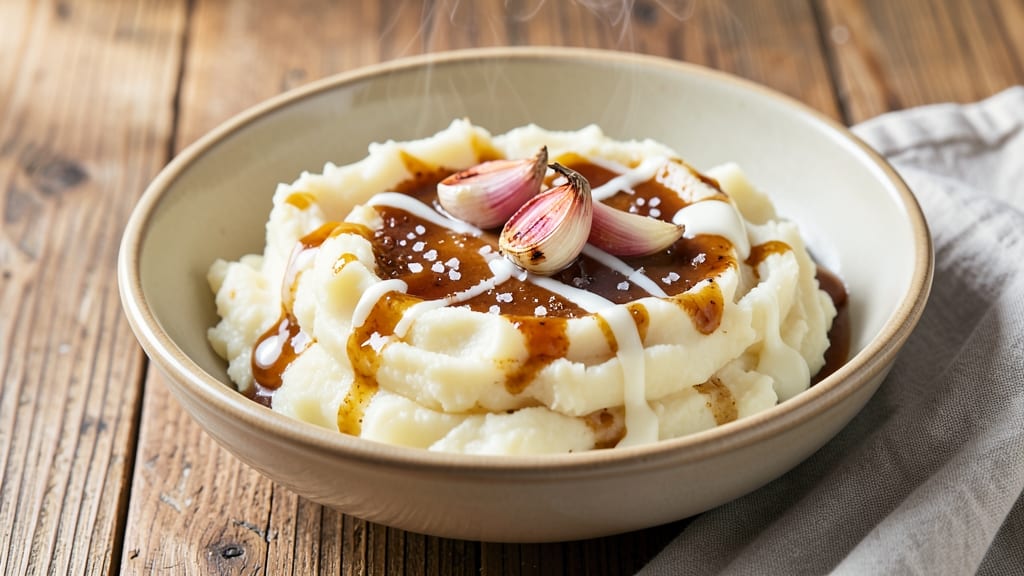
This mashed potatoes recipe with chicken stock transforms a classic side into something truly exceptional—ultra-smooth, velvety, and deeply flavorful without a trace of flour or butter overload.
Growing up in small-town Georgia, I learned that the secret to restaurant-quality mashed potatoes lies in the liquid, and chicken stock elevates them from ordinary to extraordinary. The rich, savory depth of homemade stock infuses every bite, creating a texture that’s impossibly creamy yet light.
What sets this method apart is the technique: boiling potatoes whole preserves their natural starches, while the chicken stock—simmered low and slow—adds layers of umami that no milk or cream can match.
I’ve perfected this over years of testing, and the result is a dish that’s foolproof yet feels like a chef’s special. The key is patience—letting the potatoes cook until tender, then mashing them gently to avoid lumps while keeping that silky, cloud-like consistency we all crave.
By the time you’re done, you’ll have mashed potatoes that are rich, flavorful, and impossibly smooth, with a taste that lingers long after the last bite. The chicken stock doesn’t just moisten—it transforms the potatoes into something luxurious, making this side dish the star of any meal.
Whether you’re serving it at a holiday feast or a weeknight dinner, this recipe delivers professional results with minimal effort.
Pair these potatoes with roasted chicken, braised pork, or even a simple steak for a meal that feels complete. The beauty of this method is its versatility—you can adjust the seasoning to your taste, or even add a touch of garlic or herbs for extra depth.
Let’s get started on creating the creamiest mashed potatoes you’ve ever made.
Ingredients for mashed potatoes with chicken stock
Three pounds of potatoes, rich stock, and a handful of simple ingredients transform into velvety perfection.
| Ingredient | Amount | Notes |
|---|---|---|
| Russet Potatoes 🥔 | 3 lb | Medium-sized, peeled whole |
| Homemade Chicken Stock 🍗 | 2 cups | Low-sodium, homemade preferred |
| Unsalted Butter 🧈 | ½ cup | Cold, cut into small cubes |
| Heavy Cream 🥛 | ½ cup | Full-fat for richness |
| Large Garlic Cloves 🧄 | 3 cloves | Peeled, lightly crushed |
| Sea Salt 🧂 | 1 ½ tsp | Kosher or fine grain |
| Freshly Ground Black Pepper 🌶️ | ½ tsp | Freshly cracked preferred |
| Fresh Rosemary 🌿 | 1 tbsp | Finely chopped, stems removed |
| Fresh Thyme Leaves 🌿 | 1 tsp | From 1 sprig, finely chopped |
| White Wine Vinegar 🍷 | 1 tsp | Optional, for brightness |
| Granulated Sugar 🍚 | ½ tsp | Balances acidity |
| Chicken Breast 🍗 | 1 lb | For stock, boneless preferred |
| Yellow Onion 🧅 | 1 whole | For stock, chopped |
| Carrot 🥕 | 2 whole | For stock, peeled |
| Celery Stalks 🥬 | 2 whole | For stock, chopped |
The potatoes are the star—Russets are ideal because they’re high in starch, giving you that classic creamy texture. Grab the medium-sized ones from the grocery store’s produce section (not the pre-cut bags—they’re usually waxy potatoes). For the stock, if you’re making it from scratch, Costco or Trader Joe’s sell chicken carcasses cheaply, or just toss a chicken breast, onion, carrot, and celery in a pot with water and simmer for 2 hours. No time? Pacific Foods or Imagine brands make great low-sodium stock—just check the sodium content. The key is using homemade or high-quality store-bought stock—it makes all the difference. And don’t skip the garlic or herbs; they’re what give these potatoes that restaurant-quality depth.
No chicken stock? Turkey or vegetable stock works in a pinch, but it’ll change the flavor profile. Fresh herbs are ideal, but dried rosemary and thyme at half the amount will do if that’s what you’ve got. Short on butter? Olive oil or ghee works, though the flavor will shift slightly. The heavy cream is non-negotiable for that ultra-smooth texture—half-and-half or whole milk won’t give you the same richness. For the vinegar and sugar, if you’re skipping them, just taste the stock first and adjust seasoning accordingly. And if you’re making this ahead, reheat with a splash of milk or stock to keep it creamy—never water.
These potatoes reheat beautifully—just warm them gently on the stove with a splash of milk or stock. They keep for 3-4 days in the fridge, but the texture starts to degrade after 2 days, so plan accordingly. For leftovers, store them in an airtight container with a lid pressed down to keep the moisture in. If you’re prepping ahead, par-cook the potatoes (boil until just tender), then refrigerate and finish mashing when ready. The stock can be made a day ahead and stored in the fridge, too—just skim off any fat before using. And trust me, make extra. These disappear faster than you’d think.
Why You'll Love This Recipe
- No-Fuss Weeknight Win: I’ve got three kids, and this is the only mashed potato recipe that doesn’t turn into a chore. The stock simmers while I peel potatoes, and the garlic and herbs infuse everything without extra fuss. No fancy gadgets needed—just a ricer or masher, and you’re golden.
- Rich, Herby Depth: That homemade chicken stock? It’s not just flavor—it’s character. The rosemary and thyme in the stock make these potatoes taste like they belong on a fancy dinner plate, not just a weeknight meal. The white wine vinegar and sugar? Pure magic for balancing the richness.
- Leftovers That Don’t Suck: Honestly, I make these on Sundays and eat them all week. They hold up for 3-4 days in the fridge, and honestly, they taste even better the next day because the flavors meld. Plus, the stock can be prepped ahead—just skim the fat, and you’re set.
- Budget-Friendly Luxury: Forget expensive cream sauces or gourmet shortcuts. Russets, chicken stock, butter, and cream? This is the kind of dish that stretches your grocery money while still feeling indulgent. And if you’ve got a chicken breast lying around, you’re already halfway there.
Step-by-step instructions for ultra-smooth mashed potatoes
Here's how to transform simple russet potatoes into silky, velvety mashed potatoes with rich depth.
Prepare the Chicken Stock Base
First, we'll create the flavorful chicken stock using the ingredients designated for stock. In a large pot, combine the 1 lb chicken breast, 1 whole yellow onion (chopped), 2 whole carrots (peeled and chopped), and 2 whole celery stalks (chopped). Add the 2 cups homemade chicken stock (no additional water needed).
Bring to a boil over medium-high heat, then reduce to a simmer. Skim off any foam that rises to the surface during the first 10 minutes. Add the 3 cloves large garlic (lightly crushed), 1 tbsp fresh rosemary, 1 tsp fresh thyme leaves, 1.5 tsp sea salt, and 0.5 tsp freshly ground black pepper. Simmer uncovered for 30 minutes, then strain through a fine-mesh sieve into a clean pot. Discard the solids. You'll have about 2 cups of rich stock—just enough for our mashed potatoes.
Cook the Potatoes Until Fork-Tender
While the stock simmers, peel the 3 lb russet potatoes and cut them into 2-inch chunks. Place them in a large pot and cover with cold water by about 2 inches. Add no additional salt to the water (the stock already contains the full 1.5 tsp sea salt). Bring to a boil over medium-high heat, then reduce to a gentle simmer and cook for 15-20 minutes until a knife slides in easily.
Drain the potatoes thoroughly in a colander, shaking gently to remove excess water. The potatoes should be completely dry before mashing—this prevents a watery texture. Transfer them to a clean pot and return them to low heat to keep warm while you prepare the topping.
Create the Creamy Topping
In a small saucepan, combine the 2 cups homemade chicken stock, 0.5 cup unsalted butter (cut into small cubes), and 0.5 cup heavy cream. Warm over medium heat until the butter melts completely and the mixture just begins to simmer. Remove from heat and stir in 1 tsp white wine vinegar and 0.5 tsp granulated sugar. This balances the richness with a touch of brightness.
Keep this mixture warm—it should be hot but not boiling when you're ready to combine it with the potatoes. The heat helps emulsify the final texture beautifully.
Mash to Ultra-Smooth Perfection
Using a potato masher or ricer, work in batches to mash the warm potatoes directly in the pot. For the silkiest texture, I recommend using a ricer if you have one—it eliminates lumps completely. If using a masher, press firmly to break down all the potatoes before adding any liquid.
Gradually pour the warm stock mixture over the mashed potatoes, stirring constantly with a wooden spoon. The heat from the stock helps create a creamy emulsion. Add the mixture slowly—about ½ cup at a time—until you reach your desired consistency. You should use all of the stock mixture for the perfect balance of creaminess and flavor.
Season and Serve Immediately
Taste and adjust seasoning with additional sea salt or freshly ground black pepper if needed. The potatoes should be rich, smooth, and perfectly seasoned. For an extra touch of elegance, garnish with a sprinkle of fresh thyme leaves or a drizzle of melted butter.
Serve immediately while warm. The texture will continue to improve as it sits for a few minutes, but don't wait too long—they're best enjoyed right away when they're at their peak velvety consistency.
Pro Tips For Making Mashed Potatoes With Chicken Stock
- SHOCK THE POTATOES COLD: Don’t peel or cut your russets until you’re ready to cook them—otherwise, they’ll oxidize and turn that unappetizing gray. I learned this the hard way after peeling a batch ahead and coming back to potatoes that looked like they’d been left in the fridge for a week. Keep them whole and unpeeled until you’re about to boil them.
- SIMMER STOCK UNCOVERED: That 30-minute uncovered simmer for your stock isn’t just tradition—it’s flavor insurance. Skim the foam early, but let the liquid reduce naturally. Covering it will trap steam and dilute the depth of the aromatics from the rosemary, thyme, and garlic. Trust me, the extra 5 minutes uncovered makes a real difference in the final taste.
- DRY THE POTATOES LIKE IT’S YOUR JOB: Shaking the drained potatoes in a colander feels tedious, but rushing this step is how you end up with gluey mashed potatoes. Use a clean kitchen towel to blot them dry after draining—even just a few extra seconds makes the texture lighter and creamier. I used to skip this, and my mashed potatoes always turned out sad and watery.
- WARM THE STOCK MIXTURE RIGHT: Don’t pour cold stock and butter over your potatoes—that’s how you get clumpy, uneven mash. Heat the stock mixture until it’s just simmering, then remove it from the heat before adding it to the potatoes. The residual heat helps emulsify everything smoothly, and the butter melts perfectly into the cream. It’s the little things that turn good mashed potatoes into great ones.
Flavor customization for this recipe
Herb-Infused Depth
I take my chicken stock base a step further by adding 1 extra tbsp of fresh rosemary and 1 tsp more thyme when simmering. These herbs infuse the stock with aromatic complexity that transforms the potatoes from ordinary to extraordinary.
The rosemary adds a piney brightness while thyme brings earthy warmth—both complement the savory chicken flavor beautifully. I let the stock steep with the herbs for an extra 15 minutes before straining to maximize extraction. This boosts the umami profile without overpowering the dish. 🌿
Smoky Garlic Boost
For a Southern-inspired twist, I lightly char 2 extra garlic cloves in my Lodge cast iron skillet before adding them to the stock. The smoky aroma from the charred garlic infuses the entire dish with depth.
After simmering, I strain the stock but keep the charred garlic skins—just press them against the sides of the pot to release their smoky essence into the potatoes. This adds a subtle campfire flavor that pairs perfectly with the creamy texture.
Creamy Parmesan Finish
After mashing, I stir in ¼ cup grated Parmesan cheese mixed with the warm stock mixture. The salty, nutty notes from the cheese elevate the dish to restaurant-quality levels. I use aged Parmesan from my local Charleston market for maximum intensity.
This variation works especially well when serving with rich proteins like braised short ribs or roasted chicken. The cheese also helps stabilize the emulsion for an even smoother texture.
Spiced Variations
For a little heat, I add ½ tsp smoked paprika to the stock while simmering, or ¼ tsp cayenne to the final mashed potatoes. The smoky paprika gives a subtle BBQ-inspired kick, while cayenne adds bright heat.
I always taste before adding cayenne—start with pinch amounts and adjust to your spice tolerance. These variations work wonderfully with pork dishes, especially my heritage Gloucestershire Old Spots pork chops. The heat cuts through the richness beautifully. 🌶️
Luxury Butter Garnish
For that final touch of elegance, I drizzle melted brown butter over the mashed potatoes before serving. I brown 2 tbsp unsalted butter in my cast iron until nutty and golden, then strain out the solids. This adds a rich, toasty depth that contrasts perfectly with the creamy texture.
I also sprinkle flaky sea salt like Maldon on top for a sophisticated finish. This garnish feels like a five-star restaurant touch but takes just seconds to prepare.
Nutrition facts
Frequently asked questions
Why use chicken stock instead of milk or cream?
Chicken stock adds rich, savory depth that milk or cream can't match! The umami flavors from the stock create a more complex taste profile, while still keeping the potatoes ultra-creamy. Plus, it reduces the need for extra butter or salt. The low-sodium stock ensures you control the seasoning perfectly.
How do I prevent my mashed potatoes from becoming gummy?
Drain the potatoes thoroughly after boiling and shake them gently in the colander to remove excess water. Overcooking also causes gumminess—aim for 15-20 minutes until fork-tender, not mushy. Mash while warm but not boiling hot for the best texture.
Can I make these mashed potatoes ahead of time?
Yes! Store them in an airtight container in the fridge for up to 3-4 days, but the texture starts to break down after 2 days. To reheat, warm gently on the stove with a splash of milk or stock—never microwave. For best results, make them fresh for peak velvety perfection.
What’s the best way to mash for ultra-smooth texture?
A ricer gives the silkiest results by eliminating lumps, but a potato masher works too—just press firmly in batches. Add the warm stock mixture slowly while stirring constantly to create that cloud-like consistency. Avoid overmixing, which can make them dense.