
Main Courses
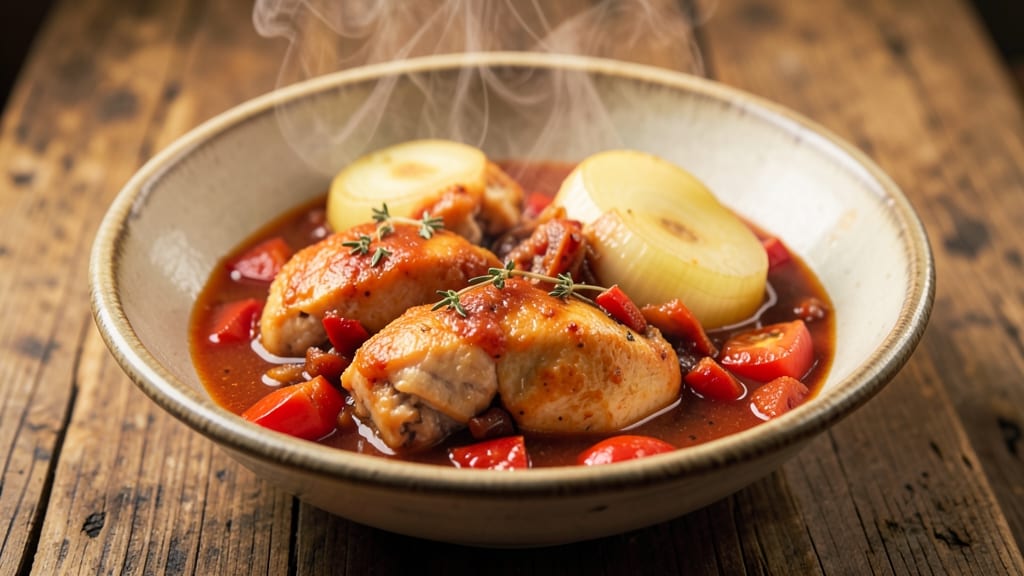
This Nigerian chicken recipe delivers the bold, aromatic flavors of West African cooking with a tender stew that balances heat and richness perfectly.
After years of perfecting my grandmother’s Sunday roast chicken, I adapted these techniques to create a dish that’s both restaurant-quality and achievable at home—where every bite carries layers of smoky, spiced tomato and caramelized onions.
The secret lies in the slow-cooked pepper sauce, which transforms tough chicken into melt-in-your-mouth perfection while infusing the meat with deep, complex flavors.
The recipe begins with a foolproof marinade of blended peppers, tomatoes, and traditional spices like thyme and utazi (or dried shrimp for authenticity), ensuring the chicken absorbs maximum flavor.
Whether you’re serving this as a standalone main or pairing it with jollof rice and fried plantains, the dish delivers a professional result that’s surprisingly simple to execute—no advanced techniques required.
The key is patience: letting the sauce simmer until it thickens into a glossy, velvety consistency that clings to every strand of chicken.
By the time you serve this dish, your kitchen will smell like a bustling Nigerian market, and your guests will be asking for seconds. The stew’s tender meat falls apart easily, releasing juices that mingle with the peppery, slightly sweet sauce.
This recipe isn’t just about flavor—it’s about recreating the warmth of a home-cooked meal, where every ingredient plays its part in creating something truly special. Ready to bring a taste of Nigeria to your table?
For those new to West African cooking, don’t worry—this recipe scales easily for weeknight dinners or Sunday gatherings, and the leftovers reheat beautifully. Whether you’re grilling, frying, or slow-cooking the chicken, the method stays consistent, ensuring restaurant-quality results every time. Let’s get cooking!
Ingredients for nigerian chicken
Bold flavors start with a few key ingredients—juicy chicken, smoky peppers, and aromatic spices.
| Ingredient | Amount | Notes |
|---|---|---|
| Whole Chicken 🍗 | 3 ½ lb | Bone-in, skin-on, cut into 8 pieces |
| Red Bell Peppers 🌶️ | 3 whole | Seeds removed, chopped |
| Roma Tomatoes 🍅 | 4 whole | Blanched, peeled, chopped |
| Yellow Onions 🧅 | 2 whole | Sliced into thin rings |
| Fresh Thyme 🌿 | ¼ cup | Leaves only, finely chopped |
| Fresh Scallions 🧅 | ¼ cup | Green parts only, sliced |
| Dried Shrimp 🦐 | ½ oz | Soaked in hot water |
| Ginger Root 🌿 | 1 tbsp | Freshly grated |
| Garlic Cloves 🧄 | 6 cloves | Minced |
| Tomato Paste 🍅 | ¼ cup | High-quality, no sugar added |
| Vegetable Oil 🫒 | ½ cup | For frying chicken |
| Salt 🧂 | 1 ½ tsp | Diamond Crystal kosher salt |
| Ground Black Pepper 🌶️ | 1 tsp | Freshly ground |
| Ground Nutmeg 🌿 | ¼ tsp | Freshly grated preferred |
| Bay Leaves 🌿 | 2 whole | Dried, crumbled |
The chicken is the star, so don’t skimp on quality. Bone-in, skin-on pieces stay juicy and crisp up beautifully during frying. Look for a whole chicken at Costco or Whole Foods—the flavor is superior to pre-cut pieces. If you can’t find fresh thyme, dried works at one-third the amount, but fresh gives that authentic West African brightness. For the dried shrimp, African or Asian markets usually carry it, but a pinch of anchovy powder in a pinch. The bell peppers? Red ones add natural sweetness that balances the heat—skip the green if you want that signature smoky depth.
No fresh ginger? Ground ginger at half the amount works, but fresh is ideal. The tomato paste can be the squeeze-tube kind from Trader Joe’s—no need for fancy jars. If you’re feeling adventurous, swap the scallions for green onions or shallots, but scallions add that signature freshness. The nutmeg is subtle but essential—pre-grated nutmeg loses potency fast, so buy a whole nutmeg and grate it fresh. For the bay leaves, California or Mexican bay leaves have the strongest flavor, but regular dried will do. Want to cut back on heat? Reduce the black pepper slightly—this sauce packs a punch!
This stew tastes even better the next day as the flavors meld. Store leftovers in an airtight container in the fridge for up to 5 days, or freeze for 3 months. The sauce thickens as it cools, so add a splash of water or broth when reheating. For meal prep, fry the chicken ahead and store separately—just reheat gently in the sauce before serving. The fried chicken stays crispy for 2 days if wrapped tightly in foil.
Why You'll Love This Recipe
- No-Fuss Marinate: Honestly, the 30-minute marinate with ginger, garlic, and shrimp is the secret sauce here—no fancy prep, just toss and wait. I’ll never stress-chop again for this dish.
- Crispy-Soft Magic: That golden-brown skin from frying paired with the creamy tomato stew? Chef’s kiss. The crispy edges give way to fall-apart tender chicken, and the dried shrimp adds a subtle umami punch that keeps you coming back for more.
- Feed the Crowd: Feeds six easily, but don’t let that scare you—it’s one pot, one simmer, and you’ve got a meal that’s perfect for game days, potlucks, or lazy Sundays. My family devours it in two sittings, no leftovers (okay, maybe one).
- Fridge Goldmine: Leftover stew? Pure treasure. Reheat it with a splash of water, and it tastes even better the second day. I freeze half for a future "I don’t wanna cook" night—5 days in the fridge or 3 months in the freezer means this is my go-to budget-friendly win.
Step-by-step instructions for Nigerian chicken recipe
Here's the method to achieve perfectly tender chicken with a rich, aromatic stew.
Prepare the Chicken and Marinate
Begin by cutting the 3.5 lb whole chicken into 8 even pieces, ensuring each piece has both bone and skin intact. This size guarantees even cooking and maximum flavor penetration. In a large bowl, combine the chicken pieces with the 0.5 oz dried shrimp (previously soaked in hot water for 10 minutes to rehydrate), 1 tbsp freshly grated ginger root, 6 minced garlic cloves, 1.5 tsp salt, 1 tsp ground black pepper, and 0.25 tsp ground nutmeg. Mix gently to coat the chicken evenly but avoid breaking the meat.
Let the marinated chicken rest at room temperature for 30 minutes. This step is crucial—it allows the spices to penetrate the meat, ensuring deep flavor and tenderness. While the chicken marinates, prepare the remaining ingredients by chopping the 3 whole red bell peppers (seeds removed), 4 whole Roma tomatoes (blanched, peeled, and chopped), and 2 whole yellow onions (sliced into thin rings). Finely chop the 0.25 cup fresh thyme leaves and 0.25 cup fresh scallions (green parts only) for the stew.
Fry the Chicken Until Golden
Heat 0.5 cup vegetable oil in a large, heavy-bottomed pot over medium-high heat until the oil shimmers but isn’t smoking. Working in batches to avoid overcrowding, carefully add the marinated chicken pieces to the pot. Fry for 4-5 minutes per side until the chicken is golden brown and the skin is crispy. This step is critical—it locks in juices and builds a flavorful crust.
Remove the fried chicken and set it aside on a plate, leaving the oil in the pot. If the oil isn’t hot enough, the chicken will steam instead of sear. You’ll know it’s ready when the chicken releases easily from the pot and the skin is deeply golden. Reserve the chicken for the final step.
Build the Peppery Tomato Stew Base
In the same pot with the rendered oil, add the sliced yellow onions and sauté for 3-4 minutes until softened and translucent. Add the chopped red bell peppers and cook for another 3 minutes, stirring occasionally, until they begin to soften. Stir in the 0.25 cup tomato paste and cook for 2 minutes to deepen its flavor.
Pour in 2 cups water (reserved from blanching the tomatoes) and bring the mixture to a gentle boil. Reduce the heat to medium-low and let it simmer for 10 minutes to allow the flavors to meld. Add the chopped Roma tomatoes, fresh thyme, fresh scallions, 2 crumbled bay leaves, and the reserved fried chicken. Stir gently to combine, ensuring the chicken is fully submerged in the liquid.
Simmer to Tender Perfection
Cover the pot and let the stew simmer gently for 45-50 minutes over low heat. This slow cooking ensures the chicken becomes fork-tender while absorbing the rich, spiced tomato sauce. Stir occasionally to prevent sticking, and add a splash of water if the sauce becomes too thick.
Here’s the thing—you’ll know the chicken is done when it easily pulls apart with a fork and the sauce has thickened to a velvety consistency. Taste and adjust the seasoning if needed, adding a pinch more salt or pepper as necessary. The stew should be aromatic, slightly sweet from the tomatoes, and deeply savory from the shrimp and spices.
Serve with Crispy Rice or Swallow
Once the chicken is perfectly tender and the sauce has reached your desired thickness, remove the bay leaves and adjust the seasoning one final time. Serve the Nigerian chicken stew hot over crispy rice or with swallow (a traditional Nigerian dumpling) for the full experience. The contrast of the crispy rice with the tender, spiced chicken creates a dish that’s both hearty and balanced.
This recipe delivers on the promise of tender chicken with a stew that’s rich, aromatic, and packed with layers of flavor. The key lies in the slow simmer and the balance of spices—each bite should be a harmonious blend of heat, sweetness, and umami.
Pro Tips For Making Nigerian Chicken
- Test Oil First: I used to burn the onions every time because I assumed the oil was hot enough—until I learned to test it with a single onion slice. If it sizzles immediately and turns golden in under 30 seconds, you’re good. If it bubbles lazily like a sad pancake, crank the heat higher and wait a few minutes. That rendered oil from the chicken is your flavor foundation, so don’t rush it.
- Blanch Tomatoes Properly: Skipping the blanching step means dealing with tough skins and watery, mushy tomatoes in your stew. Drop the Roma tomatoes into boiling water for exactly 30 seconds, then plunge into ice water—this shock stops cooking and makes peeling effortless. I used to peel them raw and fight with slippery skins; now I just slide them off like butter.
- Don’t Overcrowd the Fry: I learned this the hard way—dumping all 8 chicken pieces in at once turns your crispy dream into a sad, greasy steam bath. Fry in batches of 3-4 pieces max, letting the oil recover between rounds. The skin needs space to crisp, not a crowded, soggy party. Trust me, your future self will high-five you when that first batch emerges golden.
- Simmer Low and Slow: After burning the sauce twice, I finally accepted the truth: Nigerian chicken isn’t a race. Once you add the chicken back to the pot, drop the heat to the lowest setting that keeps a barely perceptible bubble. Too high, and the sauce reduces too fast, leaving you with dry meat and a gloppy mess. Low and slow = tender chicken and a sauce that clings like a hug—no take-backs.
Best sauces and condiments for this recipe
Spicy Pepper Sauce
This dish shines with its signature peppery tomato sauce, where the red bell peppers and Roma tomatoes create a velvety, slightly sweet base. For extra heat, add 1-2 tbsp of Penzeys African bird’s eye pepper (or ½ tsp cayenne) to the sauce as it simmers.
I’ve found that roasting the peppers first (tossed in oil and charred) deepens their smoky flavor—just brush them with 1 tsp olive oil, roast at 400°F for 15 minutes, then chop. This step transforms the sauce into something truly restaurant-worthy. 🌶️
Creamy Coconut Twist
Balance the heat with a coconut milk swirl—stir in ¼ cup coconut milk during the final 10 minutes of simmering. This adds a luxurious creaminess that pairs beautifully with the spiced chicken.
For a lighter option, use ½ cup Greek yogurt mixed with 1 tsp lime juice and swirl it in at the end. I love this variation for weeknight dinners when I want something hearty but not too heavy. The coconut also complements the dried shrimp flavor beautifully.
Fresh Herb Garnish
Brighten the dish with cilantro or parsley—chop ¼ cup fresh cilantro and sprinkle it over the finished stew just before serving. For a more authentic touch, add ½ tsp utazi leaves (if available) or 1 tsp dried thyme.
These herbs lift the rich flavors and add a fresh contrast. I also like topping with toasted pumpkin seeds for crunch—just dry-toast 2 tbsp seeds in a pan for 2 minutes until golden. 🌿
Crispy Plantain Topping
Serve with fried plantains for a classic Nigerian pairing. Slice 2 ripe plantains into ½-inch thick rounds, fry in ½ inch vegetable oil at 350°F for 3-4 minutes per side until caramelized, then drain on paper towels.
The sweetness of the plantains cuts through the spicy sauce beautifully. For a quicker option, use sweet potato fries tossed in 1 tsp smoked paprika before baking at 425°F for 20 minutes.
Spiced Yogurt Dip
Dollop ½ cup plain yogurt mixed with 1 tsp grated ginger, ½ tsp cumin, and salt on the side for dipping. This cooling contrast is perfect for balancing the heat of the stew. For extra zing, add 1 tsp chopped scallions or ½ tsp chili powder.
I’ve served this dip at dinner parties, and it’s always a hit—guests love the way it refreshes their palate between bites of spicy chicken. ✨
Smoky Nutmeg Finish
Before serving, sprinkle the stew with an extra ¼ tsp freshly grated nutmeg and a pinch of smoked sea salt (like Maldon). This adds a warm, earthy depth that ties all the flavors together.
For a smoky aroma, lightly toast 1 bay leaf in a dry pan for 30 seconds before adding it to the sauce. The nutmeg is subtle but essential—it rounds out the dish’s complexity without overpowering it. 💫
Nutrition facts
Frequently asked questions
Why does the recipe call for bone-in chicken?
Using bone-in chicken keeps the meat incredibly juicy and flavorful! The bones add depth to the stew as they cook, infusing the sauce with rich umami. Plus, the skin crisps up beautifully during frying, creating a perfect contrast to the tender meat. This traditional method ensures every bite is packed with flavor.
Can I skip the frying step and bake the chicken instead?
While baking works, frying is key for that signature crispy skin and deep flavor. If you must bake, pat the chicken dry, season generously, and bake at 400°F for 35-40 minutes until golden. The texture won’t be identical, but it’ll still taste delicious! The frying step locks in juices and builds the sauce’s foundation.
What if I don’t have dried shrimp?
No problem! Substitute with ½ cup anchovy fillets (soaked in warm water) or 1 tbsp soy sauce mixed with 1 tsp fish sauce. The umami will still shine through, though the flavor profile will be slightly different. Dried shrimp adds authenticity, but these alternatives work in a pinch.
How do I adjust the spice level?
For less heat, reduce the black pepper by half or omit the cayenne if adding. Want more kick? Stir in 1-2 tbsp African bird’s eye pepper (or ½ tsp cayenne) during the final 10 minutes of simmering. Taste as you go—this stew balances heat, sweetness, and savory notes beautifully!
Can I make this ahead of time?
Fry the chicken ahead and store it separately in the fridge for up to 2 days. Reheat gently in the sauce before serving. The stew also reheats wonderfully—just add a splash of water if it thickens too much. Leftovers keep for 5 days in the fridge or 3 months frozen.