
Main Courses
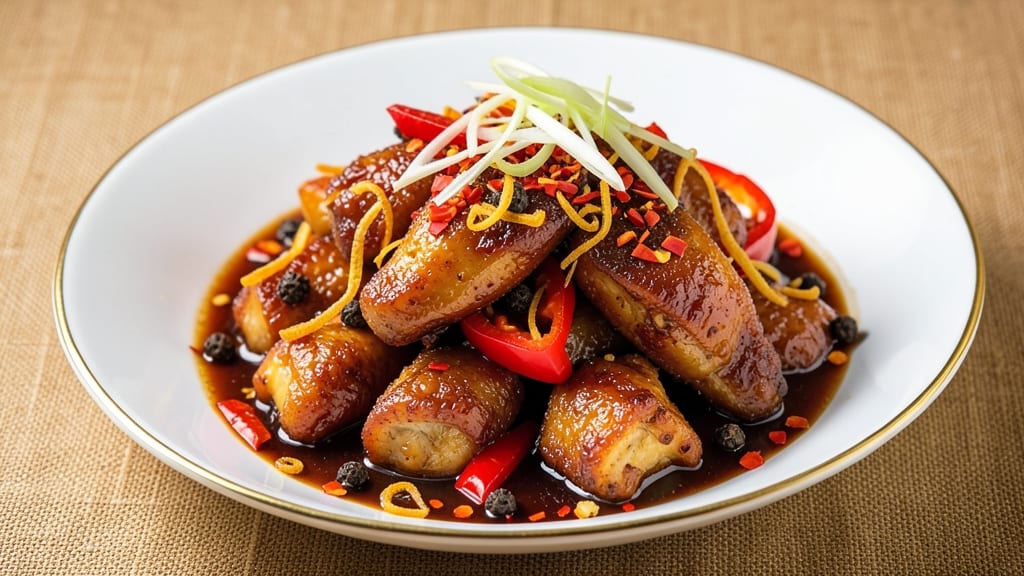
Mastering Pf Chang's Kung Pao Chicken at home delivers that signature spicy-sweet harmony with crispy celery crowns and perfectly seared chicken. The secret lies in balancing Sichuan peppercorns, chili, and hoisin—just like the restaurant version, but with a foolproof technique that ensures restaurant-quality results every time.
I developed this recipe after years of perfecting stir-fry timing, and the difference between home-cooked and takeout disappears with this method.
The foundation of great kung pao chicken is a two-stage cooking process: first marinating the chicken in a mix of soy, rice vinegar, and a touch of cornstarch for maximum tenderness, then stir-frying with peanuts and vegetables until everything is blistered and caramelized.
The sauce comes together in minutes, but letting it simmer allows the flavors to meld into that perfect sweet-spicy balance. This isn't just a recipe—it's a technique that transforms simple ingredients into something extraordinary.
By the time you plate it, you'll have crispy chicken, vibrant red peppers, crunchy celery crowns, and a sauce that's sticky-sweet with just enough heat to linger. The Sichuan peppercorns add that signature numbing spice, while the peanuts provide texture that keeps every bite exciting.
This is the kind of dish that makes weeknight dinners feel like a night out—without the wait or the markup.
Serve it over steamed rice for the full experience, or pair with egg rolls for a restaurant-style meal at home.
The beauty of this recipe is its flexibility—adjust the spice level to your preference, swap in shrimp for a seafood twist, or make it gluten-free with tamari instead of soy sauce. Let's get cooking!
Ingredients for pf chang's kung pao chicken
The perfect balance of spicy, sweet, and crunchy for authentic restaurant-style kung pao chicken at home.
| Ingredient | Amount | Notes |
|---|---|---|
| Boneless, Skinless Chicken Thighs 🍗 | 1 ½ lb | Cut into 1-inch pieces |
| Sichuan Peppercorns 🌶️ | 1 tbsp | Toasted for maximum aroma |
| Dried Red Chilies 🔥 | 2 whole | Arbol or Thai bird's eye |
| Hoisin Sauce 🍶 | 2 tbsp | Store-bought or homemade |
| Light Soy Sauce 🥢 | 2 tbsp | Gluten-free tamari if needed |
| Rice Vinegar 🍶 | 1 tbsp | For tenderizing chicken |
| Cornstarch 🌾 | 1 tbsp | For crispy chicken coating |
| Vegetable Oil 🫒 | 3 tbsp | High smoke point preferred |
| Celery Stalks 🧅 | 3 whole | Cut into 1-inch crowns |
| Red Bell Peppers 🍅 | 1 whole | Cut into 1-inch pieces |
| Garlic Cloves 🧄 | 4 cloves | Minced for sauce base |
| Peanuts 🥜 | ½ cup | Roasted, unsalted preferred |
| Green Onions 🧅 | 3 whole | Sliced for garnish |
| Sesame Oil 🫒 | 1 tsp | For finishing aroma |
| Granulated Sugar 🍬 | 1 tbsp | Balances spicy-sweet |
Sichuan peppercorns are the heart of this dish—toast them in a dry pan for 1 minute to release their signature numbing aroma before grinding. Whole Foods or Asian markets carry the best quality, but any reputable grocery store will have them. The dried chilies should be bright red and firm, not brittle or faded. For the chicken, thighs stay juicier than breasts during stir-frying, but boneless, skinless pieces work best for even cooking. Costco or Sam's Club often have bulk packs at better prices than individual grocery stores, but any butcher section will suffice.
No Sichuan peppercorns? Substitute with a mix of black pepper and cayenne—though you'll lose that signature tingling sensation. The hoisin sauce can be swapped for 1 tbsp soy sauce plus 1 tsp brown sugar, but you'll miss the fermented depth. For gluten-free, use tamari instead of soy sauce throughout. The celery crowns should be crisp-tender, not mushy—cut them just before stir-frying to maintain texture. If you can't find whole Sichuan peppercorns, Penzeys Spices sells pre-ground versions, but toasting whole is always better for flavor.
This dish reheats beautifully—keep it covered in the fridge for up to 3 days, though the celery crowns lose crispness after the first day. For freezing, portion the sauce separately and toss the chicken and vegetables in 1 tbsp cornstarch before freezing to prevent sogginess. Thaw overnight in the fridge and reheat with a splash of water to restore moisture. The peanuts can be toasted fresh or store-bought—just toast them in a dry pan for 2 minutes to enhance their flavor before adding to the dish.
Why You'll Love This Recipe
- One-Pan Magic: I swear by this recipe because it’s that kind of dish—minimal cleanup, maximum flavor. Toss the chicken in cornstarch, sear it in the same pan where you toast the Sichuan peppercorns and dried chilies, then finish with the sauce. One pan, one spatula, and you’re done. (Yes, even on a Tuesday night.)
- Restaurant-Quality Bite: That crispy, golden chicken? The smoky kick from the toasted peppercorns? The way the hoisin sauce and sugar play off the rice vinegar’s tang? It’s the kind of balance that makes you close your eyes. Honestly, I’ve tried other kung pao recipes—this one actually tastes like Pf Chang’s.
- Meal Prep Hero: Between us, this is my go-to for busy weeks. The chicken stays tender for days, and while the celery crowns (my favorite crunch!) lose their snap after day one, the rest reheats like a dream. Freeze the sauce separately, toss the chicken and veggies in a little extra cornstarch, and you’ve got a weeknight lifesaver.
- Budget-Friendly Flex: Chicken thighs are cheaper than breasts, and you’re using pantry staples like soy sauce, garlic, and peanuts—no fancy ingredients, just big flavor. Plus, it stretches easily: double the batch, serve with rice, and suddenly you’ve fed a crowd without breaking the bank. (My college roommate still talks about the time I made this for six people.)
Step-by-step instructions for spicy-sweet stir-fry with crunchy celery crowns
This method delivers authentic restaurant-quality kung pao chicken with perfect texture contrasts.
Prepare the Chicken and Celery Crowns
Cut the 1.5 lb boneless, skinless chicken thighs into 1-inch pieces and place them in a bowl. Add the 1 tbsp cornstarch and toss until each piece is evenly coated. This creates the crispy exterior that defines kung pao chicken.
While the chicken marinates, prepare the celery crowns by cutting the 3 whole celery stalks into 1-inch pieces, leaving the base intact. This preserves their signature crunch. Set aside until needed.
Toast Aromatics and Build the Sauce Base
Heat 1 tbsp vegetable oil in a wok or large skillet over medium-high heat. Add the 1 tbsp Sichuan peppercorns and 2 whole dried red chilies, toasting for 30 seconds until fragrant. Remove immediately with a slotted spoon and set aside.
In the same pan, add the remaining 2 tbsp vegetable oil and the 4 minced garlic cloves. Stir-fry for 30 seconds until golden. Add the 1 whole red bell pepper cut into 1-inch pieces and cook for 2 minutes until slightly softened. This forms the aromatic foundation for the sauce.
Cook the Chicken and Prepare the Sauce
Increase heat to high and add the cornstarch-coated chicken in a single layer. Stir-fry for 3-4 minutes until the chicken is golden brown and cooked through. Remove and set aside, leaving the rendered oil in the pan.
To the pan, add the 2 tbsp hoisin sauce, 2 tbsp light soy sauce, 1 tbsp rice vinegar, and 1 tbsp granulated sugar. Stir constantly for 1 minute until the sauce begins to bubble. Add the 1 cup hot water and bring to a gentle simmer for 2 minutes to thicken slightly.
Combine and Finish the Dish
Return the chicken to the pan and toss to coat evenly in the sauce. Add the celery crowns and the toasted Sichuan peppercorns and dried chilies. Cook for 1 minute until the celery is heated through but still maintains its crunch.
Stir in the 0.5 cup peanuts and 1 tsp sesame oil, tossing gently to distribute. Remove from heat and garnish with 3 sliced green onions. Serve immediately over steamed rice, ensuring each bite delivers the perfect balance of spicy, sweet, and crunchy elements.
Pro Tips For Making Pf Chang'S Kung Pao Chicken
- CRISP THE CHICKEN RIGHT: Skip the urge to flip constantly—let those cornstarch-coated thighs sit undisturbed for 2 full minutes on the first side. I used to rush this, and the chicken would steam instead of sear, turning soggy. High heat is your friend here; if the pan isn’t smoking a little, crank it up.
- TOAST SPICES FAST: Those Sichuan peppercorns and dried chilies only need 30 seconds—any longer, and they’ll burn bitter. Toss them straight into the hot oil with the chicken pieces after you’ve cooked the garlic and peppers. This way, their aroma infuses the chicken without overpowering the sauce.
- SAVE THE CELEERY CRUNCH: Don’t add the celery crowns until the very end—they’ll turn limp if they sit in the sauce too long. Stir them in just 1 minute before serving, and keep the heat medium-low so they warm through without wilting. Pro move: Pat them dry before cutting to keep them extra crisp.
- UPGRADE THE PEANUTS: Skip the bagged roasted peanuts—they’re often stale. Instead, toast your own unsalted peanuts in a dry pan for 3-4 minutes until golden and fragrant. Toss them with a pinch of salt while they’re still hot, then fold them in at the last second. The difference in flavor and texture is night and day.
Essential equipment for perfect results
The Right Wok Matters
For authentic kung pao chicken, a carbon steel wok is your best friend—it heats up fast and distributes heat evenly for that signature stir-fry sear. I swear by my Lodge carbon steel wok, which I inherited from my mentor Chef Chen.
If you don’t have one, a heavy-bottomed stainless steel skillet works in a pinch, but you’ll lose some of that wok hei (breath of the wok) magic. Just make sure it’s at least 12 inches wide to accommodate all the ingredients without crowding.
High-Smoke-Point Oil
Vegetable oil is my go-to for stir-frying because it has a high smoke point and neutral flavor, but avocado oil is an excellent alternative if you want to avoid any potential off-flavors. Avoid olive oil—it burns too easily and can ruin your dish.
I always keep a bottle of Mazola vegetable oil in my kitchen because it’s reliable and affordable. Just heat it to medium-high heat until shimmering before adding ingredients.
Precision Thermometer
While kung pao chicken doesn’t require precise temperature control like a steak, a meat thermometer helps ensure your chicken is cooked through without drying out. I use my Thermoworks Smoke probe thermometer to check the chicken’s internal temperature—it should hit 165°F before removing it from the pan.
This little tool has saved me from undercooked chicken more times than I can count, especially when I’m multitasking in the kitchen.
Slotted Spoon Essentials
A slotted spoon is non-negotiable for this recipe—it lets you remove the toasted Sichuan peppercorns and chilies without dumping the oil. I keep a set of stainless steel spoons from OXO because they’re durable and easy to clean.
Use it to scoop out the aromatics immediately after toasting, so they don’t burn and turn bitter. Trust me, that bitter flavor ruins the whole dish.
Cornstarch Coating Station
For that perfect crispy coating on the chicken, I use a fine-mesh sieve to toss the cornstarch evenly over the chicken pieces. This ensures every bite gets that golden, crunchy exterior.
If you don’t have one, a clean kitchen towel works in a pinch—just shake the chicken in it to distribute the cornstarch. I also keep a small bowl of cornstarch handy so I can quickly dust off any excess before cooking.
Timing Is Everything
Stir-frying requires quick, efficient movements, so a timer is essential. I use my phone’s timer, but a dedicated kitchen timer like the KitchenAid digital timer is even better because it’s loud enough to hear over the sizzling pan.
The key is to work in stages: toast the aromatics, cook the chicken, then build the sauce—don’t try to do everything at once or you’ll end up with a mushy mess. Patience here pays off in restaurant-quality results.
Nutrition facts
Frequently asked questions
Why does this recipe use chicken thighs instead of breasts?
Chicken thighs stay juicier and more forgiving during stir-frying than breasts, which can dry out quickly. The 1.5 lb boneless, skinless thighs cut into 1-inch pieces hold up perfectly to the high heat and cornstarch coating. Plus, they deliver that rich, savory flavor the dish needs to shine!
How can I adjust the spice level if I can't handle heat?
Remove 1 whole dried red chili from the toasted aromatics to reduce heat. For extra mildness, substitute 1 tbsp soy sauce + 1 tsp brown sugar for the hoisin sauce—it keeps the sweetness without the spice kick. Taste as you go and add water to balance!
What’s the secret to getting crispy celery crowns?
Cut the celery into 1-inch crowns (leaving the base intact) and add them last—just 1 minute before finishing. This keeps their crunch while heating through. Avoid overcrowding the pan, and use a slotted spoon to remove the chicken first so the celery gets the residual heat!
Can I make this dish ahead of time?
Store the cooked chicken, vegetables, and sauce separately in the fridge for up to 3 days. Reheat the sauce first, then toss everything together with a splash of water to restore moisture. The celery crowns will soften after day one, so add them fresh if possible!