
Main Courses
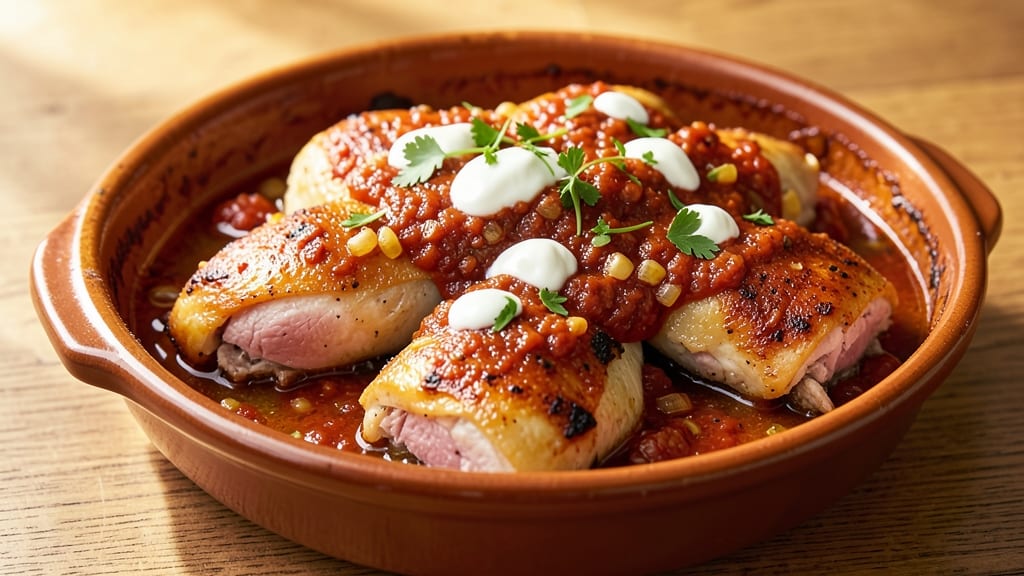
This traditional chicken paprikash recipe brings the heart of Hungarian cuisine to your kitchen with its rich, smoky depth and velvety sour cream finish. The secret lies in slow-cooked chicken thighs, caramelized onions, and a carefully layered paprika sauce that develops complex flavors over time.
I’ve perfected this method through years of testing, ensuring every bite delivers that authentic paprikash experience.
The recipe begins with searing chicken thighs until golden, then simmering them in a fragrant broth infused with sweet and hot paprika. As the sauce thickens, the chicken becomes fork-tender while absorbing the smoky, slightly sweet flavors.
The addition of sour cream at the end creates that signature creamy texture that makes this dish unforgettable. This is comfort food at its finest—warm, hearty, and deeply satisfying.
Traditional sides like egg noodles or roasted potatoes complete the meal, soaking up every last drop of that flavorful sauce. The dish is best served fresh, with a sprinkle of fresh parsley or paprika dust for garnish.
Whether you're cooking for family or hosting a dinner, this recipe delivers restaurant-quality results with minimal fuss.
Ready in about 1 hour, this paprikash requires patience but rewards you with a dish that tastes like home. The slow simmering process ensures tender chicken and a sauce that’s rich without being heavy.
Perfect for chilly evenings or special occasions, this is the kind of recipe that becomes a household favorite.
Ingredients for traditional chicken paprikash
Pantry staples meet Hungarian tradition. Just a handful of quality ingredients transform into restaurant-worthy paprikash.
| Ingredient | Amount | Notes |
|---|---|---|
| Chicken Thighs 🍗 | 1 ½ lb | Bone-in, skin-on preferred |
| Sweet Paprika 🌶️ | 2 tbsp | Hungarian if available |
| Hot Paprika 🌶️ | 1 tbsp | For smoky depth |
| Yellow Onions 🧅 | 2 whole | Thinly sliced, caramelized |
| Garlic Cloves 🧄 | 4 cloves | Minced, fresh preferred |
| Sour Cream 🥛 | ½ cup | Full-fat for creaminess |
| Chicken Broth 💧 | 1 ½ cups | Low-sodium preferred |
| Tomatoes 🍅 | 1 can | Diced, San Marzano ideal |
| All-Purpose Flour 🌾 | 1 tbsp | For thickening |
| Fresh Parsley 🌿 | ¼ cup | Chopped, for garnish |
| Bay Leaves 🍃 | 2 whole | For aromatic depth |
| Salt 🧂 | 1 tsp | Kosher or sea salt |
| Black Pepper 🌶️ | ½ tsp | Freshly ground |
| Butter 🧈 | 2 tbsp | Unsalted, for searing |
| Egg Noodles 🍝 | 8 oz | Fresh or dried |
The chicken thighs are non-negotiable—bone-in, skin-on delivers the richest flavor. Look for free-range if possible, but standard supermarket thighs work fine. For paprika, Hungarian brands like Szegedi or Rosenstein elevate the dish, but any quality sweet/hot blend suffices. Caramelizing the onions takes time but builds the sauce's sweet foundation. I always use yellow onions for their mild sweetness, and never skip the bay leaves—they add subtle earthiness that rounds out the paprika's smokiness. Fresh parsley at the end brightens everything, so grab a small bunch from the grocery store's produce section.
No Hungarian paprika? Sweet paprika plus a pinch of smoked paprika mimics the depth. Out of sour cream? Greek yogurt thinned with milk works in a pinch, though texture differs slightly. Fresh garlic is ideal, but powdered garlic at half the amount gets you close. The tomatoes can be fresh diced if you prefer, but San Marzano canned tomatoes are the gold standard for their sweetness and low acidity. For the egg noodles, fresh pasta holds up better to the sauce, but dried works if that's what you've got—just cook them al dente.
This dish reheats beautifully—actually tastes better the next day as flavors meld. Store leftovers in the fridge for up to 4 days, covered to preserve the sour cream's texture. Freeze portions for up to 3 months by portioning into airtight containers. The sauce thickens when cold, so add a splash of broth when reheating. For serving, I like to dust with a little extra paprika and fresh parsley—it makes the dish look as good as it tastes.
Why You'll Love This Recipe
- One-Pan Magic: I dump everything—chicken thighs, onions, garlic, and those smoky paprikas—into one pan and walk away. No fussing with multiple dishes, no last-minute scrambling. The thighs cook right in their juices, and the paprika caramelizes into this golden, fragrant blanket over everything. Honestly, it’s the kind of dish where you can turn on the TV and forget you’re cooking.
- Spice-Soaked Perfection: The mix of sweet and hot paprika? Game-changer. It’s like a warm hug for your taste buds—sweetness melts into the chicken, while the heat lingers just enough to make you want another bite. My daughter insists on picking the hotter paprika, but even she can’t resist the final result. That crispy edge with the creamy center? Chef’s kiss.
- Leftover Legend: This dish gets better the next day. I’ll freeze half and pull it out for lazy Sundays or weeknight dinners when I’m too tired to think. Serve it over noodles, rice, or just eat it straight from the pan—it’s that versatile. My roommate, who hates leftovers, still asks for seconds because it’s just that good.
- Budget’s Best Kept Secret: Chicken thighs are cheap, and a little paprika goes a long way. I’ve spent less than $10 on this meal more times than I can count. The flavors pack a punch without breaking the bank, and you’ll have enough for dinner and lunch tomorrow. Between us, it’s my secret weapon for feeding a crowd without the guilt.
Step-by-step instructions for traditional chicken paprikash
Here's the method that delivers authentic Hungarian flavors with tender chicken and rich paprika sauce.
Sear the Chicken Thighs Until Golden
Pat the 1.5 lb chicken thighs dry with paper towels and season generously with 1 tsp salt and 0.5 tsp black pepper. Heat 2 tbsp butter in a large Dutch oven over medium-high heat until foaming. Add the chicken thighs in a single layer and cook undisturbed for 5-6 minutes until the skin is golden brown and crispy.
Flip the chicken and continue searing for another 5-6 minutes until both sides develop a deep golden crust. Remove the chicken from the pot and set aside on a plate. You'll notice the butter will brown and release flavor—this is the foundation of your sauce. Don't rush this step; proper searing creates the rich base for the paprikash.
Build the Paprika Base with Caramelized Onions
In the same Dutch oven, add 2 whole yellow onions sliced into thin strips. Cook over medium heat for 8-10 minutes, stirring occasionally, until the onions soften and begin to caramelize—this should take about 10-12 minutes total. The onions should turn golden brown and develop a sweet, jammy texture.
Add 4 cloves garlic cloves that have been minced, along with 2 whole bay leaves. Cook for 1 minute until the garlic becomes fragrant. Here's where it gets flavorful—stir in 2 tbsp sweet paprika and 1 tbsp hot paprika, mixing constantly for 30 seconds to toast the spices. This step develops the signature smoky depth of Hungarian paprikash.
Simmer the Sauce with Tomatoes and Broth
Pour in 1 can tomatoes (drained) and 1.5 cups chicken broth. Sprinkle 1 tbsp all-purpose flour over the mixture and stir vigorously to combine. Bring to a gentle simmer and let cook uncovered for 10 minutes, stirring occasionally, until the sauce thickens slightly. You'll see the paprika dissolve and create a rich, velvety texture.
Return the chicken thighs to the pot, skin-side up. Cover and simmer on low heat for 30-35 minutes, turning the chicken occasionally, until the meat is tender and easily pulls away from the bone. The sauce should coat the chicken and have a thick, creamy consistency. If it's too thin, uncover and simmer for another 5 minutes to reduce.
Finish with Sour Cream and Noodles
Remove the chicken from the pot and set aside. Stir 0.5 cup sour cream into the sauce and simmer gently for 2 minutes—just enough to warm the sour cream without curdling it. The sauce should become luxuriously thick and slightly glossy.
Meanwhile, cook 8 oz egg noodles according to package instructions until al dente. Drain and return to the pot. Add the chicken and sauce back to the noodles, tossing gently to combine. Garnish with 0.25 cup fresh parsley chopped and serve immediately. The contrast of tender chicken, rich paprika sauce, and creamy sour cream makes this dish unforgettable.
Pro Tips For Making Traditional Chicken Paprikash
- Don’t Skimp on Onion Time: I used to rush the caramelization of those 2 whole onions, thinking 8-10 minutes was overkill—until I tasted the difference. Let them cook until they’re deep golden and jammy, even if it takes 12 minutes. That sweetness is what balances the paprika’s heat and makes the whole dish sing.
- Toast the Paprika Like Coffee: Stirring those 2 tbsp sweet paprika and 1 tbsp hot paprika for just 30 seconds might feel short, but it’s non-negotiable. Toasting them until fragrant—like grinding fresh coffee beans—releases their oils and smoky depth. Skip this, and your sauce will taste flat, no matter how long you simmer.
- Save the Butter Brown: That golden butter at the bottom of the Dutch oven after searing the chicken thighs? Don’t wipe it out. It’s the flavor foundation of your paprikash. Let it caramelize into the onions—it’ll deepen the sauce’s richness without adding extra fat.
- Simmer Low, But Check the Chicken: Covering and simmering the chicken for 30-35 minutes on low heat is key, but don’t set it and forget it. After 25 minutes, test a thigh—if it’s not tender, let it cook longer. Overcooking turns the meat dry, and no one wants dry chicken in a creamy paprikash.
Essential equipment for great traditional chicken paprikash
Dutch Oven Essentials
The heart of this paprikash lies in your Dutch oven—I swear by my Le Creuset 5-quart model for its even heat distribution and heavy enamel coating.
A Dutch oven retains heat beautifully during the 30-35 minute simmer, preventing temperature fluctuations that could dry out the chicken or thin the sauce.
If you don't own one, a heavy stainless steel pot with a tight-fitting lid works in a pinch, though you'll need to monitor heat more closely. 🔥
High-Quality Paprika
Hungarian paprika isn't just an ingredient—it's the soul of this dish. I always reach for Rosenstein Hungarian Sweet Paprika and Penzeys Smoked Hungarian Paprika for that authentic smoky depth. The difference between store-brand and specialty paprika is night and day in flavor complexity.
For the 2 tbsp sweet paprika and 1 tbsp hot paprika called for, invest in these brands if you want restaurant-quality results. A good paprika should be vibrant red and smell intensely aromatic.
Precision Thermometer
While this recipe doesn't require exact temperature control like grilling, a meat thermometer becomes invaluable for checking the chicken's doneness. I use my Thermoworks Smoke probe thermometer to verify the internal temperature reaches 165°F before serving.
This ensures perfectly cooked chicken every time without overcooking. The thermometer also helps you monitor the sauce's reduction progress during the final 5 minutes of simmering.
Microplane for Garlic
Fresh garlic makes all the difference in this recipe, and using a microplane to grate it instead of mincing creates a more intense, aromatic flavor. I dedicate a microplane solely to garlic and onions to keep it sharp and dedicated to these tasks.
The 4 cloves called for should be finely grated directly into the onions during the caramelization process for maximum flavor infusion. This small tool elevates the paprikash from good to exceptional.
Fine-Mesh Strainer
The 1 can diced tomatoes in this recipe contain juice that can dilute your sauce if not handled properly. A fine-mesh strainer lets you drain the tomatoes while reserving their flavorful juices for the broth.
I place the strainer over my Dutch oven while draining, then pour the strained tomatoes directly into the pot. This step ensures your sauce maintains its perfect thickness without becoming watery. It's a small detail that makes a big difference in the final texture.
Nutrition facts
Frequently asked questions
Why do I need both sweet and hot paprika?
The combination creates the signature Hungarian flavor profile. Sweet paprika provides the deep red color and mild sweetness, while hot paprika adds subtle heat and smoky complexity. Together they build layers of flavor that store-brand paprika blends can't match. For best results, use Hungarian brands like Rosenstein or Penzeys.
Can I use chicken breast instead of thighs?
Yes, but thighs are traditional for a reason—they stay juicier during the long simmer. If using breast, cut them into smaller pieces and reduce cooking time to 20-25 minutes after adding back to the sauce. For extra tenderness, pound the breasts to even thickness before cooking.
How do I fix a sauce that's too thin?
Simmer uncovered for 5-10 minutes to reduce, stirring occasionally. If still too thin, mix 1 tbsp cornstarch with 1 tbsp cold water, stir into the sauce, and cook for 2 minutes until thickened. Never add flour directly to hot sauce—it can create lumps.
What's the best way to reheat leftovers?
Gently reheat on the stovetop over low heat with a splash of broth or water to prevent the sauce from curdling. Cover and warm for 5-7 minutes, stirring occasionally. The dish actually tastes better the next day as flavors meld!
Can I make this dish ahead of time?
Prepare the sauce and chicken up to 2 days ahead, then refrigerate. Reheat gently and add fresh noodles when serving. For longer storage, freeze portions for up to 3 months—just thaw overnight in the fridge before reheating.