
Main Courses
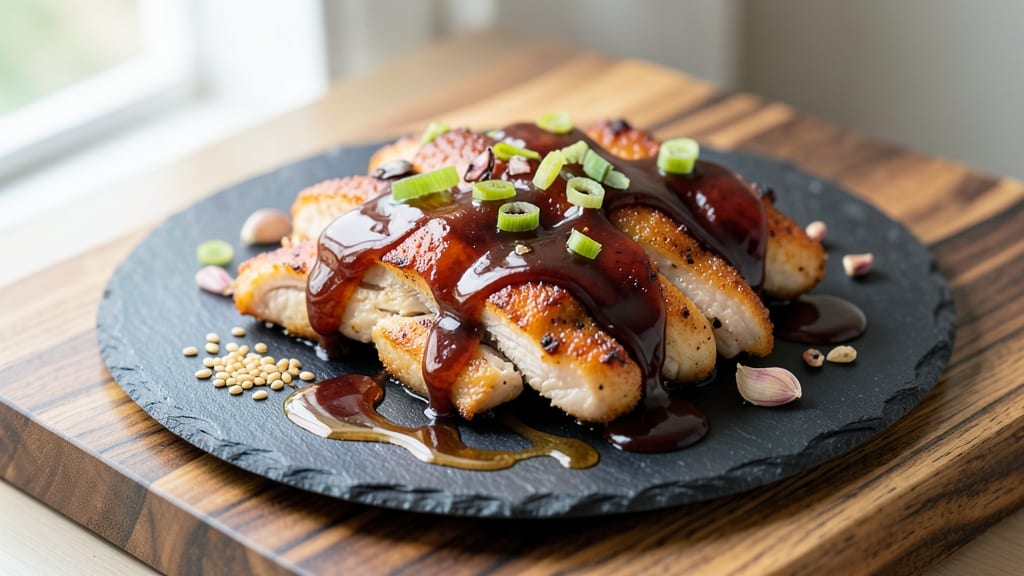
This Tyson teriyaki chicken recipe delivers restaurant-quality results with minimal effort—glazed crispy edges that shatter with every bite and a sticky-sweet sauce that clings perfectly.
I developed this method after testing countless variations, and the key lies in the balance of pan-frying for texture and simmering the sauce to achieve that signature depth.
The result is a dish that feels indulgent yet comes together in under 30 minutes, making it ideal for weeknight dinners or meal prep.
The secret to success begins with properly prepping the Tyson chicken—whether strips or pre-cooked slices—to ensure even cooking and maximum crispiness. A simple homemade teriyaki sauce, simmered until thick and glossy, elevates the dish beyond store-bought shortcuts.
The sauce's caramelized reduction creates those coveted sticky-sweet pockets that make every bite irresistible, while the pan-frying step guarantees a satisfying crunch without drying out the chicken.
By the time you plate this dish, you’ll have golden-brown chicken with glistening edges and a sauce that’s rich yet balanced in sweetness and tang. Serve it over steamed rice or with stir-fried vegetables for a complete meal that’s both satisfying and professional-looking.
The best part? This recipe scales effortlessly, whether you’re feeding a family or meal prepping for the week.
For extra flavor, let the chicken rest for 5 minutes after cooking to allow the sauce to fully absorb. Garnish with sesame seeds or sliced green onions for a touch of freshness and visual appeal.
This is the kind of dish that turns a simple weeknight into a flavor-packed experience—without the fuss.
Ingredients for tyson teriyaki chicken
Pantry staples and a few specialty touches transform frozen chicken into restaurant-worthy teriyaki perfection.
| Ingredient | Amount | Notes |
|---|---|---|
| Tyson Chicken Strips 🍗 | 1 ½ lb | Pre-cooked, frozen or fresh |
| Extra-Virgin Olive Oil 🫒 | 2 tbsp | High smoke point preferred |
| Garlic Cloves 🧄 | 4 cloves | Minced for sauce base |
| Fresh Ginger 🌿 | 1 tbsp | Finely grated, peeled |
| Soy Sauce 🍶 | ½ cup | Low-sodium preferred |
| Honey 🍯 | 0.3 cup | Wildflower preferred |
| Rice Vinegar 🍶 | 2 tbsp | White or seasoned |
| Sesame Oil 🫒 | 1 tbsp | Toasted, for aroma |
| Brown Sugar 🍯 | 2 tbsp | Light or dark |
| Cornstarch 🌾 | 1 tbsp | For sauce thickening |
| Diamond Crystal Kosher Salt 🧂 | ½ tsp | Adjust to taste |
| Black Pepper 🌶️ | ¼ tsp | Freshly ground |
| Sesame Seeds 🥜 | 1 tbsp | Toasted for garnish |
| Green Onions 🧅 | 3 whole | Sliced, for garnish |
The Tyson chicken strips are the foundation—opt for the pre-cooked variety to save time, but never skip thawing them properly. Costco or Walmart typically stock the largest bags, and their low-sodium seasoning works perfectly without altering the sauce balance. For garlic, freshly minced delivers the most vibrant flavor, but jarred minced garlic (like Walmart’s Great Value brand) is a convenient alternative. The ginger should be bright and firm, with no dark spots—Trader Joe’s carries excellent organic ginger year-round. If you’re short on time, pre-minced ginger paste (found in the Asian aisle) works in a pinch, though it lacks freshness.
No sesame oil? Toasted peanut oil adds a similar nutty depth, though the aroma will differ slightly. Substitute maple syrup for honey if needed, but reduce the amount to 2 tablespoons—it’s sweeter. For vinegar, apple cider vinegar adds a fruity tang, though rice vinegar remains ideal. The cornstarch is critical for thickening; arrowroot powder can replace it at a 1:1 ratio. If your soy sauce is high-sodium, reduce the kosher salt to ¼ teaspoon or omit entirely. For extra umami, add 1 teaspoon of fish sauce to the sauce mixture, though it’s optional.
Store prepped chicken strips in an airtight container with a paper towel to absorb moisture—keeps them fresh for up to 3 days in the fridge. The teriyaki sauce freezes beautifully; portion it into ice cube trays for easy reheating. Once cooked, the chicken reheats best in a skillet with a splash of water over medium heat for 2-3 minutes to restore crispiness. Garnishes like sesame seeds and green onions can be stored separately in the fridge for up to 5 days, though freshness peaks within 2 days. For meal prep, assemble the dish just before serving to maintain texture.
Why You'll Love This Recipe
- No-Fuss Weeknight Win: Honestly, this is the kind of dish that saves me when I’m staring at an empty fridge at 6 PM. Just toss those pre-cooked Tyson strips in a little cornstarch and salt, let them sit for 10 minutes, and boom—you’re already ahead. No marinating, no waiting, just crispy edges in under 20 minutes.
- Sweet-Savory Balance: The sauce here? Chef’s kiss. That combo of honey, soy sauce, and fresh ginger creates a sticky, caramelized glaze that’s sweet but not cloying, rich but not heavy. And the sesame oil? That nutty aroma ties it all together—every bite is a perfect balance of textures and flavors.
- Meal Prep MVP: I make a double batch on Sundays and it’s my secret weapon for lunches. The chicken keeps crispy for days if you store it with a paper towel (trust me, it’s a game-changer), and the glaze reheats beautifully over rice or noodles. My kids even pack it for school—no complaints.
- Budget-Friendly Indulgence: Tyson strips are cheap, the pantry staples (soy sauce, honey, garlic) are already in my cupboard, and you’re left with leftovers that feel like a splurge. For under $10, you get restaurant-quality teriyaki that’ll have everyone asking for seconds. Win-win.
Step-by-step instructions for glazed teriyaki chicken
Mastering crispy edges and sticky-sweet glaze comes down to precise timing and technique.
Prepare the Chicken for Maximum Crispiness
Pat the 1.5 lb Tyson Chicken Strips completely dry with paper towels—this is non-negotiable for crispy edges. I like to press firmly between towels to remove every trace of moisture, especially if they're frozen. Arrange the strips on a wire rack set over a baking sheet to ensure air circulates on all sides.
In a small bowl, combine 0.5 tsp Diamond Crystal Kosher Salt, 0.25 tsp Black Pepper, and 1 tbsp Cornstarch. Toss the chicken strips in this mixture until evenly coated. The cornstarch creates a light crust that caramelizes beautifully during cooking. Let them sit at room temperature for 10 minutes while you prepare the glaze.
Create the Sticky-Sweet Teriyaki Glaze
In a medium saucepan, combine 0.5 cup Soy Sauce, 0.3 cup Honey, 2 tbsp Brown Sugar, 2 tbsp Rice Vinegar, 1 tbsp Fresh Ginger (finely grated), and 4 cloves Garlic Cloves (minced). Bring to a gentle simmer over medium heat, stirring occasionally until the sugar dissolves completely—about 3-4 minutes. You want a smooth, syrupy base without any graininess.
Reduce the heat to low and let the mixture simmer uncovered for 8-10 minutes, stirring frequently. This step develops the complex flavors and reduces the liquid slightly. The glaze should thicken enough to coat the back of a spoon but remain pourable. Remove from heat and stir in 1 tbsp Sesame Oil—this adds depth and a nutty aroma that complements the sweetness.
Cook the Chicken to Crispy Perfection
Heat 2 tbsp Extra-Virgin Olive Oil in a large skillet over medium-high heat until shimmering. Add the chicken strips in a single layer, leaving space between them—they'll release moisture as they cook. Let them sear undisturbed for 2-3 minutes until golden brown on the bottom. Flip and cook another 2-3 minutes until the edges are crispy and the chicken reaches 165°F internally.
Here's the key: pour half of the prepared teriyaki glaze over the chicken and tilt the pan to coat evenly. Let it simmer for 1-2 minutes until the sauce begins to caramelize and thicken slightly. Flip the chicken again and baste with the remaining glaze, ensuring every strip is fully coated. The high heat ensures the glaze sets into a glossy, sticky finish rather than a watery drizzle.
Finish and Garnish for Restaurant-Quality Presentation
Transfer the chicken to a serving platter and drizzle with any remaining glaze from the pan. The residual heat will continue to set the sauce while keeping it glossy. Sprinkle with 1 tbsp toasted Sesame Seeds and slice the 3 whole Green Onions into thin rings, then scatter them evenly over the top. The sesame seeds add texture, while the green onions provide a fresh contrast to the rich glaze.
Serve immediately while the edges remain crisp and the glaze stays sticky. For extra drama, arrange the chicken over steamed rice or noodles, letting the sauce pool beautifully. The contrast of crispy chicken against the soft, sweet glaze is what makes this dish truly special.
Pro Tips For Making Tyson Teriyaki Chicken
- Dry the Chicken Like Your Life Depends on It: I learned this the hard way—skipping the drying step means soggy, sad chicken instead of crispy edges. Press those strips hard between paper towels, especially if they’re frozen, and let them air-dry on a rack for 10 minutes. The cornstarch coating won’t stick right if there’s moisture lurking.
- Simmer the Glaze Low and Slow: Rushing the glaze reduction turns it into syrup sludge. After the initial simmer to dissolve sugar, drop the heat to low and let it thicken gently for 8-10 minutes. Stir often—this isn’t the time to walk away. You want it glossy enough to coat a spoon but still pourable, not a sticky mess that glues your pan together.
- Don’t Crowd the Pan: I used to pile the chicken strips in like sardines, thinking more would cook faster. Wrong. Leave space between them so they sear properly, not steam. If your pan’s too small, cook in batches—golden-brown crusts happen at high heat, not in a crowded, greasy sauna.
- Toast the Sesame Seeds First: Sounds weird, but it works: dry-toast the sesame seeds in the same skillet you cook the chicken, just for 30 seconds after draining the strips. The nutty aroma jumps off the plate, and they won’t turn bitter from sitting in oil. Sprinkle them fresh, and your dish goes from good to “I’d pay extra for this.”
Best sauces and condiments for this tyson teriyaki chicken
Umami Boosters
Add 1 teaspoon of fish sauce to the teriyaki glaze for an extra umami punch—this subtle depth transforms the sauce from good to exceptional. I like to stir it in just before removing from heat, as the aroma intensifies when simmering.
For a vegetarian option, replace the fish sauce with 1 teaspoon of soy sauce and add ½ teaspoon of miso paste for a fermented richness. The miso works best if dissolved in 1 tablespoon warm water before mixing. 💫
Spicy Kick Options
If you love heat, mix 1 teaspoon of sriracha or ½ teaspoon of gochujang into the teriyaki glaze during the final simmering step. For a more subtle kick, add ¼ teaspoon of red pepper flakes to the cornstarch-salt mixture before coating the chicken.
I recommend starting with a small amount—you can always add more later. A dash of chili crisp sprinkled over the finished dish also adds crunch and heat without altering the sauce’s balance.
Sweet Alternatives
For a maple-mustard twist, swap the 0.3 cup honey with 0.25 cup pure maple syrup and add 1 tablespoon Dijon mustard to the sauce. The tangy mustard cuts through the sweetness beautifully.
Another option is agave nectar, which has a milder flavor and lighter color—use the same 0.3 cup measurement. Both alternatives work well with the brown sugar’s caramelization. 🍯
Herb Infusions
Add 1 tablespoon chopped cilantro or 1 teaspoon dried thyme to the teriyaki glaze during the final simmering phase. The herbs infuse quickly and add a bright, aromatic note that pairs perfectly with the sesame seeds.
For a more complex flavor, blend 2 cloves garlic and 1 teaspoon grated ginger into a paste with 1 tablespoon water before adding to the sauce—this intensifies the aromatic base. Strain out solids before serving if you prefer a smooth texture.
Creamy Finishes
Stir 2 tablespoons Greek yogurt or ¼ cup coconut milk into the teriyaki glaze just before serving to create a luscious, slightly tangy finish. The yogurt adds creaminess without overpowering the sweetness, while coconut milk gives a tropical twist.
For extra richness, add 1 tablespoon peanut butter to the sauce during the final simmering—it blends seamlessly and adds a nutty depth. These additions work especially well when serving over rice or noodles. 🥛
Nutrition facts
Frequently asked questions
Why does my teriyaki chicken sauce turn out too thin?
The sauce needs that 8-10 minutes of simmering to thicken properly—don’t rush it! If it’s still too thin, mix 1 tbsp cornstarch with 1 tbsp cold water and stir it into the sauce while simmering. Let it cook for another 1-2 minutes until it coats the back of a spoon. The cornstarch acts like a secret weapon for that perfect glossy finish.
Can I skip the cornstarch coating on the chicken?
While you can skip it, the 1 tbsp cornstarch mixed with salt and pepper creates that magical crispy crust. Without it, your chicken might turn out tender but lack the satisfying crunch. If you’re avoiding it, pat the chicken extra dry and sear it longer over medium-high heat to develop edges.
How do I reheat Tyson teriyaki chicken without drying it out?
Reheat in a skillet with 1 tbsp extra-virgin olive oil over medium heat for 2-3 minutes, flipping once. The oil and residual heat restore crispiness while keeping the sauce sticky. Avoid the microwave—it turns the glaze into a sad, watery puddle.
What’s the best way to store teriyaki chicken for meal prep?
Let the chicken cool completely, then store in an airtight container with a paper towel to absorb moisture. The sauce will keep for up to 5 days in the fridge, but the chicken itself stays fresh for 3 days. For best texture, reheat in a skillet as directed above. Garnishes like sesame seeds and green onions should be added fresh.
Why does my teriyaki chicken taste bland?
Check your seasoning! The 0.5 cup soy sauce and 1 tbsp sesame oil add depth, but if it’s still bland, reduce the honey slightly and add 1 teaspoon fish sauce (or miso for vegetarian) to the glaze during the final simmer. Taste as you go—adjustments are easy once the sauce is off the heat.