
Main Courses
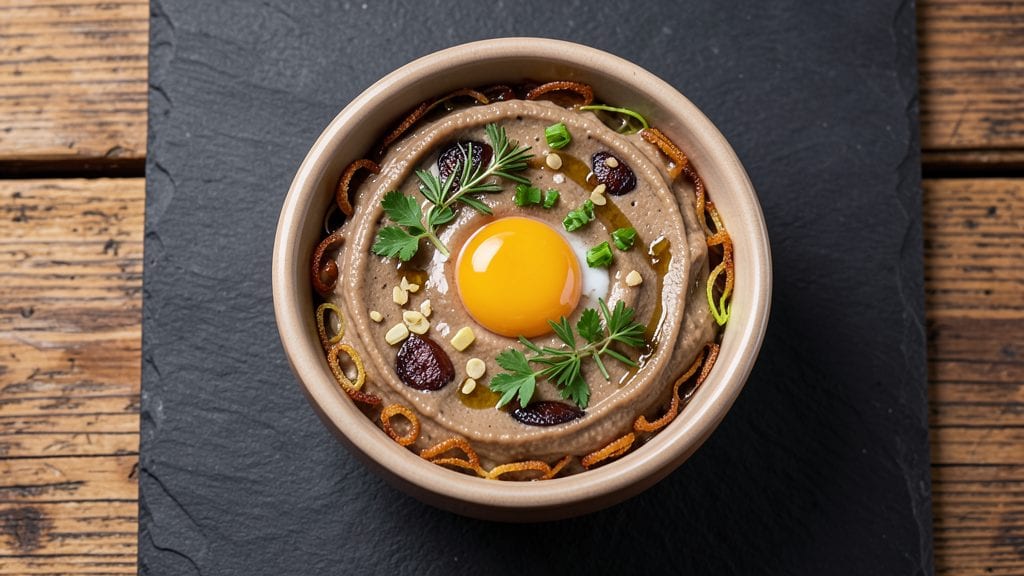
Gordon Ramsay's chicken liver pâté recipe reveals the Parisian bistro's secret to creating a velvety, luxurious spread that elevates any gathering. This isn't just a recipe—it's a masterclass in transforming humble chicken livers into a silky, rich masterpiece with perfect texture and depth of flavor.
The key lies in precise preparation and balancing the delicate flavors of liver with aromatic herbs and a touch of creaminess. I've refined this method to deliver restaurant-quality results at home, where every bite delivers that signature Ramsay flair.
What sets this recipe apart is the attention to detail that Ramsay insists on—starting with carefully cleaned and trimmed livers, poached just until tender, then blended into a smooth, velvety consistency. The secret weapon?
A blend of shallots, garlic, and fresh herbs that infuse the pâté with layers of aromatic complexity. This isn't a quick fix; it's a method that rewards patience with a dish so refined it feels like a Parisian bistro experience.
The result is a pâté that's rich yet balanced, with a texture that's impossibly smooth and a flavor profile that's both bold and sophisticated.
By the time you serve this pâté, you'll have a dish that commands attention—spread on toasted baguette slices, served with crisp crackers, or even as a luxurious filling for blinis.
The technique ensures a perfect emulsion, where the fat and liver blend seamlessly, creating a mouthfeel that's nothing short of luxurious. This is the kind of recipe that transforms a simple appetizer into an unforgettable centerpiece, proving that even the most intimidating dishes can be mastered with the right approach.
Whether you're hosting a dinner party or treating yourself to a gourmet experience, this pâté delivers the kind of impact that makes it worth every step. The instructions will guide you through every detail, from preparing the livers to achieving that signature smooth texture.
Let's bring a taste of Paris to your table with this foolproof method that Ramsay himself would approve of.
Ingredients for chicken liver pate recipe gordon ramsay
A refined blend of aromatic herbs, delicate livers, and rich cream—this pâté delivers Parisian bistro quality at home.
| Ingredient | Amount | Notes |
|---|---|---|
| Chicken Livers 🍗 | 1 ½ lb | Fresh, trimmed of connective tissue |
| Shallots 🧅 | ½ cup | Finely minced, 4-5 medium |
| Garlic Cloves 🧄 | 4 cloves | Minced, peeled |
| Fresh Thyme Leaves 🌿 | ¼ cup | Packed, stems removed |
| Fresh Parsley Leaves 🌿 | ¼ cup | Packed, stems removed |
| Heavy Cream 🥛 | 1 cup | Full-fat, cold |
| Unsalted Butter 🧈 | ½ cup | Cold, cubed |
| Dijon Mustard 🌶️ | 1 tbsp | High-quality, smooth |
| Fresh Lemon Juice 🍋 | 1 tbsp | From 1/2 lemon |
| Kosher Salt 🧂 | 1 tsp | Fine grain |
| Freshly Ground Black Pepper 🌶️ | ½ tsp | Coarsely ground |
| Brandy 🍷 | 2 tbsp | Optional, for deglazing |
| Chicken Stock 💧 | ½ cup | Homemade or high-quality |
The chicken livers are the foundation, so source fresh, high-quality livers from a trusted butcher. Look for vibrant red color and minimal connective tissue—this ensures a smooth texture. Whole Foods Market or local specialty butchers often carry the best cuts. Trim any visible fat or membrane before using; this step is non-negotiable for achieving Ramsay's signature velvety consistency. The shallots and garlic should be finely minced—a food processor works best for even distribution. Fresh thyme and parsley from the grocery store's produce section should be bright green and fragrant; avoid wilted herbs, as they'll compromise the pâté's aromatic depth.
No brandy on hand? Substitute with a splash of dry white wine or additional chicken stock—just reduce the liquid by half to maintain balance. Heavy cream can be swapped for half-and-half, but texture may suffer slightly. For a dairy-free option, use coconut cream, though the flavor will differ. The Dijon mustard is crucial—avoid powdered versions, as they lack the necessary tang. If you can't find fresh herbs, dried thyme and parsley work at one-third the amount, but fresh is always preferred. The chicken stock should be homemade or high-quality store-bought—avoid bouillon cubes, as they often contain additives that alter flavor.
This pâté keeps beautifully in the fridge for 5-7 days, sealed tightly under a layer of plastic wrap and submerged in its own juices. For longer storage, portion into airtight containers and freeze for up to 3 months. Thaw overnight in the refrigerator before serving. To serve, spread on toasted baguette slices or crisp crackers, garnished with a sprinkle of fresh parsley. The pâté tastes even better the next day as flavors meld, making it perfect for meal prep. For a restaurant-worthy presentation, serve with a side of pickled vegetables or roasted nuts to balance the richness.
Why You'll Love This Recipe
- One-Pan Magic: I swear by this recipe because it’s that kind of dish—minimal cleanup, maximum flavor. Sear the livers in butter, deglaze with brandy, and boom: you’ve got all the depth without a mountain of dishes. The shallots and garlic caramelize right in the same pan, so you’re basically getting a flavor upgrade for free.
- Umami Bomb: Here’s what sold me—the way the chicken livers, thyme, and Dijon mustard marry with that lemon juice at the end. It’s rich but never heavy, thanks to the cold heavy cream drizzled in slowly. That crispy sear on the livers? Chef’s kiss. The parsley at the finish just ties it all together like a perfect garnish.
- Weeknight Flex: This isn’t just for fancy dinners. Spread it on crusty bread with a splash of stock for dipping, or slather it on crackers with pickles for a pub-style bite. Honestly, I’ve even used it as a sandwich filling (yes, even on a Tuesday night) when I needed a protein boost fast. The brandy deglazing step might sound fancy, but it’s optional—skip it if you’re in a rush, and it’ll still taste incredible.
- Leftovers That Don’t Let You Down: Between us, this pate begs to be made in bulk. It keeps for a full week in the fridge, sealed tight under its own juices, and freezes like a dream for up to three months. I make a double batch every time because it disappears faster than I can say “second helping.” Plus, the cold butter and cream ensure it stays silky smooth—no grainy aftertaste here.
Step-by-step instructions for chicken liver pate
Here's how to transform rich chicken livers into a velvety, Parisian-style pate with perfect texture.
Prepare and Sear the Chicken Livers
Trim any connective tissue from the 1.5 lb chicken livers and pat them completely dry with paper towels. This step is crucial—any moisture will prevent proper searing and result in a watery pate. Place the livers in a bowl and season generously with the 1 tsp kosher salt and 0.5 tsp freshly ground black pepper, massaging them to ensure even coating.
Heat a large skillet over medium-high heat and add the 0.5 cup unsalted butter. Once the butter foams, add the chicken livers in a single layer. Sear for 2-3 minutes per side until they develop a golden-brown crust and are cooked through to an internal temperature of 145°F. Remove them from the pan and set aside to cool slightly—they'll continue cooking from residual heat.
Sauté the Aromatics and Deglaze
In the same skillet (don't wipe it clean—the browned bits are flavor gold), reduce the heat to medium and add the 0.5 cup finely minced shallots. Cook for 3-4 minutes until softened and translucent. Add the 4 cloves minced garlic cloves and cook for an additional 30 seconds until fragrant—don't let the garlic brown or it'll turn bitter.
Pour in the 2 tbsp brandy and immediately scrape up all the browned bits from the bottom of the pan with a wooden spoon. Let the brandy simmer for 1-2 minutes until the alcohol burns off and the liquid reduces by half. This step adds depth of flavor that separates bistro-quality pate from home versions.
Build the Base with Thyme and Mustard
Add the 0.25 cup packed fresh thyme leaves to the skillet and cook for 30 seconds until their aroma intensifies. Stir in the 1 tbsp Dijon mustard and cook for another 30 seconds, allowing the mustard to mellow slightly. Remove the skillet from heat and let the mixture cool for 2 minutes—this prevents the cream from curdling when added later.
Transfer the seared chicken livers to a food processor along with the shallot-garlic mixture from the skillet. Add the 0.5 cup chicken stock and process until you achieve a coarse paste with some texture remaining. This stage ensures the pate has body without being overly smooth.
Create the Silky Texture
With the food processor running, slowly drizzle in the 1 cup cold heavy cream through the feed tube. This gradual addition prevents the cream from breaking and creates that signature velvety texture. Process until completely smooth, scraping down the sides as needed. Add the 1 tbsp fresh lemon juice and pulse just to combine—this brightens the rich flavors.
Taste and adjust seasoning with additional salt or pepper if needed. The pate should be rich but not overpowering, with a perfect balance of umami from the chicken livers and acidity from the lemon. For best results, chill the pate for at least 2 hours before serving—this allows the flavors to meld completely.
Pro Tips For Making Chicken Liver Pate Recipe Gordon Ramsay
- Sear in Batches: Chicken livers release their juice fast—if you crowd the pan, you’ll steam them instead of sear. Work in two batches if needed, even if it takes a little longer. That golden crust is what makes this pate sing, not just taste good.
- Mince Shallots Like Mad: I used to eyeball it, and my pate always had that "lumpy" texture. Finely minced shallots (almost paste-like) blend smoother and add sweetness without overpowering. No food processor? A sharp knife and a cutting board take 10 minutes—worth it.
- Cool Before Creaming: Hot liquids and cold cream don’t mix—literally. Let the shallot-garlic-thyme mixture sit for those 2 minutes off heat, or your heavy cream will curdle faster than you can say "ruined batch." Trust me, the wait prevents disaster.
- Pulse, Don’t Puree: The food processor’s job here isn’t to make it silky yet—it’s to rough up the livers so the cream binds properly. A coarse paste means better texture later. Over-blending now = gluey pate. Stop when it’s chunky, not smooth.
Creative variations of this dish
Herb-Infused Twist
Elevate the classic recipe with a fines herbes variation—mix the 0.25 cup fresh thyme and 0.25 cup parsley with 1 tbsp fresh chives and 1 tbsp fresh tarragon for an extra aromatic punch. The tarragon adds a delicate anise-like note that pairs beautifully with the liver’s richness.
I like to pulse the herbs with the livers in the food processor for even distribution. This version feels like a true Parisian bistro classic, with layers of complexity that surprise every time. 🌿
Spicy Smoked Variation
For heat lovers, add 1 tsp smoked paprika to the seared livers while they cook, along with ½ tsp cayenne pepper when blending. The smokiness complements the liver’s natural umami, while the cayenne adds a subtle kick.
I recommend using Penzeys smoked paprika for authentic depth. This variation is perfect for those who enjoy bold flavors without overpowering the dish. 🌶️
Creamy Truffle Fusion
Swap the 1 cup heavy cream for ½ cup heavy cream + 2 tbsp truffle oil (like Truffle Oil by La Tourangelle) for an instant luxury upgrade. The earthy truffle notes harmonize with the liver’s richness, creating a dish that feels indulgent yet balanced.
Add a pinch of truffle salt on top before serving for an extra touch of sophistication. This version is a crowd-pleaser at dinner parties. 💫
Vegetarian Adaptation
Replace the chicken livers with 1.5 lb mushrooms (a mix of cremini and shiitake) for a vegetarian version. Sauté the mushrooms with the 0.5 cup shallots and 4 cloves garlic until tender, then proceed with the rest of the recipe.
The umami from the mushrooms mimics the liver’s depth, while the cream and herbs create a velvety texture. This adaptation keeps the bistro essence intact! 🍄
Winter Citrus Boost
Brighten the pâté for winter with 1 tbsp orange zest and 1 tbsp fresh rosemary folded into the final blend. The citrus cuts through the richness, while the rosemary adds a piney aroma.
I use zest from 1 blood orange for a deeper flavor. This variation is perfect for holiday gatherings, offering a refreshing twist on a classic. 🍊
Nutrition facts
Frequently asked questions
Can I use chicken livers that aren't fresh?
Freshness is key for this recipe—never use pre-cooked or frozen livers. The texture becomes grainy and the flavor dull. If you must use frozen livers, thaw them overnight in the fridge first, then pat them completely dry before cooking. The 1.5 lb requirement assumes fresh, high-quality livers from a trusted butcher.
Why does my pâté turn out grainy?
Over-processing the livers creates a grainy texture. Stop blending when you reach a coarse paste—the recipe calls for some texture remaining. Also, ensure your livers are completely dry before searing, and don't overcook them (aim for 145°F internal temp). Cold ingredients and gradual cream addition also prevent graininess.
What's the best way to serve this pâté?
Spread it on toasted baguette slices or serve with crisp crackers for a bistro-style appetizer. For a gourmet touch, top with a sprinkle of fresh parsley or a drizzle of truffle oil. Chill for 2 hours before serving—this lets flavors meld beautifully. Pair with a crisp white wine like Sauvignon Blanc.
Can I make this recipe ahead of time?
This pâté tastes even better the next day. Store it in an airtight container in the fridge for 5-7 days, or freeze for 3 months. Thaw overnight in the fridge before serving. The flavors deepen as it rests, making it perfect for meal prep.
What if I don't have brandy?
Use 2 tbsp dry white wine or additional chicken stock instead. Just reduce the liquid by half to maintain balance. The brandy adds depth, but these substitutes work well. If using wine, let it reduce by half before adding to the food processor.