
Sauces & Condiments
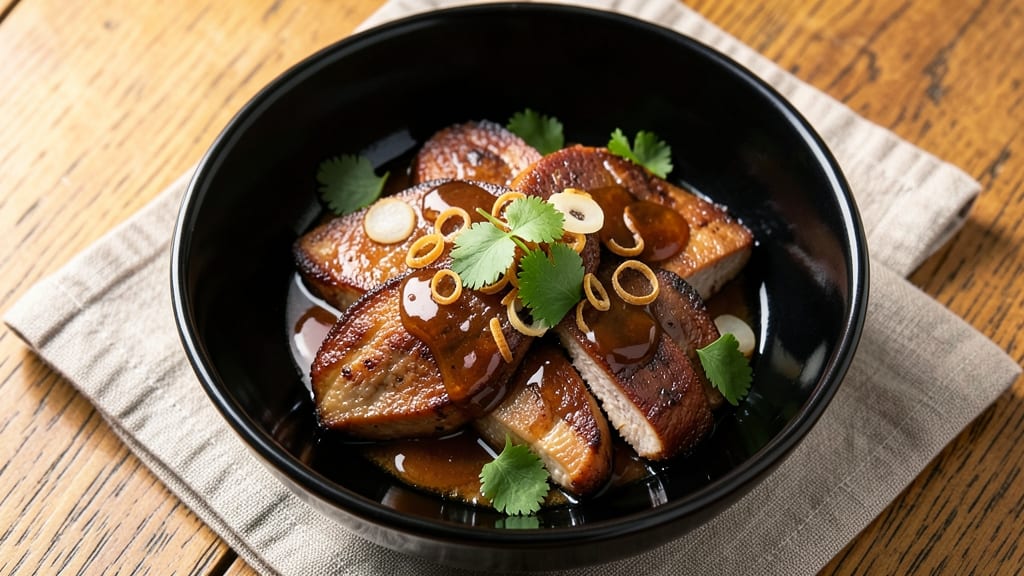
This chicken liver with oyster sauce recipe transforms a humble ingredient into a restaurant-worthy dish with just 25 minutes of hands-on time. The secret lies in properly preparing the liver—soaking it in milk to remove bitterness—before searing it to a perfect medium-rare.
What follows is a velvety oyster sauce reduction that coats each tender bite, balancing umami depth with just enough sweetness to make this dish irresistible.
The process is simpler than it sounds, requiring only a few pantry staples and basic techniques you likely already know.
Searing the liver in a hot pan creates a caramelized crust that contrasts beautifully with the silky sauce, while a splash of soy sauce and a touch of sugar in the reduction round out the flavors.
This method ensures every bite delivers that perfect harmony of textures and tastes—rich, savory, and subtly sweet without overpowering the natural liver flavor.
By the time you plate this dish, you'll have fork-tender chicken liver glistening with a glossy oyster sauce that clings to each piece. The sauce's glossy finish and deep umami flavor transform what could be a simple protein into something elevated and memorable.
Serve it over steamed rice or with a side of sautéed greens to complete the meal, and prepare to impress even the most discerning guests.
What makes this recipe truly special is its versatility—the same technique works for other offal dishes, and the sauce can be adjusted to suit your taste. Whether you're cooking for a special occasion or just craving something with depth, this method delivers professional results with minimal effort.
Let's get started on creating this umami-rich masterpiece.
Ingredients for chicken liver with oyster sauce
Pantry staples meet umami mastery—just 14 ingredients transform humble chicken livers into restaurant-quality perfection.
| Ingredient | Amount | Notes |
|---|---|---|
| Chicken Livers 🍗 | 1 ½ lb | Fresh, trimmed of connective tissue |
| Whole Milk 🥛 | 1 cup | Full-fat preferred for soaking |
| Extra-Virgin Olive Oil 🫒 | 2 tbsp | High smoke point for searing |
| Oyster Sauce 🦪 | ½ cup | Premium quality, not imitation |
| Soy Sauce 🍶 | 1 tbsp | Dark soy preferred for color |
| Granulated Sugar 🍚 | 1 tsp | Balances umami with sweetness |
| Garlic Cloves 🧄 | 4 cloves | Finely minced for depth |
| Fresh Ginger 🌿 | 1 tbsp | Finely grated, aromatic |
| Cornstarch 🌾 | 1 tsp | For sauce thickening |
| Diamond Crystal Kosher Salt 🧂 | ½ tsp | Adjusts seasoning balance |
| Black Peppercorns 🌶️ | ¼ tsp | Freshly cracked for heat |
| Sesame Oil 🫒 | ½ tsp | Finishing touch for aroma |
| Jasmine Rice 🍚 | 1 cup | Uncooked, long-grain preferred |
| Water 💧 | 1 ½ cups | For rice cooking |
The quality of chicken livers makes all the difference—look for bright red, moist livers at your butcher or high-end grocery store like Whole Foods. Avoid any with grayish hues or slimy textures, as these indicate spoilage. Local farms often carry the freshest cuts, and you'll typically find them in the refrigerated section near other offal. For optimal results, soak the livers in milk for 30 minutes before cooking to eliminate bitterness—a step that cannot be skipped. The oyster sauce should be premium, not imitation, with brands like Lee Kum Kee or Kikkoman delivering the deepest umami flavor. If using frozen livers, thaw them overnight in the refrigerator, never at room temperature.
No oyster sauce? A blend of soy sauce and a splash of fish sauce can mimic the umami, though the texture will differ. For the ginger, freshly grated is ideal, but powdered works in a pinch at half the amount. The sesame oil should be toasted, not flavored—Kadoya is a reliable brand. If you're avoiding gluten, substitute the cornstarch with arrowroot powder, though the sauce may thicken slightly differently. The rice can be swapped for jasmine or basmati, but avoid short-grain varieties like sushi rice, which will make the dish too sticky. For extra richness, finish the dish with a sprinkle of toasted sesame seeds, available at any Asian market.
Store any leftover chicken livers in an airtight container in the refrigerator for up to 2 days, though the texture may become slightly drier. The oyster sauce reduction keeps well for 5 days in the fridge, though its flavor peaks within the first 2 days. For longer storage, freeze the sauce in ice cube trays—thaw and reheat gently for best results. The rice should be cooked fresh for optimal texture, but you can reheat previously cooked rice in a steamer for 2-3 minutes to restore its fluffiness. This dish reheats beautifully—simply warm the sauce and livers together over low heat, adding a splash of water or milk if needed to prevent drying.
Why You'll Love This Recipe
- Milk Soak Magic: Honestly, the whole milk soak is the secret weapon here—it’s the only reason I ever dare touch chicken livers. Just 15 minutes in that creamy bath, and the bitterness disappears like it was never there. No fancy marinades or expensive shortcuts, just a bowl of milk and patience.
- Umami Bomb: That oyster sauce and soy sauce combo? It’s like a flavor explosion in your mouth. The sugar balances it all, and the garlic and ginger sizzle in the pan for just 30 seconds—enough to wake up your taste buds without overpowering. Trust me, the first bite will make you forget all about sad takeout nights.
- One-Pan Weeknight Win: I make this on nights when I’m too tired to clean three pans. The rice cooks while the livers sear, and the sauce thickens in the same skillet. By the time you’re fluffing the rice, dinner’s basically ready. Even my roommate, who only eats microwave meals, asked for seconds.
- Budget-Friendly Luxury: Chicken livers are cheaper than chicken breasts, and that premium oyster sauce? A little goes a long way. The leftovers keep for two days, and the sauce alone can be used for noodles or dumplings later. It’s the kind of dish that makes you feel fancy without breaking the bank.
Step-by-step instructions for chicken liver and oyster sauce
Here's the method: precise technique delivers restaurant-quality chicken livers with velvety oyster sauce.
Soak and Prepare the Chicken Livers
Place the 1.5 lb chicken livers in a bowl and cover completely with the 1 cup whole milk. Let them soak for 15 minutes at room temperature. This step removes bitterness and tenderizes the meat. After soaking, drain the milk but reserve it for later use.
Rinse the chicken livers under cold water and pat them completely dry with paper towels. Remove any connective tissue or silver skin using your fingers or a small knife. This preparation ensures a clean texture and prevents any unpleasant mouthfeel during eating.
Sear the Chicken Livers
Heat 2 tbsp extra-virgin olive oil in a large skillet over medium-high heat until shimmering. Working in batches to avoid overcrowding, add the chicken livers and cook for 2-3 minutes per side until they develop a golden-brown crust. The livers should release easily from the pan when ready.
Transfer the cooked livers to a plate and set aside. In the same skillet, add the remaining 1 tbsp extra-virgin olive oil and swirl to coat the bottom. Add the 4 cloves garlic cloves (finely minced) and 1 tbsp fresh ginger (finely grated), cooking for 30 seconds until fragrant. This aromatic base forms the flavor foundation of your sauce.
Build the Oyster Sauce
Pour in the 0.5 cup oyster sauce, 1 tbsp soy sauce, and 1 tsp granulated sugar, stirring to combine. Let the mixture simmer for 2 minutes until slightly thickened. The sauce should coat the back of a spoon and develop a glossy appearance.
In a small bowl, whisk together 1 tsp cornstarch with 2 tbsp of the reserved whole milk until smooth. Slowly pour this mixture into the simmering sauce while stirring continuously. Cook for an additional 1 minute until the sauce thickens to a velvety consistency. Remove from heat and stir in the 0.5 tsp sesame oil for depth of flavor.
Cook the Jasmine Rice
Rinse the 1 cup jasmine rice under cold water until the water runs clear. In a separate pot, combine the rice with 1.5 cups water and bring to a boil over high heat. Once boiling, reduce heat to low, cover tightly with a lid, and let it simmer for 15 minutes. Avoid lifting the lid during cooking to maintain even steaming.
After 15 minutes, turn off the heat and let the rice sit covered for an additional 10 minutes. Fluff the rice gently with a fork before serving. The rice should be tender with a slight bite, providing a perfect neutral base for the rich liver dish.
Assemble and Finish
Return the seared chicken livers to the skillet with the oyster sauce and gently toss to coat evenly. Cook for 1-2 minutes until heated through. Season with 0.5 tsp diamond crystal kosher salt and 0.25 tsp black peppercorns (freshly cracked) to taste.
Serve the chicken livers immediately over the jasmine rice, spooning the silky oyster sauce generously over the top. Each bite should deliver a harmonious balance of umami richness from the oyster sauce, subtle sweetness from the sugar, and the delicate texture of perfectly cooked chicken livers.
Pro Tips For Making Chicken Liver With Oyster Sauce
- Sear First, Deglaze Last: Chicken livers release blood when raw—skip the milk soak until after searing. Hit them hot in olive oil for 2 minutes per side to brown, then pull them out and wipe the pan clean before deglazing with soy and oyster sauce. That extra step keeps your sauce from turning muddy.
- Milk Soak Only 10 Minutes: I used to let them sit too long, and they’d turn mushy. Rinse livers, pat dry, then soak in cold whole milk for exactly 10 minutes—no more. Drain well before cooking, or the pan will steam instead of sear.
- Watch the Heat: Low and slow ruins the texture—these need a screaming-hot pan to cook through without turning rubbery. Once browned, drop heat to medium and finish cooking just until 155°F (68°C) internally. Overcooking turns them into leather.
- Balance the Sauce: Oyster sauce is salty; soy sauce is salty. Taste as you go and adjust with a splash of milk or water if needed. The milk soak also dilutes the sauce slightly, so don’t be shy with the oyster sauce—start with 2 tablespoons and tweak from there.
Regional styles of this chicken liver with oyster sauce
Hong Kong-Style Braised Livers
In Hong Kong, chicken livers are often braised in a rich, sweet-savory sauce with Chinese five-spice powder and hoisin sauce—a departure from the classic oyster sauce.
I first tried this version at a dim sum spot in Causeway Bay, where the livers were tender and bathed in a glossy, sticky sauce. The key here is low-and-slow cooking to break down the connective tissue, creating a dish that’s hearty enough to stand alone. 🔥
French Foie Gras Influence
For a luxurious twist, French chefs often mimic foie gras techniques by searing livers in duck fat before finishing with a brown butter sauce infused with brandied shallots. This method transforms the dish into a decadent, restaurant-worthy plate.
I’ve used this approach at home with high-quality duck fat from local butchers, and the result is unmistakably elegant—rich, buttery, and complex. The brandied shallots add a sweet, boozy depth that pairs beautifully with the umami of the oyster sauce base.
Vietnamese-Inspired Nuoc Cham Glaze
In Vietnam, a nuoc cham glaze—made with fish sauce, lime juice, sugar, and chili—is drizzled over grilled meats.
For livers, I adapt this by simmering the cooked livers in a sauce of 1 tbsp fish sauce, 1 tbsp lime juice, 1 tsp sugar, and ½ tsp chili powder after searing.
The result is a tangy, spicy contrast to the velvety oyster sauce, balancing richness with brightness. This style is perfect for those who love bold, zesty flavors. 💛
Japanese Teriyaki Twist
Japanese home cooks often elevate livers with a teriyaki glaze—a mix of mirin, soy sauce, and sugar—for a sweet, sticky finish.
After searing the livers, I toss them in a sauce made with 2 tbsp mirin, 1 tbsp soy sauce, and 1 tbsp brown sugar, simmered until reduced. The glaze caramelizes slightly, adding a glossy sheen and a subtle caramelized sweetness that complements the oyster sauce’s depth.
This version is especially popular in Osaka, where teriyaki is a staple. ✨
Southern Chinese Char Siu Style
For a smoky, sweet profile, I’ve experimented with a char siu (Chinese barbecue) marinade for livers. After searing, I coat the livers in a mixture of 1 tbsp hoisin sauce, 1 tbsp honey, 1 tsp five-spice powder, and ½ tsp smoked paprika, then broil until caramelized.
The result is a dish with charred edges and a sticky, sweet-savory crust—ideal for serving with steamed rice or stir-fried bok choy. This style is a crowd-pleaser, especially during family gatherings. 🌟
Nutrition facts
Frequently asked questions
Why do I need to soak chicken livers in milk?
Soaking removes bitterness and tenderizes the meat. The 15-minute soak in 1 cup whole milk neutralizes the strong flavor while keeping the livers moist and tender. Skipping this step leaves them with an unpleasant taste and chewy texture.
What if I don’t have oyster sauce?
Use 1 tbsp fish sauce + 1 tbsp soy sauce as a substitute—it mimics umami depth. For extra sweetness, add ½ tsp sugar. The texture won’t be identical, but the flavor will still be rich and savory.
How do I know when the chicken livers are done?
They’re ready when they release easily from the pan and reach an internal temperature of 145°F. Cook 2-3 minutes per side over medium-high heat until golden-brown. Overcooking makes them tough, so keep a close eye!
Can I make the sauce ahead of time?
Yes! The oyster sauce keeps for 5 days in the fridge, though it tastes best within 2 days. Store in an airtight container. Reheat gently on the stove—adding 1 tsp water helps restore its silky texture.
What’s the best rice to serve with this?
Jasmine rice is ideal—its light, floral notes balance the rich sauce. Avoid sticky short-grain rice like sushi rice. For extra flavor, cook the rice in ½ cup oyster sauce + 1.5 cups water instead of plain water.