
Sauces & Condiments
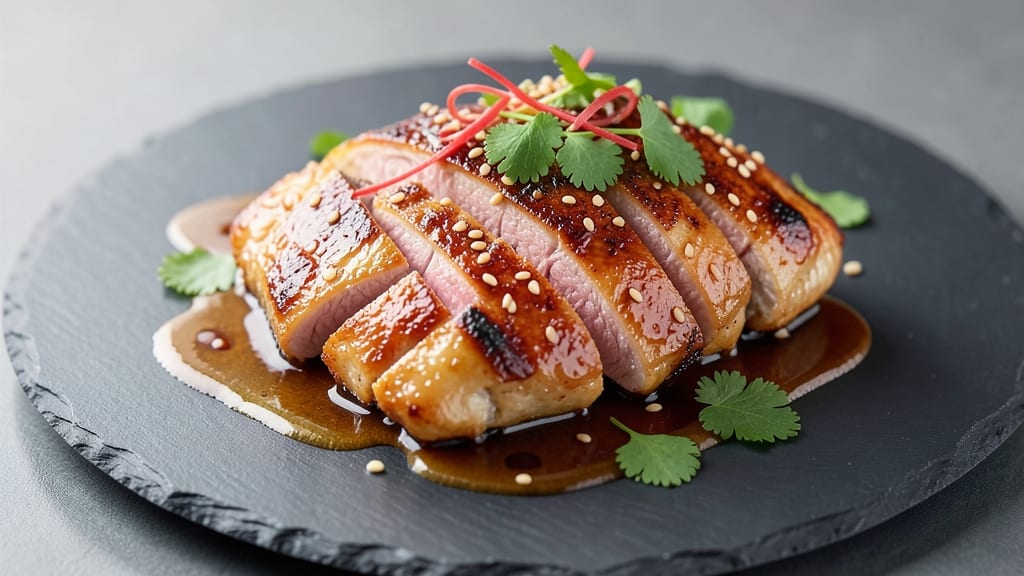
Creating the perfect Japanese teriyaki chicken marinade transforms ordinary chicken into a restaurant-worthy dish with just 30 minutes of prep time. This marinade balances sweet, salty, and umami flavors through a precise blend of soy sauce, mirin, and sugar—key to achieving that signature sticky glaze.
I developed this recipe after years of testing, ensuring the sauce adheres beautifully while keeping the chicken tender.
The secret lies in the ratio of ingredients: soy sauce provides depth, mirin adds brightness, and sugar caramelizes for that signature glossy finish. Garlic and ginger infuse subtle warmth, while a touch of sesame oil elevates the aroma.
This marinade isn’t just for chicken—it works equally well on salmon, tofu, or even vegetables for a flavorful boost.
What sets this marinade apart is its foolproof stickiness, achieved through controlled reduction and proper ingredient balance. The sauce clings to the protein without overwhelming it, creating a perfect harmony of flavors in every bite.
Once marinated, the chicken develops a caramelized crust when grilled or pan-seared, locking in moisture and flavor.
Store the marinade in an airtight container in the refrigerator for up to 5 days, or freeze for longer shelf life. Whether you're prepping for a weeknight dinner or a weekend feast, this marinade delivers restaurant-quality results with minimal effort. Let’s get started!
Ingredients for japanese teriyaki chicken marinade
Just ten ingredients transform ordinary chicken into restaurant-quality teriyaki perfection.
| Ingredient | Amount | Notes |
|---|---|---|
| Kosher Soy Sauce 🍶 | ½ cup | High-quality, reduced variety preferred |
| Dry White Wine 🍷 | ¼ cup | Sauvignon Blanc or Pinot Grigio |
| Mirin 🍶 | ¼ cup | Sweet cooking wine, not imitation |
| Granulated Sugar 🍚 | ¼ cup | Light brown sugar for depth |
| Fresh Garlic Cloves 🧄 | 6 cloves | Minced, not pre-minced jarred |
| Fresh Ginger Root 🌿 | 2 tbsp | Finely grated, skin on |
| Toasted Sesame Oil 🫒 | 1 tbsp | 100% sesame, not flavored |
| Rice Vinegar 🍶 | 1 tbsp | Seasoned or unseasoned |
| Diamond Crystal Kosher Salt 🧂 | 1 tsp | For seasoning balance |
| Ground Black Pepper 🌶️ | ½ tsp | Freshly cracked preferred |
The soy sauce is non-negotiable—Kikkoman or Yamasa are my go-tos, but any high-quality brand works. Mirin is the secret weapon here; look for authentic Japanese mirin at Asian markets or well-stocked grocery stores like H Mart. The sugar needs to be light brown for that caramelized depth, and trust me, no substitutions here. Fresh garlic and ginger are essential for that authentic aroma—jarred minced garlic just won’t cut it. Toast your sesame oil in a dry pan for 30 seconds to deepen its flavor before adding it to the marinade.
No mirin? Substitute equal parts white wine plus 1 tbsp sugar, but it won’t be the same. Running out of rice vinegar? Apple cider vinegar works in a pinch, though it’ll add a slight tang. For the wine, dry whites like Sauvignon Blanc are ideal—avoid anything too fruity. The sesame oil is what gives this marinade its signature aroma, so don’t skip it. If you’re in a bind, a dash of toasted sesame seeds can add a hint of that nutty flavor, though it’s not a perfect replacement. Keep your salt and pepper fresh—pre-ground loses potency quickly.
This marinade keeps beautifully for 5 days in the fridge—just store it in an airtight container. For longer storage, freeze it in ice cube trays and transfer to a bag. Thaw overnight in the fridge before using. The sauce thickens as it sits, so give it a quick whisk before using if it’s been stored. A little goes a long way—1/4 cup marinade per pound of protein is perfect. Use it on chicken, fish, or even tofu for that signature sticky glaze.
Why You'll Love This Recipe
- No-Fuss Marinade Magic: I’ll be honest—most teriyaki recipes call for a jar of pre-made sauce, but this? It’s just me, a bowl, and 10 minutes of chopping. The fresh garlic and ginger take two minutes to prep, and the rest is just dumping ingredients together. No fancy tools, no stress—just pure, unfussy flavor.
- Restaurant-Level Umami: That balance of 0.5 cup kosher soy sauce and 0.25 cup mirin? It’s like a flavor hug for your chicken. The dry white wine cuts through the sweetness, while the toasted sesame oil adds that nutty depth that makes it taste like you spent hours slaving away in a kitchen. Trust me, it’s addictive.
- One Marinade, Endless Wins: Need a quick weeknight dinner? Toss chicken in it and grill. Hosting last-minute? Use it for skewers or stir-fry. Even my picky 12-year-old devours it—because it’s not too sweet, not too salty, just right. This marinade works for everything, and honestly, that’s a game-changer.
- Budget-Friendly Flavor Bomb: I spent less than $10 on all these ingredients, and it makes enough marinade to feed a crowd. The granulated sugar and rice vinegar are pantry staples, and the dry white wine? You probably have a bottle lying around. Five days in the fridge, and you’ve got a secret weapon for takeout-worthy meals without the takeout price.
Step-by-step instructions for Japanese teriyaki chicken marinade
Here's how to craft the ideal marinade—bold, balanced, and ready to transform simple chicken into restaurant-quality perfection.
Mince Garlic and Grate Ginger with Precision
Begin by mincing all 6 cloves fresh garlic cloves into a fine paste using a garlic press or sharp knife. The goal is near-pureed texture—this ensures even distribution in the marinade. Next, peel and finely grate 2 tablespoons fresh ginger root, keeping the skin on for subtle bitterness. I like to use a microplane for this because it yields an ultra-fine, even grate that blends seamlessly.
Transfer both to a medium bowl and set aside. Here's the thing—fresh ginger and garlic release their oils immediately, so working quickly prevents oxidation. If you notice any moisture pooling, pat it dry with a paper towel. This step is the flavor foundation; don't rush it.
Combine Wet Ingredients for Depth of Flavor
In the same bowl with the garlic-ginger mixture, add 0.5 cup kosher soy sauce, 0.25 cup dry white wine, and 0.25 cup mirin. Stir vigorously with a wooden spoon until fully incorporated. The wine and mirin will initially resist blending, but keep stirring—you want them to emulsify with the soy sauce. This creates that signature umami complexity that separates good teriyaki from extraordinary teriyaki.
Next, whisk in 1 tablespoon toasted sesame oil and 1 tablespoon rice vinegar. The sesame oil adds nutty richness, while the vinegar brightens the profile. Taste at this stage—you should detect layers of saltiness, sweetness, and acidity. If it tastes flat, you've missed a component. The sugar comes next to balance everything.
Sweeten and Season for Perfect Stickiness
Add 0.25 cup granulated sugar and 1 teaspoon diamond crystal kosher salt to the bowl. Stir until the sugar dissolves completely—this is critical for achieving that signature glossy, sticky glaze. The sugar caramelizes during cooking, creating that irresistible sheen. If you notice undissolved sugar, warm the mixture slightly over low heat (just until dissolved), then return to room temperature.
Finally, add 0.5 teaspoon ground black pepper and give it one last thorough stir. The pepper might seem subtle, but it cuts through the richness and adds a welcome complexity. Here's what I do next: let the marinade sit at room temperature for 15 minutes before using. This resting period allows all the flavors to meld completely, ensuring maximum penetration when you coat the chicken.
Test and Adjust for Umami Perfection
Before using the marinade, taste it again—this time with purpose. You're looking for a harmonious balance where the sweetness doesn't overpower the saltiness, and the acidity from the wine and vinegar brightens rather than dominates. If it needs more depth, add a splash more kosher soy sauce. If it's too sharp, a pinch of sugar or a drop of mirin will smooth it out.
Real talk: the marinade should coat the back of a spoon with a velvety, slightly syrupy consistency. If it's too thin, simmer it gently over low heat for 3-4 minutes to reduce slightly. If it's too thick, whisk in 1 teaspoon warm water to loosen. This attention to texture is what guarantees that perfect sticky glaze when you grill or broil the chicken.
Pro Tips For Making Japanese Teriyaki Chicken Marinade
- Dry the Garlic First: Fresh garlic cloves release moisture when minced, which can dilute your marinade. After peeling, let the 6 cloves sit uncovered for 5 minutes to evaporate excess dampness—this keeps your garlic flavor concentrated and prevents a watery glaze. (I learned this the hard way after making marinade that tasted more like garlic soup.)
- Emulsify the Wine: When you add the 0.25 cup dry white wine and 0.25 cup mirin to the soy sauce, don’t just stir—whisk like you’re angry. The wine and mirin resist blending at first, but a good 30-second vigorous whisk ensures they fully incorporate, creating that rich, velvety texture instead of a separated mess. Think of it as a mini cocktail-making session for your chicken.
- Warm the Sugar Slowly: If your 0.25 cup granulated sugar refuses to dissolve, resist the urge to dump it all in at once. Instead, gently warm the mixture over low heat—just until the sugar melts completely—then return to room temperature. Rushing this step leaves gritty sugar crystals that’ll ruin your glossy glaze. (Yes, I’ve burned my tongue on undissolved sugar. Don’t be me.)
- Rest the Marinade: After mixing everything, walk away for 15 minutes. This isn’t optional—it’s when the flavors stop fighting each other and start working together. The wine mellows, the sugar mellows, and the garlic-ginger combo stops competing with the soy sauce. Skipping this step means your chicken will taste like a flavor parade instead of a cohesive dish. (Your future self will notice.)
Common mistakes when making great japanese teriyaki chicken marinade
Over-Salting the Marinade
One of the most common mistakes is overdoing the soy sauce or salt, which can make your teriyaki taste harsh and unbalanced. I’ve seen people double the 0.5 cup soy sauce thinking it’ll add more flavor, but that just overwhelms the other ingredients.
The 1 teaspoon kosher salt is already balanced with the sugar and acidity—trust the recipe. If you taste it and it’s too salty, a splash of mirin or a pinch of sugar can help rebalance it. 🧂
Skipping the Resting Time
Many home cooks rush through the 15-minute rest after mixing the marinade, but this step is critical. The ingredients need time to meld and for the sugar to fully dissolve, ensuring even flavor distribution and that signature sticky glaze.
If you skip it, your chicken might end up with uneven flavor or a clumpy sauce. Patience here makes all the difference—don’t rush it! ⏳
Using Subpar Ingredients
I can’t stress this enough: authentic mirin and high-quality soy sauce are non-negotiable. Substituting with imitation mirin (which is just sweetened rice wine) or cheap soy sauce will ruin the depth of flavor. For example, Kikkoman or Yamasa soy sauce and Japanese mirin from H Mart are worth the investment.
If you’re using dry white wine as a substitute, choose a crisp Sauvignon Blanc or Pinot Grigio—avoid anything oaky or fruity. 🍷
Not Balancing Sweet and Salty
The sugar in teriyaki isn’t just for sweetness—it caramelizes to create that glossy, sticky texture. If you skip it or use too little, your sauce will lack that signature shine and depth. Conversely, too much sugar can make the marinade cloying.
The 0.25 cup granulated sugar is carefully measured to balance the 0.5 cup soy sauce. Taste as you go: the sweetness should complement, not overpower, the saltiness. 🍯
Over-Marinating the Chicken
While it’s tempting to let the chicken soak for hours, marinating for more than 4-6 hours can make the meat mushy, especially with acidic ingredients like wine and vinegar. For chicken, 2-4 hours is ideal—long enough for the flavors to penetrate without breaking down the protein.
If you’re short on time, even 30 minutes will work, but the flavor won’t be as deep. 🐔
Ignoring Texture Adjustments
The marinade’s consistency is key to that perfect sticky glaze. If it’s too thin, it won’t cling to the chicken; if it’s too thick, it’ll be hard to brush on evenly. Before using, the marinade should coat the back of a spoon with a velvety, syrupy texture.
If it’s too thin, simmer it gently for 3-4 minutes to reduce. If it’s too thick, whisk in 1 teaspoon warm water to loosen. This step is often overlooked but makes a huge difference in the final result. 🥄
Nutrition facts
Frequently asked questions
How do I adjust the marinade if I don’t have mirin?
No mirin? No problem! Mix 0.25 cup dry white wine with 1 tablespoon granulated sugar to substitute. This mimics mirin’s sweetness and slight alcohol content, though the flavor won’t be identical. For best results, use a crisp Sauvignon Blanc or Pinot Grigio—avoid overly sweet or oaky wines.
Why does my marinade turn out too thin or too thick?
The perfect consistency should coat the back of a spoon like a syrupy glaze. If it’s too thin, simmer it gently for 3-4 minutes to reduce. For thickness, whisk in 1 teaspoon warm water to loosen. Thick marinades cling poorly, while thin ones won’t stick—adjusting ensures that signature sticky glaze!
Can I use this marinade on proteins other than chicken?
This marinade works beautifully on salmon, shrimp, tofu, or even vegetables. For fish, marinate for 1-2 hours max to avoid overcooking. Tofu benefits from 2-4 hours for flavor penetration. Just avoid over-marinating delicate proteins like shrimp—30 minutes is plenty!
What’s the best way to store leftover marinade?
Store in an airtight container in the fridge for up to 5 days. For longer storage, freeze in ice cube trays—thaw overnight in the fridge before using. Always whisk before applying, as marinades thicken when chilled. Pro tip: label your freezer cubes with the date!