
Main Courses
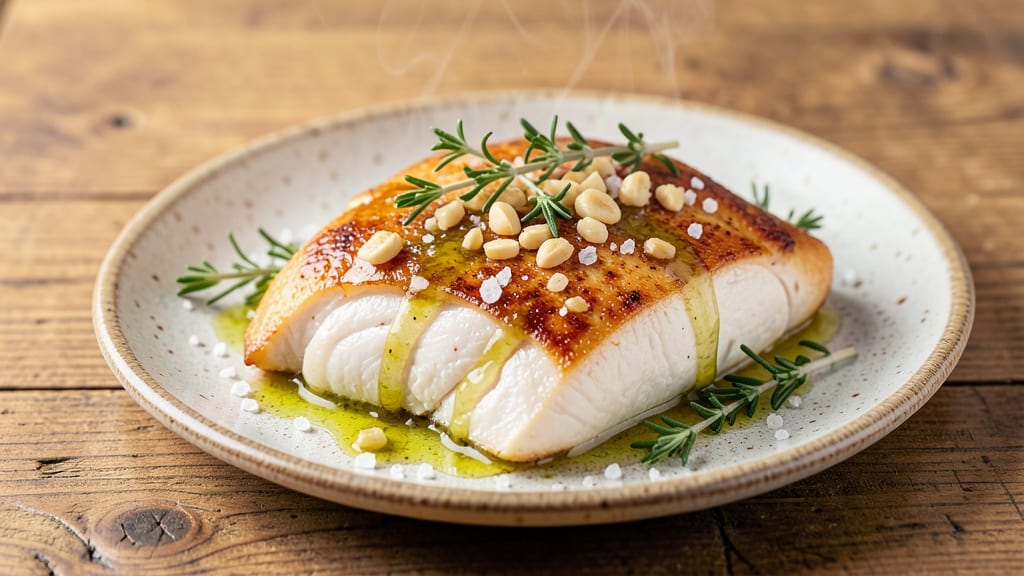
Mastering steamed chicken means achieving tender, juicy results without dryness—something I perfected after years of experimenting with moisture retention techniques. The secret lies in precise seasoning and controlled steaming that preserves natural flavors while keeping the meat succulent.
This method transforms simple ingredients into a restaurant-quality dish that's surprisingly simple to prepare.
What sets this recipe apart is the balance of light seasoning and steam control, which prevents the chicken from becoming bland or rubbery. A simple marinade of olive oil, lemon, and herbs enhances flavor without overpowering, while the steaming process locks in moisture for perfectly tender meat every time.
The technique works beautifully with boneless or bone-in cuts, making it versatile for any meal.
By the end, you'll have perfectly steamed chicken with a delicate texture and subtle seasoning that highlights the natural taste of the meat. The method is gentle enough for weeknight dinners but impressive enough for special occasions, proving that healthy cooking doesn't mean sacrificing flavor or texture.
Pair it with steamed vegetables or a light sauce for a complete, balanced meal.
This approach also preserves more nutrients than other cooking methods, making it ideal for health-conscious cooks who still want restaurant-quality results. Whether you're meal prepping for the week or preparing a light dinner, this steamed chicken recipe delivers juicy, flavorful perfection with minimal effort.
Ingredients for steamed chicken
Simple ingredients that elevate steamed chicken to restaurant-quality tenderness and flavor.
| Ingredient | Amount | Notes |
|---|---|---|
| Boneless, Skinless Chicken Breast 🍗 | 1 ½ lb | Evenly sized cutlets, pounded to 0.5-inch thickness |
| Extra-Virgin Olive Oil 🫒 | 2 tbsp | High-quality, fruity variety preferred |
| Fresh Lemon Juice 🍋 | 2 tbsp | Freshly squeezed from organic lemons |
| Garlic Cloves 🧄 | 4 cloves | Minced, fresh preferred over powdered |
| Fresh Thyme Leaves 🌿 | ½ tsp | Finely chopped, stems removed |
| Diamond Crystal Kosher Salt 🧂 | ½ tsp | Fine grain for even seasoning |
| Freshly Ground Black Pepper 🌶️ | ¼ tsp | Cracked peppercorns preferred |
| Low-Sodium Chicken Broth 🍲 | 1 cup | Homemade or high-quality store-bought |
| Fresh Ginger Root 🌿 | 1 tsp | Finely grated, organic preferred |
| Sesame Oil 🫒 | 1 tsp | Toasted, for aroma (optional) |
| Steam Basket Insert 🍳 | 1 whole | For wok or stockpot |
| Ice Cubes ❄️ | 1 cup | For post-steaming shock |
The chicken breast selection is critical—look for evenly sized pieces at the butcher counter or pre-cut sections. Whole Foods and Trader Joe's carry excellent boneless, skinless options, but any reputable grocery store will have suitable cuts. Pounding the breasts to an even 0.5-inch thickness ensures consistent cooking. For optimal results, purchase the freshest chicken available; organic, free-range options provide superior texture and flavor. The extra-virgin olive oil should be cold-pressed and have a vibrant green hue—California Olive Ranch or Colavita are excellent choices. Fresh garlic and thyme should be vibrant in color, with no wilting or brown spots.
No sesame oil? Light soy sauce (1 tsp) or a splash of mirin can add depth without overpowering. Substitute dried thyme at one-third the amount, but fresh is preferred for its bright aroma. If you're avoiding sodium, omit the chicken broth and increase the water by 1 cup, though the broth adds subtle richness. For extra moisture retention, marinate the chicken for 15-20 minutes in the olive oil, lemon juice, and garlic before steaming. The ginger can be substituted with 0.25 tsp ground ginger, though fresh offers a more complex flavor profile. For a citrus-forward variation, add 1 tsp of fresh orange zest to the marinade.
Steamed chicken retains its moisture for up to 3 days when stored in an airtight container in the refrigerator. For longer storage, portion into freezer-safe containers and freeze for up to 3 months. Reheat gently in a steamer or microwave with a splash of water to prevent drying. This method is ideal for meal prep—cook a double batch and assemble lunches throughout the week. The chicken pairs beautifully with steamed bok choy, jasmine rice, or a light sesame-ginger dressing, maintaining the dish's balanced, health-conscious profile.
Why You'll Love This Recipe
- No-Pan Necessary: I love that this recipe doesn’t require any frying or complicated equipment—just a steamer basket and my favorite stockpot. Pounding the chicken to that perfect 0.5-inch thickness means no dry, tough bits, just juicy, even cooking every time. Honestly, the only thing you’ll need to chop is the garlic, and that’s it.
- Bright & Zesty: The lemon juice and garlic really wake up the chicken—it’s not just flavor, it’s that pop that makes every bite exciting. The thyme adds this earthy brightness that cuts through the richness, and the ginger and sesame oil? Chef’s kiss. It’s like a little flavor party in your mouth, but effortless.
- Leftovers That Last: This recipe keeps its moisture for up to 3 days in the fridge, which means I can meal prep on Sunday and still have solid lunches all week. Freeze portions too, and you’ve got a backup for those nights when I’m too tired to cook. My kids even ask for seconds—proof it works.
- Budget-Friendly Luxe: You’re using simple ingredients, but the steaming method and aromatics make it feel like a restaurant dish. The olive oil and fresh herbs might seem pricey, but they go a long way, and the chicken breast is cheaper than you think when you’re not overcooking it. Plus, the ice bath trick keeps it tender without extra cost.
Step-by-step instructions for steamed chicken with aromatic infusion
This method delivers tender, juicy chicken without overcooking or dryness.
Prepare the Chicken Cutlets
Begin by placing the 1.5 lb boneless, skinless chicken breast between two sheets of plastic wrap. Using a meat mallet, pound the breast evenly to a thickness of 0.5 inch. This ensures even cooking and prevents dryness in the center. The cutlets should be uniform in size for consistent steaming.
In a small bowl, combine the 2 tbsp extra-virgin olive oil, 2 tbsp fresh lemon juice, 4 minced garlic cloves, 0.5 tsp finely chopped fresh thyme leaves, 0.5 tsp diamond crystal kosher salt, and 0.25 tsp freshly ground black pepper. Whisk until fully emulsified. This aromatic marinade will infuse the chicken with bright, herbal notes while keeping it moist during steaming.
Assemble the Steaming Setup
Fill a large stockpot or wok with 2 inches of water and bring to a rolling boil over medium-high heat. While the water heats, place the steam basket insert into the pot. The basket should sit securely above the water without touching it—this ensures proper steam circulation.
Once the water boils vigorously, reduce heat to medium-low to maintain a steady simmer. Add the 1 cup low-sodium chicken broth to the water, then carefully place the prepared chicken cutlets in the steam basket. The broth adds depth of flavor and helps maintain moisture in the steam.
Steam with Aromatic Enhancement
Cover the pot tightly with a lid and steam the chicken for 10-12 minutes. The steam should be gentle but consistent—you should see a light condensation forming on the underside of the lid. This indicates proper steam generation without boiling the chicken.
After 8 minutes, add the 1 tsp finely grated fresh ginger root and 1 tsp toasted sesame oil directly to the broth below the basket. The ginger adds a subtle warmth, while the sesame oil infuses the steam with nutty aroma. The oil is optional but enhances the dish significantly.
Ice Bath for Perfect Texture
Remove the chicken from the steam basket using tongs and transfer it immediately to a large bowl filled with 1 cup ice cubes. This ice bath shock-cooks the chicken, locking in juices and ensuring a tender, flaky texture. The chicken should sit in the ice water for exactly 3 minutes—no longer, or it may begin to chill.
Using a slotted spoon, transfer the chicken to a serving platter. The exterior should be slightly translucent, and the meat should pull apart easily with a fork. Serve immediately with the remaining infused broth reduced by half for a light sauce, if desired.
Pro Tips For Making Steamed Chicken
- Pound Evenly, Pound Smart: I used to rush the pounding, leaving uneven thickness—some parts overcooked, others raw. Take your time to hit every inch until you get that consistent 0.5-inch thickness. Your future self will thank you when the chicken comes out perfectly tender, not a single dry bite.
- Whisk That Marinade: That emulsified marinade isn’t just for flavor—it’s what keeps the chicken juicy. Whisk the olive oil, lemon juice, and garlic until it looks like a single, glossy liquid. Skimp on this step, and you’ll end up with dry chicken, no matter how good the rest of the technique.
- Don’t Crowd the Basket: I learned this the hard way—stacking the chicken cutlets too close makes them steam unevenly. Leave at least a half-inch between each piece so the steam circulates properly. This ensures every bite is moist, not a sad, limp center.
- Ginger at 8 Minutes: Adding the ginger too early means it’ll turn bitter in the broth. Wait until the 8-minute mark—right when the chicken is almost done—to toss in that 1 tsp grated ginger. It’ll hit the perfect balance of warmth without overpowering the dish.
Troubleshooting this dish
Overcooked Chicken Fix
If your chicken turns out tough or dry, the issue is usually oversteaming. Chicken breast should reach an internal temperature of 165°F—any longer, and the proteins tighten, squeezing out moisture. I’ve found that 10-12 minutes is the sweet spot for 0.5-inch-thick cutlets.
If you’re using a meat thermometer, pull the chicken when it hits 160°F—it’ll carry over to 165°F while resting. For thicker cuts, reduce steaming time by 2 minutes per extra 0.25-inch thickness. 🌡️
Uneven Cooking Solutions
Unevenly cooked chicken often means inconsistent cutlet thickness or steam circulation issues. Before steaming, verify all cutlets are 0.5-inch thick—use a ruler to check. If your steam basket has hot spots, rotate the chicken halfway through cooking.
I also recommend using a wok with a tight-fitting lid for even steam distribution. For stubbornly uneven results, try a double-steaming method: steam for 8 minutes, flip, then steam another 8 minutes.
Steam Basket Too Close
The basket should hover 1-2 inches above the water—if it touches, the chicken will boil instead of steam, leading to rubbery texture. Test your setup by placing a wooden spoon across the basket: if it touches the water, adjust the basket higher.
I’ve ruined multiple batches by ignoring this detail. For woks, use a heat diffuser (like a stainless steel disk) to prevent direct heat transfer. If your pot lacks a steam basket, use a colander with 1-inch legs instead.
Flavor Fading Quickly
Steamed chicken can lose flavor if the broth isn’t aromatic enough. Always include low-sodium chicken broth (never water) and add ginger and sesame oil in the last 8 minutes of steaming. For extra depth, simmer 2 sprigs of fresh thyme or 1 bay leaf in the broth.
I also recommend finishing the chicken with a quick pan sear in 1 tsp butter and 1 tsp lemon juice to restore richness. 💛
Chicken Sticking to Basket
Use parchment paper or aluminum foil under the chicken to prevent sticking. If the basket itself is sticking, check for mineral buildup—soak it in equal parts water and white vinegar for 30 minutes before washing.
For stubborn residue, sprinkle baking soda on the basket, scrub with a nylon brush, then rinse. I’ve also had success using a silicon steam basket liner—it’s nonstick and easy to clean. Always ensure the basket is dry before steaming to prevent warping.
Broth Not Infusing Flavor
If your broth tastes bland, it’s likely because the chicken absorbed too much flavor. Reduce the broth by half before adding it to the water—this concentrates the taste. For extra infusion, add 1 sliced shallot or 2 crushed garlic cloves to the broth while heating.
I’ve also found that a 10-minute simmer of the broth alone (before adding chicken) builds deeper flavor. For a quick fix, finish the chicken with a drizzle of soy sauce or fish sauce (just 1 tsp per serving).
Nutrition facts
Frequently asked questions
Why does my steamed chicken turn out dry even when I follow the recipe?
The key to juicy steamed chicken lies in the pounding thickness and ice bath. Chicken breasts must be pounded to 0.5-inch thickness for even cooking, and the 3-minute ice bath locks in moisture. Oversteaming beyond 10-12 minutes also causes dryness—pull it at 160°F for perfect tenderness.
Can I skip the ice bath step if I'm short on time?
While tempting, skipping the ice bath risks losing moisture and texture. The 3-minute shock prevents the chicken from overcooking and keeps it tender. If you're pressed for time, reduce steaming to 8 minutes instead, but the ice bath remains essential for restaurant-quality results.
What's the best way to reheat leftover steamed chicken?
Reheat gently in a steamer with 1 cup water or microwave with a damp paper towel over the dish. Avoid dry heat—it turns the chicken rubbery. For extra moisture, drizzle with 1 tsp sesame oil or low-sodium broth while reheating.
How do I prevent the chicken from sticking to the steam basket?
Line the basket with parchment paper or lightly grease it with sesame oil. If residue builds up, soak the basket in vinegar and water for 30 minutes before washing. A silicon liner also works wonders for easy cleanup.
Can I use bone-in chicken for this recipe?
Bone-in chicken works but requires 10-15% more steaming time (check for 165°F internally). The bones add flavor but may make the chicken slightly chewier. For even cooking, pound thicker sections to 0.75-inch thickness and reduce steaming by 2 minutes.