
Main Courses
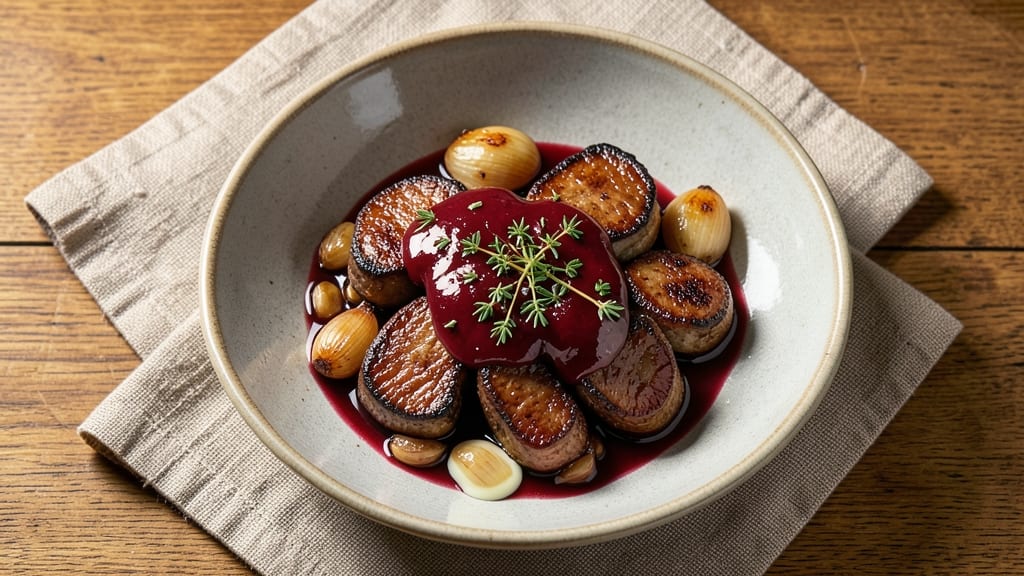
Cooking chicken liver with red wine transforms this often-overlooked ingredient into a luxurious, umami-rich dish that delivers restaurant-quality results in just 30 minutes. The secret lies in searing the livers until perfectly tender while allowing the red wine to reduce into a velvety sauce infused with herbs and aromatics.
This technique elevates simple ingredients into something sophisticated yet approachable for home cooks.
What sets this recipe apart is the balance of textures and flavors—crispy edges on the livers contrast with their tender interiors, while the red wine sauce adds depth with its caramelized richness. The process is straightforward but requires attention to timing, particularly when searing the livers to avoid overcooking.
I’ve refined this method over years of testing, ensuring every bite is packed with flavor without being overly gamey.
The result is a dish that feels indulgent yet remains simple to prepare, making it ideal for weeknight dinners or special occasions. The sauce clings beautifully to the livers, creating a harmonious blend of earthy, wine-infused notes that pair perfectly with classic sides like creamy mashed potatoes or crusty bread.
Serve immediately for the best experience—this dish is all about freshness and bold flavors.
For those new to cooking chicken liver, this recipe builds confidence by breaking down each step clearly, from proper searing to sauce reduction. The key is patience—letting the wine simmer reduces its acidity while concentrating its flavor, resulting in a sauce that’s both elegant and deeply satisfying.
Whether you’re serving it as a main course or an appetizer, this dish is sure to impress.
Ingredients for chicken liver red wine
Rich umami flavors and velvety red wine sauce transform humble chicken livers into a luxurious dish.
| Ingredient | Amount | Notes |
|---|---|---|
| Chicken Livers 🍗 | 1 lb | Freshly trimmed, patted dry |
| Dry Red Wine 🍷 | 1 cup | Bold Cabernet Sauvignon preferred |
| Unsalted Butter 🧈 | 4 tbsp | Cold, cut into small cubes |
| Shallots 🧅 | 2 whole | Minced, about 2 tbsp |
| Garlic Cloves 🧄 | 4 cloves | Finely minced |
| Fresh Thyme Leaves 🌿 | ¼ cup | Chopped, stems removed |
| Fresh Parsley Leaves 🌿 | ¼ cup | Chopped, for garnish |
| Diamond Crystal Kosher Salt 🧂 | ¾ tsp | For seasoning |
| Freshly Ground Black Pepper 🌶️ | ½ tsp | Adjust to taste |
| Heavy Cream 🥛 | ½ cup | Full-fat for richness |
| Extra-Virgin Olive Oil 🫒 | 1 tbsp | For searing |
| All-Purpose Flour 🌾 | 1 tbsp | For dredging |
The quality of chicken livers makes all the difference—look for bright red, moist livers at your butcher or high-end grocery store like Whole Foods. Trim any connective tissue and pat them completely dry before cooking to ensure perfect searing. Costco often carries excellent quality in bulk, but if you're buying smaller quantities, check the freshness date. The wine should be a bold, dry red like Cabernet Sauvignon—avoid sweet varieties or those with residual sugar, as they'll interfere with the sauce's depth. Fresh thyme and parsley from the market elevate the dish further, but dried will work in a pinch if you're short on time.
No Cabernet Sauvignon? Merlot or Pinot Noir work beautifully, though they may yield slightly different flavor profiles. Substituting red wine with beef broth plus 1 tbsp balsamic vinegar creates a similar umami base, though the sauce will lack wine's complexity. For those avoiding dairy, coconut cream can replace the heavy cream, though the texture will differ slightly. If you're concerned about the liver's gamey flavor, soaking the livers in milk for 30 minutes before cooking helps mellow the taste. The flour is purely for dredging—skip it if you prefer a more rustic texture, but it helps create crispy edges when seared.
This dish must be served immediately for optimal texture and flavor. The sauce thickens as it cools, so reheating with a splash of water or broth helps restore its velvety consistency. Store any unused wine in a cool, dark place for up to 2 weeks, and keep fresh herbs wrapped in damp paper towels in the fridge for 5-7 days. The livers can be trimmed and refrigerated for 2 days before cooking, but they'll lose some of their natural moisture. For best results, prepare the dish fresh and serve with crusty bread or mashed potatoes to soak up every bit of the luxurious sauce.
Why You'll Love This Recipe
- One-Pan Luxury: I love that this dish turns a single skillet into a restaurant-worthy meal—no extra pots, no fuss. Just sear those livers in olive oil until they’re golden and crispy, then toss them into the same pan with wine, butter, and garlic for a sauce that feels decadent but takes less than 30 minutes.
- Wine-Infused Magic: The Cabernet Sauvignon doesn’t just add flavor—it transforms the dish. That 1 cup of wine reduces down to a rich, velvety sauce with thyme and garlic, balancing the richness of the heavy cream and butter. Trust me, the acidity cuts through the livers perfectly, making every bite addictive.
- Budget-Friendly Feast: This is the kind of recipe that makes me feel like a million bucks without breaking the bank. Chicken livers are affordable, and the wine you already have in your cabinet does the heavy lifting. Plus, if you’re feeding a crowd, it stretches further than you’d think—especially when paired with crusty bread or roasted potatoes.
- Leftovers? No Problem: The sauce actually tastes better the next day, if I’m honest. Store any unused wine in a cool, dark place for up to two weeks, and the herbs in the fridge for a week. Reheat gently with a splash of water to loosen the sauce, and you’ve got a quick lunch or dinner ready in minutes—no stress, just deliciousness.
Step-by-step instructions for chicken liver and red wine sauce
Master this technique and you'll transform simple chicken livers into a luxurious, umami-rich sauce.
Prepare and Sear the Chicken Livers
Begin by trimming any connective tissue from the 1 lb chicken livers and patting them completely dry with paper towels. This step is crucial—moisture will prevent proper searing. Place the livers in a bowl and season generously with the 0.75 tsp diamond crystal kosher salt and 0.5 tsp freshly ground black pepper, tossing to coat evenly.
Heat 1 tbsp extra-virgin olive oil in a large skillet over medium-high heat until shimmering. Working in batches if necessary, add the livers and sear for 2-3 minutes per side until they develop a deep golden-brown crust. The livers should release easily from the pan when ready. Remove them and set aside on a plate, tented loosely with foil to keep warm.
Build the Red Wine Sauce Base
Reduce the heat to medium and add the 4 tbsp cold unsalted butter to the same skillet, allowing it to melt and foam. Add the 2 minced shallots and 4 finely minced garlic cloves, cooking for 1-2 minutes until softened but not browned. Here's where it gets important: pour in the 1 cup dry red wine, scraping up any browned bits from the bottom of the pan with a wooden spoon.
Bring the mixture to a gentle simmer and reduce by half, which should take about 5-6 minutes. The wine should intensify in flavor, developing a rich, concentrated depth. Stir in the 0.25 cup chopped fresh thyme leaves and let them infuse for 1 minute before removing from heat. This aromatic step transforms the wine into a flavorful foundation for your sauce.
Finish with Cream and Flour
Return the skillet to medium heat and whisk in the 0.5 cup heavy cream, allowing it to warm through without boiling. In a small bowl, combine the 1 tbsp all-purpose flour with 1 tbsp cold water to create a slurry. Slowly pour this into the simmering sauce while whisking constantly to prevent lumps from forming.
Cook for an additional 2-3 minutes until the sauce thickens enough to coat the back of a spoon. The sauce should be velvety yet still fluid enough to cling to the chicken livers. Taste and adjust seasoning with additional salt or pepper if needed. Here's the thing—this is where the magic happens. The combination of red wine, cream, and butter creates a sauce that's both rich and balanced.
Combine and Serve
Return the seared chicken livers to the skillet and gently toss to coat them evenly in the sauce. Let them simmer for 1-2 minutes to absorb the flavors. The livers should be perfectly tender with a glossy, velvety coating. Transfer the livers and sauce to a serving dish, sprinkling with the 0.25 cup chopped fresh parsley leaves just before serving.
Serve immediately over buttered toast, with crusty bread for dipping, or alongside roasted potatoes. The sauce should be luxurious yet not overly heavy, with the red wine providing a bright acidity that cuts through the richness of the livers. Each bite should deliver a perfect balance of textures and flavors, making this dish feel like a restaurant-quality experience.
Pro Tips For Making Chicken Liver Red Wine
- Sear in Batches: Chicken livers release a ton of liquid when cooked—crowding the pan steams them instead of searing. Work in batches, even if it takes a little longer, so each piece gets that deep golden crust. I learned this the hard way when my first batch turned out gray and sad.
- Salt the Livers Early: Season the livers right after trimming and patting dry—don’t wait until searing. The salt needs time to penetrate, especially since you’re not cooking them long. Toss them in the bowl with the salt and pepper while you heat the pan, and they’ll stay juicier.
- Deglaze Aggressively: That browned bit on the pan (fond) is pure flavor—don’t just pour the wine and walk away. Scrape it up with a wooden spoon while the pan is still hot, or you’ll end up with a dull, weak sauce. A few seconds of extra effort makes a real difference.
- Whisk Like Your Life Depends on It: When you add the flour slurry to the cream, stop stirring and whisk constantly. I used to add it too fast, and lumps would form no matter how much I stirred later. Slow and steady keeps the sauce silky—don’t rush this part.
Common mistakes when making great chicken liver red wine
Overcooking the Livers
My biggest mistake early on was leaving the livers in the pan too long after they turned golden. Chicken livers cook fast—just 2-3 minutes per side—so they go from perfect to rubbery in seconds.
I learned the hard way that when they release easily from the pan and turn opaque, they’re done. Overcooking makes them tough and gamey, ruining the dish entirely. Always check for medium-rare texture—they should still look slightly translucent in the center. 🔥
Skipping the Dry Step
I used to rush and skip patting the livers completely dry before seasoning. This is a critical step—any moisture causes them to steam instead of sear, resulting in a soggy texture. Always pat them thoroughly dry with paper towels before seasoning and searing.
The dry surface creates the perfect crust for that Maillard reaction that gives the livers their rich flavor. Trust me, this small step makes a huge difference!
Underreducing the Wine
The sauce is the star of this dish, and reducing the wine properly is essential. I’ve made the mistake of pulling the pan off the heat too soon, leaving the wine too thin and acidic. It should reduce by half—about 5-6 minutes of simmering—until it’s thick and syrupy.
This step concentrates the flavors and balances the richness of the cream. Don’t rush it, or the sauce will taste flat and underdeveloped.
Adding Cream Too Early
Whisking in the heavy cream before the wine has fully reduced is a common pitfall. Adding it too early dilutes the sauce and weakens the wine’s depth. Wait until the wine has reduced significantly and the thyme has infused, then gradually add the cream.
This ensures the sauce remains velvety and cohesive, not watery or thin. The cream should be the final touch, not the first step!
Ignoring the Flour Slurry
Some people skip the flour slurry entirely, thinking it’s unnecessary. While the sauce thickens naturally from the wine reduction, the flour adds stability and helps it cling to the livers.
Mix 1 tbsp flour with 1 tbsp cold water to create a smooth slurry, then whisk it into the sauce gently. This prevents a grainy texture and ensures the sauce coats the livers evenly. It’s a small effort for a big payoff!
Serving Cold or Reheated
This dish is best enjoyed fresh, but reheating is inevitable sometimes. Unfortunately, the sauce thickens and loses its velvety texture when cooled. If you must reheat, add a splash of beef broth or water to restore its consistency.
Serve immediately over toast or with crusty bread to soak up the sauce—it’s not the same once chilled. The magic happens when hot, so embrace that!
Nutrition facts
Frequently asked questions
Why do chicken livers need to be patted so dry before cooking?
Patting the 1 lb chicken livers completely dry is essential for proper searing. Moisture causes them to steam instead of developing a golden-brown crust, which is key for that perfect texture. A dry surface also helps the Maillard reaction create rich, savory flavors. Skip this step, and you'll end up with soggy, underseasoned livers.
Can I use a different type of red wine for this recipe?
While bold Cabernet Sauvignon is ideal, you can substitute with Merlot or Pinot Noir, though the flavor profile will vary slightly. Avoid sweet wines or those with residual sugar, as they'll make the sauce taste off-balance. The wine should reduce to concentrate its depth, so choose a dry variety for best results.
How do I know when the chicken livers are perfectly cooked?
Look for 2-3 minutes per side of searing until the livers develop a deep golden-brown crust and release easily from the pan. They should appear opaque but still have a slight translucency in the center—this is the medium-rare texture you want. Overcooking turns them tough and gamey, so pull them out as soon as they meet these criteria.
What should I do if the sauce turns out too thin?
If the sauce isn’t thick enough, whisk in a 1 tbsp flour slurry (mixed with cold water) to help it coat the back of a spoon. Alternatively, simmer the sauce longer to reduce it further. Adding a splash of beef broth can also help adjust consistency without thinning it out too much. The goal is a velvety, clingy sauce—not watery!
Can I make this dish ahead of time?
While the sauce and livers taste best fresh, you can prep components ahead. Trim and refrigerate the livers for 2 days before cooking, or store unused wine in a cool, dark place for 2 weeks. However, the sauce thickens and loses its velvety texture when cooled, so reheat with a splash of broth to restore it. Serve immediately for the best experience.