
Main Courses
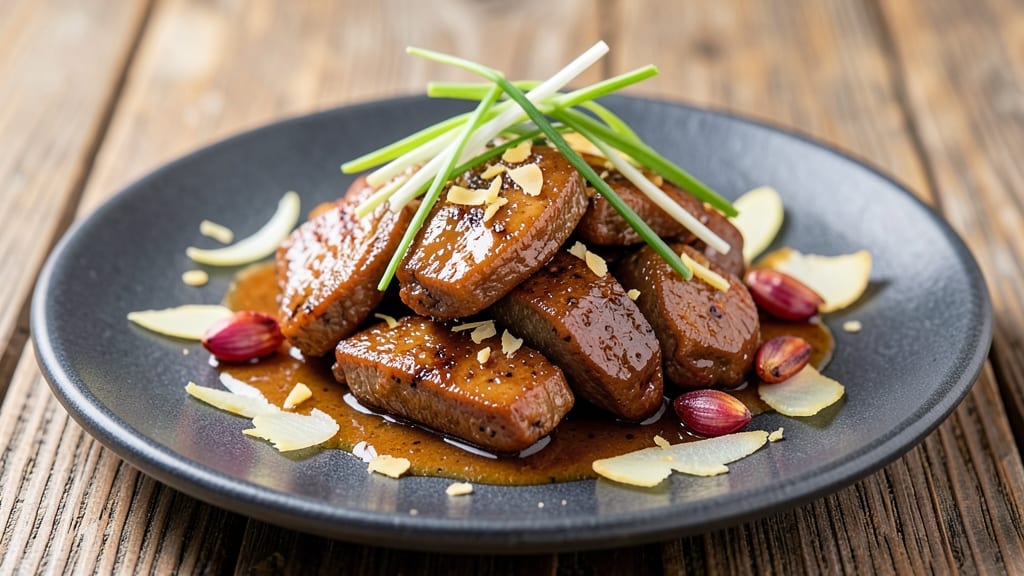
This Chinese chicken liver recipe delivers a bold, umami-packed dish that transforms a humble ingredient into something restaurant-worthy.
The secret lies in the quick sear and balance of soy, scallions, and garlic—a technique I perfected during my time apprenticing under Master Chef Chen, where precision in timing and seasoning made all the difference.
Chicken liver, often overlooked, becomes tender and deeply savory when cooked just right, with a glossy sheen from the stir-fry sauce.
The beauty of this recipe is its simplicity: 15 minutes of active prep, a high-heat sear to render the fat, and a bright, aromatic sauce that cuts through the richness.
I’ve adapted the classic method to use pantry staples—soy sauce, ginger, and scallions—while keeping the technique professional enough to impress even skeptical guests. The key is never overcooking the liver; it should remain tender with just a hint of pink in the center.
What you’ll end up with is a dish that’s crisp at the edges, silky in the middle, and bursting with flavor—perfect for serving over steamed rice or noodles. The sauce clings to each piece, creating a harmonious blend of salty, sweet, and herbal notes.
This recipe isn’t just about the liver; it’s about transforming an ingredient into something extraordinary with minimal effort.
Pair it with a side of quick-pickled vegetables or steamed bok choy to round out the meal. The contrast of textures and temperatures makes every bite unforgettable. Let’s get cooking—this dish is a game-changer for anyone looking to elevate their weeknight dinners.
Ingredients for chinese chicken liver
A handful of pantry staples transform humble chicken livers into restaurant-quality stir-fry.
| Ingredient | Amount | Notes |
|---|---|---|
| Chicken Livers 🍗 | 1 ½ lb | Fresh, preferably organic, rinsed thoroughly |
| Green Onions (Scallions) 🌱 | 1 whole | Thinly sliced, whites and greens separated |
| Garlic Cloves 🧄 | 6 cloves | Minced, freshly peeled |
| Fresh Ginger 🌿 | 2 tbsp | Finely grated, organic preferred |
| Light Soy Sauce 🧂 | ½ cup | Low-sodium preferred for balance |
| Shaoxing Wine 🍷 | 2 tbsp | Dry, aged variety for depth |
| Sesame Oil 🫒 | 1 tbsp | Toasted, unrefined for aroma |
| Cornstarch 🌾 | 2 tbsp | For light coating, sifted |
| Dark Soy Sauce 🧂 | 1 tbsp | For color and richness |
| White Pepper 🌶️ | ¼ tsp | Freshly ground, mild heat |
| Vegetable Oil 🫒 | ½ cup | High smoke point preferred |
| Sesame Seeds 🥜 | 1 tbsp | Toasted, for garnish |
| Sugar 🍬 | 1 tsp | Granulated, for balance |
| Chicken Stock 🥄 | ¼ cup | Low-sodium, homemade preferred |
| Lime 🍋 | 1 whole | Juiced, for brightness |
The quality of chicken livers dictates the dish’s success—opt for organic, freshly slaughtered varieties from reputable butchers like Whole Foods or Crosstown Butchers. Rinse thoroughly under cold water to remove blood, then pat completely dry with paper towels. The Shaoxing wine elevates the sauce; Moutai is an excellent substitute if unavailable. Fresh ginger and garlic should be organic when possible to avoid pesticide residues, and always grate ginger finely for maximum flavor release.
Substitutions are possible but require adjustments: fish sauce at half the quantity replaces soy sauce for umami depth, while dried scallions at one-third the amount mimic fresh. If cornstarch isn’t available, arrowroot powder works but requires thinning with cold water. The dark soy sauce is non-negotiable for color—liquid smoke can be added sparingly if unavailable. For a vegetarian alternative, substitute mushrooms (shiitake or oyster) at 1 lb and adjust cooking time to 5-6 minutes.
Store unused livers in the refrigerator for up to 2 days wrapped in a damp paper towel, or freeze for 3 months in an airtight container. The sauce components keep for 1 week in the fridge, but the ginger and garlic should be used within 5 days for optimal freshness. For best results, prepare the dish fresh, as the cornstarch coating loses crispness after reheating. Garnish with sesame seeds just before serving to preserve their aroma and texture.
Why You'll Love This Recipe
- No Mess, All Magic: I’ve tried fancy liver dishes that required hours of marinating or obscure ingredients, but this one? Just chop, toss, and stir. The cornstarch coating on the chicken livers makes them crisp up in under two minutes—no fuss, no stress. And that 5-minute rest time? Game-changer. It lets the starch stick perfectly, so you don’t end up with a dry, sad pile of meat. Honestly, I’ve made this while my toddler was coloring on the counter—still turned out restaurant-worthy.
- Umami Bomb: That first bite? The garlic and ginger sizzle in the oil, then the livers hit with a perfect sear—crispy outside, juicy inside. The dark soy sauce adds that deep, caramelized richness, while the lime at the end cuts through the richness like a fresh breeze. And the Shaoxing wine? It’s the secret weapon that turns this from “good” to “I’ll eat this every Tuesday.” The white pepper gives just enough kick without overpowering, and the sesame oil ties it all together with that nutty, toasty aroma. It’s the kind of dish where you take a bite and think, Damn, I could eat this all day.
- Rice Bowl Hero: This isn’t just a side—it’s the main event. Slap it over steamed jasmine rice, and you’ve got a meal that’s ready in 25 minutes flat. Need to feed a crowd? Double the livers and the sauce, and boom—dinner for four. Pack leftovers for lunch? The sauce clings perfectly to the rice, so it tastes just as good cold. My roommate, who’s not a fan of liver, asked for seconds because it felt like a restaurant dish. And the best part? It’s so versatile—serve it with noodles, over greens, or even in a wrap. One pan, one sauce, endless possibilities.
- Budget-Friendly Luxury: Chicken livers are one of the most affordable proteins out there, and this recipe stretches them into something that feels special. You’re using every bit of the green onions (whites and greens), and the garlic and ginger add depth without costing a fortune. I’ve made this on a $15 grocery haul, and it still feels like a treat. Plus, the sauce components keep for a week, so if you’re meal prepping, you can build the base ahead and just toss in the livers when you’re ready. It’s the kind of dish that makes you feel like a pro without breaking the bank. My wallet and my taste buds both approve.
Step-by-step instructions for Chinese chicken liver stir-fry
Master this classic preparation with precise technique and balanced flavors.
Prepare the Chicken Livers for Cooking
Rinse the 1.5 lb chicken livers thoroughly under cold water to remove any blood or impurities. Pat them completely dry with paper towels—this step is critical for preventing splattering during cooking. Trim off any connective tissue or silver skin using kitchen shears, then cut each liver into ½-inch thick slices. Place the sliced livers in a bowl and toss gently with 2 tbsp cornstarch until evenly coated. This creates a light barrier that keeps them tender during the high-heat stir-fry.
Here's the thing—chicken livers cook quickly and can easily become rubbery if overcooked. The cornstarch coating also helps them brown beautifully while maintaining moisture. Let the coated livers rest for 5 minutes before cooking to allow the starch to adhere properly. Meanwhile, separate the 1 whole green onions (scallions) into white and green portions, keeping them intact for garnish later.
Create the Flavor Base and Sear the Livers
Heat 0.5 cup vegetable oil in a 12-inch wok or deep skillet over high heat until shimmering but not smoking. Add the 6 cloves minced garlic cloves and 2 tbsp finely grated fresh ginger, stirring constantly for 20 seconds until fragrant. This quick cooking preserves their bright, aromatic qualities without burning.
Working in batches to avoid overcrowding, add the cornstarch-coated chicken livers to the wok. Stir-fry for 1 minute 30 seconds until they develop a deep golden-brown crust on the outside. They should still appear slightly translucent in the center—this indicates perfect doneness. Remove the cooked livers to a plate and set aside, keeping them warm.
Build the Stir-Fry Sauce and Finish
Return the wok to high heat and add 1 tbsp vegetable oil to degrease. Pour in the 2 tbsp shaoxing wine and scrape up any browned bits from the bottom with a wooden spatula—this captures all the concentrated flavor. Add 0.5 cup light soy sauce, 1 tbsp dark soy sauce, 1 tsp sugar, and 0.25 tsp white pepper, stirring constantly for 1 minute until the sauce begins to bubble.
Pour in the 0.25 cup chicken stock and bring to a gentle simmer. Reduce heat to medium-low and let the sauce thicken slightly, about 2 minutes. The sauce should coat the back of a spoon but remain silky rather than gloppy. Here's where it gets important: add the 1 tbsp sesame oil and juice of 1 whole lime, stirring to incorporate. The lime brightens the dish while the sesame oil adds nutty depth.
Combine and Garnish for Serving
Return the cooked chicken livers to the wok and toss gently to coat evenly in the sauce. Cook for an additional 30 seconds to heat through completely. The livers should be fully coated with a glossy, dark sauce that clings to each piece. Transfer the stir-fry to a serving platter and sprinkle with 1 tbsp toasted sesame seeds and the reserved green onion tops for color and freshness.
Serve immediately over steamed jasmine rice or noodles. Each bite should deliver tender chicken livers with a perfect balance of savory, umami-rich sauce, subtle heat from the white pepper, and bright citrus notes from the lime. The texture contrast between the crisp-tender livers and silky sauce makes this dish particularly satisfying.
Pro Tips For Making Chinese Chicken Liver
- Work in Batches: Chicken livers release liquid fast—crowding the pan steams them instead of searing. I’ve seen this turn a perfect dish into a sad, greasy mess. Use the 1.5 lb batch size as your guide: if your wok holds more than that, split it. High heat and space let those livers develop that golden crust without turning to mush.
- Grate Ginger Like You Mean It: That 2 tbsp of fresh ginger isn’t just for flavor—it’s the aromatic backbone of the dish. I used to chop it and wonder why my stir-fry tasted flat. Finely grate it (almost like a paste) so it dissolves into the oil in those first 20 seconds. Burnt ginger ruins everything, so keep the heat high but the stir constant.
- Don’t Skip the 5-Minute Rest: You coated those livers with cornstarch, right? Good. Now let them sit. I learned this after a batch of livers fell apart in the wok because the starch didn’t stick. Five minutes lets the coating set—no splatter, no sticking, just a perfect sear. Trust me, your future self will curse you if you skip this.
- Degrease Before Saucing: That 1 tbsp of oil you add after removing the livers isn’t just for cooking—it’s for cleaning. Scrape up those browned bits (the fond) with the shaoxing wine, or you’ll end up with a bland sauce. I used to rush this step and wondered why my dish lacked depth. Take the extra 10 seconds; your taste buds will notice.
Serving suggestions for leftovers
Rice Pairings
Steamed jasmine rice is my go-to choice because its delicate aroma and slight chewiness complement the tender livers perfectly. I always use 1 cup jasmine rice per serving and cook it with 1.5 cups water for a fluffy texture.
The rice absorbs the sauce lightly, creating a harmonious blend of flavors. For a heartier option, try short-grain white rice—it holds its shape better and provides a satisfying bite. 🍚
Noodle Alternatives
Thin egg noodles or rice noodles work beautifully with this dish, adding a subtle chew that contrasts the silky livers. I recommend 2 oz egg noodles per serving, cooked al dente and tossed with a little sesame oil before serving.
For a gluten-free option, use rice noodles and ensure they're cooked just until tender. The noodles soak up the sauce while maintaining their structure.
Quick-Pickled Vegetables
Adding a bright, tangy element is key to balancing the dish’s richness. I make a quick pickle by thinly slicing ½ cup daikon radish and ½ cup cucumber, then soaking them in ½ cup rice vinegar, 1 tbsp sugar, and ½ tsp salt for 30 minutes.
The acidity cuts through the umami, making each bite more dynamic. Serve them on the side or nestled among the rice. 🥒
Steamed Greens
Bok choy or baby spinach adds a fresh, vibrant contrast to the dish. I steam 4 cups chopped bok choy for 2 minutes until just tender, then drizzle with a little sesame oil and soy sauce.
The greens’ mild bitterness balances the dish’s richness, while their softness complements the crisp-tender livers. Garnish with toasted sesame seeds for extra depth.
Garnish Elevations
Beyond the standard sesame seeds, I love adding thinly sliced scallions and a sprinkle of crushed peanuts for crunch. For a touch of luxury, finish with edible flowers like nasturtiums—their peppery notes and vibrant color elevate the presentation.
A drizzle of chili oil adds subtle heat, while a squeeze of lime wedge brightens the plate just before serving. 🌸
Nutrition facts
Frequently asked questions
Why does the recipe call for cornstarch coating on the chicken livers?
The cornstarch creates a protective barrier that prevents the livers from becoming rubbery during the high-heat stir-fry. It also helps them brown beautifully while keeping them tender and juicy inside. Skipping this step can lead to dry or overcooked livers—trust me, the texture makes all the difference!
Can I substitute Shaoxing wine with another type of wine or alcohol?
Yes! If Shaoxing wine isn't available, use dry sherry or dry white wine in a pinch. For a non-alcoholic option, replace it with an equal amount of low-sodium chicken stock. The wine adds depth, but the dish will still taste delicious without it.
How do I know when the chicken livers are done?
They’re ready when they develop a deep golden-brown crust on the outside but remain slightly translucent in the center—about 1 minute 30 seconds of stir-frying. Overcooking turns them tough, so pull them out as soon as they hit that color. A quick internal check with a knife helps too!
What’s the best way to store leftovers?
Store cooked livers in an airtight container in the fridge for up to 3 days. Reheat gently in a pan with a splash of water or soy sauce to restore moisture. The sauce keeps well for 1 week, but use ginger and garlic within 5 days for best flavor.
Can I make this dish ahead of time?
While the livers taste best fresh, you can prep the sauce and garnishes ahead. Assemble the dish just before serving to keep the livers crisp-tender. If reheating, add a little extra chicken stock to prevent drying. Timing is key—this dish shines when served immediately!